The Shift to Electric: Why American Consumer Interest in EVs is Surging Despite Slumping Sales

The global automotive landscape is undergoing a monumental paradigm shift, transitioning away from internal combustion engines (ICE) toward electric vehicles (EVs). While the ultimate destination of a fully electrified transportation sector is no longer a matter of if, but when, the journey is proving to be complex, nonlinear, and heavily influenced by regional factors, economic conditions, and government policy.
Recent data from the newly released HERE-SBD EV Index 2026 reveals a fascinating paradox in the American automotive market: even as immediate EV sales experience a temporary cooling period and market share contracts, consumer interest, psychological readiness, and underlying demand are surging. This disconnect between sales figures and consumer sentiment highlights a maturing market where confidence in public infrastructure is beginning to outweigh short-term economic hurdles.
The Sales Slump Versus the Sentiment Surge
To understand the current state of the American electric vehicle market, industry analysts must look beyond raw monthly sales figures, which can be volatile. According to data tracked by the Alliance for Automotive Innovation, EV market share in the United States dipped to 5.37% this year, representing a contraction of nearly three percentage points compared to the previous year. This downward tick coincided with the phasing out and expiration of specific federal consumer tax credits and purchase incentives that had previously supercharged early adoption.
However, a closer examination of consumer polling data tells a remarkably different story about long-term intent. When surveyed about their next prospective vehicle purchase, ICE vehicle owners exhibited a significant drop in brand loyalty to fossil fuels. Specifically, 10% fewer traditional internal combustion engine owners stated an intention to buy another gas-powered vehicle than in the previous year’s survey.
Furthermore, the sentiment shift is dividing traditional drivers into distinct categories of readiness. Approximately 8% of surveyed ICE drivers indicated they would gladly switch to an electric vehicle immediately if purchase prices and available trim options achieved parity with traditional gas cars. More strikingly, 12% of traditional vehicle owners stated they want to transition to an electric vehicle regardless of price differentials. This latter cohort has effectively doubled year-over-year, rising sharply from just 6% in the previous survey cycle.
Consequently, while near-term EV sales volume relative to traditional piston-powered cars may be experiencing a plateau, underlying consumer desire and market readiness are accelerating at an unprecedented pace.
Economic Pressures and the Realities of Fuel Costs
Macroeconomic factors continue to play a critical role in steering consumer psychology toward electrification. Gasoline prices, which remain subject to global supply chain volatility and geopolitical friction, are exerting a heavy influence on car buyer behavior.
Approximately 57% of surveyed drivers acknowledged that prevailing gas prices actively influence their desire to shift away from internal combustion engines. For individuals who have already made the leap to electrification, the financial motivation is even clearer. Roughly eight out of ten existing EV owners cite ongoing fuel and maintenance cost savings as the primary justification for their decision, noting that they would never consider returning to a gas-powered automobile.
Despite the powerful financial incentive of bypassing the gas pump, however, economic savings are no longer the single driving force behind EV consideration. Improvements in foundational EV technology—including extended driving ranges, faster rapid-charging capabilities, and an expanding density of public charging locations—have emerged as the most critical factors influencing mainstream consumer confidence.
As range anxiety gradually dissipates due to technological advancements and infrastructure buildouts, a growing number of Americans are feeling psychologically comfortable making the transition to battery power.
The Role of Infrastructure in Consumer Confidence
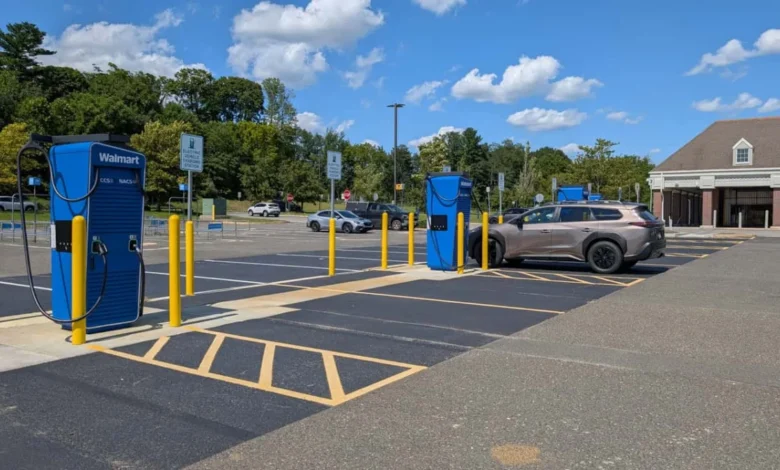
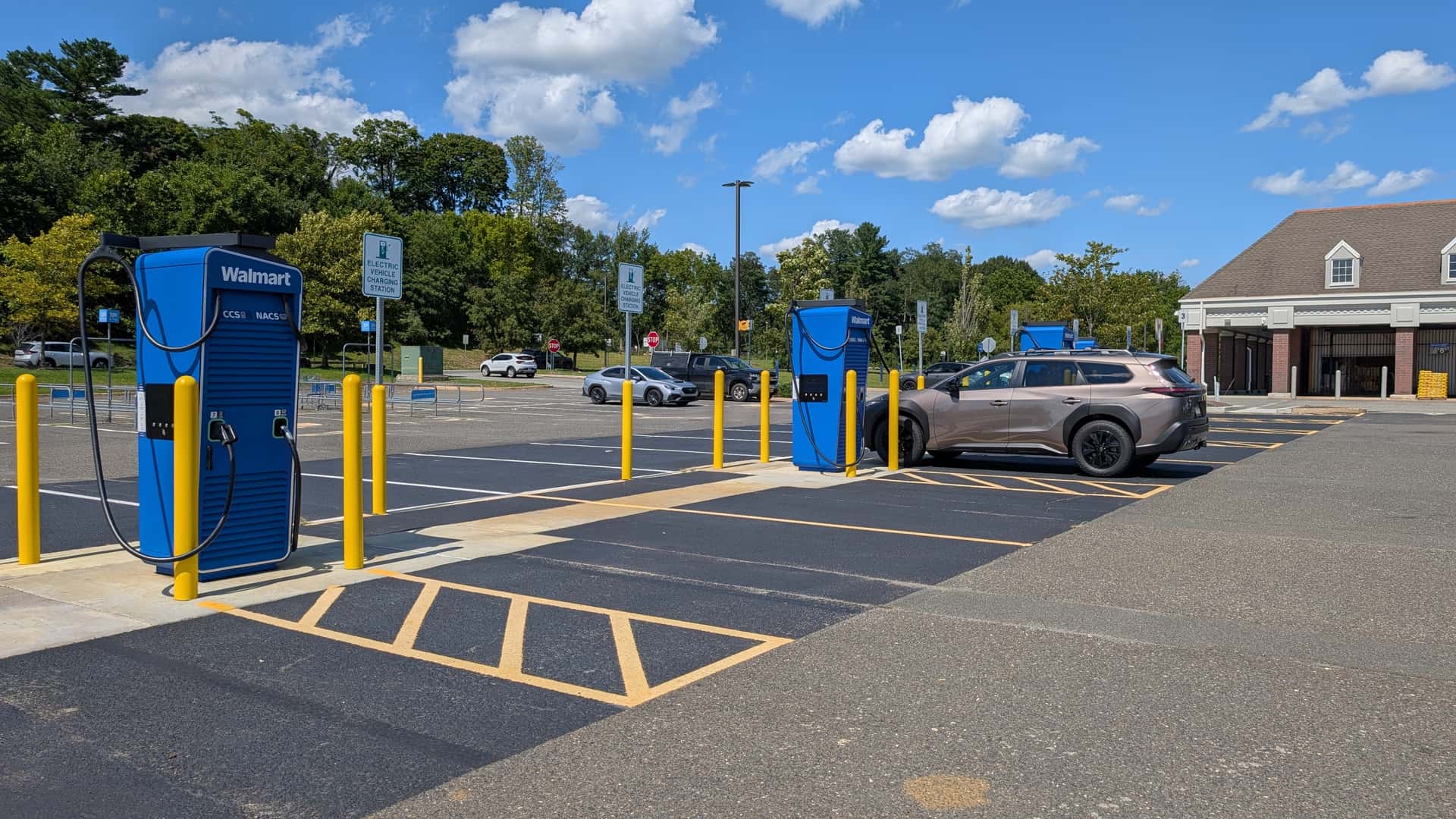
The core thesis of the HERE-SBD EV Index 2026 is straightforward: the primary driver of modern American EV interest is the rapid, tangible maturation of the nation’s charging infrastructure. For years, the narrative surrounding electric vehicles was dominated by fears of stranded batteries and inadequate public charging networks. Today, billions of dollars in public and private investments are finally materializing in tangible, operational hardware along major highway corridors and urban centers.
Robert Fisher, Senior Consulting Manager at SBD Automotive, emphasized the psychological importance of this infrastructural evolution in a statement accompanying the index release.
"This year’s EV index shows Americans are becoming more open to the idea of driving an EV and more confident in the infrastructure needed to support them," Fisher stated. "While EV uptake may be slowing, the findings suggest continued investment in charging infrastructure is starting to translate into greater consumer confidence. Consumer sentiment often leads purchasing behavior, making confidence an important indicator to watch as the market continues to evolve."
This sentiment-first phenomenon suggests that infrastructure buildout serves as a foundational prerequisite. Consumers are waiting to see reliable chargers deployed in their communities before committing their capital to a new technology. Once that physical proof is visible, purchase intent follows.
Geographic Disparities: A Tale of Two Coasts
The transition to electric mobility is not occurring uniformly across the United States. The HERE-SBD EV Index 2026 highlights stark regional disparities driven almost entirely by the local availability and reliability of charging infrastructure.
States that have lagged in developing robust public charging networks saw a corresponding drop in consumer EV interest. For instance, rural and Midwestern states like Iowa and South Dakota experienced declines in their regional EV Index scores, hampered by sparse charging options and vast geographic distances between stations.
Conversely, states and territories that have aggressively invested in green corridor initiatives saw massive spikes in their index ratings. Alaska, Oklahoma, and Utah registered notable upward surges, demonstrating that consumer readiness can be unlocked rapidly when infrastructure investments are prioritized.
When ranking the top five jurisdictions for overall EV Index readiness, the East Coast and mid-Atlantic regions clearly dominated the national landscape. In order from first to fifth place, the leading markets were:
- Delaware
- Washington D.C.
- New Jersey
- Massachusetts
- Connecticut
These high rankings validate the effectiveness of regional clean-transportation policies, dense population corridors, and aggressive state-level investments in EV charging networks, proving that the Eastern Seaboard is currently the most rapidly improving geographic sector for electric vehicle adoption in the country.
Broader Implications and Market Outlook
The findings of the 2026 EV Index present a complex roadmap for automakers, policymakers, and energy providers. The data suggests that the recent slowdown in pure sales volume is not a symptom of permanent consumer rejection, but rather a temporary market digestion phase. As regulatory frameworks shift, vehicle price points drop through manufacturing efficiencies, and charging networks achieve near-ubiquitous reliability, the pent-up consumer sentiment identified in the polling data is expected to convert into concrete purchasing behavior.
Ultimately, while current sales tallies may tell a cautious story about the immediate retail environment, the broader macroeconomic and psychological indicators point in a singular direction. The American automotive market is steadily bridging the gap between early adoption and mass-market acceptance, laying the groundwork for a permanently electrified future.
Related posts: