Valheim marks a new era as the survival hit exits early access and hits major consoles

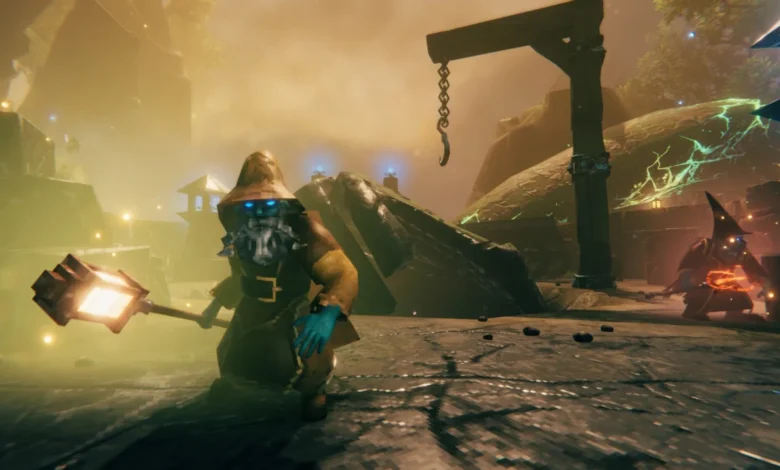
The survival gaming landscape has undergone a significant transformation this week as Iron Gate Studio officially launched Valheim version 1.0. After a five-year developmental odyssey that began with a viral early access launch in February 2021, the title has officially transitioned into a full-release product. This milestone is accompanied by a massive content update and a simultaneous multi-platform expansion, signaling a new chapter for the Norse-inspired sandbox that redefined the survival genre for millions of players.
A Landmark Departure from Early Access
Valheim first captured the collective imagination of the gaming world during the height of the global pandemic. Its low-fidelity, stylized graphics paired with deep, emergent survival mechanics made it an instant phenomenon. Following half a decade of incremental updates—including the Hearth and Home, Mistlands, and Ashlands patches—the 1.0 release serves as the culmination of the studio’s original vision.
The official launch is not merely a label change; it brings the game to a wider audience than ever before. While the title established its reputation on PC via Steam, the 1.0 rollout includes full support for PlayStation 5, Xbox Series X/S, and the Nintendo Switch 2. This cross-platform availability is designed to unify the player base and solidify Valheim’s status as a staple of the survival-crafting genre, rather than just a fleeting internet trend.
Chronology of the Viking Saga
To understand the magnitude of this release, one must look at the timeline of Iron Gate’s development cycle. When Valheim arrived on Steam Early Access in February 2021, it achieved an unprecedented level of success, selling over one million copies in its first week. By April 2021, the game hit its all-time concurrent player peak of 502,387 on Steam.
Following this meteoric rise, the development team entered a long, methodical phase of expansion. The timeline of major content drops serves as the backbone of the current 1.0 experience:
- February 2021: Early Access launch on Steam.
- September 2021: The "Hearth and Home" update, which overhauled building and food systems.
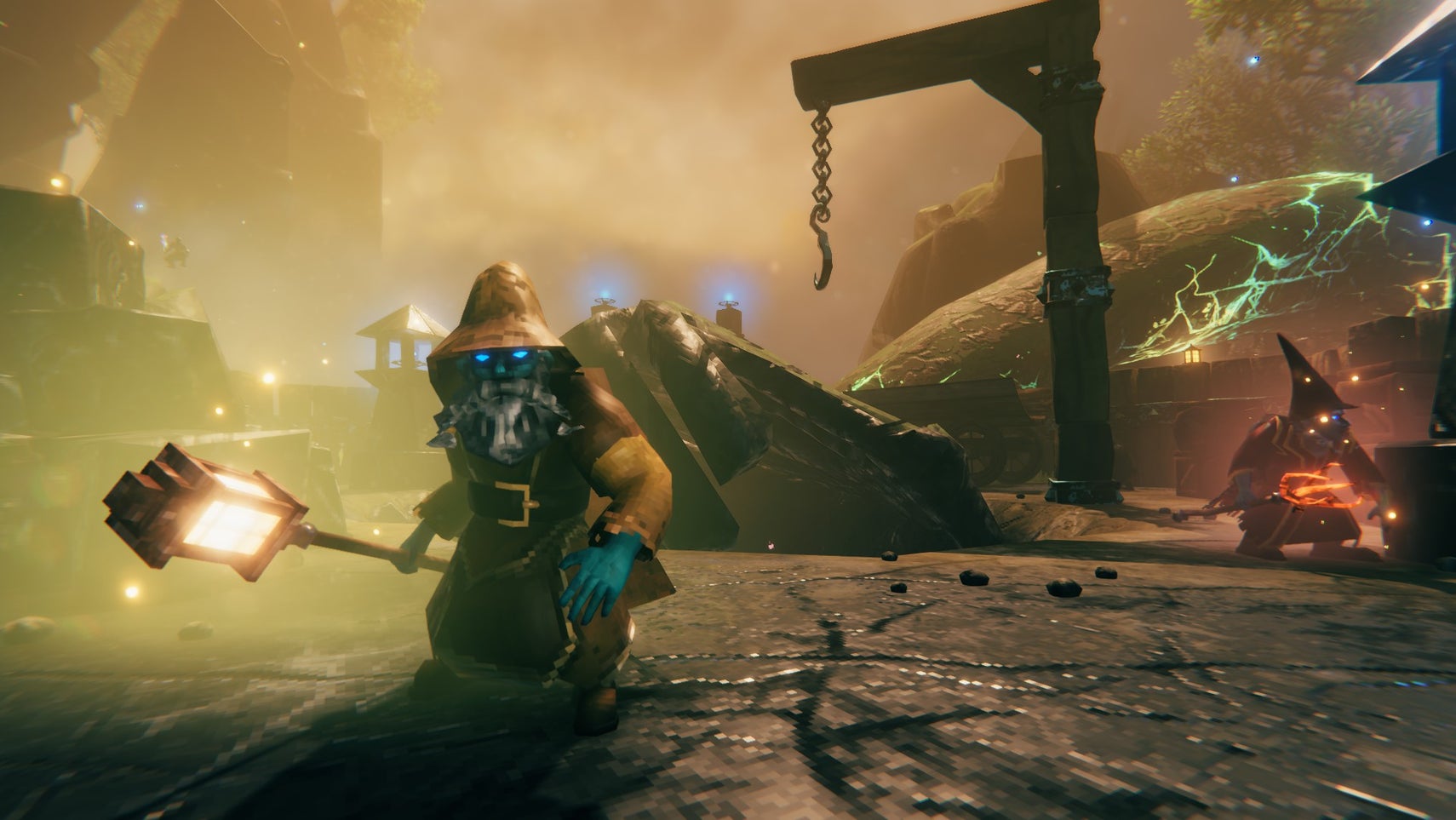
- December 2022: The "Mistlands" update, introducing a challenging new biome and magic mechanics.
- May 2024: The "Ashlands" update, which brought high-difficulty combat to the southern reaches of the map.
- Present Day: Version 1.0 launch, featuring the Deep North biome and final polish.
This staggered release strategy allowed the studio to maintain a consistent player base, even as the initial hype cycle naturally cooled. By the time the game reached its final version, it had evolved from a simple survival experiment into a massive, multi-faceted RPG-lite experience.
Steam Performance and Player Data Analysis
The transition to 1.0 has triggered a noticeable resurgence in player activity. According to data tracked by SteamDB, concurrent player counts surged to 160,000 immediately following the update. While this figure does not reach the historical high of over 500,000, analysts point out that comparing the two numbers requires nuance.
In 2021, the game was a singular, PC-only phenomenon capturing a unique moment in history where millions were restricted to their homes. Today, the gaming market is significantly more fragmented. The fact that Valheim is now drawing 160,000 concurrent players on PC—while simultaneously being played by an uncounted number of users on Xbox and PlayStation—suggests that the game has transitioned from a viral trend into a sustainable "evergreen" title.
The studio’s decision to launch on modern consoles simultaneously with the 1.0 PC update is a calculated move to maximize market penetration. By expanding to the Nintendo Switch 2 and the latest Microsoft and Sony hardware, Iron Gate has effectively mitigated the natural "drop-off" that usually occurs with older PC titles, ensuring that the total ecosystem of players is likely at its highest point since the initial launch period.
The 1.0 Content Deep Dive: What is New?
The 1.0 update is substantial, with patch notes spanning nearly 1,800 words—a document that serves as a testament to the growth of the game since its inception. The most anticipated addition is the "Deep North" biome. Long hinted at in the game’s lore, this frozen wasteland offers a high-stakes endgame environment that challenges even the most experienced players.
Beyond the new terrain, the update introduces:

- Expanded Arsenal: Over 40 new weapons, ranging from magical staves to specialized iron-wrought implements, allowing for more diverse combat builds.
- Crafting Overhaul: A significant increase in base-building assets, providing players with new furniture, defensive structures, and decorative items to customize their viking halls.
- Technical Optimization: A new graphics setting allowing for significantly extended draw distances, addressing one of the most frequent requests from the community regarding the game’s performance on high-end hardware.
- Quality of Life: Streamlined user interfaces and refined physics interactions for boat travel and creature AI.
Implications for the Survival Genre
The success of Valheim 1.0 serves as a case study for the "early access" model. Many games in this space struggle to maintain momentum during long development cycles. Iron Gate’s ability to retain a core audience while slowly expanding the map and mechanics has set a benchmark for other indie developers.
The implication for the industry is clear: players are willing to wait for quality. The game’s sustained success is largely attributed to its balance between accessibility—easy to pick up for a casual player—and depth, which rewards players who dedicate hundreds of hours to resource management and exploration.
Looking Toward the Future
While 1.0 marks the completion of the original roadmap, it does not necessarily signal the end of development. Industry observers anticipate that Iron Gate will continue to support the game with smaller, seasonal events or community-driven patches. Furthermore, the cross-platform functionality will require ongoing technical maintenance to ensure parity between PC and console versions.
In a brief statement accompanying the update, the developers emphasized that this launch is a tribute to the community that stuck with the game through its years of growth. By moving beyond the "early access" label, Valheim is now positioning itself to compete with the heavyweights of the open-world survival genre, such as Minecraft, Rust, and ARK: Survival Ascended.
As the first weekend of the 1.0 launch commences, all eyes are on the server stability and the reception of the Deep North biome. With a massive influx of returning players and a fresh wave of console adopters, Valheim has successfully navigated the difficult transition from a viral hit to a mature, established cornerstone of the modern gaming library. The "Viking" phenomenon, it appears, is far from over; it is merely entering a more permanent, established phase of its existence.
Related posts: