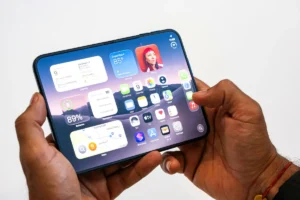
IPhone Duo Hands-On: Apple Enters the Foldable Market with a Polished, High-End Vision

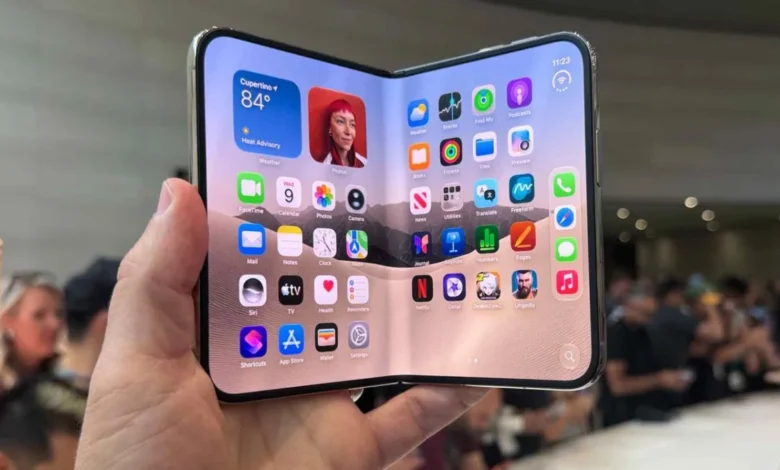
The landscape of mobile technology has shifted significantly with the official announcement of the iPhone Duo, Apple’s first foray into the foldable smartphone category. While competitors like Samsung, Google, and Motorola have spent the better part of a decade iterating on foldable hardware, Apple has opted for a measured, deliberate entry. The device, which officially launches on October 23, with pre-orders opening October 16, represents a premium offering starting at $1,999. This entry marks a pivotal moment for the smartphone industry, as Apple’s entry typically signals the transition of a niche experimental technology into the mainstream consumer consciousness.
A Measured Strategy: The Long Road to the iPhone Duo
The development of the iPhone Duo has been subject to years of speculation and supply chain rumors. While rival manufacturers were pushing early foldable prototypes to market as early as 2019, Apple reportedly remained focused on perfecting the hinge mechanism, screen longevity, and software integration. The result is a device that aims to bypass the "first-generation" pitfalls that plagued early competitors, such as visible display degradation and fragile hinges.
The timeline leading to this launch saw Apple filing dozens of patents related to "self-healing" display materials and complex friction-hinge systems. By waiting until the second half of this decade, the company has leveraged advancements in materials science, specifically in the development of the "Ceramic Shield 2" and high-grade titanium chassis, to ensure that the device meets the durability standards typically expected of an iPhone.
Hardware Specifications and Design Philosophy
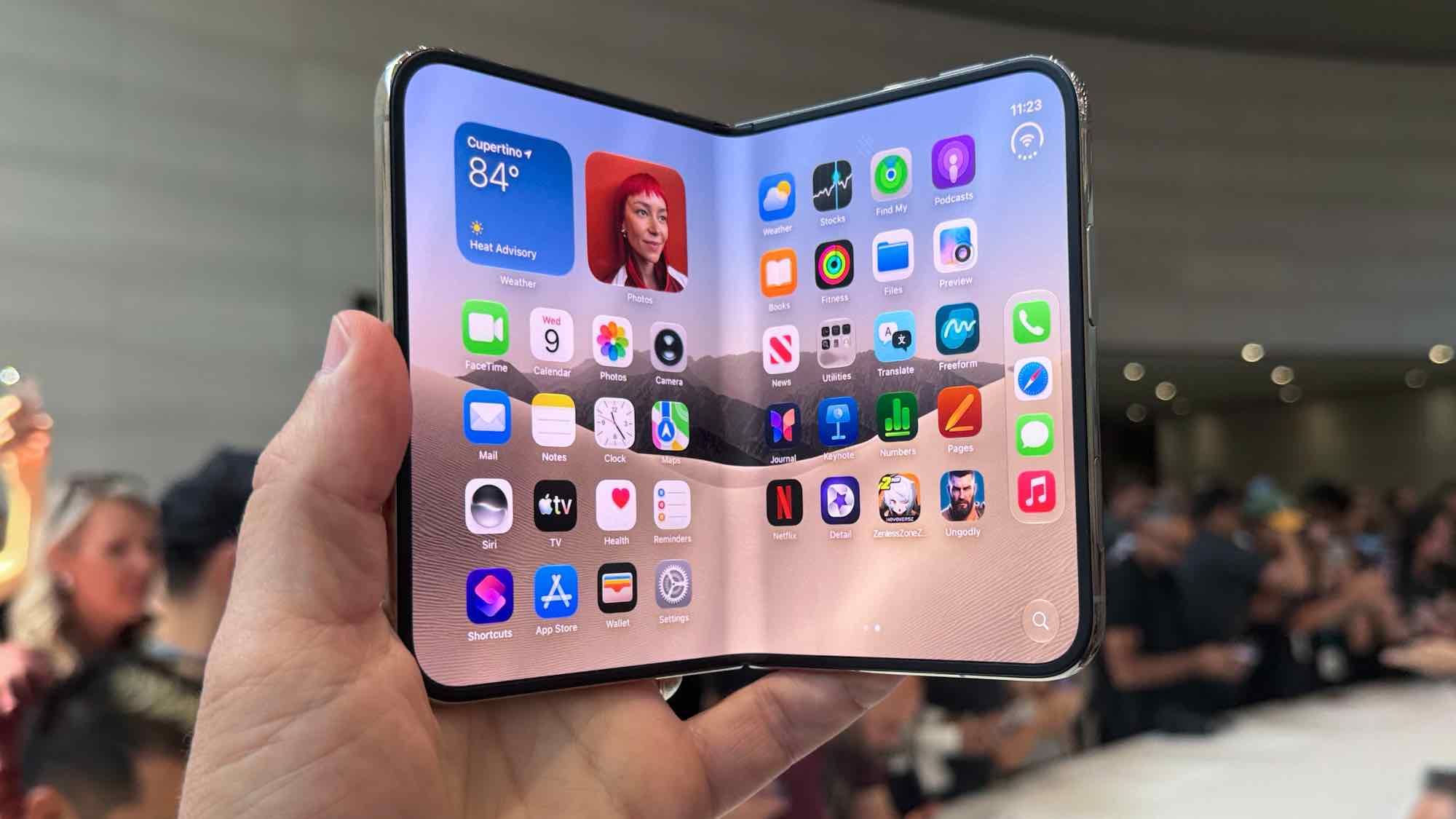
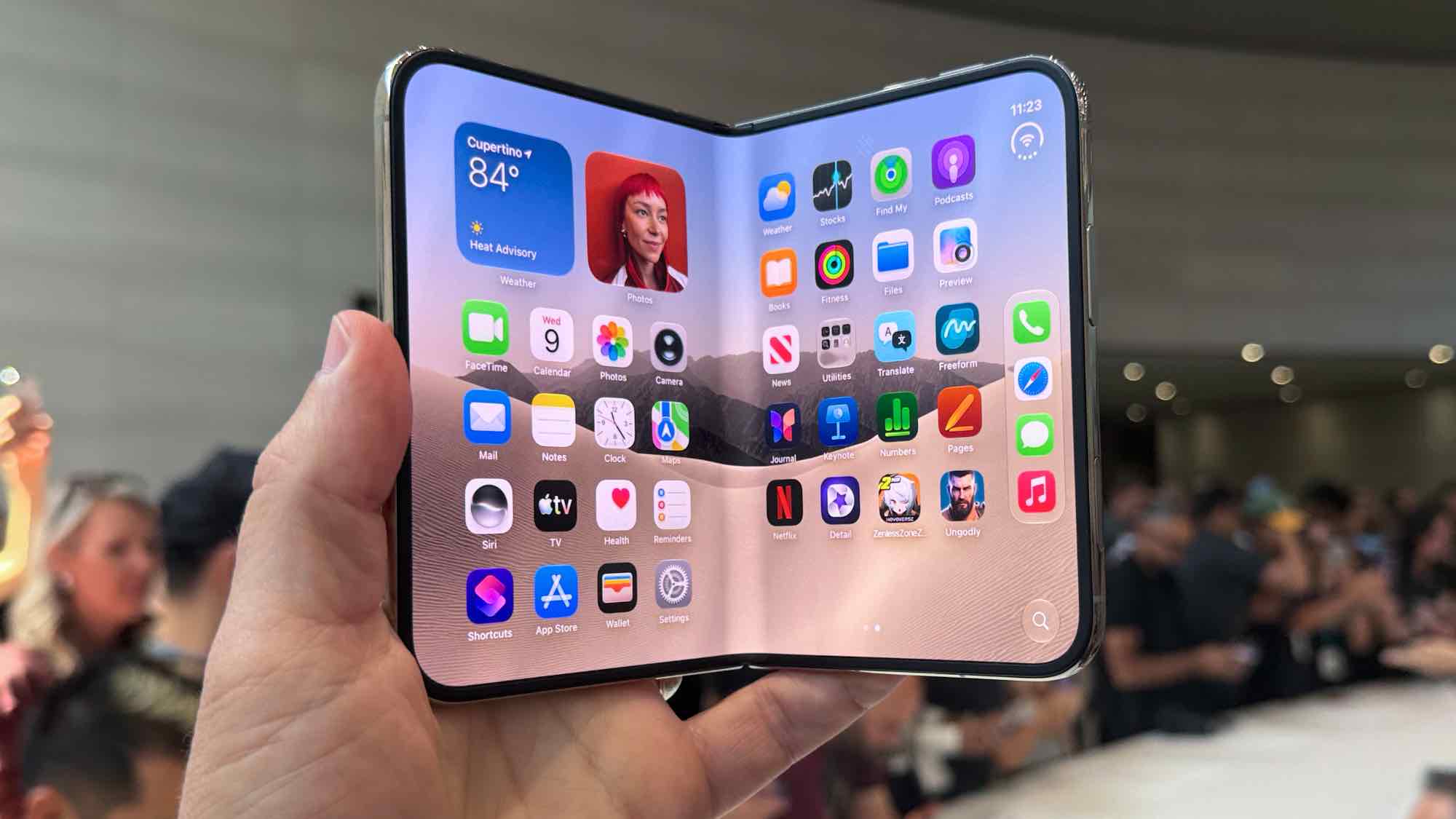
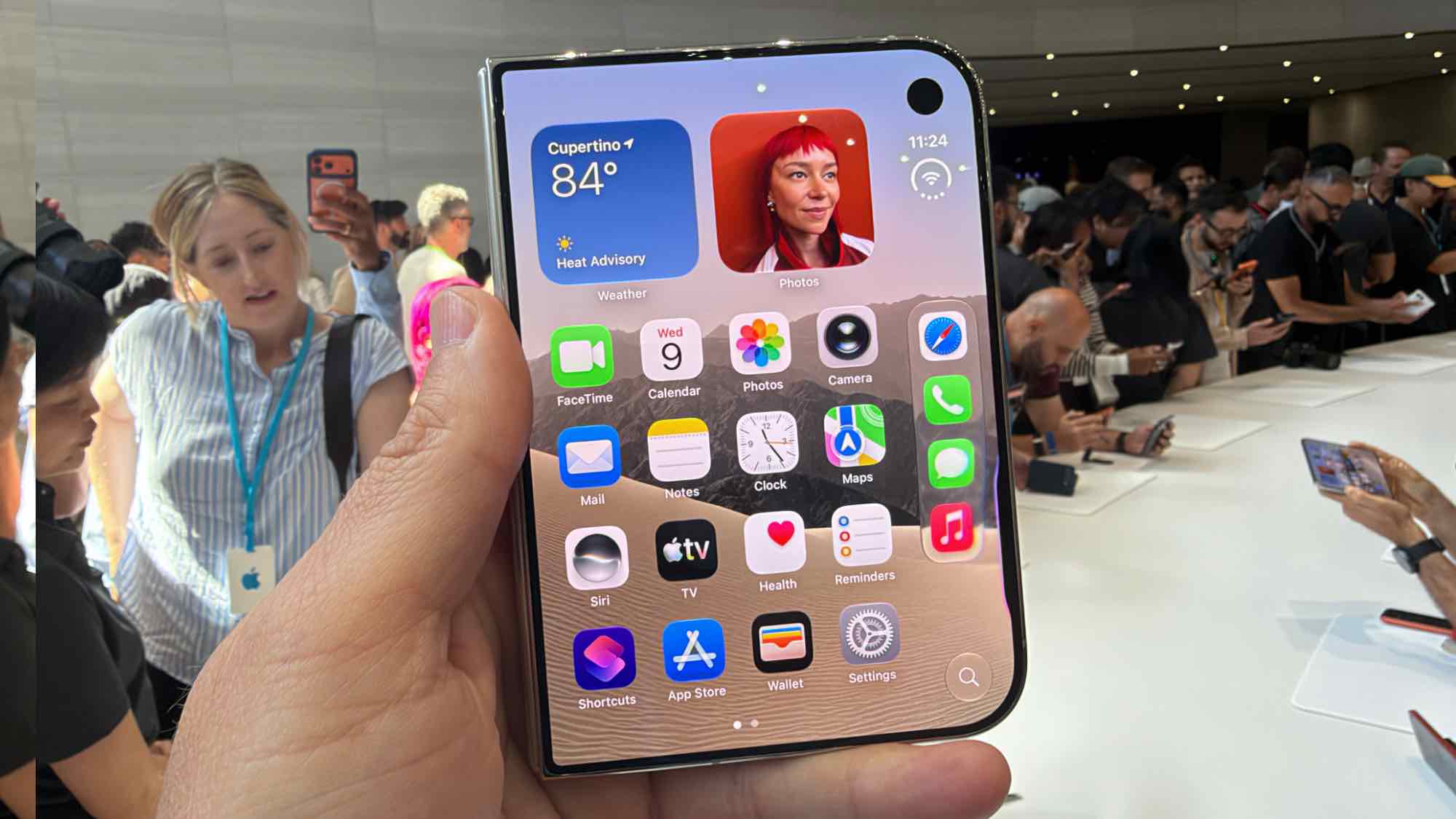
The iPhone Duo is defined by its dual-display configuration: a 5.4-inch outer Super Retina XDR cover display for standard tasks and a 7.6-inch inner folding panel for expansive productivity. The device measures 6.48 x 4.64 x 0.21 inches when fully opened, tapering to 11.3mm when closed. This thickness is a notable point of comparison against the Galaxy Z Fold 8, which measures 4.5mm when open. Despite being slightly thicker and heavier at 254 grams, the iPhone Duo compensates with a robust build quality designed to withstand the rigors of daily use.
Under the hood, the device is powered by the A20 Pro chip, a silicon advancement that integrates a 7-core GPU specifically optimized for the device’s unique screen real estate. The inclusion of a custom vapor chamber suggests that Apple is positioning the Duo as a high-performance gaming and productivity machine capable of sustained workloads that would typically throttle thinner handsets.
The storage options cater to professional users, with capacities ranging from 256GB up to 2TB. The $1,999 entry price positions the phone firmly in the "ultra-premium" segment, effectively creating a new price tier for the iPhone lineup that sits well above the Pro Max series.
Durability and Real-World Resilience
One of the most significant technical achievements of the iPhone Duo is its IP68 dust and water resistance rating. This is a milestone for the foldable market, where most devices have struggled to achieve comprehensive dust ingress protection due to the mechanical nature of the hinge. By utilizing a proprietary gasket system and sealed hinge components, Apple has addressed the primary concern for potential buyers: longevity in hostile environments like beaches or construction sites.
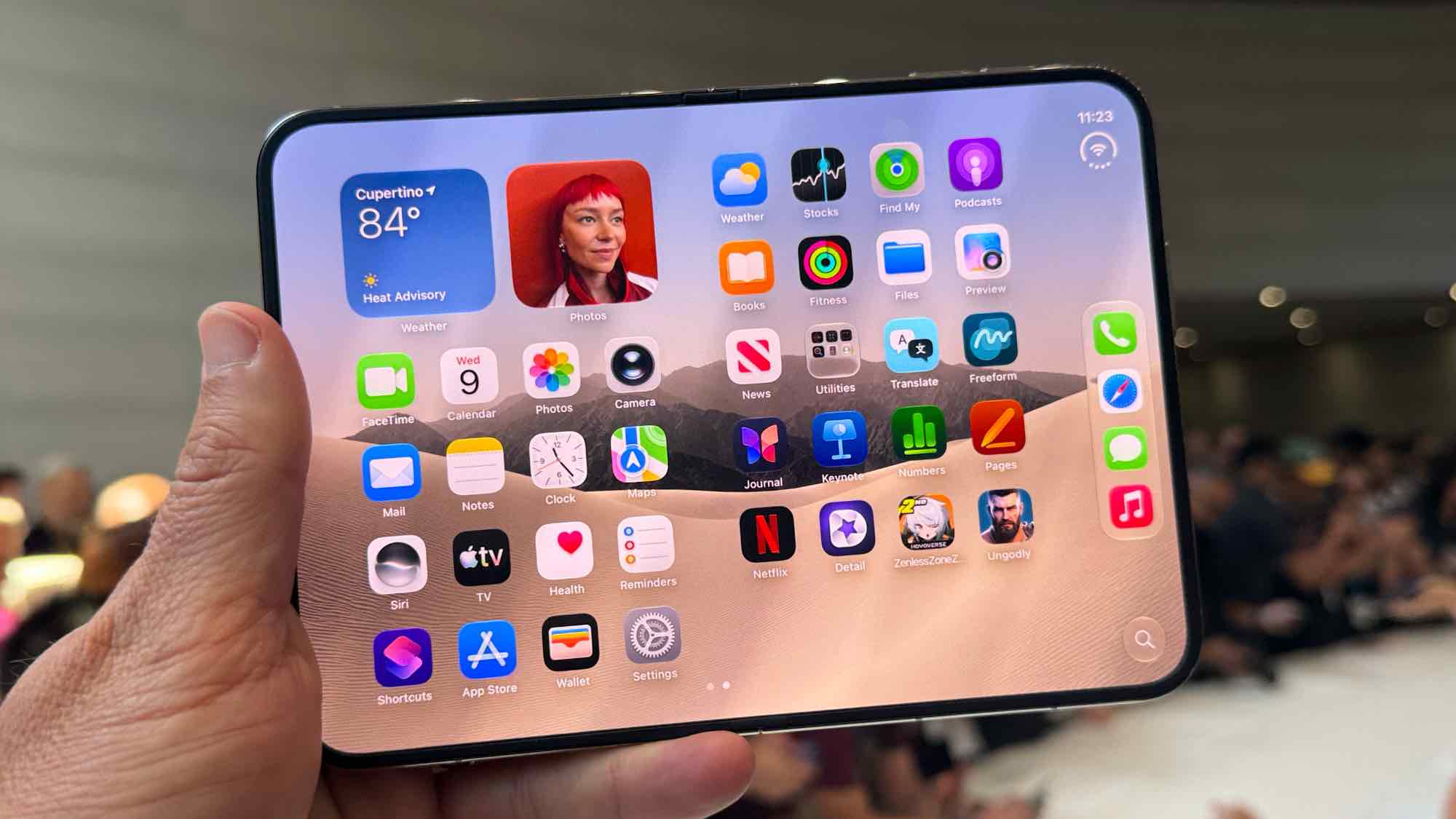
The display technology also reflects a leap forward. The inner screen features a nano-texture cover layer and a proprietary scratch-resistant coating, which Apple claims is 40 percent stiffer than standard foldable materials. Furthermore, the hinge is designed to leave no visible crease that interferes with touch sensitivity, a persistent complaint in the foldable sector.
Software Integration and The "Duo" Experience
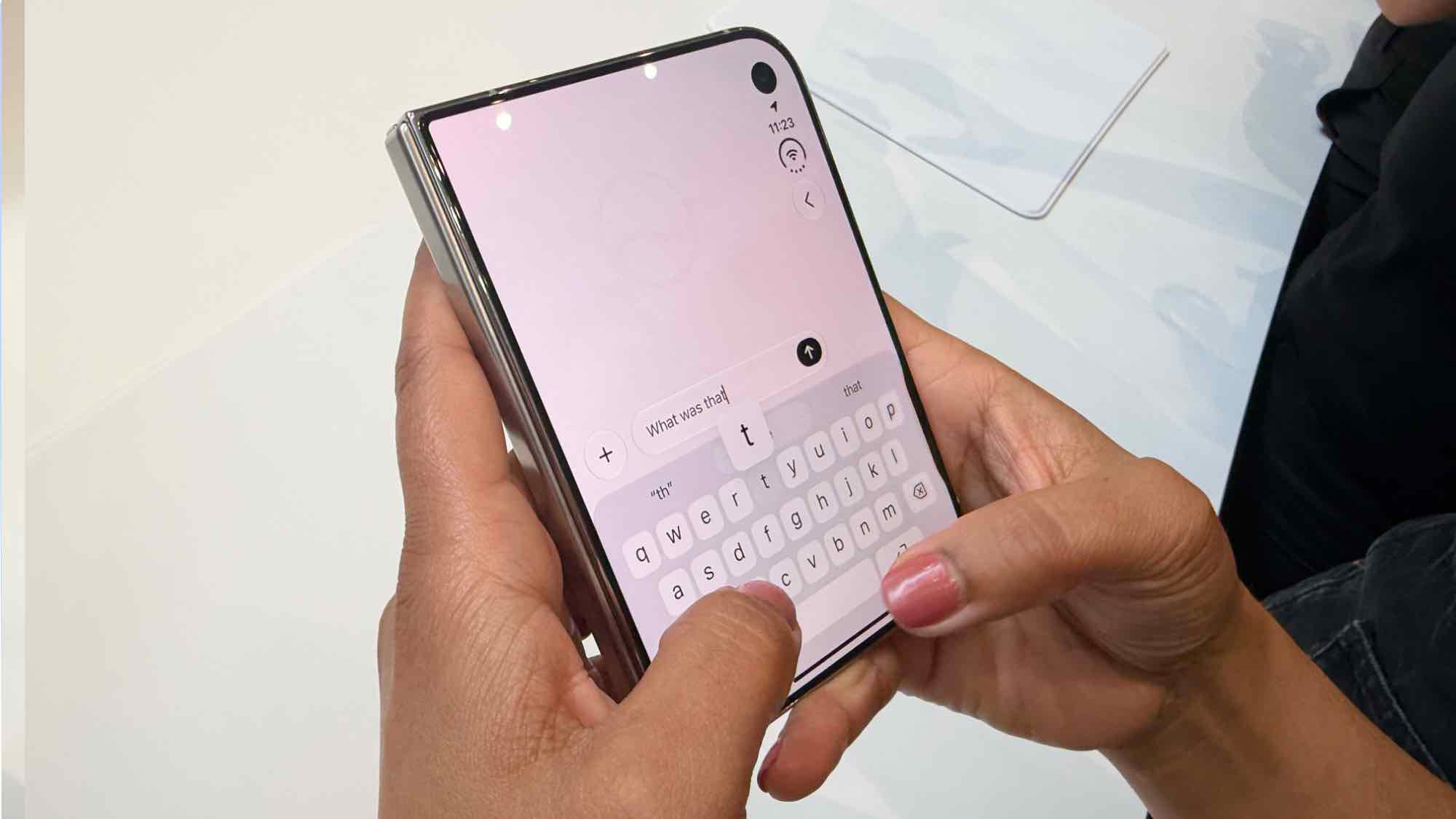
Hardware is only half of the foldable equation; the software must justify the larger screen. Apple has addressed this by porting a tailored version of iOS that allows for a "side-bar" control scheme. By moving navigation elements to the right side of the inner display, the UI minimizes the need for awkward thumb reaching, making one-handed operation on the larger screen surprisingly intuitive.

The device also introduces "Flex View," a mode that detects the hinge angle to split apps. When partially folded, the system automatically shifts media controls or camera viewfinders to the lower half of the screen, leaving the upper half for primary content. Furthermore, the integration with third-party applications like Zoom and Slack has been prioritized, ensuring that the multitasking capabilities—such as simple side-by-side app docking—work seamlessly out of the box.
Camera Innovations and Computational Photography
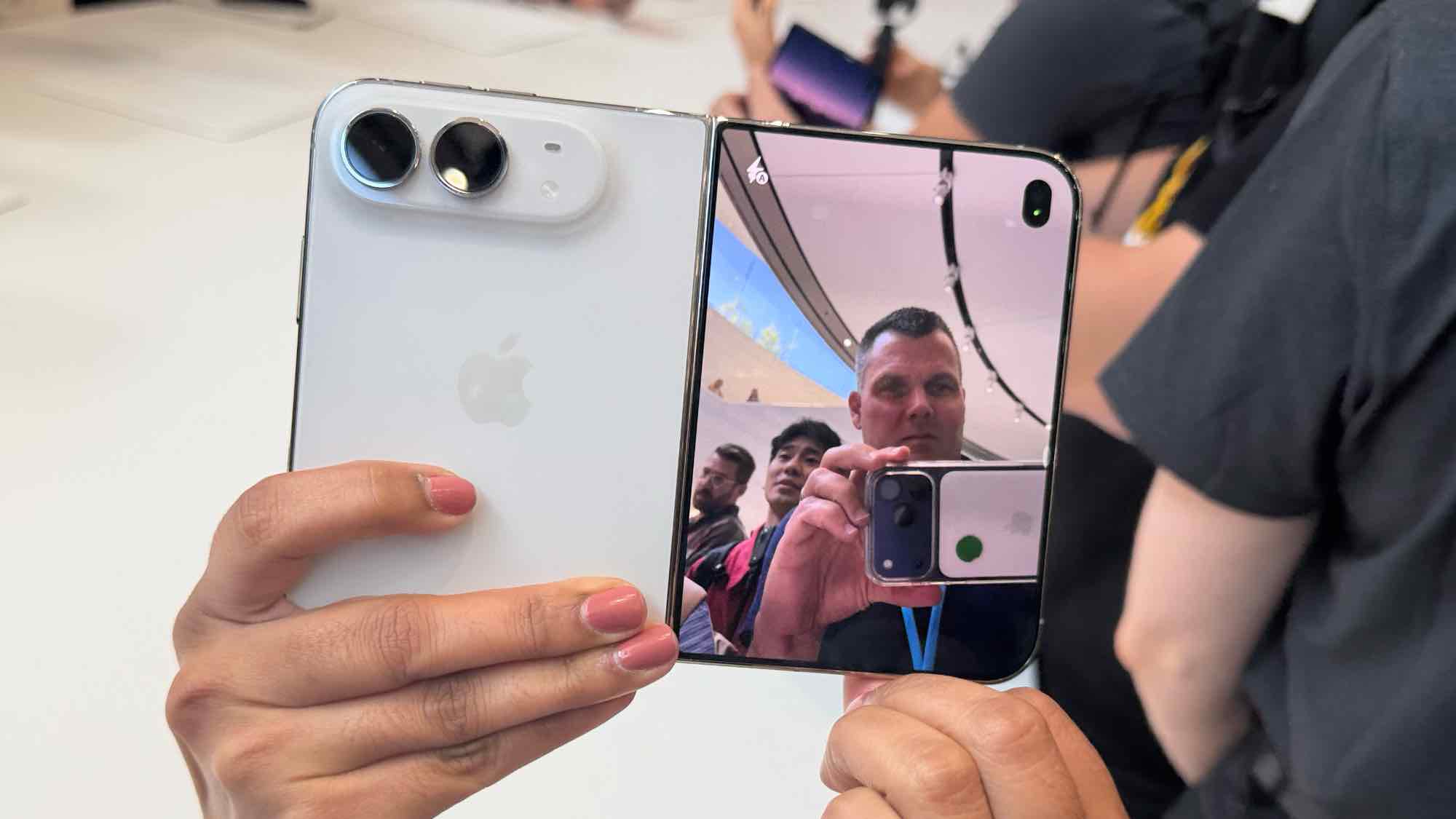
The camera system on the iPhone Duo reflects a departure from the triple-lens array found on the Pro Max series. Instead, the device features a dual-camera system: a 48MP Fusion main sensor and a 48MP ultrawide sensor. While some power users might lament the absence of a dedicated telephoto lens, Apple has implemented "optical quality" 2x cropping powered by the A20 Pro’s image signal processor.
The software features are clearly aimed at the creator economy. The "Smart Take" feature allows the device to function as its own tripod; when propped up, the AI identifies when subjects are in focus and triggers the shutter automatically. "Kid Cue," borrowed from the broader smartphone market but refined here, uses animations on the outer display to keep children looking toward the camera during portrait sessions. Additionally, "Duo Preview" allows the subject of a photo to see a live reflection of their pose on the outer display, turning the iPhone into a professional-grade vanity tool.
Market Implications and Future Outlook
The launch of the iPhone Duo is likely to have a ripple effect across the entire smartphone industry. For years, the foldable market has been confined to tech enthusiasts and enterprise users due to concerns over reliability and software fragmentation. With Apple’s entry, the foldable form factor is effectively "validated" for the mass market. Analysts expect this to force competitors to accelerate their own R&D cycles, particularly regarding dust resistance and software-to-hardware optimization.
However, the $1,999 price tag remains a significant barrier to entry. While the iPhone Duo is arguably the most polished foldable to date, it is not a replacement for the standard iPhone; it is an experimental, luxury device for a specific subset of consumers who prioritize multitasking and screen real estate over the traditional pocketability of a standard smartphone.
As the October 23 release date approaches, the industry will be watching closely to see if consumer demand for foldables finally reaches a tipping point. If the iPhone Duo succeeds, it will not just be a win for Apple’s hardware division, but a sign that the smartphone industry is ready to move beyond the rigid, monolithic glass slabs that have defined the last decade of personal computing. Whether the device’s performance, particularly in terms of battery life and sustained thermals, lives up to the marketing claims will be the true test of Apple’s long-term bet on the foldable future.