BenQ MA270S Review: A Studio-Quality Display Engineered Specifically for Mac Creators

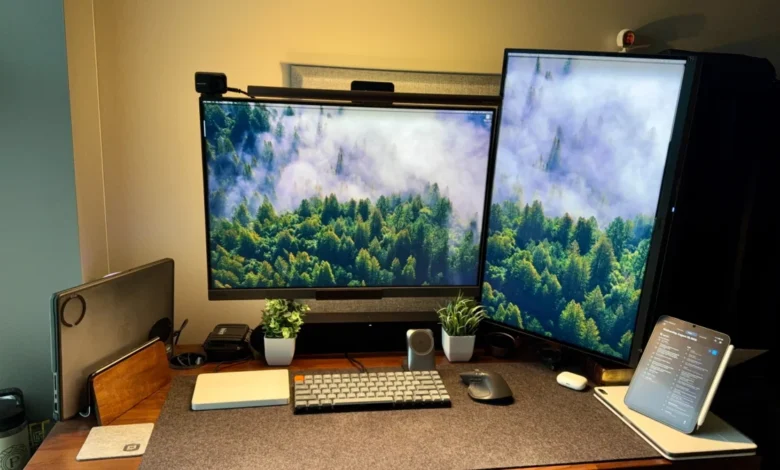
The market for professional-grade computer monitors optimized for macOS has long been dominated by Apple’s own proprietary hardware, most notably the high-end Studio Display. While Apple’s displays are widely praised for their integration and visual fidelity, their steep pricing often places them out of reach for independent creators, developers, and office professionals. Enter the BenQ MA270S, a 27-inch 5K monitor designed from the ground up to bridge the gap between studio-tier performance and budget accessibility. Retailing for just under $1,000, the MA270S enters a competitive landscape aiming to offer Mac enthusiasts a seamless native experience without the financial barrier traditionally associated with Apple-centric desktop ecosystems.
Main Facts and Core Specifications
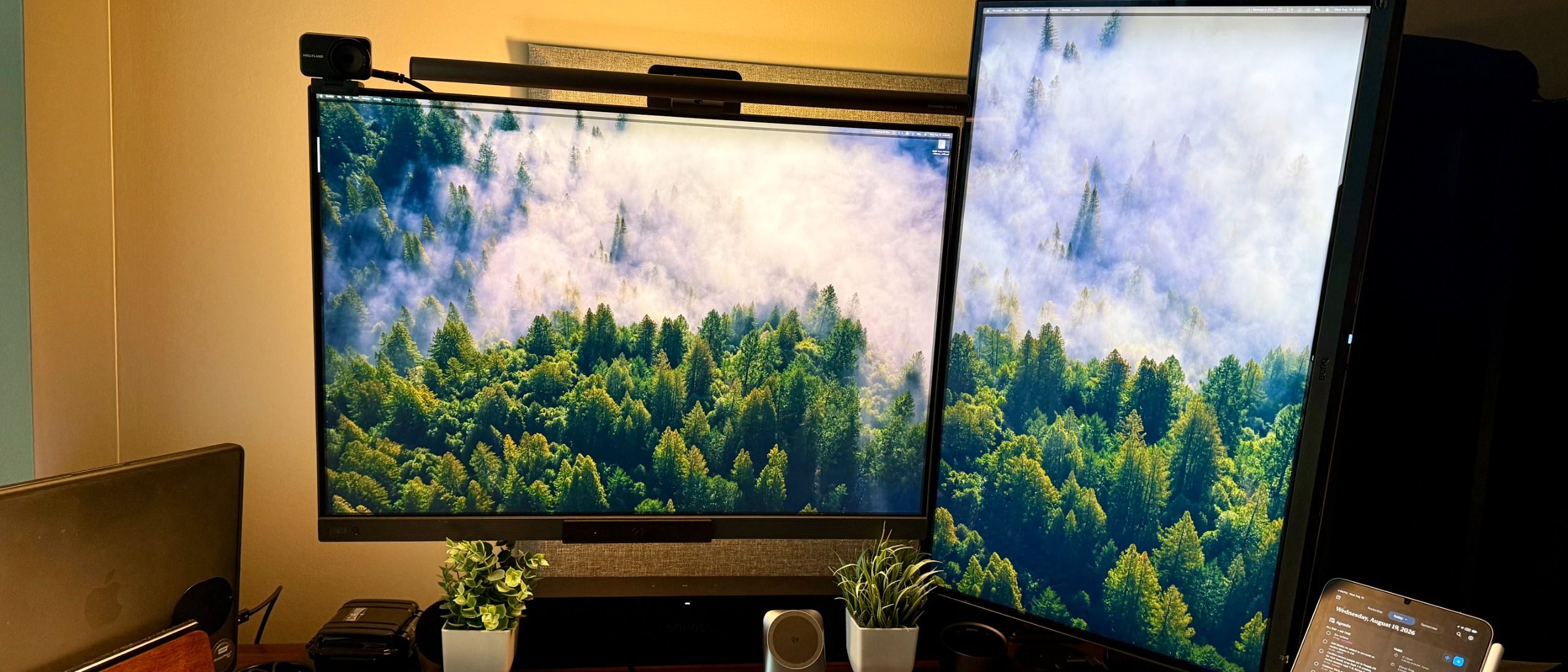
At its core, the BenQ MA270S is built around a high-resolution, ultra-crisp panel featuring a high-gloss finish reminiscent of Apple’s Studio Display and high-end MacBook screens. This design choice is deliberate: rather than opting for a matte coating, the glossy panel maximizes perceived sharpness, deepens black levels, and delivers vibrant, accurate color reproduction essential for photo editing and visual design work.
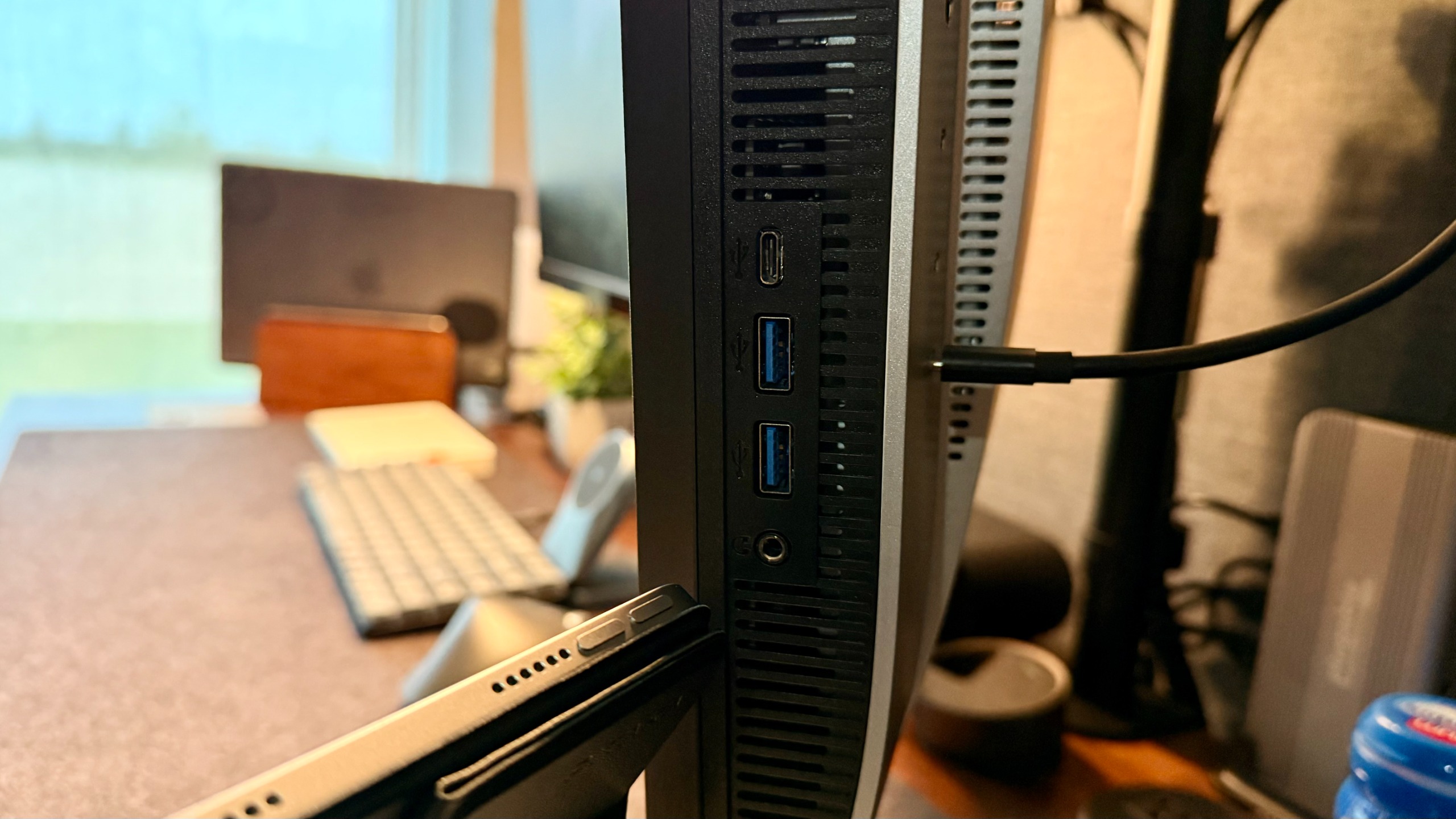
Connectivity is another major focal point for the MA270S. Unlike Apple’s displays, which lean heavily into streamlined minimalism, BenQ has equipped the MA270S with a versatile array of ports, including USB-C, USB-A, and HDMI connections. This ensures that users are not locked into a strictly single-cable USB-C workflow and can easily interface with a wide variety of peripherals and secondary devices. Furthermore, the monitor features thoughtful port placement, with connectors angled to avoid awkward cable management beneath the bezel.
Chronology and Integration with the Mac Ecosystem
BenQ’s recent push into Mac-specific peripherals began rolling out across several workstations over the past few years, highlighted by the broader MA series lineup—which includes the larger 32-inch MA320UG variant. Reviewers and long-term testers who integrated the MA270S into multi-monitor desk setups—often pairing it vertically alongside complementary hardware like BenQ’s RD series—noted its rapid deployment and long-term stability.
A defining characteristic of the MA series is its deep integration with macOS via BenQ’s DisplayPilot 2 application. This software allows users to control hardware settings such as display brightness and volume directly from their Apple keyboard, replicating the native experience of using an Apple-branded monitor. Over extended testing periods exceeding 150 days of continuous daily use, the monitor has demonstrated reliability in managing multi-window workflows, including productivity applications, messaging clients, and high-resolution photo editing suites.
Design, Build Quality, and Ergonomics
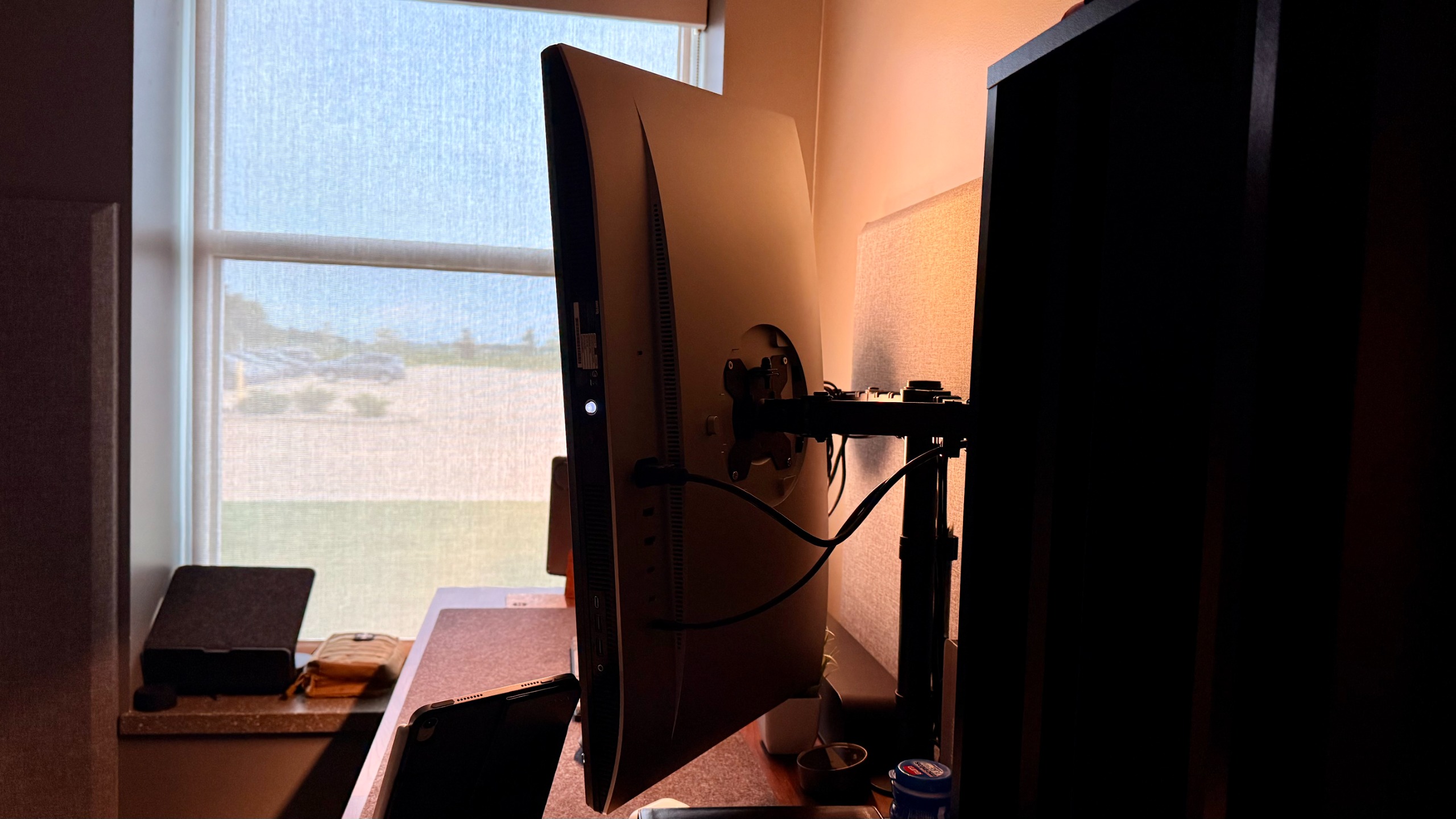
The aesthetic of the BenQ MA270S aligns closely with modern minimalist desk configurations popular among Mac users. Its razor-thin bezels and clean lines allow it to blend effortlessly into Apple-centric office environments.
In terms of functional hardware, the monitor includes built-in speakers adequate for virtual meetings, background audio, or low-fi music playback, though audiophiles and multimedia professionals will still benefit from external speakers or headphones. The included stand offers robust ergonomic adjustments, supporting both horizontal and vertical (portrait) orientations. Despite initial concerns regarding potential glare from nearby windows on the glossy glass panel, real-world testing indicated that the screen’s luminance and contrast effectively mitigate ambient reflections during standard daytime use.
Market Implications and Competitive Analysis
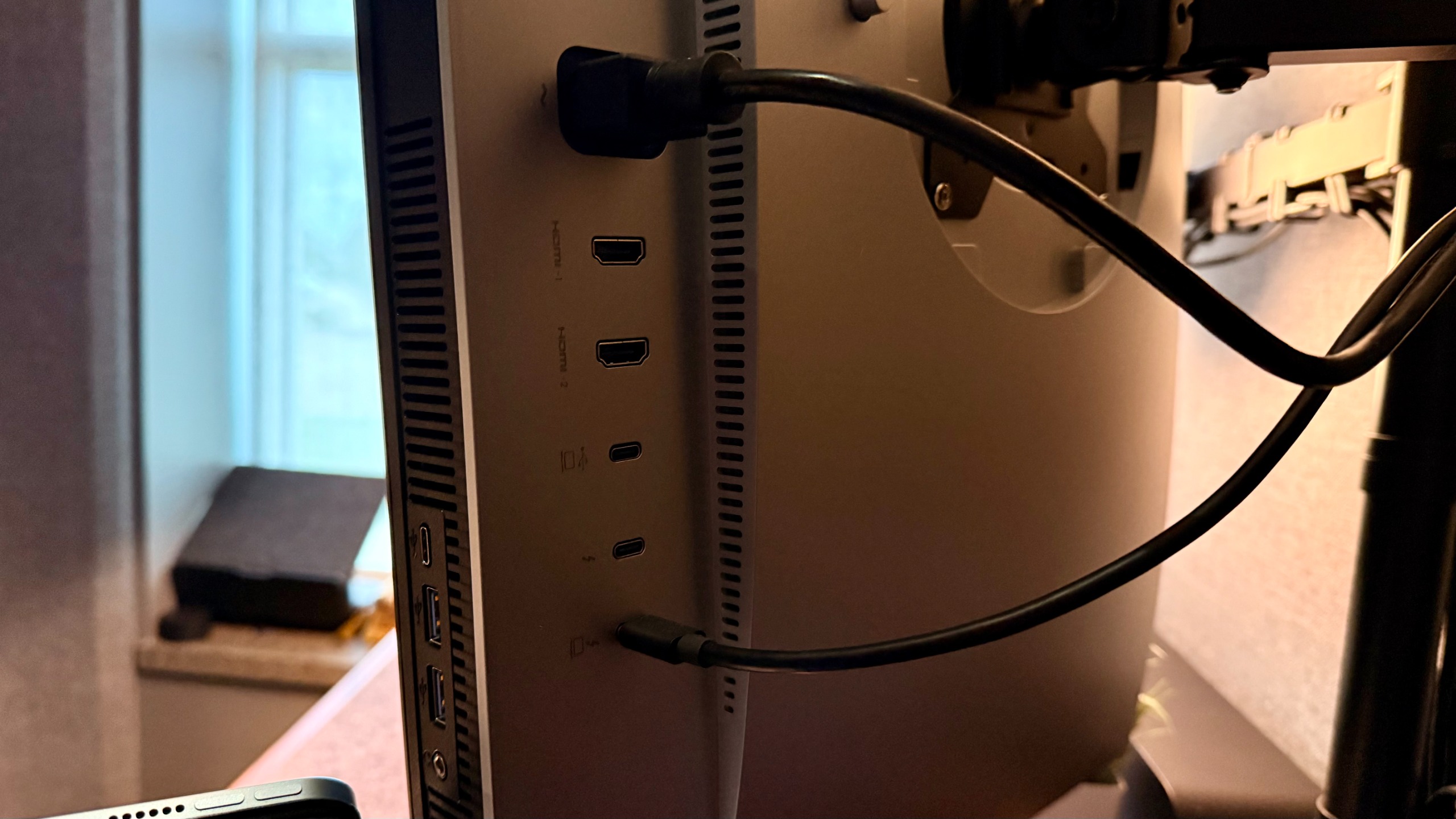
The release and reception of the BenQ MA270S arrive at a time when professionals are increasingly seeking cost-effective alternatives to proprietary tech ecosystems. Apple’s Studio Display has historically faced criticism for its high entry cost relative to its feature set, which includes built-in webcams and advanced microphone arrays.
By omitting proprietary extras like an integrated camera while doubling down on core display metrics—such as color accuracy, resolution, connectivity, and native keyboard brightness controls—BenQ has positioned the MA270S as a pragmatic alternative. Industry analysts and hardware reviewers note that while the Studio Display maintains advantages in integrated audio-visual peripherals, the BenQ MA270S outperforms it in versatility, port selection, and value for money.
Broader Impact on the Creative Professional Market
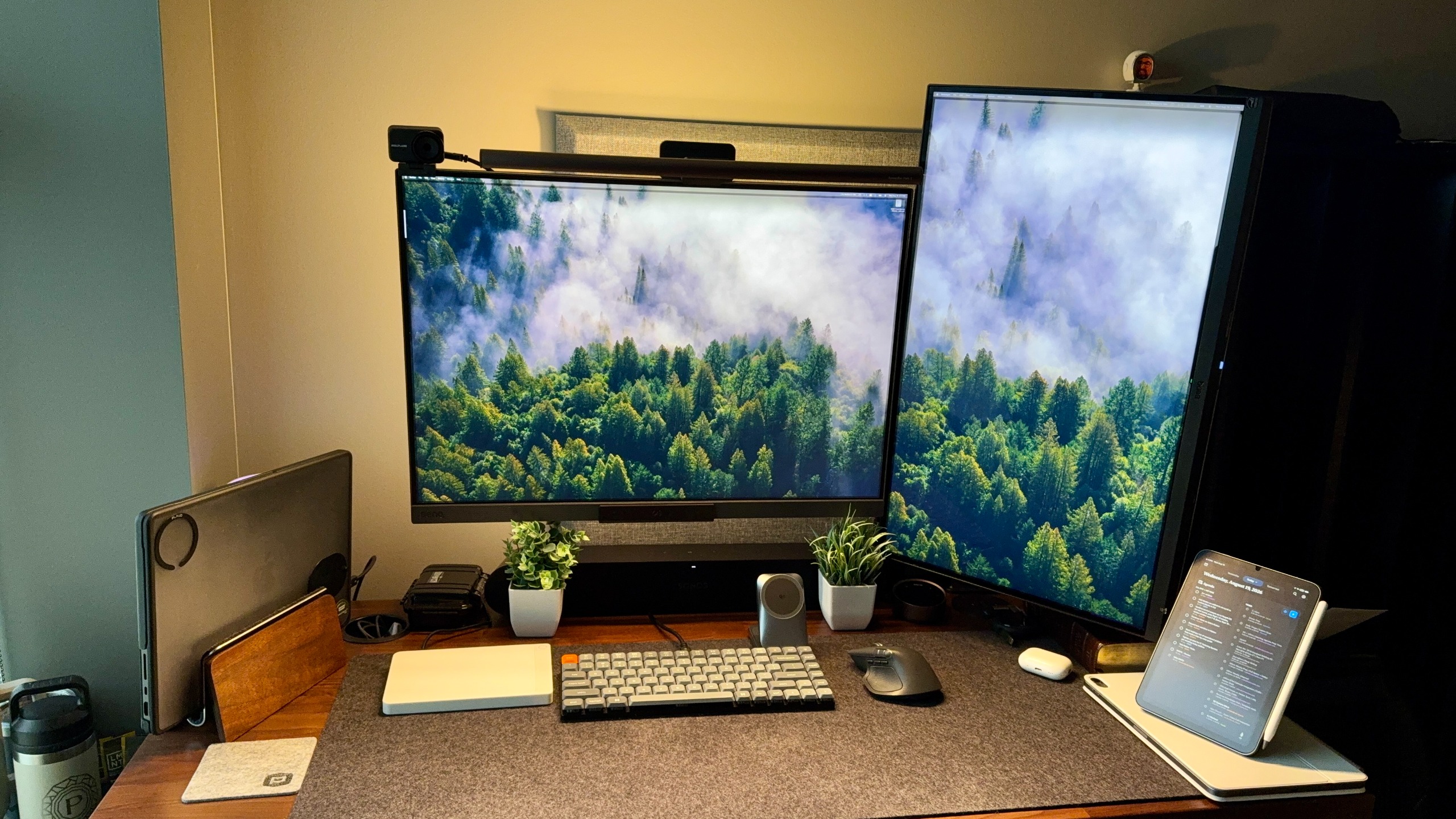
The introduction of dedicated Mac-compatible monitors from third-party manufacturers signals a shift in the desktop hardware landscape. As Apple silicon continues to power an increasing share of professional creative workstations, manufacturers like BenQ are capitalizing on the demand for peripherals that respect the macOS user experience without enforcing walled-garden pricing structures.
For photo editors, graphic designers, and enterprise users looking to optimize their desk space, the BenQ MA270S establishes a new benchmark for cross-ecosystem compatibility and display performance. As the MA series continues to expand, it offers a viable path forward for professionals who require studio-quality visuals without compromising on connectivity or budget.