Project Neo: Lumio’s AI Chatbot Redefines Content Discovery for Google TV Through WhatsApp and Instagram

The modern streaming landscape, a veritable ocean of content, paradoxically often leads consumers to a state of indecision rather than entertainment. The phenomenon, widely dubbed "doomscrolling," sees users spend more time navigating endless menus and promotional tiles than actually watching content. This challenge is acutely felt on smart TV platforms, where content discovery remains largely inefficient and disconnected from contemporary digital habits. However, a novel solution from Indian hardware upstart Lumio, dubbed Project Neo, is poised to revolutionize this experience, leveraging familiar mobile interfaces like WhatsApp and Instagram to bridge the chasm between content discovery and consumption on Google TV.
The Paradox of Choice and Smart TV’s Broken Discovery Model
For years, the promise of streaming services like Netflix, Disney+, and Hulu has been an unparalleled library of movies and shows available at one’s fingertips. Yet, this abundance has inadvertently created a new problem: decision paralysis. Viewers frequently find themselves caught in a loop of browsing, endlessly scrolling through recommendations that often miss the mark, or sifting through dense grids of content, ultimately wasting precious leisure time. Industry reports and user surveys consistently highlight this frustration, with many citing the sheer volume of choices as a primary barrier to selecting content. The average user reportedly spends anywhere from 7 to 10 minutes browsing before settling on a title, and often gives up entirely.
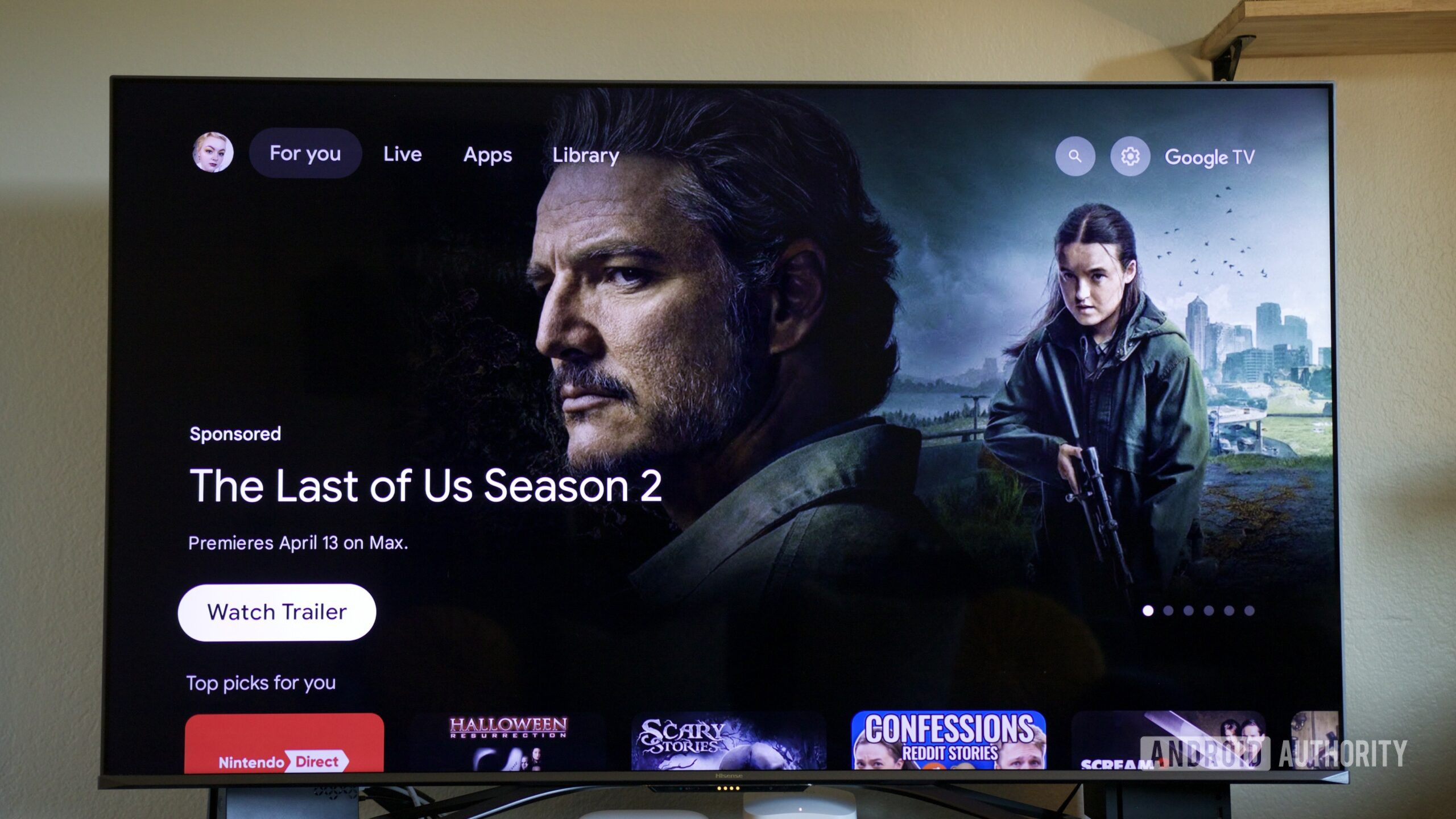
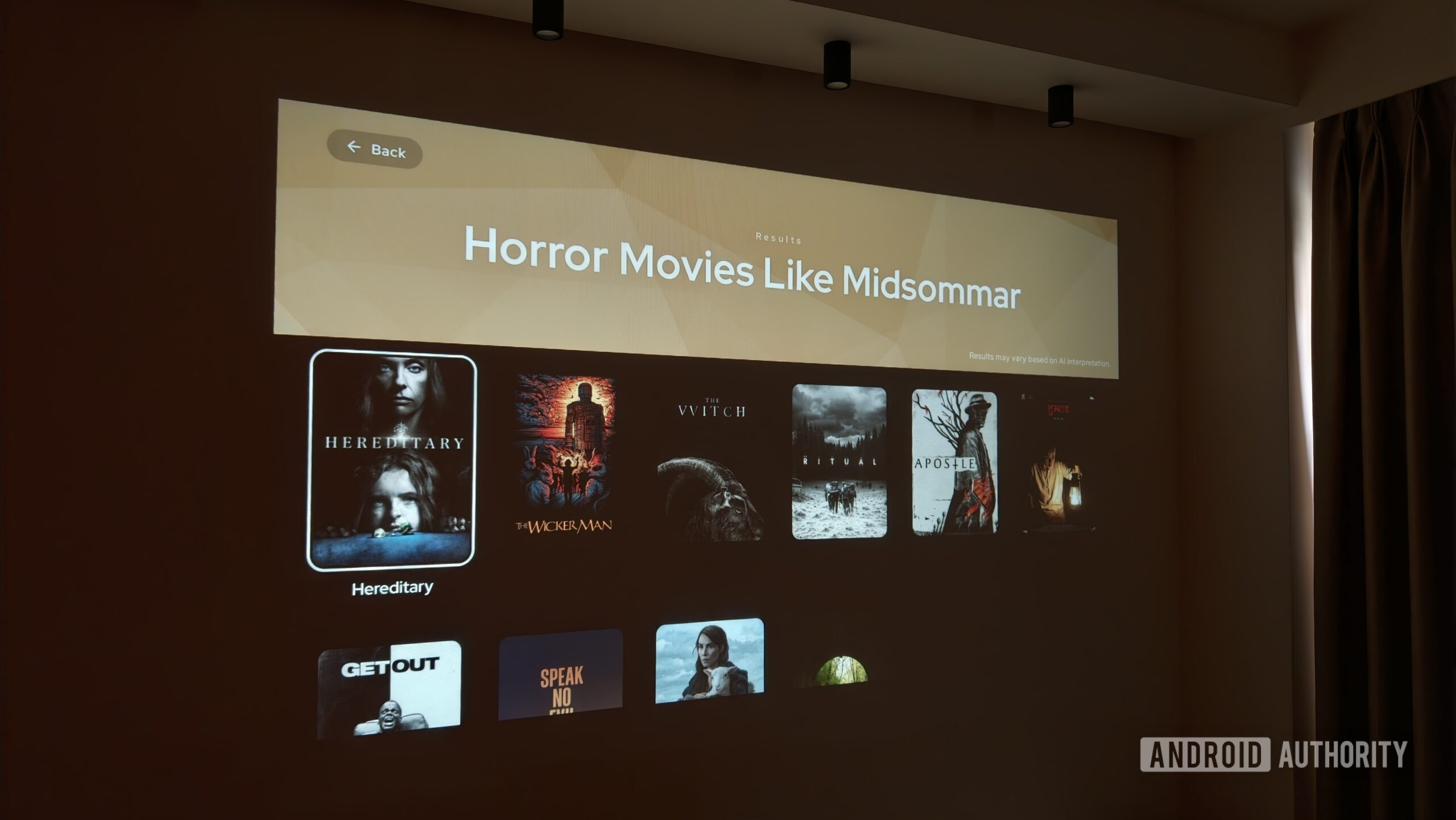
The underlying flaw lies within the design of current smart TV platforms, including Google TV. Their content discovery mechanisms are predominantly genre-dependent, offering broad categories that lack the nuance required for truly personalized recommendations. A critically acclaimed psychological horror film like Midsommar, for instance, shares thematic depth and narrative complexity with a classic folk horror piece like The Wicker Man, yet a typical smart TV algorithm might group it with generic, less sophisticated horror fare, failing to grasp the subtle connections that appeal to discerning viewers. These interfaces are often engineered to maximize engagement time rather than streamline content access, pushing users through promotional carousels, unsolicited auto-playing trailers, and cumbersome menu navigation via outdated remote controls.
Crucially, this traditional TV-centric discovery model ignores a fundamental shift in user behavior: content discovery largely happens on smartphones. Whether through personal recommendations texted by friends, discussions on forums like Reddit, or curated lists on social media platforms such as Instagram, people are increasingly finding their next watch on their mobile devices. The challenge then becomes translating that mobile discovery to the big screen. The current process is laborious: remembering a title, identifying its streaming platform, locating the remote, opening the specific app, and then manually typing or attempting an often-unreliable voice search. While Google Assistant offers some respite, its inconsistencies frequently lead to frustration.
Project Neo: A Conversational AI Revolution for the Living Room
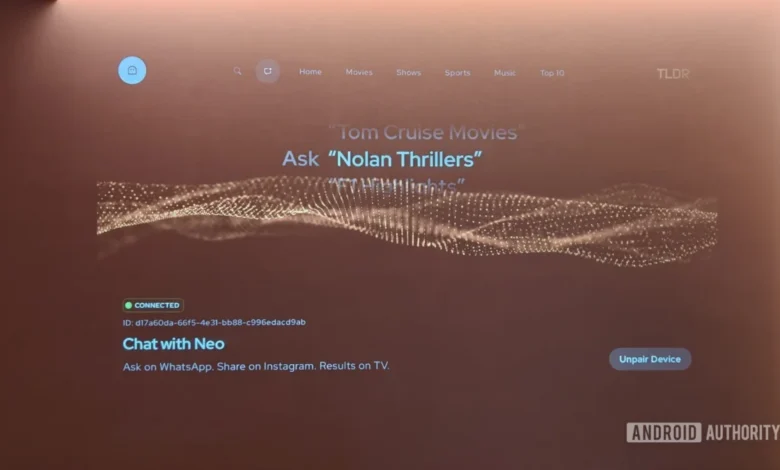
Lumio’s Project Neo offers an elegant and intuitive solution by flipping this dynamic on its head. It relocates the entire content discovery process back to the smartphone, harnessing interfaces that users already navigate effortlessly. The system operates through a companion app called TLDR, installed on the Google TV device. A straightforward QR code-based pairing process then links a WhatsApp chatbot directly to the user’s account. This integration transforms WhatsApp into a sophisticated, conversational input device for the television.
The brilliance of Project Neo lies in its seamless simplicity. Users are not required to download yet another proprietary app; instead, the system integrates with applications they use daily. This eliminates friction, negating the need for casting or constant screen switching. To initiate playback, a user simply texts or voices the desired content title to the WhatsApp bot. The TLDR app on the TV then promptly displays the content. If the user is logged into the relevant streaming service, a tap on the thumbnail launches the movie or show instantly. Even if not signed in, the system provides comprehensive metadata, including service availability, posters, banner images, a concise summary, and cast information, offering a complete picture of the content.
Advanced AI for Nuanced Recommendations
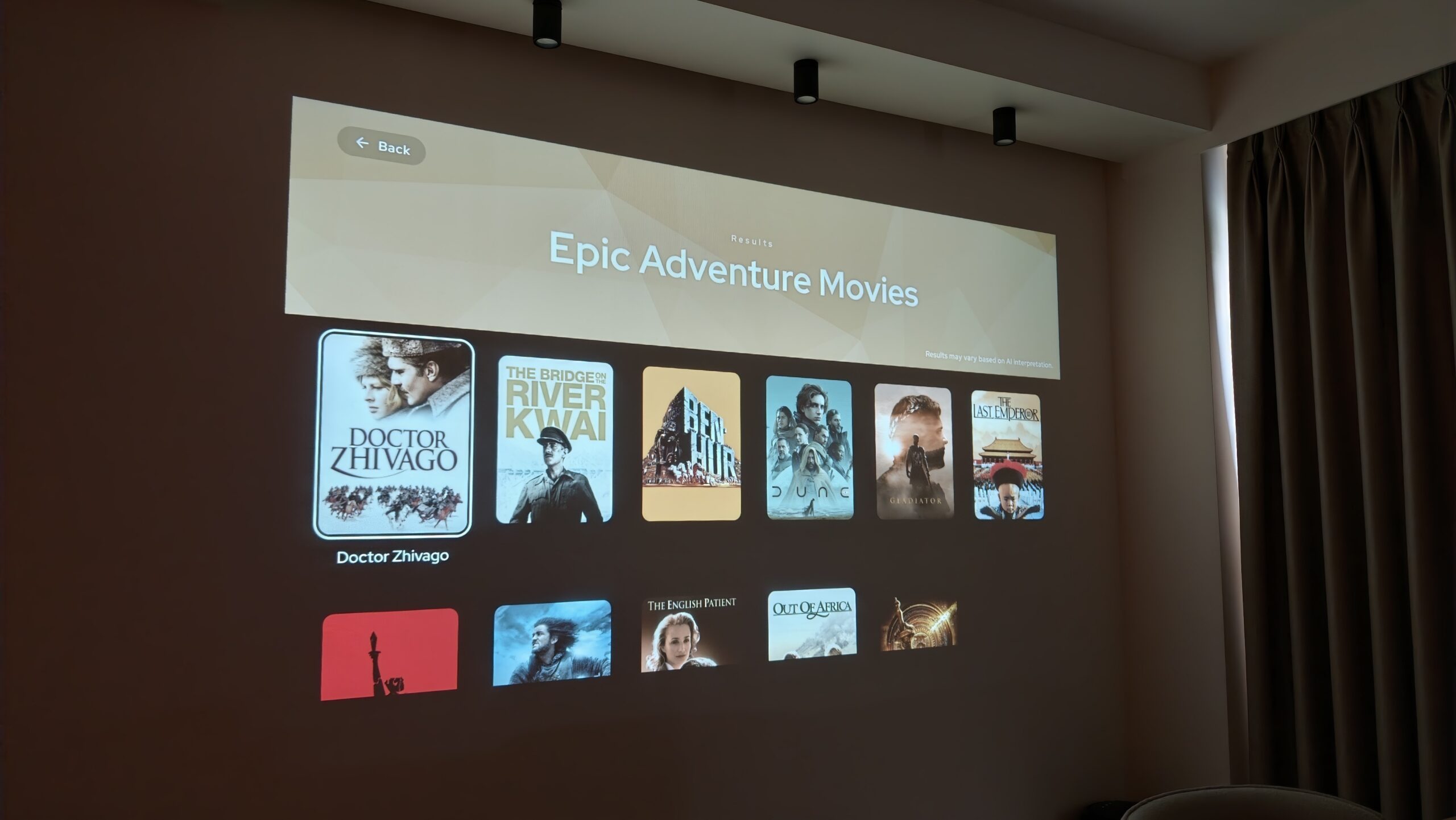
Beyond its function as a smart media launcher, Project Neo boasts a surprisingly robust recommendation engine, showcasing its true AI capabilities. During initial testing, the system demonstrated a remarkable ability to understand nuanced requests. For example, when asked for recommendations similar to the epic adventure Lawrence of Arabia, the AI intelligently suggested thematically aligned cinematic masterpieces such as Ben-Hur and The Last Emperor. This level of contextual understanding far surpasses the genre-locked recommendations prevalent on most smart TV platforms.
The practical user experience of Project Neo is notably fluid. Instead of navigating cumbersome on-screen menus, users can interact with the WhatsApp bot as they would a friend, leveraging its support for slang and abbreviated communication. Queries can range from simple requests like "trending movies" to highly complex prompts such as "find a non-obvious, neo-noir crime thriller from the ’90s with high ratings and featuring at least one Oscar-nominated actor." The system consistently delivered solid recommendations directly to the projector screen, in one instance. Furthermore, users can refine their searches with subsequent queries, for example, "filter out movies longer than 90 minutes," demonstrating a sophisticated conversational memory and filtering capability. For those who prefer speaking over typing, the bot seamlessly processes voice notes, making interaction even more natural. The functionality extends beyond cinematic content to include music videos and sports scores, though the latter currently only displays title cards with highlights, lacking the ability to jump into live matches.
Bridging the Social Media Gap: Instagram Integration
Project Neo addresses another critical disconnect in the modern living room by integrating social media links into the television experience. A significant portion of content discovery today occurs on platforms like Instagram, where users bookmark interesting films or shows through posts and reels. Often, these discoveries remain isolated within the social media app, forgotten when it comes time to choose something to watch on the big screen.
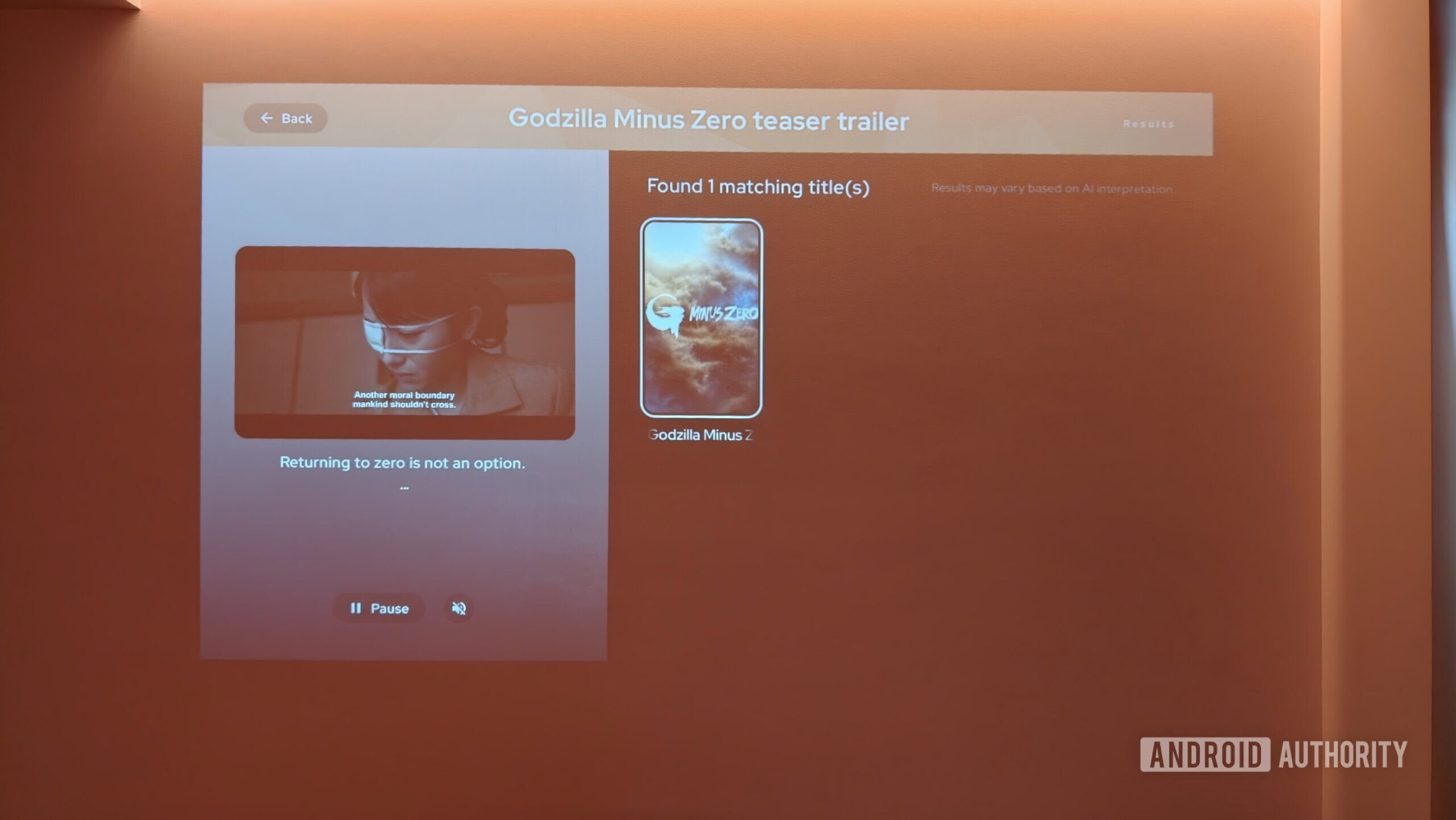
By allowing users to link their Instagram accounts, Project Neo enables a direct bridge. Forwarding an Instagram image or reel to the WhatsApp bot prompts the system to parse the request and display the recommendation directly on the TV. This feature was successfully tested with a trailer for Godzilla Minus Zero, which not only began playing on the TV but also presented a corresponding movie card, offering the option to add it to a watchlist.
This capability also provides a far superior way to share social media content on the big screen. The common scenario of wanting to share a humorous clip with friends typically involves either searching for it on YouTube (often fruitless) or awkwardly mirroring a phone screen, risking intrusive notifications. Project Neo streamlines this by allowing users to simply forward an Instagram Reel to the bot, which then plays the video through the connected Lumio projector or TV, enhancing the communal viewing experience.
Challenges and the Path Forward: An Ambitious Glimpse of the Future
Despite its groundbreaking potential, Project Neo is still in its early beta phase and presents certain limitations. While it can launch videos via many popular applications, it does not support every app, a constraint often attributed to the locked-down nature of Google TV’s ecosystem. This means users may occasionally still need to manually open the recommended movie or show within its native app. Additionally, the AI-powered bot can, on rare occasions, experience noticeable slowdowns, leading to moments of uncertainty regarding its functionality.
A significant strategic limitation is the companion app’s exclusivity to Lumio TVs and projectors. While understandable from a business perspective – Lumio aims to enhance the value proposition of its own hardware – this exclusivity is a missed opportunity for broader impact. Releasing the TLDR app on the Google Play Store could position it as a compelling differentiator for users of competing hardware, potentially driving wider adoption and recognition for Lumio’s innovative approach.
The competitive landscape also includes a formidable player: Google itself. Gemini for TV, Google’s forthcoming AI-powered experience, is poised to bring similar intelligent discovery features to all compatible televisions. The key caveat, however, is the lack of a concrete timeline for its broad availability. While Gemini for TV promises advanced AI capabilities, Project Neo’s unique WhatsApp and Instagram chat-based interface offers a distinct advantage and a true innovation that Google’s native solution does not yet offer. This particular integration is a playbook that the broader ecosystem, including Google, would do well to emulate.
Google’s Opportunity: Integrating the Conversational Future
Lumio’s Project Neo embodies the precise evolution that Google TV urgently needs to undertake. Google possesses all the necessary components – from its vast AI research and development capabilities to its widespread Android and Google TV ecosystem – to build a native experience of this kind on a scale that a smaller startup simply cannot match. Based on preliminary insights into Gemini for TV, Google appears to be moving in a similar direction regarding AI-driven recommendations.
However, if Google were to fully embrace and integrate a conversational, smartphone-linked AI discovery engine natively into the core TV experience, complete with the invaluable social media linkages demonstrated by Project Neo, it would be a profound game-changer. Such a native solution would inherently overcome the deep-linking hurdles that currently plague Project Neo and similar third-party applications, enabling the AI to not only identify a movie but also instantly initiate playback across any streaming service without manual intervention. This would effectively render traditional remotes and often-clunky voice-based interactions obsolete, or at least secondary.
Project Neo conclusively demonstrates that natural language interaction, facilitated by the ubiquity and familiarity of smartphone keyboards and messaging apps, represents the ultimate tool for effortless content discovery. As the home entertainment industry progresses, embracing this conversational, mobile-integrated future is paramount for the next generation of Google TV and smart TV platforms at large. Lumio’s bold experiment provides a compelling blueprint for a more intuitive, user-centric, and truly intelligent entertainment experience.
Related posts: