Waymo Resumes San Francisco Robotaxi Service Following Strategic Pause During Massive Citywide Power Outage

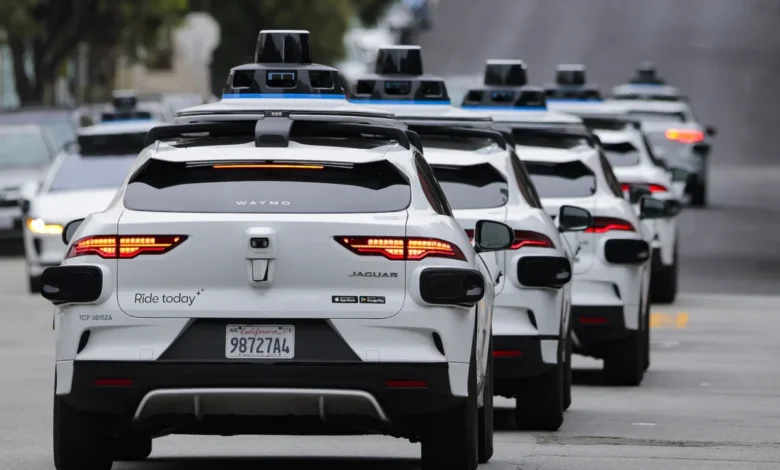
Waymo, the autonomous driving subsidiary of Alphabet Inc., officially resumed its full suite of robotaxi services in San Francisco on the afternoon of July 18, 2026, following a temporary operational suspension necessitated by a significant power outage. The disruption, which initially paralyzed several key neighborhoods across the city, prompted the company to implement "temporary adjustments" to its fleet management protocols to ensure passenger safety and mitigate potential traffic congestion. According to utility reports from Pacific Gas and Electric (PG&E), the outage affected approximately 7,000 customers, cutting power to residential blocks, commercial hubs, and critical traffic infrastructure.
The decision to halt service came as a precautionary measure after internal monitoring systems and local reports indicated that several high-traffic corridors were experiencing signal failures. Waymo communicated the suspension to its user base via its mobile application, stating that service was "temporarily paused" and specifically noting that "freeway routes are unavailable." This move highlighted the company’s cautious approach to navigating the complex urban environment of San Francisco when external infrastructure, such as smart traffic lights and street illumination, becomes unreliable.
A spokesperson for Waymo clarified the company’s position in a statement released shortly after the incident, emphasizing the priority of safety over service continuity. "We are making temporary adjustments to our service while we monitor local conditions," the spokesperson said. "We know riders depend on us, and we will return to normal operations as soon as possible." Following the restoration of service, the company added that the pause lasted approximately one hour, a duration utilized by Waymo’s operations team to assess the scale of the blackout and coordinate directly with San Francisco municipal officials.
Chronology of the Operational Disruption
The events of July 18 unfolded rapidly, testing the resilience of autonomous vehicle (AV) infrastructure in one of the world’s most densely populated testing grounds for self-driving technology.
At approximately 11:15 AM PDT, PG&E began receiving reports of localized grid failures centered around the western and central districts of San Francisco. By 11:30 AM, the number of affected customers climbed to 7,000, leading to the deactivation of several dozen traffic signals. Autonomous vehicles, which rely on a combination of onboard sensors (LiDAR, cameras, and radar) and real-time data feeds, face unique challenges when traditional traffic control mechanisms fail.
By 11:45 AM, Waymo’s centralized fleet operations center triggered a "Stage 1" alert, leading to the immediate notification of all active riders. Passengers currently in transit were safely dropped off at their destinations, while new ride requests were placed in a queue or rejected. The specific exclusion of freeway routes was a strategic decision; without functioning lighting or the ability to communicate with integrated infrastructure on off-ramps, the company deemed high-speed environments too high-risk for autonomous navigation.
At 12:15 PM, as PG&E began successfully rerouting power and restoring the grid, Waymo technicians conducted a system-wide "health check" of the fleet. After confirming that the majority of traffic signals in the service area were back online and that the vehicles’ connectivity remained stable, the company began a phased resumption of service. By 12:30 PM, the "temporarily paused" status was lifted, and the full San Francisco service area was once again accessible to the public.
Technical Implications of Infrastructure Failure on AVs
The intersection of municipal infrastructure and autonomous technology remains a focal point for engineers and urban planners. While Waymo’s "Driver" system is designed to handle "edge cases"—unpredictable events that occur on the road—a widespread power outage represents a systemic challenge.
When traffic lights lose power, California law dictates that the intersection must be treated as a four-way stop. For a human driver, this is a standard, albeit frustrating, procedure. For an autonomous vehicle, navigating a four-way stop in a high-density environment requires sophisticated multi-agent reasoning. The vehicle must not only identify that the light is out but also interpret the intentions of other human drivers who may not be adhering strictly to right-of-way laws.
Furthermore, power outages can interfere with the localized mesh networks and cellular towers that AVs use for supplemental data. While Waymo vehicles do not require a constant cloud connection to drive safely, they do require connectivity for fleet routing, real-time traffic updates, and remote assistance. If a vehicle encounters a situation it cannot resolve—a "deadlock"—it may require a remote operator to provide a new path. During a blackout, the reliability of the communication link between the vehicle and the remote assistant becomes a critical safety variable.

Historical Context and Previous Incidents
This is not the first time Waymo has had to contend with the vulnerabilities of San Francisco’s infrastructure. The company has faced a series of highly publicized incidents over the past year that have shaped its current "pause-first" safety strategy.
In December 2025, a similar blackout led to a "stalling" incident where several Waymo vehicles stopped in the middle of city streets, unable to resolve the ambiguity of darkened intersections. This resulted in significant traffic bottlenecks and required physical intervention by Waymo’s roadside assistance teams. Similarly, during the Fourth of July celebrations earlier this month, a fireworks display near the Golden Gate Bridge caused a surge in pedestrian traffic and localized signal interference, which paralyzed several robotaxis and drew sharp criticism from local emergency responders.
These recurring issues have fueled a growing debate over the readiness of autonomous fleets to operate during "major incidents," whether planned or unplanned. Critics argue that the vehicles’ tendency to "fail-safe"—stopping in place when confused—can create hazards for ambulances and fire trucks.
Political and Regulatory Reactions
The recent frequency of these disruptions has caught the attention of San Francisco’s leadership. Mayor Daniel Lurie has become an outspoken advocate for stricter oversight of the autonomous vehicle industry. Following the July 18 outage, the Mayor’s office reiterated its call for the California Public Utilities Commission (CPUC) and the Department of Motor Vehicles (DMV) to grant local authorities more control over AV operations.
"We need tougher state regulations to adequately address how autonomous vehicles operate during major incidents, planned or not," Mayor Lurie stated in a press briefing. "While we support innovation, the safety of our streets and the reliability of our emergency services cannot be secondary to a company’s testing protocols. When the power goes out, we need to know that these vehicles won’t become obstacles for our first responders."
The proposed regulations would likely include mandates for improved "emergency override" capabilities, better coordination with the city’s Department of Emergency Management, and stricter penalties for vehicles that obstruct traffic during infrastructure failures. Currently, the state of California holds primary regulatory authority over AVs, a point of contention for city officials who feel they are left to deal with the logistical fallout of operational glitches.
Analysis: The Road Toward Resilient Autonomy
The July 18 incident serves as a case study in the maturation of the AV industry. Waymo’s decision to proactively pause service—rather than attempting to "power through" the outage—suggests an evolving risk-management framework. By choosing a brief period of downtime over the risk of high-profile "stalls" or accidents, Waymo is attempting to rebuild public and political trust.
However, the event also underscores a looming question for the industry: can robotaxis truly replace human-driven ride-hailing if they are more susceptible to infrastructure failures? Human drivers for platforms like Uber and Lyft continued to operate throughout the blackout, using their intuition to navigate the darkened streets. For Waymo to achieve its goal of becoming a reliable utility, its systems must eventually reach a level of sophistication where a power outage is treated as a routine navigation task rather than a cause for service termination.
As Waymo continues to expand its footprint—with recent moves into freeway driving and expansion into additional Bay Area suburbs—the pressure to maintain 99.9% uptime will only increase. The company is reportedly investing in enhanced onboard processing to reduce reliance on external data and is working with municipal partners to integrate V2I (Vehicle-to-Infrastructure) technology that could provide redundant signaling during power failures.
Future Outlook
As of late afternoon on July 18, traffic in San Francisco had returned to its usual patterns, and PG&E confirmed that power had been restored to all affected customers. Waymo’s fleet is once again fully operational, including its newly launched freeway routes.
The industry will likely view this event as a successful demonstration of "conservative" AI safety—a pause that prevented a larger crisis. Nevertheless, for the residents of San Francisco and the regulators watching from Sacramento, the hour-long silence of the robotaxis remains a reminder of the technological hurdles that still lie ahead on the path to a fully autonomous future. The data gathered during this one-hour pause will undoubtedly be used to train future iterations of the Waymo Driver, as Alphabet continues its multi-billion dollar bet on the future of transportation.