The Best 14-Inch Laptops of 2025 Balancing Portability and High-End Performance

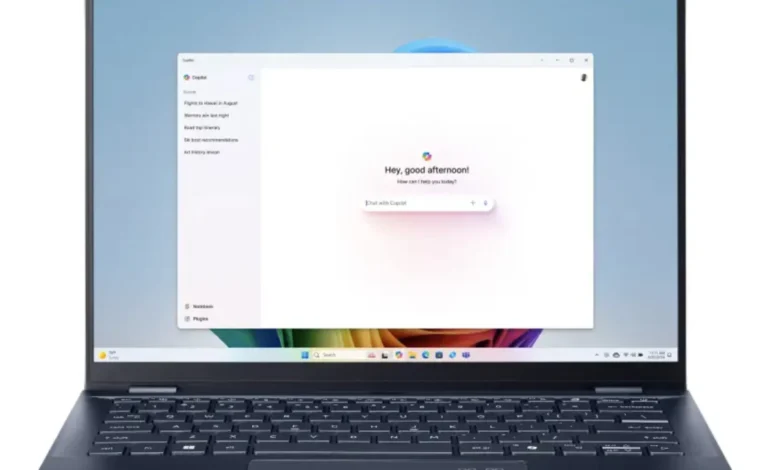
The 14-inch laptop form factor has emerged as the definitive standard for modern computing, effectively bridging the gap between the ultra-portable 13-inch devices that often struggle with thermal management and the heavier 15-inch models that prioritize power over mobility. As of 2025, the market has matured significantly, driven by advancements in silicon efficiency from Apple, Intel, and AMD. This segment is no longer a compromise; it is a primary destination for professionals, students, and gamers who demand a single, versatile machine capable of handling intensive multitasking, creative workloads, and high-fidelity gaming without the physical burden of a traditional desktop replacement.
The Evolution of the 14-Inch Standard
Since 2018, the industry has shifted away from the "bigger is better" philosophy. The rise of hybrid work environments and the increasing frequency of business travel have made weight reduction a critical design metric. Chronic muscle strain, a byproduct of carrying heavy equipment, has pushed manufacturers to innovate within the 14-inch chassis. Modern engineering has allowed for thinner bezels, leading to higher screen-to-body ratios that provide the visual real estate of older 15-inch devices in a footprint that fits comfortably in standard carry-on bags and small backpacks.
Performance Leaders: The Top Picks for 2025
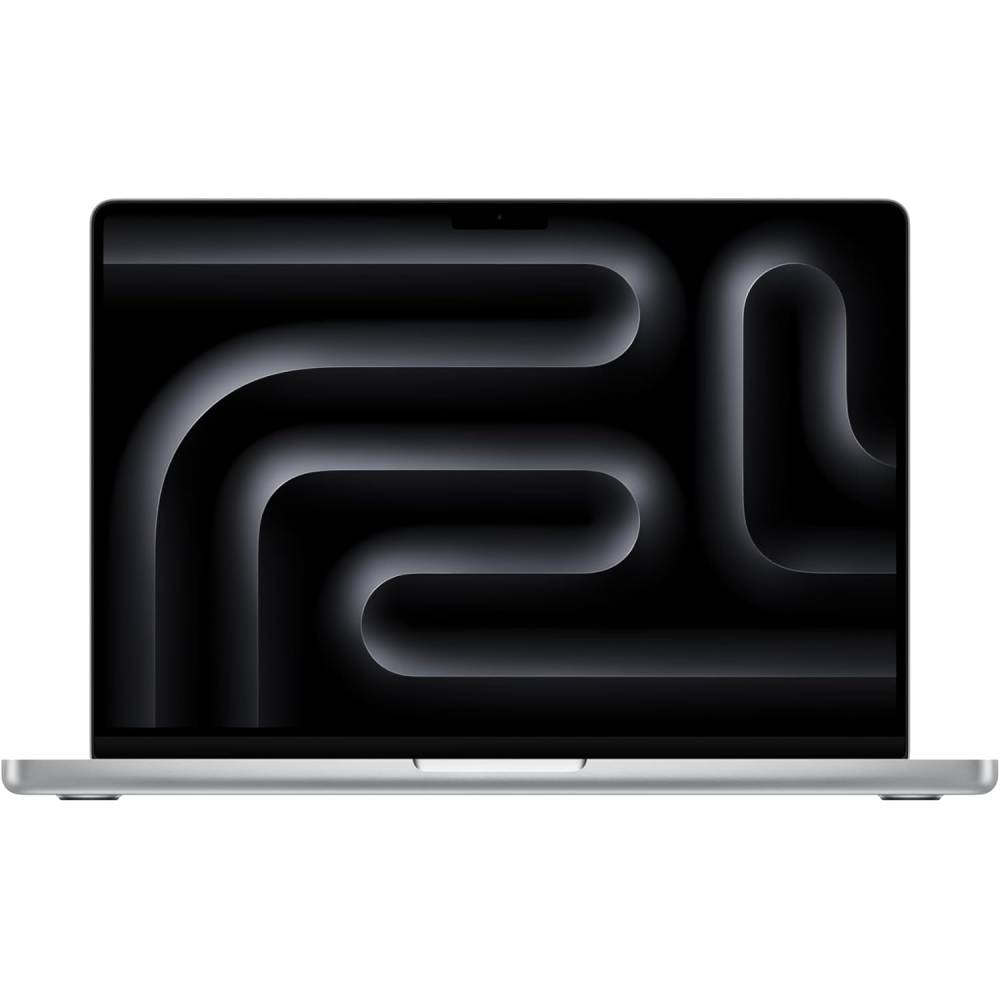
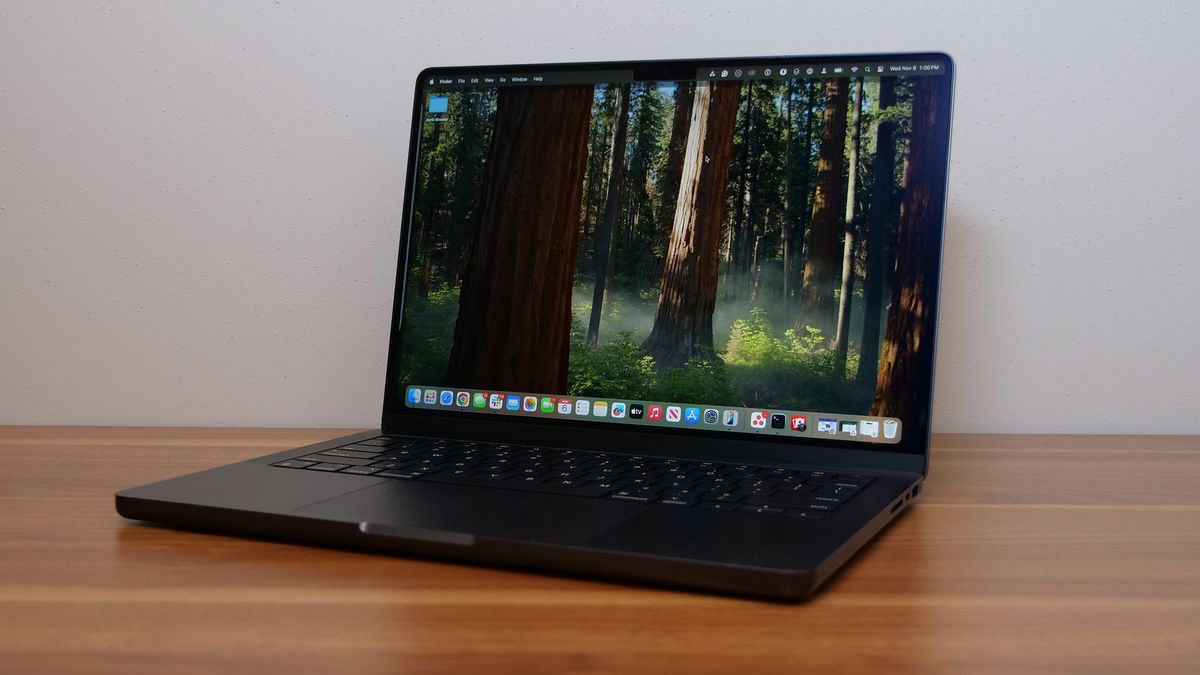
The current landscape of 14-inch laptops is dominated by devices that excel in specific, high-demand niches. According to recent testing, the Apple MacBook Pro 14 M4 remains the gold standard for power users. With the integration of the M4 silicon, the device has demonstrated a 21% performance improvement in Geekbench 6 multi-core scores compared to its M3 predecessor.
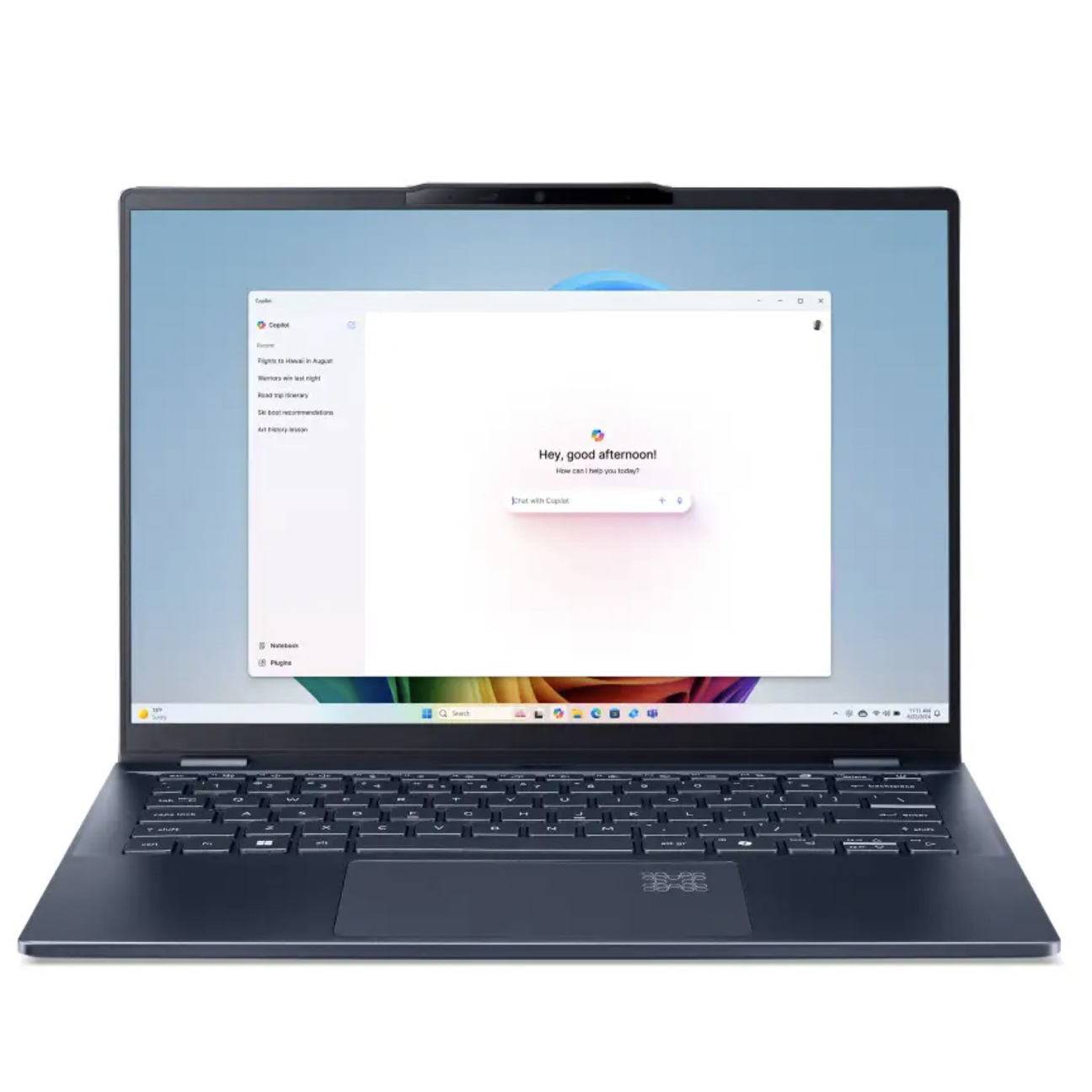
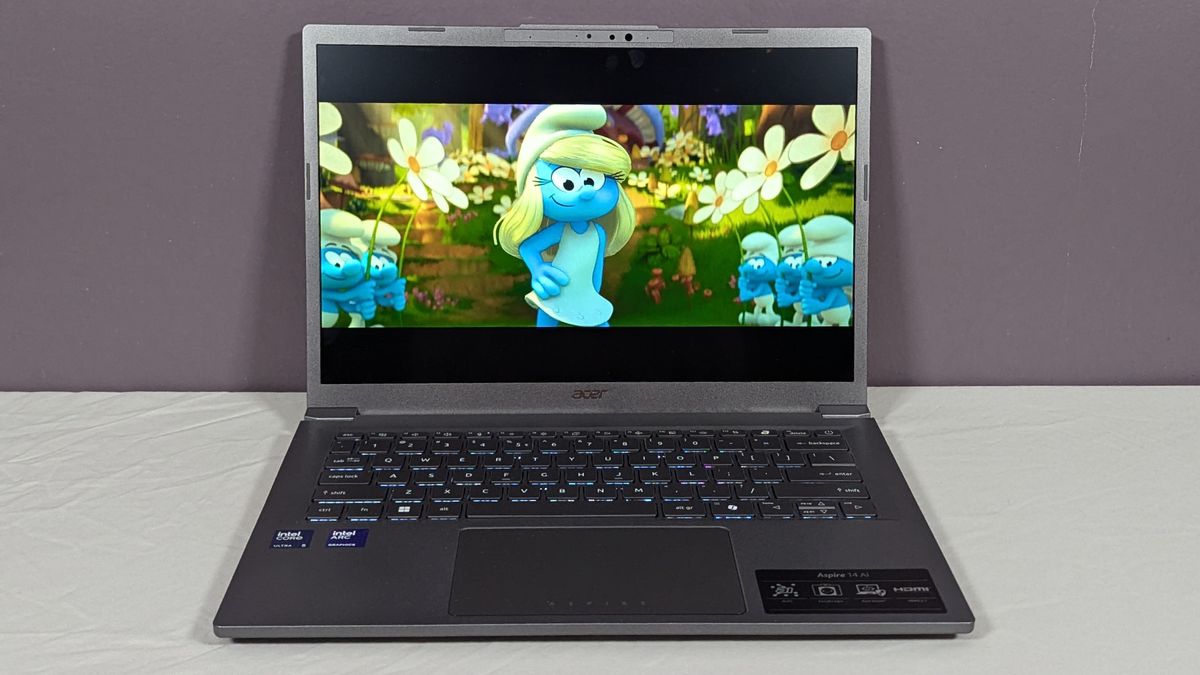
For the budget-conscious consumer, the Acer Aspire 14 AI has redefined the entry-level market. Priced at approximately $700, it challenges the notion that lower-cost machines must suffer from poor build quality. By incorporating the Intel Core Ultra 5 series, Acer has delivered a machine capable of handling intensive browser-based workflows and office productivity suites. However, consumers must note the trade-off: to maintain this price point, display quality, specifically peak brightness and color accuracy, remains the primary point of contention when compared to premium OLED alternatives.
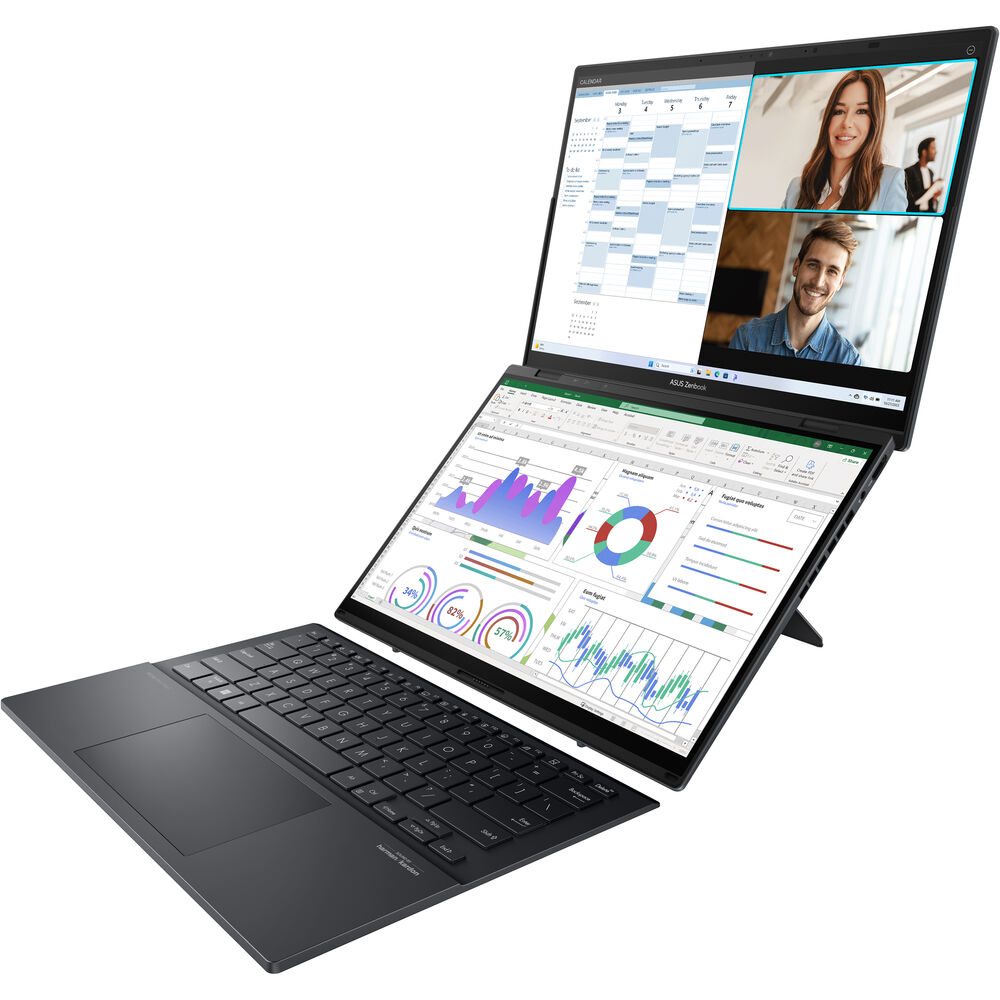
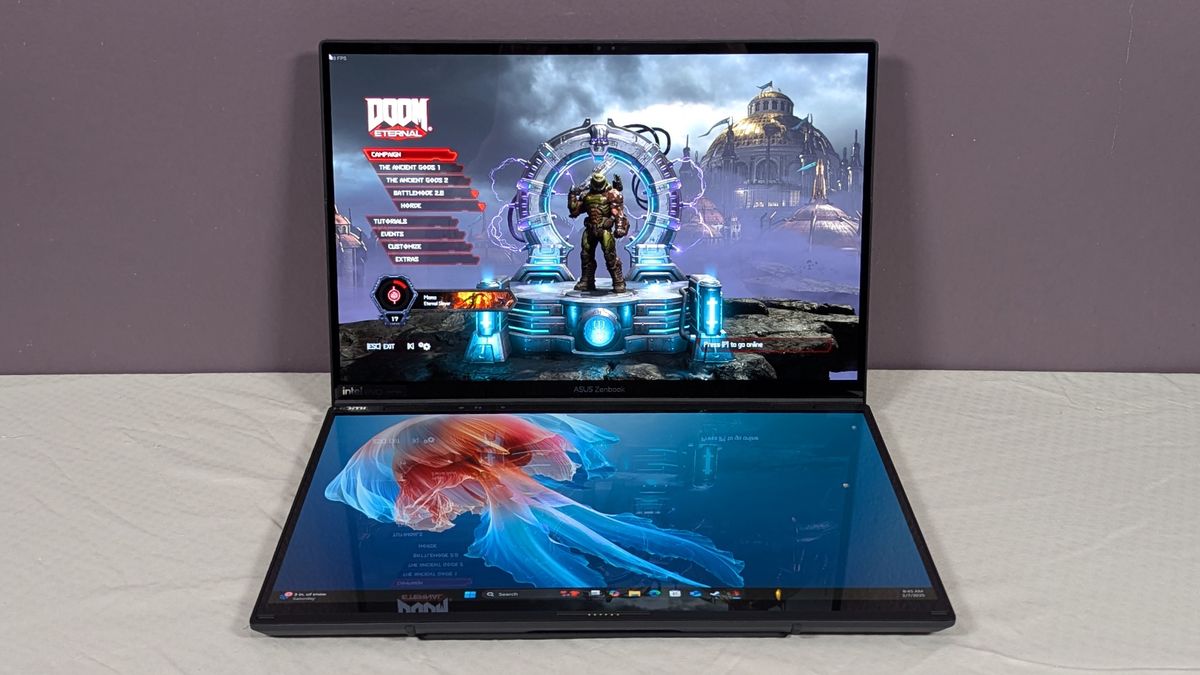
In the specialized category of multi-monitor workflows, the Asus Zenbook Duo (2025) has set a new benchmark. By utilizing a dual-OLED panel design, it provides an expansive, 120Hz visual experience that was previously impossible to achieve on a portable machine. While this creates a unique power demand, resulting in a battery life of approximately 6 to 8.5 hours depending on usage, the productivity gains for power users—such as coders and financial analysts—are substantial.
Technical Benchmarks and Comparative Analysis
The data collected throughout the first quarter of 2025 reveals distinct performance tiers. The Apple MacBook Pro 14 M4 leads the category with a benchmark score of 15,114 in Geekbench 6, significantly outpacing the Intel-based competition in raw processing efficiency. Notably, the battery longevity of the M4 architecture, which reached over 18 hours in continuous web-surfing simulations, remains largely unrivaled.
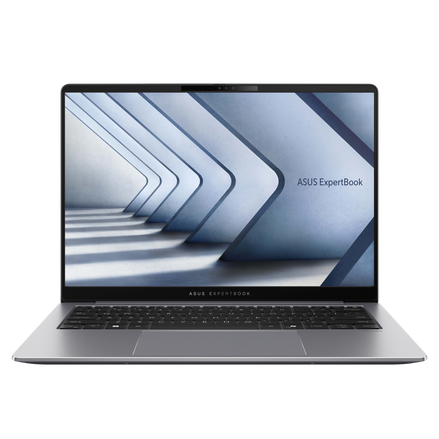
Conversely, the Windows-based segment is showing significant gains in thermal management and port variety. The Asus ExpertBook P5, designed specifically for enterprise environments, stands out for its cooling capabilities. In rigorous thermal testing, the P5 maintained surface temperatures well below the 95-degree Fahrenheit discomfort threshold, a feat that eludes many thinner ultrabooks. This thermal overhead allows for consistent performance during long-duration tasks like video conferencing while running multiple background applications.
Gaming in a Compact Chassis
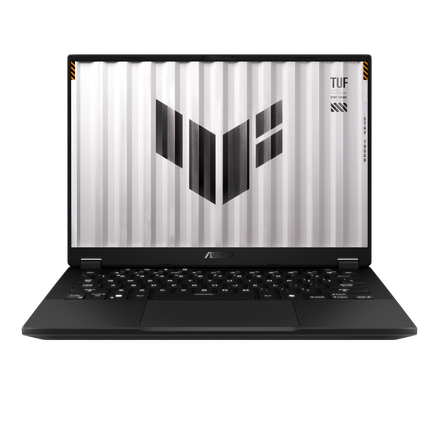
Historically, 14-inch laptops were dismissed as incapable of serious gaming due to thermal throttling. The release of the Asus TUF Gaming A14 has effectively dismantled this stigma. By pairing the Nvidia GeForce RTX 4060 with an efficient AMD Ryzen 7 8845HS processor, the device achieves an average of 63 frames per second on medium settings at 1080p in demanding titles such as Red Dead Redemption 2. Crucially, the TUF Gaming A14 offers roughly 10 hours of battery life—doubling the industry average for gaming hardware. This suggests a shift in manufacturing priorities, where efficiency is finally being valued as highly as raw frame rates.

Market Implications and Future Outlook
The proliferation of these devices signals a broader trend: the "death of the compromise." Manufacturers are moving away from proprietary, limited-feature sets and toward universal standards. The integration of AI-ready processors, such as the Intel Core Ultra 200V series, is standardizing performance across the board.
However, industry analysts suggest that the next frontier for 14-inch devices is the display technology. While OLED panels have become the preferred choice for their high contrast ratios and inky blacks, they often struggle with peak brightness in direct sunlight. As of 2025, the industry is seeing a transition toward tandem-OLED and mini-LED configurations to combat glare and improve longevity, though these advancements currently carry a price premium.
How to Choose Your Next Device
When selecting a 14-inch laptop, the decision matrix should prioritize usage patterns over raw specifications:
- Workload Requirements: If the user requires intensive video rendering or high-end creative software, the M4-powered Apple silicon remains the most efficient choice due to its performance-per-watt ratio.
- Multitasking Needs: For professionals who frequently present or manage complex data sets, the dual-screen configuration of the Asus Zenbook Duo offers a tangible workflow advantage that standard clamshell designs cannot replicate.
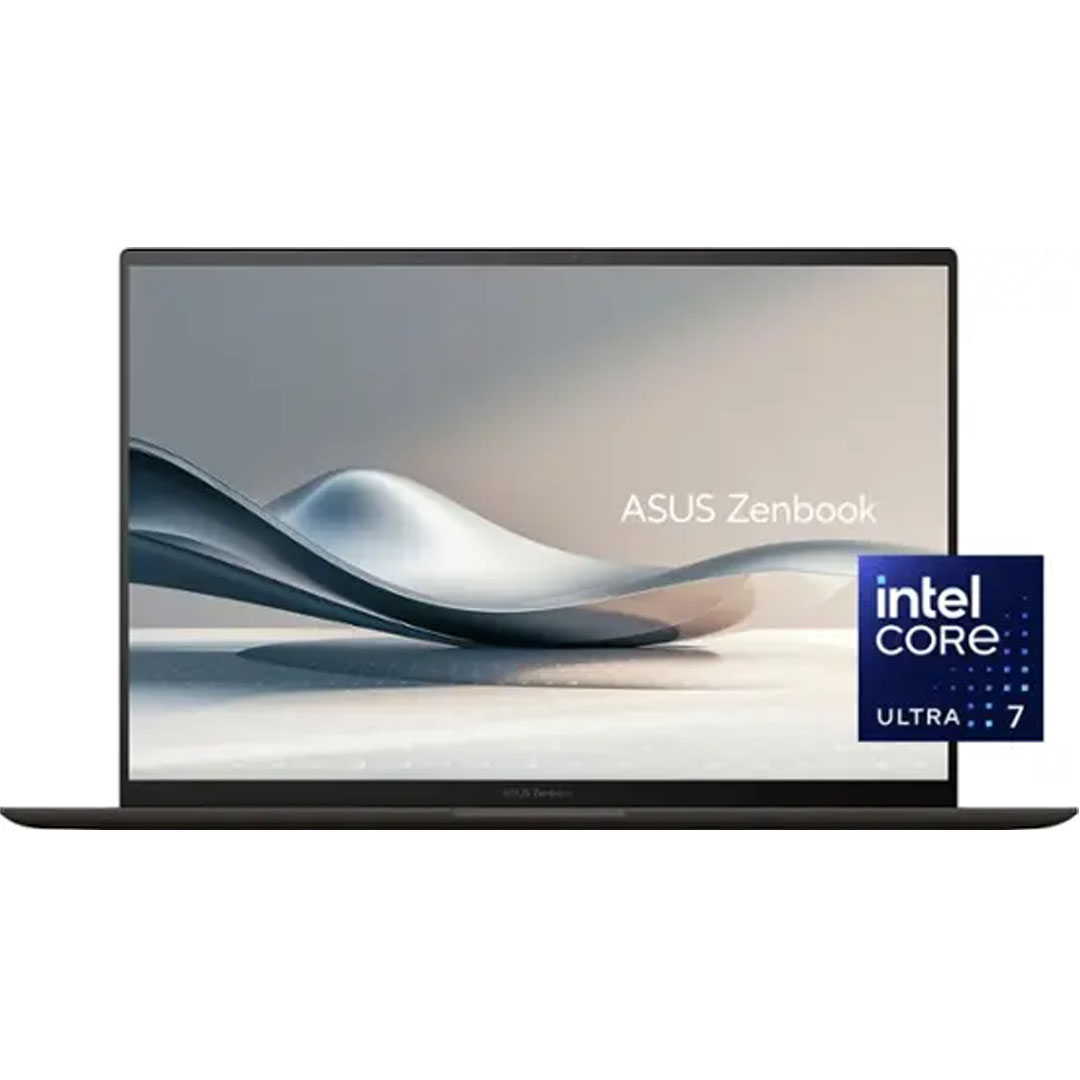
- Portability vs. Power: Users who travel extensively should prioritize devices like the Asus Zenbook S 14, which, despite a thinner chassis, utilizes Lunar Lake architecture to maintain nearly 14 hours of battery life.
- The "Lap" Test: Many ultra-thin laptops sacrifice thermal management for aesthetics. Business-focused models, such as the ExpertBook P5, are engineered with enterprise-grade cooling, making them the superior choice for users who frequently work away from a desk.
Conclusion: A Maturing Market
The 14-inch laptop segment has reached a state of relative maturity. Whether the priority is the sustained performance of the MacBook Pro, the value-to-performance ratio of the Acer Aspire, or the gaming capability of the TUF series, the market offers a refined selection that caters to almost every professional and personal requirement. As component efficiency continues to rise, the divide between portable devices and high-performance workstations will likely continue to shrink, leaving the 14-inch form factor as the undisputed king of modern, mobile computing.