Honor 700 Series Teased With Innovative Rear Display and Advanced Health Tracking Features Ahead of China Launch

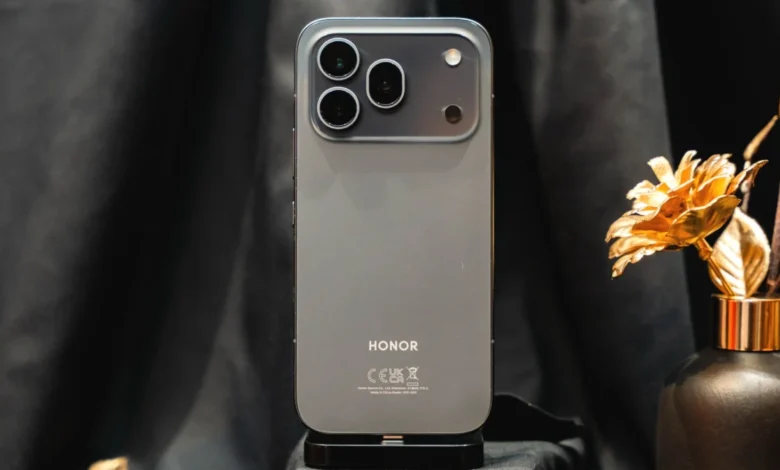
Honor is once again capturing the attention of the global smartphone community with the rollout of its official teaser campaign for the upcoming Honor 700 series. Scheduled for an official debut on November 13 in China, the new lineup follows closely on the heels of the Honor 600 series, which made its market entry earlier this year in April. While the prior generation focused heavily on refining mid-range performance, upgraded artificial intelligence capabilities, and flagship-grade camera sensors, the forthcoming Honor 700 series is introducing a striking aesthetic and functional shift. Prominent industry leaks and official promotional material indicate that Honor is implementing a secondary rear display—a design philosophy reminiscent of select devices from competitors like Xiaomi—while embedding unexpected health-monitoring capabilities directly into the secondary screen setup.
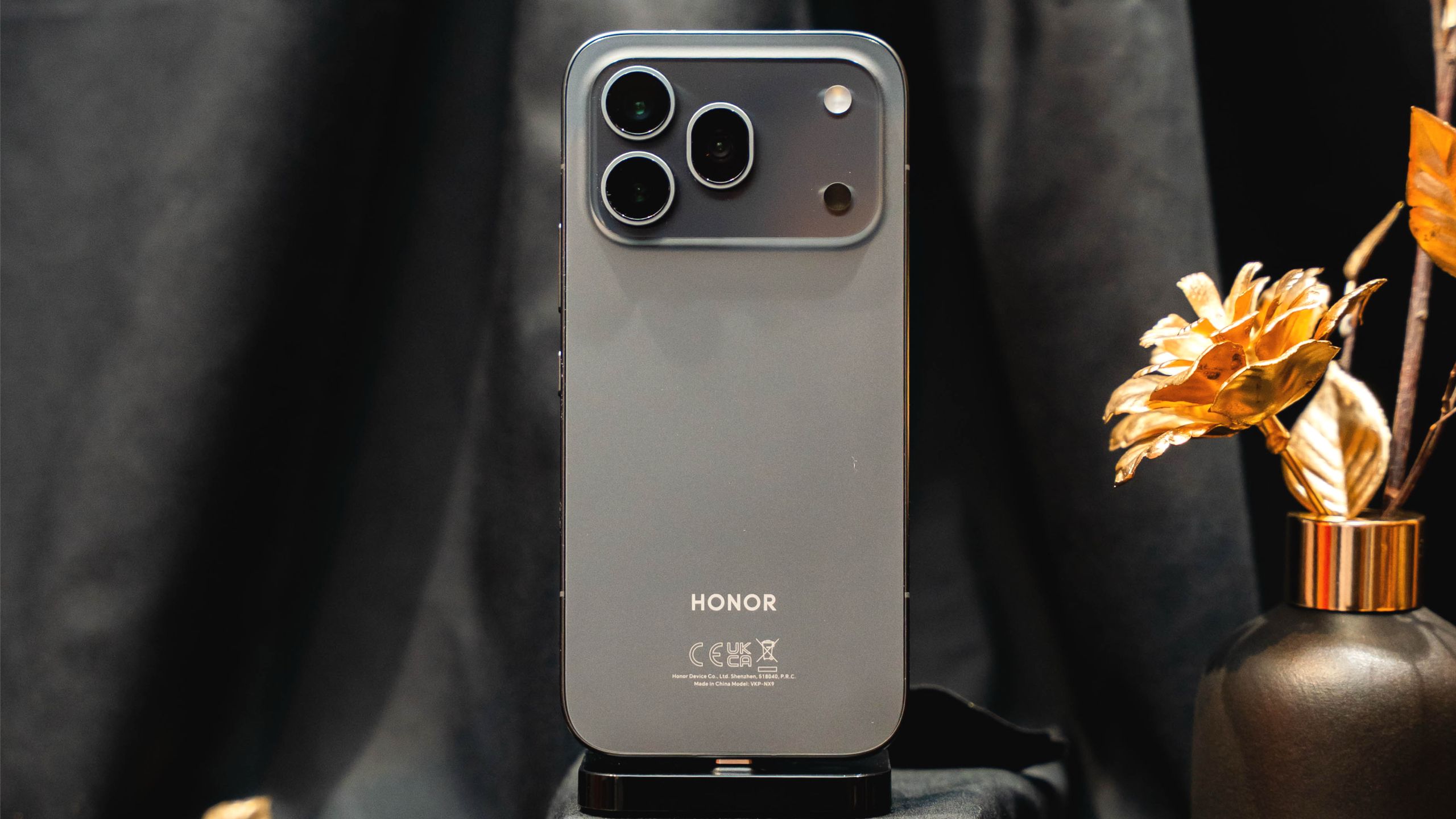
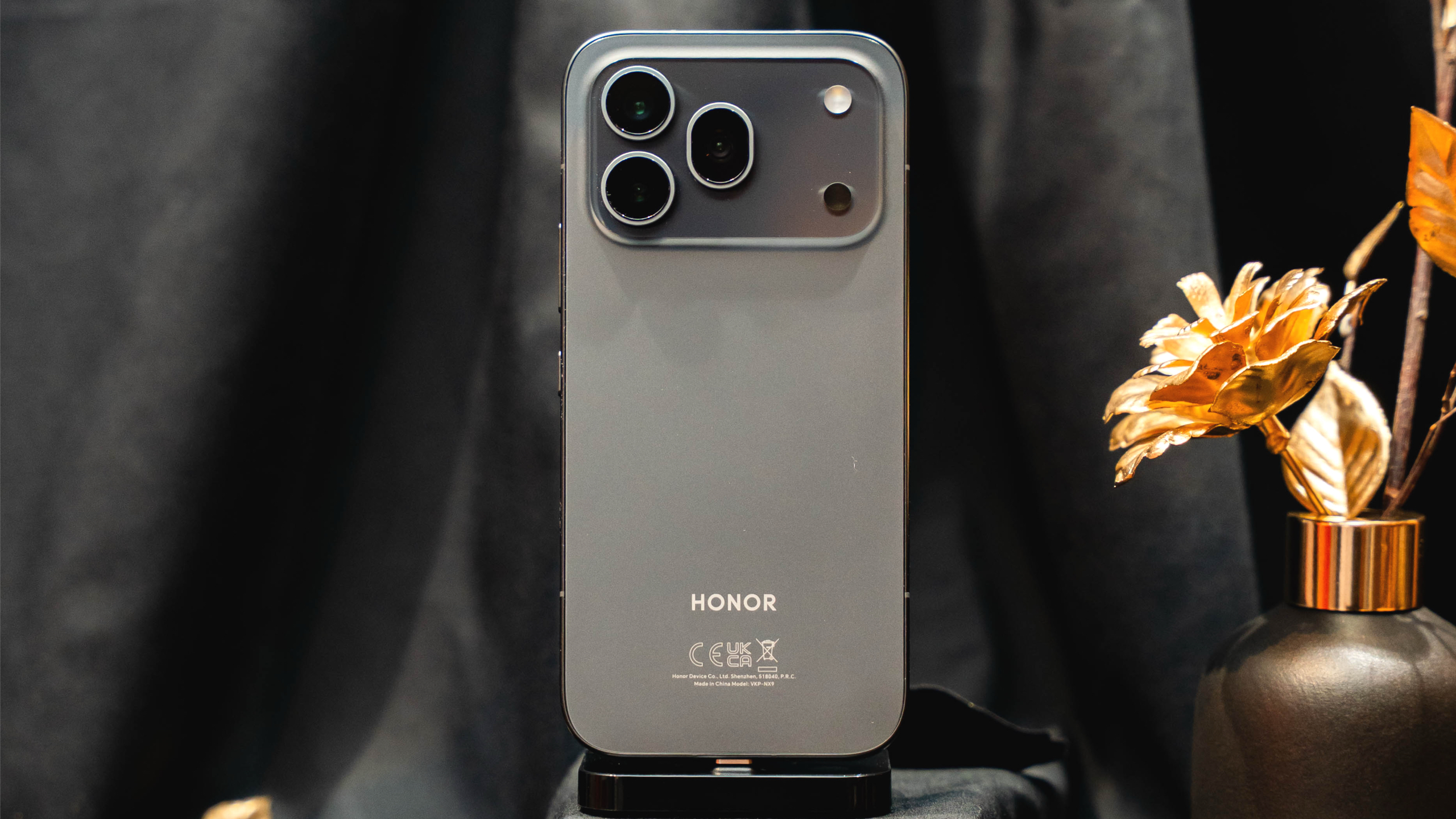
The emergence of these details began on Weibo, where renowned supply chain tipster Digital Chat Station (DCS) shared early specifications regarding the core architecture of the Honor 700. According to the leaks, the base device is anticipated to feature a compact yet expansive 6.5-inch display framed by extremely narrow bezels. However, the focal point of the discussion centers entirely on the compact auxiliary screen situated on the rear chassis. While rear-mounted secondary screens have occasionally appeared on ultra-premium flagship devices to assist with selfies, display basic notifications, or run lightweight widgets, Honor’s integration aims to bridge the gap between smartphone utility and wearable health technology.
Official teaser materials released by Honor demonstrate the rear display rendering biometric data, specifically highlighting real-time heart rate monitoring measured in beats per minute (BPM) alongside blood oxygen saturation levels. While the company has yet to release a comprehensive white paper detailing the underlying hardware mechanics, industry analysts and technology publications suggest that an in-display optical sensor array embedded beneath the rear panel is utilized to capture these vital statistics. This methodology draws parallel comparisons to the photoplethysmography (PPG) sensors conventionally found on the underside of smartwatches and fitness trackers, marking an unusual crossover between mobile telecommunications and personal wellness tracking.
Chronology and Rapid Product Iteration
The development timeline leading up to the Honor 700 launch highlights an increasingly aggressive release cadence typical of modern smartphone manufacturers operating within highly competitive Asian markets. In April, Honor introduced the Honor 600 and Honor 600 Pro, devices that garnered mixed reviews for striking a balance between cost and performance. The Honor 600 Pro notably featured Qualcomm’s powerful Snapdragon 8 Elite system-on-chip (SoC), while its standard sibling adopted the mid-tier Snapdragon 7 Gen 4 processor. Both models sported a versatile camera array anchored by a 200-megapixel primary sensor and a 12-megapixel ultrawide lens, with the Pro variant adding a dedicated 50-megapixel telephoto lens to its repertoire.
Despite the relative freshness of the 600 series, Honor’s decision to fast-track the 700 series underscores the rapid evolution of mid-range and upper-mid-range device categories. Industry trackers have confirmed that the upcoming lineup will consist of at least three distinct iterations: the standard Honor 700, the Honor 700 Pro, and a specialized Honor 700S variant. Although exact hardware specifications across all three models remain unverified pending the official November 13 announcement, leaks suggest that Honor will continue to leverage high-resolution imaging technology, with a 200-megapixel primary camera expected to anchor the photographic capabilities of the higher-tier configurations.
Feature Set and Rear Screen Utility
Beyond the notable health-tracking integration, early reports indicate that the secondary rear display on the Honor 700 series will serve multiple functional purposes designed to enhance user convenience. Digital Chat Station’s reports indicate that the mini-screen will support dynamic notifications, allowing users to glance at incoming alerts, message previews, and system status updates without waking the primary display. Furthermore, the interface is expected to accommodate lightweight interactive features, including mini-games tailored for the constrained screen real estate, and what sources have translated as an "industry-exclusive" software feature.
The inclusion of biometric tracking on a secondary smartphone screen represents a calculated effort to differentiate Honor’s hardware in a saturated marketplace where incremental hardware upgrades often fail to capture consumer interest. By moving wellness tracking traditionally reserved for dedicated wearables directly onto the exterior shell of a smartphone, Honor is exploring new paradigms for user interaction. Nevertheless, technology critics emphasize that the efficacy, accuracy, and practical utility of a rear-screen health monitor will face rigorous scrutiny from consumers and reviewers alike once physical units become available for testing.
Market Implications and Economic Realities
The launch of the Honor 700 series arrives at a complex juncture for the global consumer electronics industry. Supply chain dynamics, fluctuating component costs, and broader macroeconomic pressures—particularly ongoing market fluctuations affecting dynamic RAM and internal flash memory storage—have introduced significant pricing volatility. Analysts note that while mid-range devices traditionally offer compelling price-to-performance ratios, manufacturing cost increases could complicate pricing strategies for brands aiming to maintain aggressive market share against domestic rivals such as Huawei, Xiaomi, and Vivo.
Furthermore, the rapid transition from the 600 series to the 700 series raises questions regarding software support lifecycles, consumer fatigue, and brand positioning. While tech enthusiasts often welcome rapid innovation, mainstream consumers may find frequent generational refreshes disorienting, particularly if generational performance deltas are marginal. The success of the Honor 700 series will therefore rely heavily on whether the real-world performance of its unique rear display and health-tracking features justifies the hardware investment, rather than serving merely as a short-lived marketing novelty.
Outlook and Official Unveiling
As the industry prepares for the formal unveiling on November 13 in China, attention remains focused on official confirmations regarding regional availability, pricing structures, and comprehensive technical specifications. While initial teasers have provided a clear glimpse into Honor’s design ambitions and hardware experimentation, the broader international rollout strategy remains to be determined. As consumer health integration becomes an increasingly vital battleground across personal technology ecosystems, the performance of the Honor 700 series may set a new precedent for how auxiliary hardware displays are utilized in future smartphone engineering.