Motorola Prepared to Revive Moto One Smartphone Series After Nearly a Five-Year Hiatus

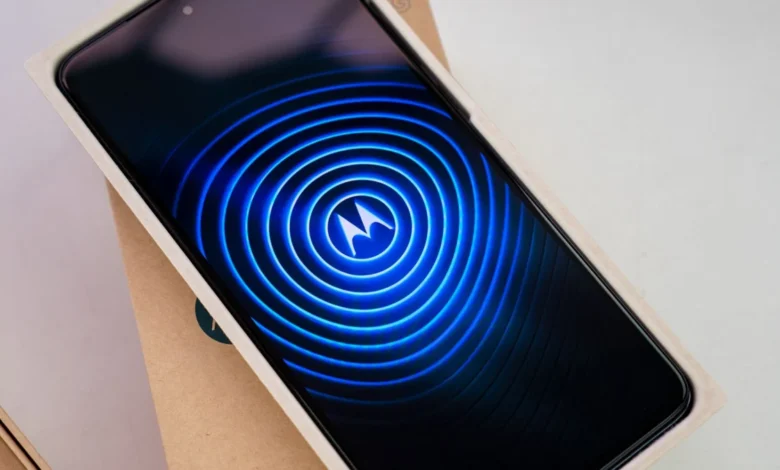
Motorola is quietly preparing to breathe new life into one of its most recognizable mid-range smartphone families. Nearly five years after the brand phased out its Android One-affiliated lineup, industry leaks and official regulatory filings indicate that the Moto One moniker is staging a remarkable comeback. While executive attention and consumer anticipation have largely centered on upcoming hardware flagships—such as the ambitious Motorola Signature 27 and its touted support for privacy-focused GrapheneOS—behind-the-scenes developments suggest a parallel push to capture the competitive upper-mid-range market.
The revelation first materialized through a public compliance listing on the Wireless Power Consortium (WPC) database. This regulatory discovery has reignited discussions regarding Motorola’s mobile product strategy, pointing toward a device that marries contemporary flagship-tier performance indicators with the accessible design language that historically defined the Moto One family. As mobile manufacturers increasingly seek to differentiate their portfolios amid flattening hardware upgrade cycles, the return of a legacy sub-brand could serve as a vital tactical asset for Lenovo-owned Motorola.
A Brief History of the Moto One Lineup
To understand the significance of this impending revival, one must examine the origins of the Moto One series. Introduced to the global market in 2018, the Moto One lineup was conceived as Motorola’s primary vehicle for Google’s Android One program. During an era when Android fragmentation was a severe pain point for consumers, Android One promised a clean, near-stock software user interface devoid of excessive bloatware, paired with guaranteed, timely security patches and OS upgrades directly coordinated with Google.
The initial strategy resonated well with budget-conscious buyers and tech enthusiasts who preferred the streamlined software experience of Google’s Nexus and Pixel devices but required more diverse hardware form factors and lower price points. Over subsequent years, Motorola expanded the family into various specialized iterations, including the Moto One Vision, Moto One Action, Moto One Zoom, and the macro-focused Moto One Macro. Each model attempted to democratize emerging camera and display trends, such as punch-hole cameras, ultra-wide action videography lenses, and optical zoom capabilities, within a mid-range pricing tier.
However, as Google shifted its own software focus and manufacturers increasingly developed proprietary user interfaces that offered better brand differentiation, the Android One initiative quietly lost momentum across the industry. Motorola phased out the Moto One nomenclature by late 2020 and early 2021, pivoting instead toward expanding its primary Moto G and Edge families. The reappearance of the brand in late 2025/early 2026 suggests that Motorola may now repurpose the "One" moniker not for software exclusivity, but as a distinct tier for premium-adjacent hardware that sits comfortably below its highest-end flagships.
Decoding the Wireless Power Consortium Leak
The primary evidence supporting the revival of the Moto One series stems from a recently uncovered product entry within the Wireless Power Consortium (WPC) database. Spotted initially by industry publication Notebookcheck, the regulatory filing provides both technical specifications and visual assets of the unreleased smartphone.
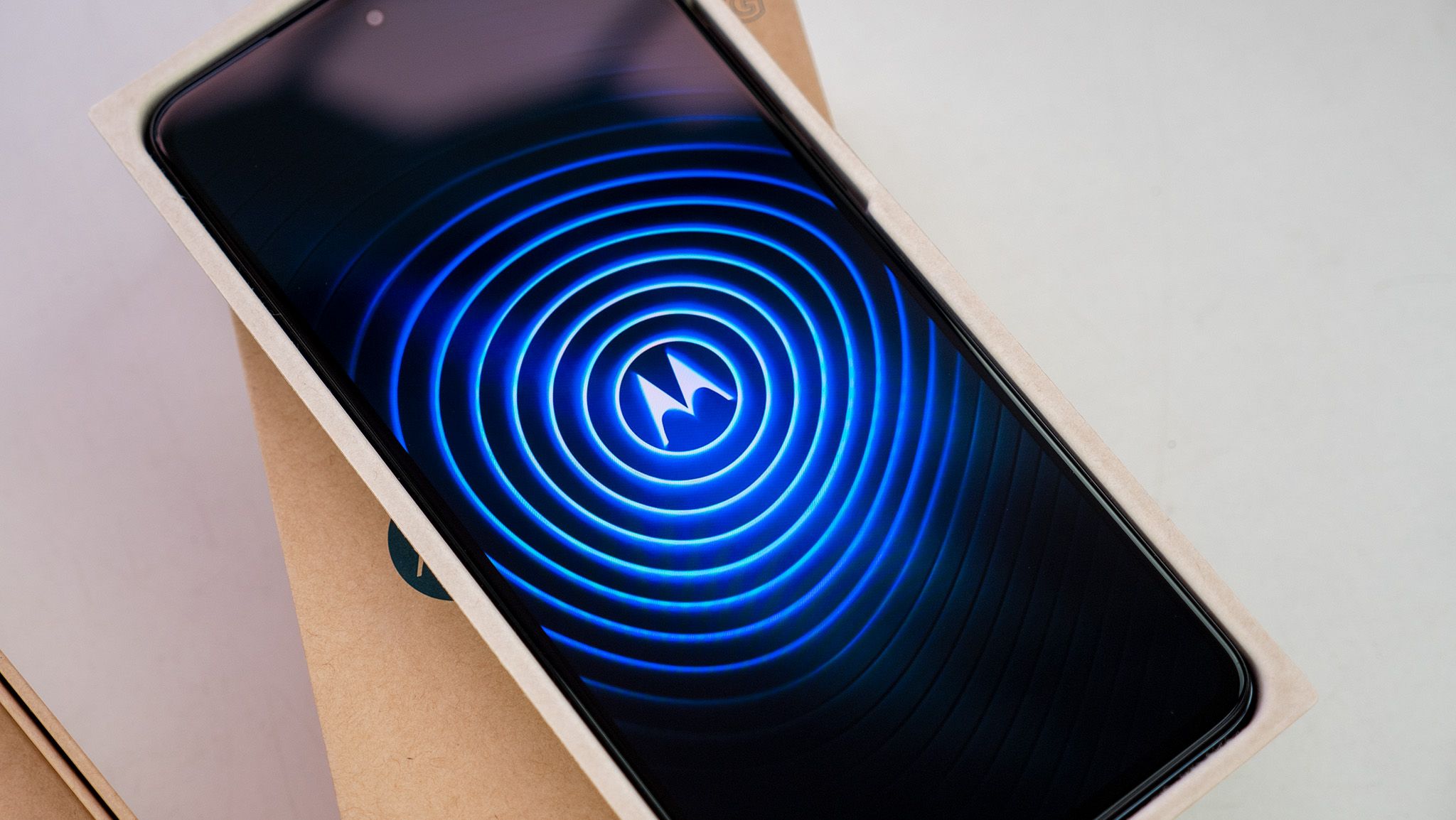
The accompanying product imagery reveals an aesthetic language heavily reminiscent of Motorola’s contemporary design philosophy, specifically drawing comparisons to the Motorola Edge series from 2025. The device showcased in the WPC listing features subtly curved display glass along the left and right margins, contributing to a sleek, ergonomic profile. In the upper-left quadrant of the rear chassis sits Motorola’s familiar, squared camera housing, housing a robust triple-lens array.
Beyond its exterior design, the WPC documentation highlights a notable inclusion regarding its charging capabilities: the device features native support for Qi2 wireless charging. However, a closer examination of the certification reveals a specific technical caveat. The Moto One utilizes the Qi2 Extended Power Profile (EPP) rather than the Magnetic Power Profile (MPP).
Practical Implications of the Qi2 EPP Implementation
The distinction between Qi2 MPP and EPP carries significant practical implications for everyday users. The Magnetic Power Profile incorporates built-in magnetic alignment rings—similar to Apple’s MagSafe technology—allowing accessories like wireless power banks, wallets, and desktop stands to snap securely onto the rear of the device.
Because the newly leaked Moto One relies solely on the Extended Power Profile variant of Qi2, the smartphone will not feature integrated internal magnets for direct magnetic accessory attachment. This architectural decision places Motorola’s upcoming device in the same category as several high-profile competitors, such as Samsung’s flagship Galaxy smartphone lineup, which supports advanced wireless charging standards without native magnetic alignment. Consequently, users wishing to utilize magnetic charging pucks or mounts with the Moto One will likely need to rely on specialized third-party protective cases equipped with embedded alignment magnets.
Hardware Specifications and Processing Power
While the WPC database focuses primarily on power transmission and charging certifications, supplementary leaks concerning the internal architecture of the device have begun to paint a clearer picture of its performance capabilities.
According to supply chain leaks and insider reports, the resurrected Moto One is slated to house a Qualcomm Snapdragon 8 Gen 5 chipset. While Qualcomm’s top-tier silicon typically commands absolute flagship status upon release, utilizing a high-end processor from a preceding generation allows manufacturers like Motorola to deliver exceptional computational throughput, advanced artificial intelligence processing, and robust gaming capabilities at a more palatable price point.
The processor is expected to be paired with substantial memory configurations, with leaks pointing to variants offering up to 12GB of RAM. Such specifications would position the new Moto One firmly in the "flagship killer" or upper-mid-range bracket, allowing it to handle intensive multitasking, demanding mobile games, and on-device generative AI tasks without demanding the premium pricing associated with ultra-premium flagships like the Motorola Signature 27 or competing devices from Apple and Samsung.

Timeline and Official Silence from Motorola
As is standard industry practice, Motorola has thus far declined to issue official statements confirming or denying the revival of the Moto One brand, nor has the company published an official product roadmap or release schedule for the device.
Nevertheless, historical industry patterns indicate that hardware appearances in global regulatory databases—such as the WPC, the Federal Communications Commission (FCC), and Bluetooth SIG—typically occur in the final stages of pre-production, just weeks or months before a commercial announcement. The presence of formal marketing imagery and finalized charging specifications within the WPC portal strongly suggests that the device has cleared major compliance hurdles.
Market Analysis and Strategic Implications
The decision to resurrect the Moto One brand reflects a broader recalibration within the smartphone industry. As the boundary between mid-range and flagship devices continues to blur, manufacturers are searching for nomenclature that can effectively communicate value, reliability, and specific product pillars to consumers who may be fatigued by increasingly complex alphanumeric naming schemes (such as long strings of numbers and suffixes).
For Motorola, reviving the Moto One series offers a strategic opportunity to segment its catalog more clearly. While the Moto G series continues to dominate the budget and lower-mid-range volume sectors, and the Edge and Signature lines occupy the apex of innovation and luxury, a revitalized Moto One could carve out a dedicated space for performance-driven devices that prioritize refined ergonomics, clean software execution, and competitive pricing.
However, challenges remain. The upper-mid-range segment is fiercely contested by aggressive competitors, particularly from fast-moving Chinese manufacturers offering rapid charging speeds, aggressive pricing, and high-end sensor suites. To succeed, Motorola will need to ensure that the new Moto One offers compelling value propositions beyond mere nostalgia for the original 2018 Android One initiative.
As the year progresses, technology analysts expect further regulatory filings to shed light on regional availability, pricing tiers, and official launch dates. Until then, the sudden appearance of the Moto One in global compliance databases signals that Motorola is aggressively preparing to expand its footprint across multiple price tiers, offering consumers more diverse choices in an increasingly consolidated marketplace.
Related posts: