The evolution of the Chromebook has been one of the most significant shifts in the personal computing landscape over the last decade and a half. Since the platform’s humble debut in June 2011, when the first devices were little more than browser-based terminals designed for basic web tasks, Chromebooks have matured into sophisticated, versatile machines that rival traditional Windows laptops and Apple MacBooks in design, build quality, and raw processing power. In 2025, the market is defined by a newfound focus on premium hardware, integration with generative AI, and a diversified range of devices that cater to everyone from elementary students to power-user professionals.

The transformation of the ChromeOS ecosystem reached a pivotal inflection point in October 2023 with the introduction of the "Chromebook Plus" initiative. This certification program mandated higher hardware standards, including improved processors—ranging from Intel’s 13th Generation chips to the newer Core 100 series—and increased baseline RAM and storage. This move was a strategic response to the shifting demands of the modern workplace, where users require machines capable of handling multitasking, cloud-based office suites, and the increasing compute demands of local and cloud-based AI tools.
A Chronology of the ChromeOS Transformation
The journey of the Chromebook began as a bold experiment by Google to simplify computing. In 2011, the first devices were met with skepticism, viewed primarily as "netbooks" that lacked the offline capabilities necessary for serious productivity. However, Google’s iterative approach to software updates gradually bridged the gap. By 2017, the integration of the Google Play Store brought millions of Android applications to the platform, significantly expanding the utility of the hardware.
The global shift toward remote work and distance learning between 2020 and 2022 accelerated the adoption of Chromebooks. During this period, manufacturers expanded their portfolios, moving away from cheap plastic builds toward aluminum chassis, high-resolution touchscreens, and 2-in-1 convertible form factors. By mid-2025, the release of the "Chromebook Plus" standard solidified the platform’s position, ensuring that even mid-range devices met stringent performance benchmarks, effectively eliminating the "sluggish" reputation that plagued early-generation models.
Top-Tier Hardware for 2025: Analyzing the Market Leaders
Current industry analysis suggests that the consumer demand for Chromebooks has split into distinct segments: ultra-premium productivity machines, durable education-focused tablets, and gaming-centric hardware.
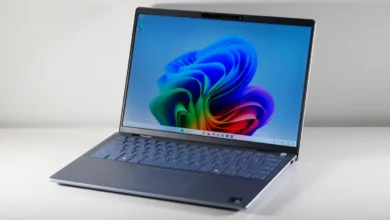
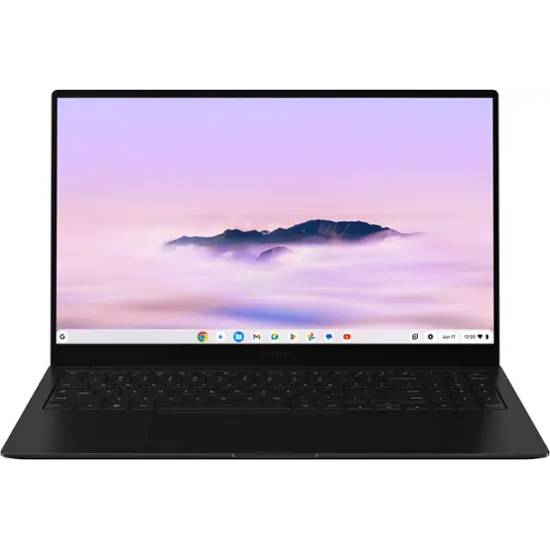
The Samsung Galaxy Chromebook Plus currently leads the market for general-purpose users. Featuring an Intel Core 3 100U processor and a vibrant 15.6-inch AMOLED display, this device exemplifies the modern premium Chromebook. It provides a tactile, high-end experience that challenges the assumption that ChromeOS is reserved for entry-level hardware. The inclusion of the "Quick Insert" button—a dedicated hardware key for AI-driven text and image generation tools—highlights Google’s commitment to making Gemini AI an integral part of the user experience.
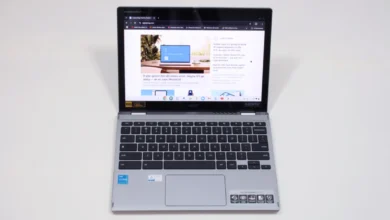
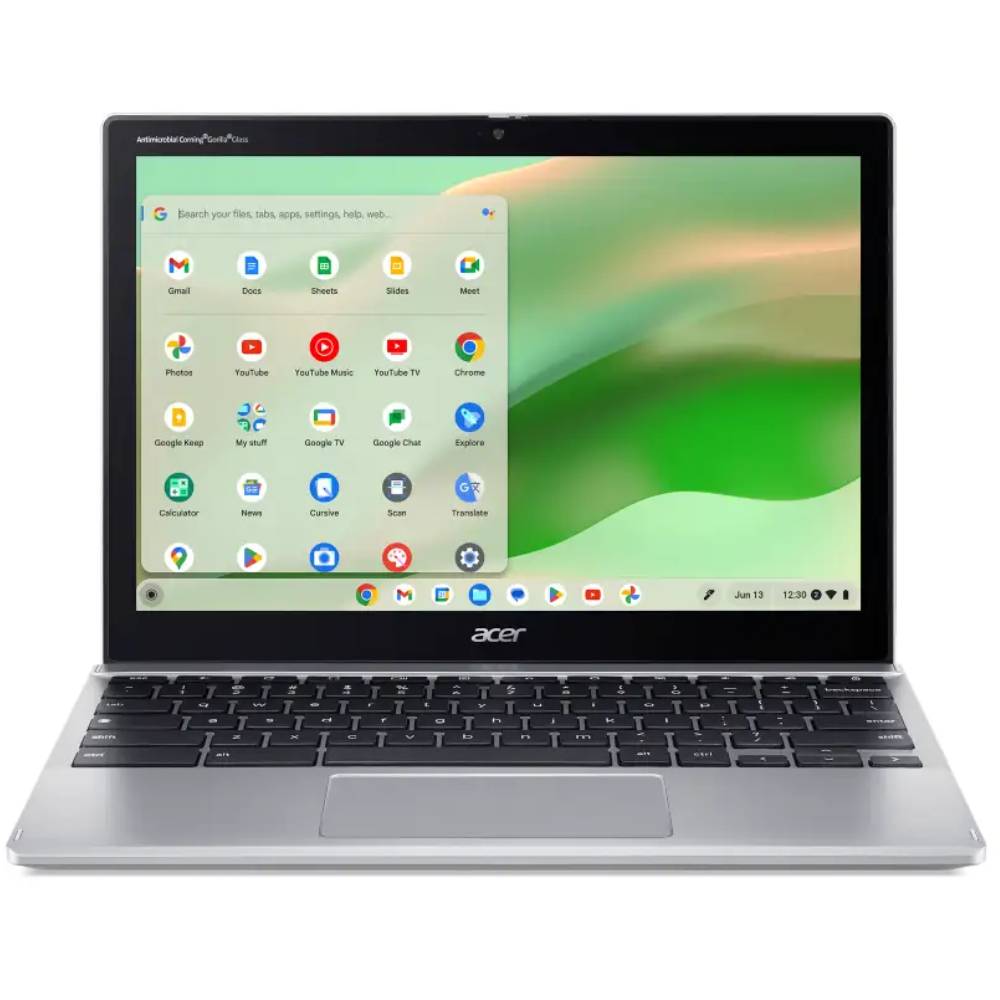
For the student segment, the Acer Chromebook Spin 312 has emerged as a top contender. It balances a budget-friendly price point—typically under $500—with a 2-in-1 convertible design and a robust build. While it lacks the processing headroom for heavy video editing, it serves as an ideal tool for research, word processing, and cloud-based collaboration. The device’s emphasis on portability and long-lasting battery life (exceeding 10 hours in internal tests) makes it a staple for academic environments.
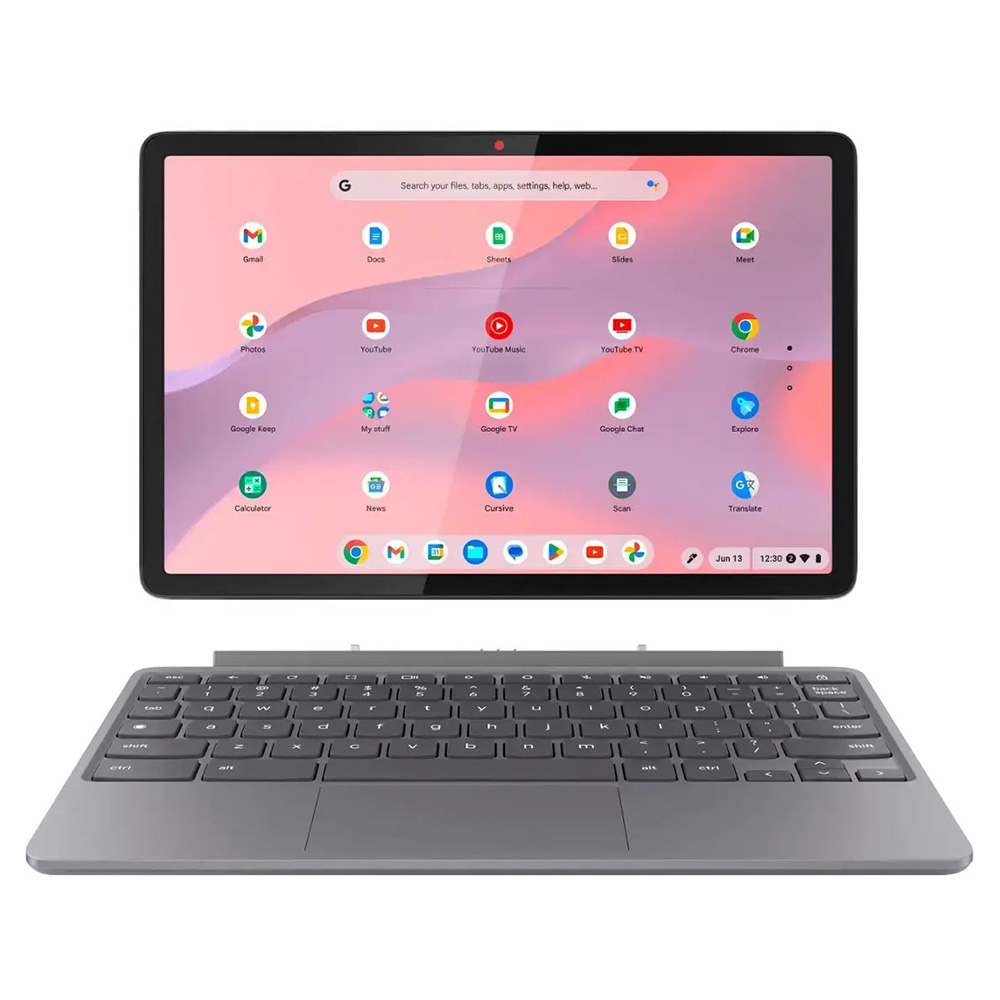
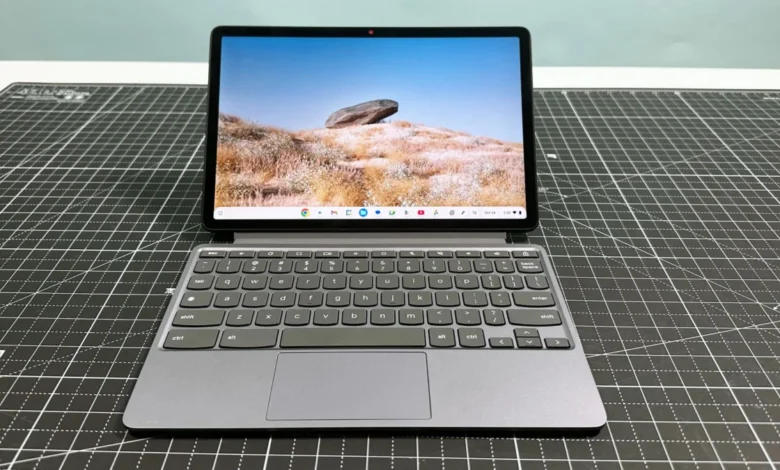
In the youth-oriented category, the Lenovo Chromebook Duet 11 Gen 9 has captured market share. As a detachable tablet, it offers a flexible form factor that allows for both media consumption and academic tasks. Its integration of a MediaTek Kompanio 838 processor provides sufficient power for educational apps, while the inclusion of a folio case and stylus creates a comprehensive package for younger users who require versatility.
The Rise of Gaming on ChromeOS
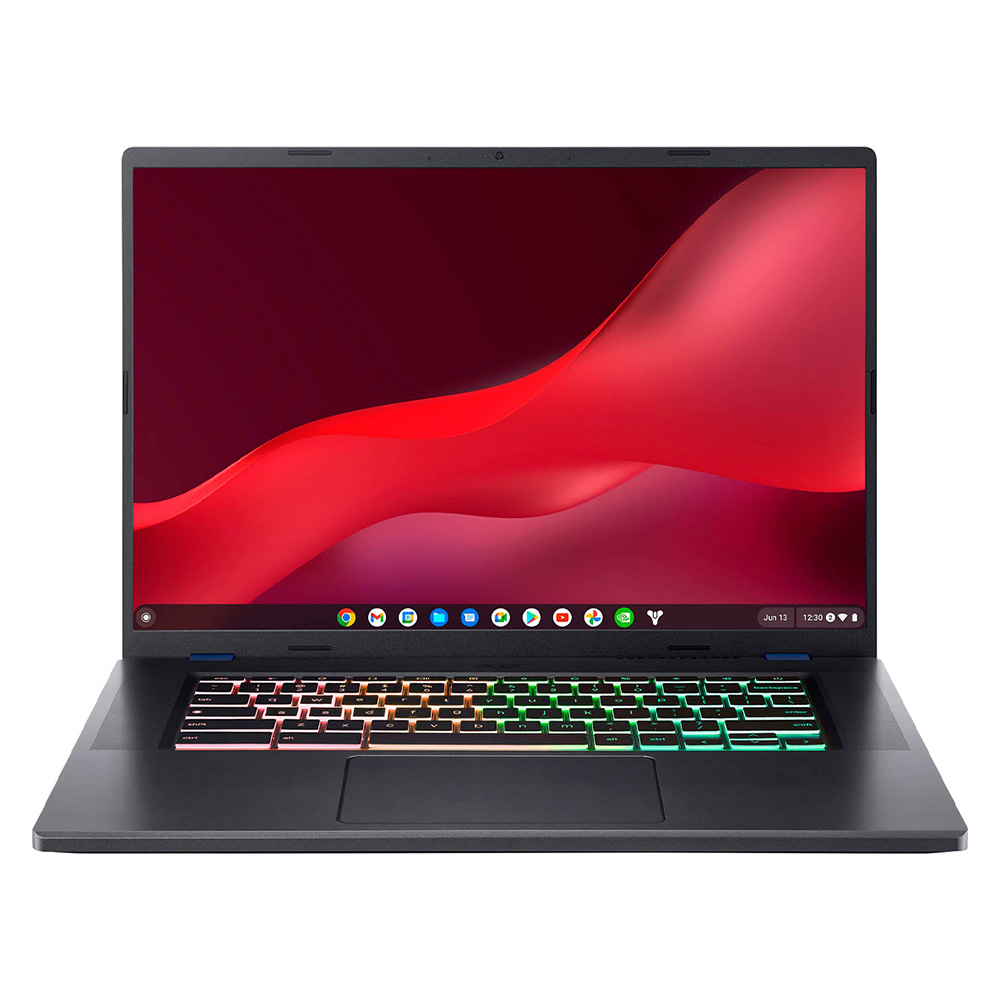
One of the most surprising developments in the 2025 laptop market is the viability of Chromebooks for gaming. While they lack the dedicated GPUs (graphics processing units) found in traditional gaming laptops, the advent of high-speed cloud gaming services like Nvidia GeForce Now has changed the equation. The Acer Chromebook 516 GE is specifically engineered for this market. By incorporating a 120Hz refresh rate display and an RGB-backlit keyboard, it offers the aesthetic and performance feel of a dedicated gaming rig without the thermal or cost requirements of a discrete graphics card.
Comparative Performance Benchmarks
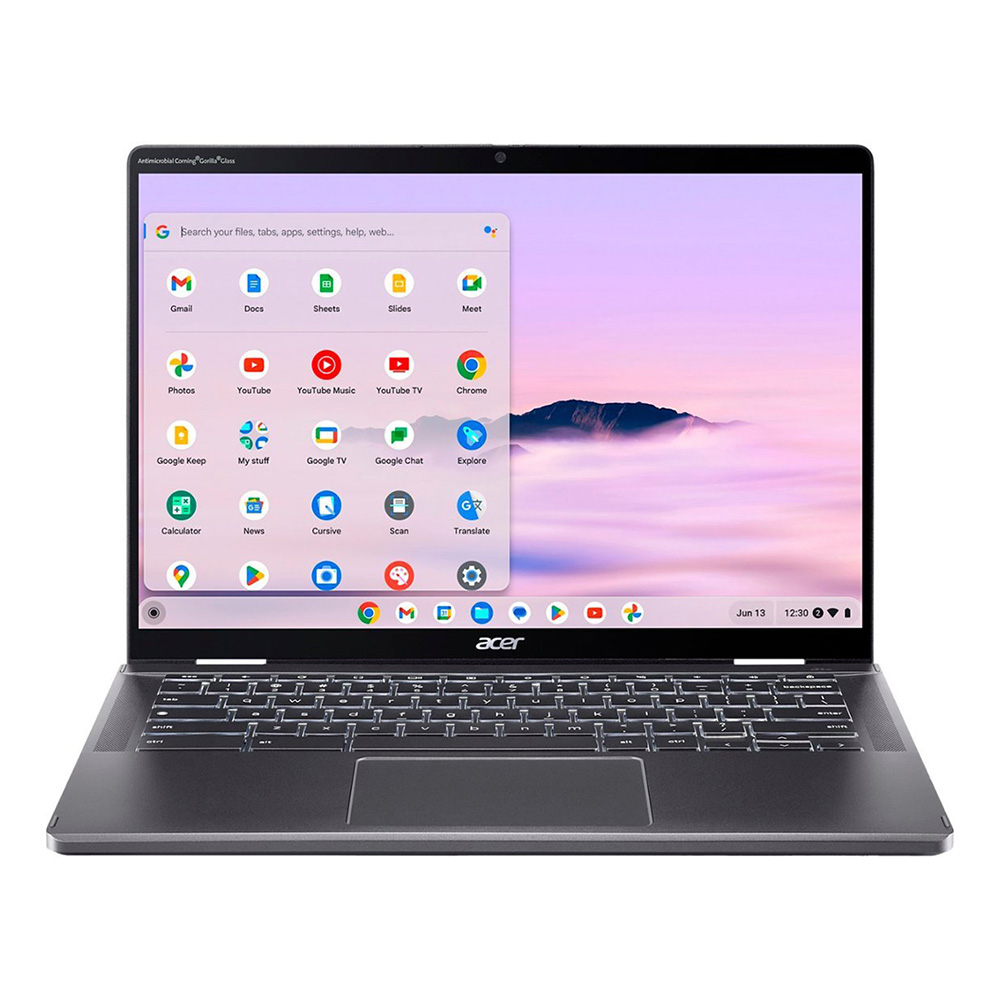
Technical benchmarks reveal the widening performance gap between these specialized machines. According to recent testing conducted by our lab, the Samsung Galaxy Chromebook Plus leads in Geekbench 6 multi-core performance with a score of 6,015, followed closely by the Acer Chromebook Plus Spin 714 at 6,335. These scores place modern high-end Chromebooks firmly in the realm of productivity-capable Windows laptops, capable of managing dozens of browser tabs and background applications without significant latency.
However, battery life remains the primary differentiator. While gaming-focused models like the Acer 516 GE prioritize screen refresh rates and display brightness, they typically yield lower endurance, with battery life hovering around 7 hours and 40 minutes. In contrast, the Samsung Galaxy Chromebook Plus, optimized for mobile office use, provides over 11 hours of consistent operation, marking it as the superior choice for professionals on the move.
Industry Implications and Future Trends
The implications of these advancements are clear: the barrier between ChromeOS and traditional operating systems is thinning. Google’s integration of Gemini AI into the base level of the Chromebook Plus line indicates that the platform is moving toward a future where the device itself acts as a local assistant.
Industry analysts observe that businesses are increasingly viewing Chromebooks as a secure, cost-effective alternative to Windows fleets. The "Chrome Enterprise" ecosystem offers IT departments granular control over security, including remote wiping, forced updates, and centralized threat management. Because the operating system is sandboxed by design, the risk of malware—a persistent concern for enterprise-level Windows deployments—is significantly mitigated.

Furthermore, the longevity of these devices is a growing point of discussion. With Google extending the automatic update window for most modern Chromebooks to ten years, the total cost of ownership has dropped significantly for both individual consumers and educational institutions. This sustainability factor is expected to drive further adoption as users become more environmentally and fiscally conscious.
How to Navigate the Current Landscape
For prospective buyers, the market in 2025 requires a shift in mindset. When choosing a device, it is no longer sufficient to simply look at the brand name. The "Chromebook Plus" label should be the primary indicator for anyone seeking a machine that will remain performant over the next three to five years.

- For Professionals: Focus on the processor and RAM. While 8GB of RAM is sufficient for standard browsing, 16GB is increasingly becoming the recommended standard for those who juggle heavy multitasking, video conferencing, and advanced AI-assisted workflows.
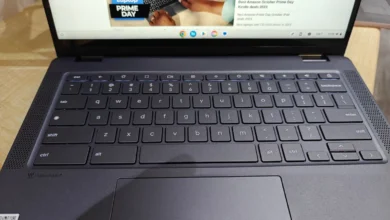
- For Students: Durability and input quality are paramount. Ensure the device has a keyboard that provides adequate travel and a trackpad that feels responsive, as these are the primary interfaces for academic work.
- For Gamers: Prioritize display technology. A high refresh rate (120Hz) is essential for a smooth experience when streaming high-fidelity games, and look for devices that offer Ethernet support or high-end Wi-Fi 6E/7 compatibility to reduce input latency.
Conclusion: The Maturation of a Platform
The Chromebook in 2025 is no longer an "alternative" to a real computer; it is a mature, specialized, and highly efficient tool that fulfills the needs of the vast majority of computer users. Whether one is looking for the sleek, high-performance capabilities of the Samsung Galaxy series, the student-friendly versatility of the Acer Spin lineup, or the cloud-gaming focus of the 516 GE, the market has reached a state of maturity where value and performance are no longer mutually exclusive.
As Google continues to push the boundaries of AI integration and cross-platform compatibility, the ecosystem is poised to become even more deeply embedded in both the classroom and the corporate boardroom. For those who prioritize a clean, secure, and fast computing experience, the current generation of Chromebooks represents the highest point of the platform’s history thus far. The transition from a simple web browser in a box to a robust, AI-powered computing platform is complete, and the benefits to the consumer are clearer than ever.