The Evolution of the Action Camera: How the Insta360 Ace Pro 2 Redefines Mobile Videography


The action camera market has undergone a radical transformation over the past decade, evolving from a niche category of "press-and-play" hardware into a sophisticated segment of professional-grade cinematography tools. Once defined by the simplicity of the GoPro Hero4 Black, which cemented the viability of 4K recording at 30 frames per second, the sector now faces a new paradigm of technical capability. The recent release of the Insta360 Ace Pro 2 serves as a hallmark of this transition, demonstrating that compact, rugged devices can no longer be dismissed as mere accessories for amateur stunts.
A Historical Perspective: From Utility to Production Powerhouse
To understand the current state of the action camera, one must look at the trajectory of the technology since 2014. During that period, the primary value proposition of an action camera was durability and portability. Users were largely satisfied with capturing high-definition footage of outdoor activities without the need for manual intervention. The technical limitations of early sensors meant that low-light performance, dynamic range, and color depth were significant compromises.
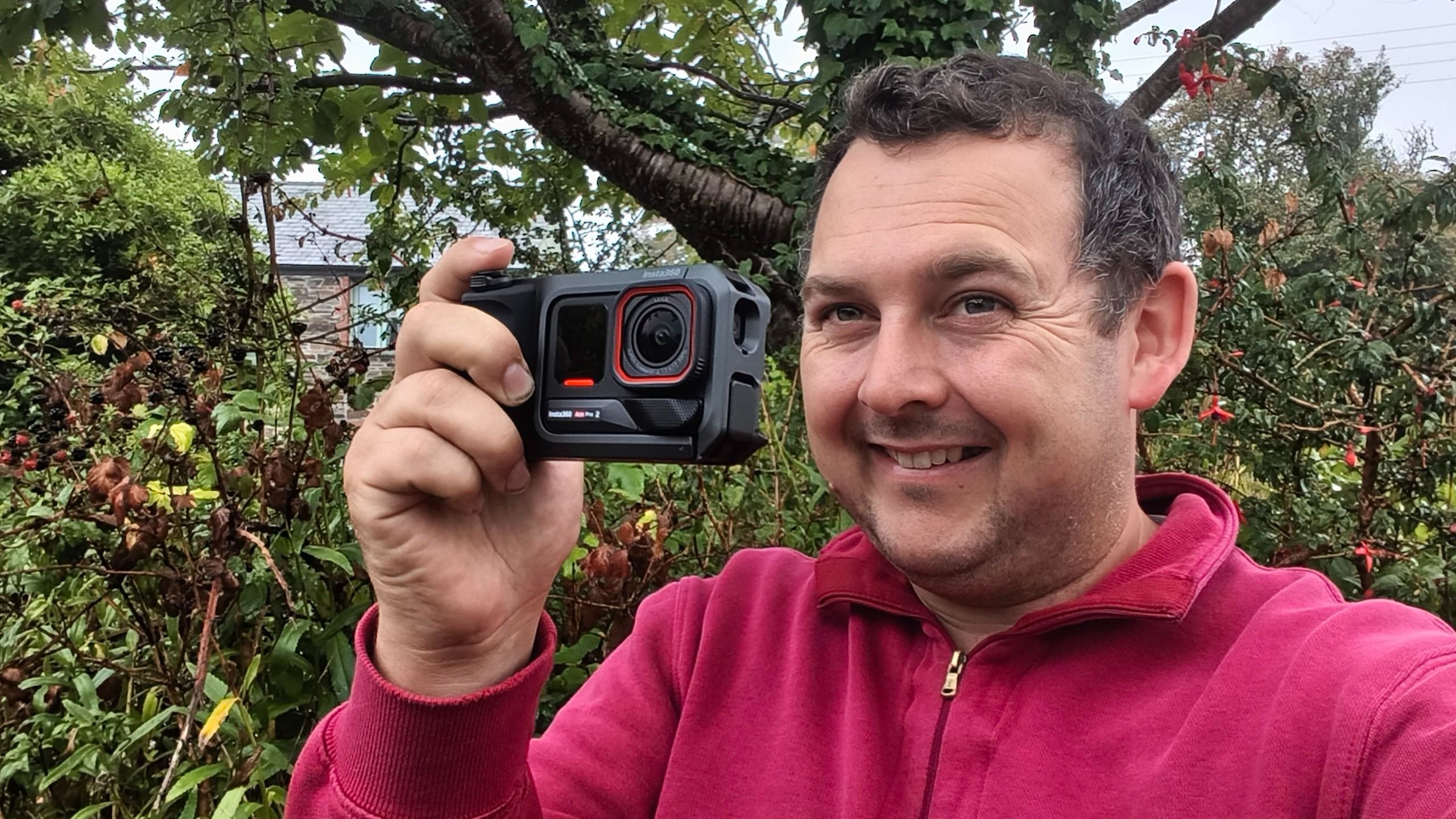
In the ensuing ten years, the industry shifted toward high-resolution capture and computational photography. While early adopters of the GoPro Hero4 Black were restricted to basic resolution toggles, current users are navigating complex, software-driven interfaces that rival those found on mirrorless hybrid cameras. The Insta360 Ace Pro 2 encapsulates this shift by integrating an 8K-capable sensor—a feature that was once the exclusive domain of high-end cinema rigs costing tens of thousands of dollars.
Technical Architecture and Imaging Capabilities
The technical specifications of the Insta360 Ace Pro 2 indicate a departure from standard action camera engineering. The integration of a 1/1.3-inch sensor allows for improved light intake, which is critical for the device’s "PureVideo" and "PureVideo Plus" modes. These features utilize an onboard dual-chip architecture to perform real-time AI noise reduction. This capability is specifically designed to mitigate the traditional weaknesses of small-sensor devices: noise in shadow areas and the "blown-out" highlight issues common in high-contrast environments, such as night-time cityscapes or high-noon mountain biking.
Furthermore, the implementation of "Clarity Zoom," which leverages the high pixel count of the 8K sensor, allows for 2x digital zoom without the significant degradation in image quality typically associated with standard digital cropping. The inclusion of Leica-engineered color profiles—namely Leica Eternal, Natural, Vivid, and BW HC—marks a significant collaboration that brings professional-grade color science to a consumer-accessible device. This integration of I-Log, complete with official LUT (Look-Up Table) previews on the camera’s screen, provides a workflow environment that mirrors professional film production, allowing creators to grade their footage with greater precision in post-production.
Expanding the Ecosystem: Modular Functionality
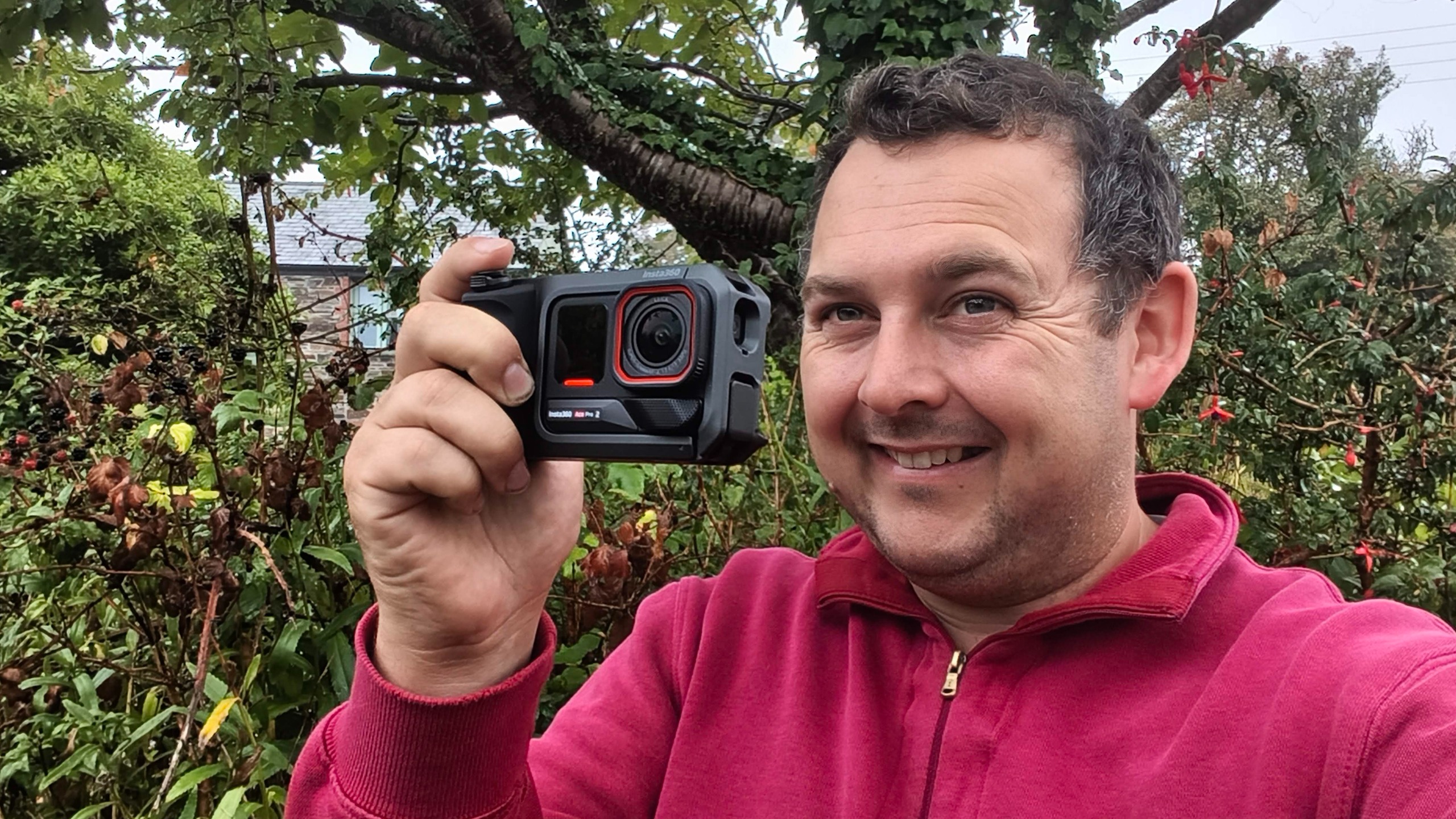
The shift toward professional utility is further evidenced by the "Videography Bundle" ecosystem. The Xplorer Grip Pro acts as an extension of the camera’s hardware, providing physical exposure and zoom controls that are essential for precise operation. The grip’s internal 2010mAh battery, combined with the camera’s internal power management, extends the total recording duration to approximately 140 minutes at 4K 60fps with Active HDR enabled.
The introduction of dedicated modular lenses, such as the Cinematic Lens, provides a 2.35:1 widescreen aspect ratio natively. By capturing at this ratio, filmmakers avoid the loss of resolution inherent in traditional post-production cropping. This shift signifies that manufacturers are no longer designing cameras just to record an event; they are designing them to facilitate a specific aesthetic vision from the moment of capture.
Computational Intelligence and Portrait Optimization
Modern action cameras have also embraced sophisticated computational processing to enhance human subjects. The Portrait Mode in the Ace Pro 2 is a pertinent example of this trend. Unlike simple beauty filters, this mode employs real-time processing to manage skin smoothing, brightness, and contrast while simultaneously protecting the integrity of the background. This dual-layer processing ensures that the subject remains the focus without the footage appearing over-processed or "digital."
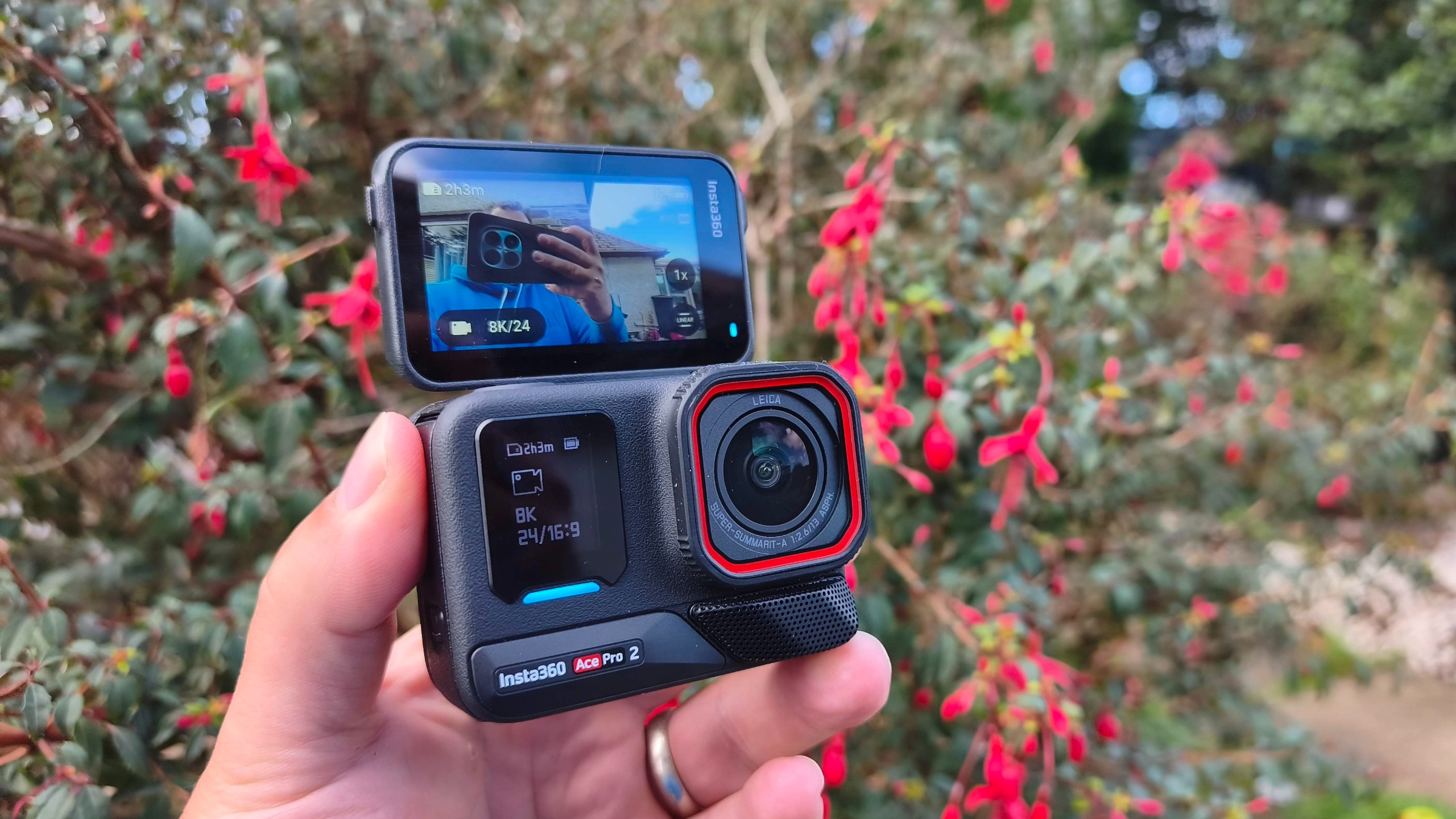
This functionality is particularly relevant for the rise of vertical-video social media platforms, where creators demand high-quality, finished-looking footage that does not require the support of a full production team or external editing software to achieve a polished result.
The Broader Implications for the Camera Market
The integration of advanced cinema-grade features into the action camera form factor has profound implications for the wider imaging industry. First, the boundary between "consumer" and "professional" hardware is increasingly blurred. As these devices adopt technologies like log-profiles and high-dynamic-range imaging, the requirement for dedicated, bulky hardware for certain types of production is diminishing.
Second, the reliance on AI for real-time image processing suggests that the future of camera development will be as much about software optimization as it is about optical hardware. The ability to perform complex computational tasks on-device—such as the PureVideo AI noise reduction—is a significant barrier to entry for smaller manufacturers and reinforces the current market leaders’ dominance.

Industry Reactions and Future Outlook
While official statements from competing manufacturers remain guarded, the market’s response to the high-spec action camera has been overwhelmingly positive, driven by a growing demographic of professional creators who require a "B-camera" that can be deployed in environments where a traditional cinema camera would be too vulnerable or cumbersome.
Industry analysts note that while the "press-and-play" user base remains the volume driver for the market, the segment of "prosumers" is the fastest-growing demographic. These users are willing to invest in premium bundles and accessories because the return on investment—in terms of production value—is now measurable. The capability to record 8K, paired with professional color profiles, means that an action camera is now a legitimate tool for a documentary filmmaker, an automotive reviewer, or a high-end content creator.
Conclusion
The evolution of the Insta360 Ace Pro 2 from the foundational principles of the GoPro Hero4 Black illustrates the rapid maturation of the action camera market. It has moved from being a recording device of convenience to a compact production suite. For the modern creator, the device represents a compromise-free entry into high-quality cinematography, provided they are willing to engage with the sophisticated, and sometimes complex, menu systems that define modern digital imaging.

The transformation is complete: the action camera is no longer just for capturing the action; it is now for creating the narrative. As technology continues to scale, it is likely that future iterations will integrate even more advanced computational capabilities, potentially further challenging the utility of traditional, larger-format cameras in various professional contexts. The shift signifies a permanent change in how we document the world, prioritizing efficiency, portability, and high-fidelity output in a single, robust package.