Wharfedale Denton 1S Review: A Modern-Retro Triumph in Passive Loudspeaker Design

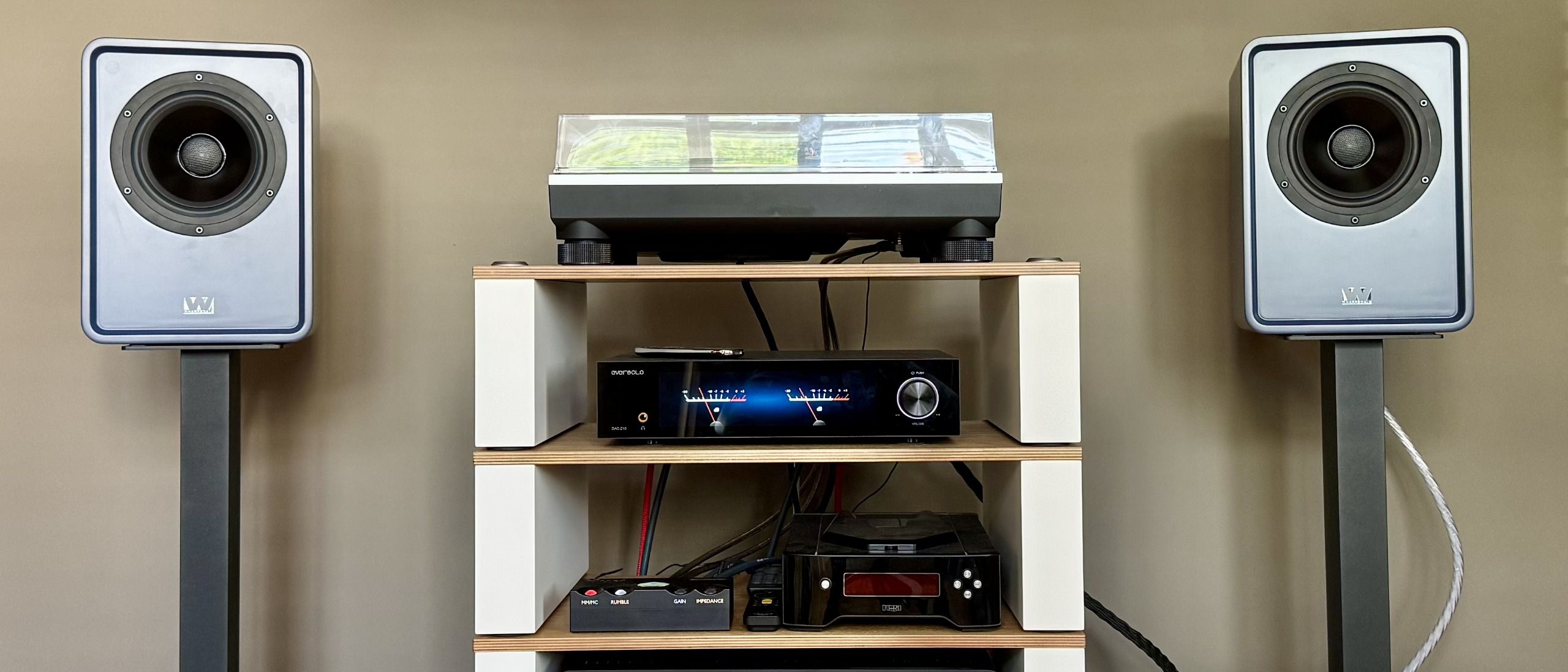
The consumer audio landscape has witnessed an aggressive resurgence of vintage-inspired aesthetics over the past decade, with legacy manufacturers routinely mining their archives to resurrect classic designs for contemporary audiophiles. Wharfedale, a brand with a storied history dating back to 1932, has capitalized heavily on this trend through its acclaimed Heritage series. However, the introduction of the Wharfedale Denton 1S marks a distinct departure from the ultra-traditional, antique-leaning visual profiles of its predecessors. Instead of replicating the warm wood veneers and cloth grilles of mid-century loudspeakers, the Denton 1S reinterprets a forward-thinking 1974 design that originally aimed to encapsulate modernism. The result is a "modern-retro" passive standmount speaker that bridges the gap between historical acoustics and contemporary engineering, retailing at $999 / £649 / AU$1,699.
Market Positioning and Pricing Context
Priced at the competitive threshold of sub-$1,000 / £650 passive bookshelf loudspeakers, the Denton 1S enters a fiercely contested market segment where consumers expect high fidelity, robust build quality, and aesthetic versatility. At £649 in the United Kingdom, $999 in the United States, and approximately AU$1,699 in Australia, the speakers face stiff competition from established heavyweights.
Among its closest rivals are the DALI Sonik 1, which commands a slightly lower price point of $900 / £449.99 / AU$849, and Cambridge Audio’s award-winning active L/R S wireless-capable system, available for $549 / £399 / AU$949. While active speakers offer integrated amplification and modern streaming conveniences, the Denton 1S appeals directly to purists who prefer the signal path purity of traditional passive architecture, requiring an external amplifier or receiver to deliver its performance.
Acoustic Architecture and Technological Enhancements
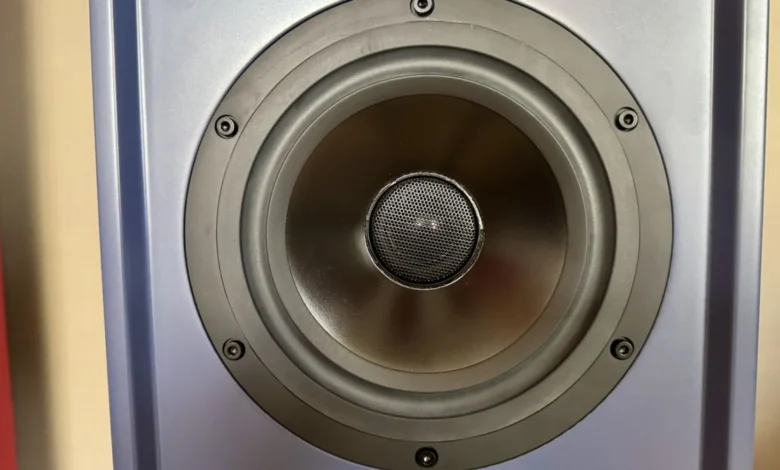
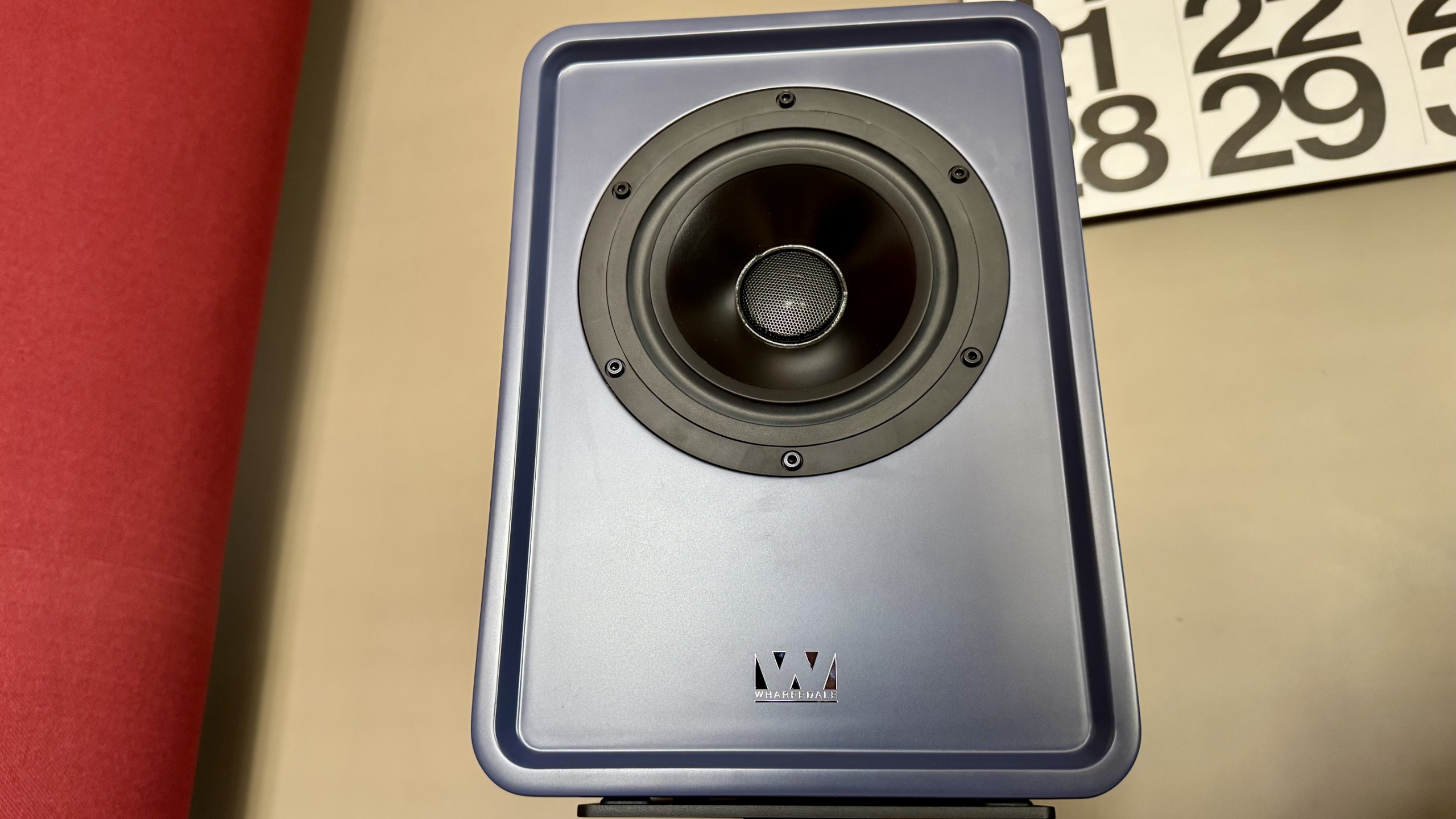
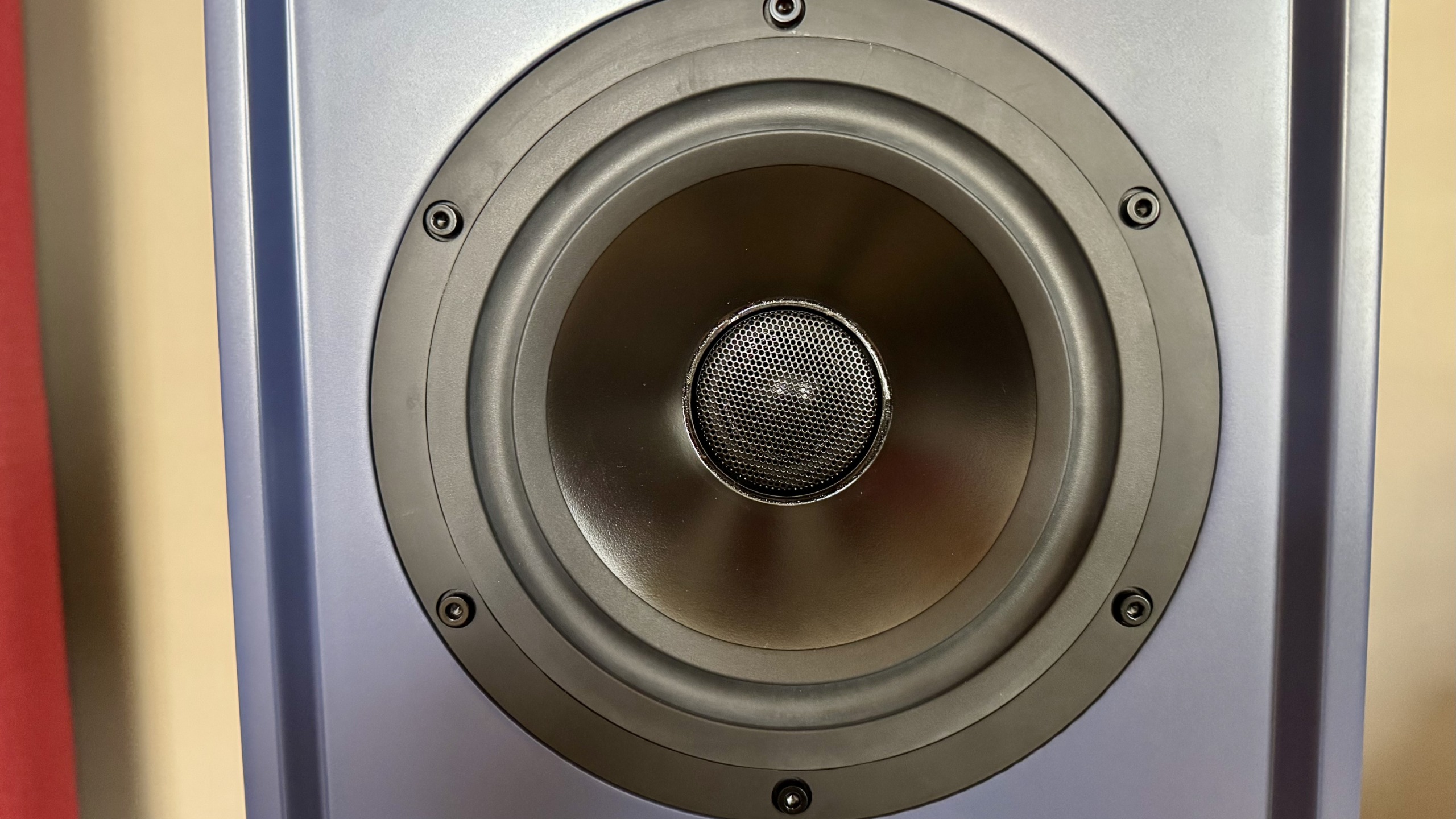
Unlike its 1974 predecessor, the Denton 1S incorporates a true coaxial driver arrangement. This acoustic philosophy positions a 25mm soft-dome high-frequency tweeter directly inside the throat of a 165mm polypropylene mid/bass driver. Coaxial designs aim to achieve superior time-alignment and seamless driver integration, ensuring that sound waves from both elements reach the listener’s ear simultaneously from a single point source. This spatial cohesion is critical for establishing accurate stereo imaging and a focused soundstage.
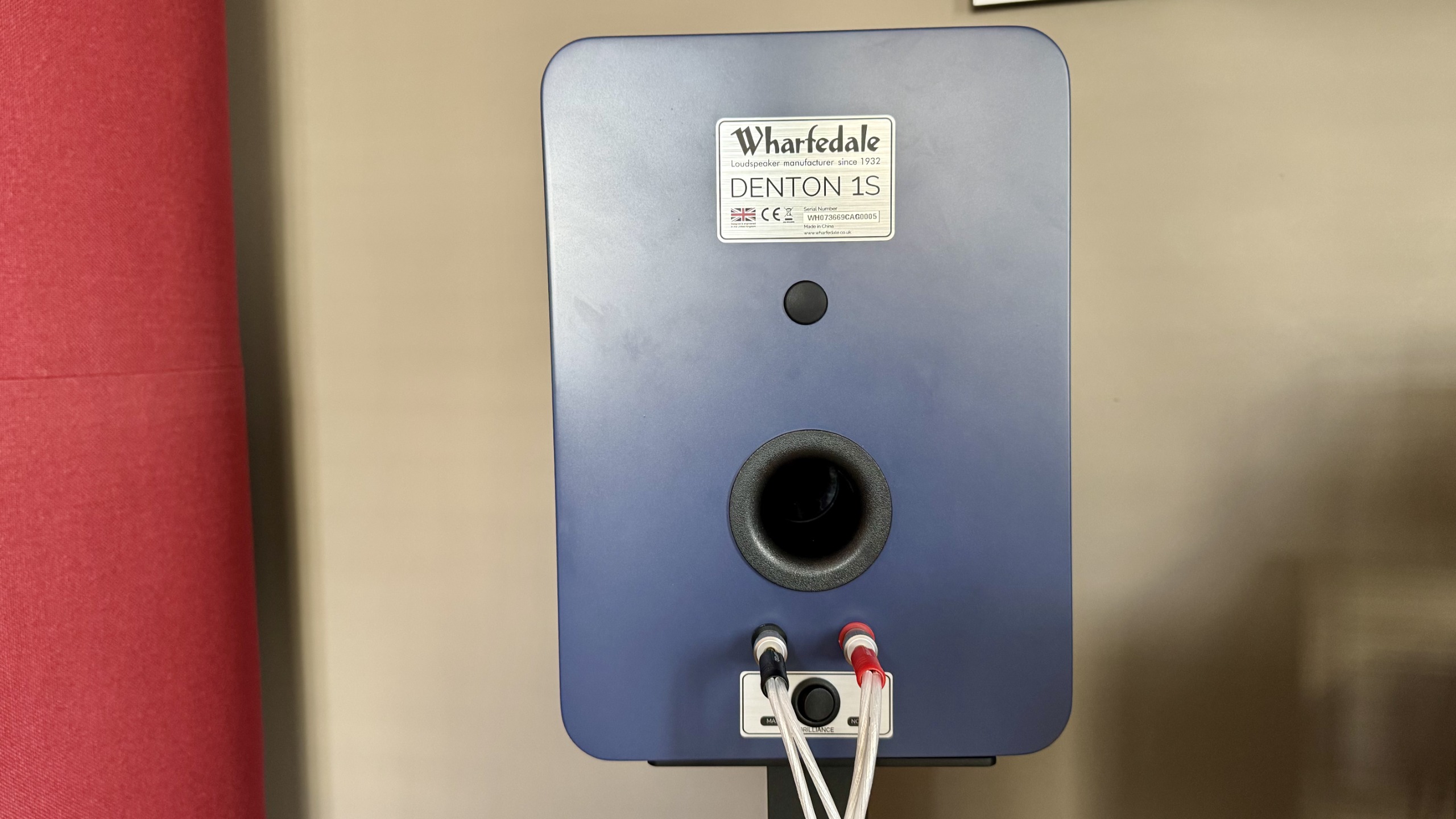
The cabinet is constructed from heavily braced, bonded fibreboard—a significant acoustic upgrade over the moulded polyurethane used in certain experimental iterations of the 1970s. Measuring with a compact footprint, the enclosure relies on a rear-firing bass reflex port to extend low-frequency response. Wharfedale officially quotes a frequency response of 50Hz to 20kHz alongside an encouraging sensitivity rating of 88dB. This high sensitivity figure indicates that the Denton 1S does not demand an overly powerful or aggressive amplifier to reach comfortable listening volumes, making it compatible with a wide array of vintage and modern entry-level to mid-tier integrated amplifiers.
Because rear-ported loudspeakers can sometimes suffer from boundary loading—where proximity to a back wall artificially inflates bass response—Wharfedale has engineered a subtle hardware solution into the rear panel. Each speaker features a "brilliance" control toggle switch with two distinct settings: "norm" and "max." Activating the "max" setting applies a 1.5dB boost to the 2kHz to 4kHz frequency band. This feature is specifically designed to restore upper-frequency clarity and balance out the heavier low-end presence that occurs when the speakers are placed close to a wall or bookshelf.
Design Evolution and Visual Styling
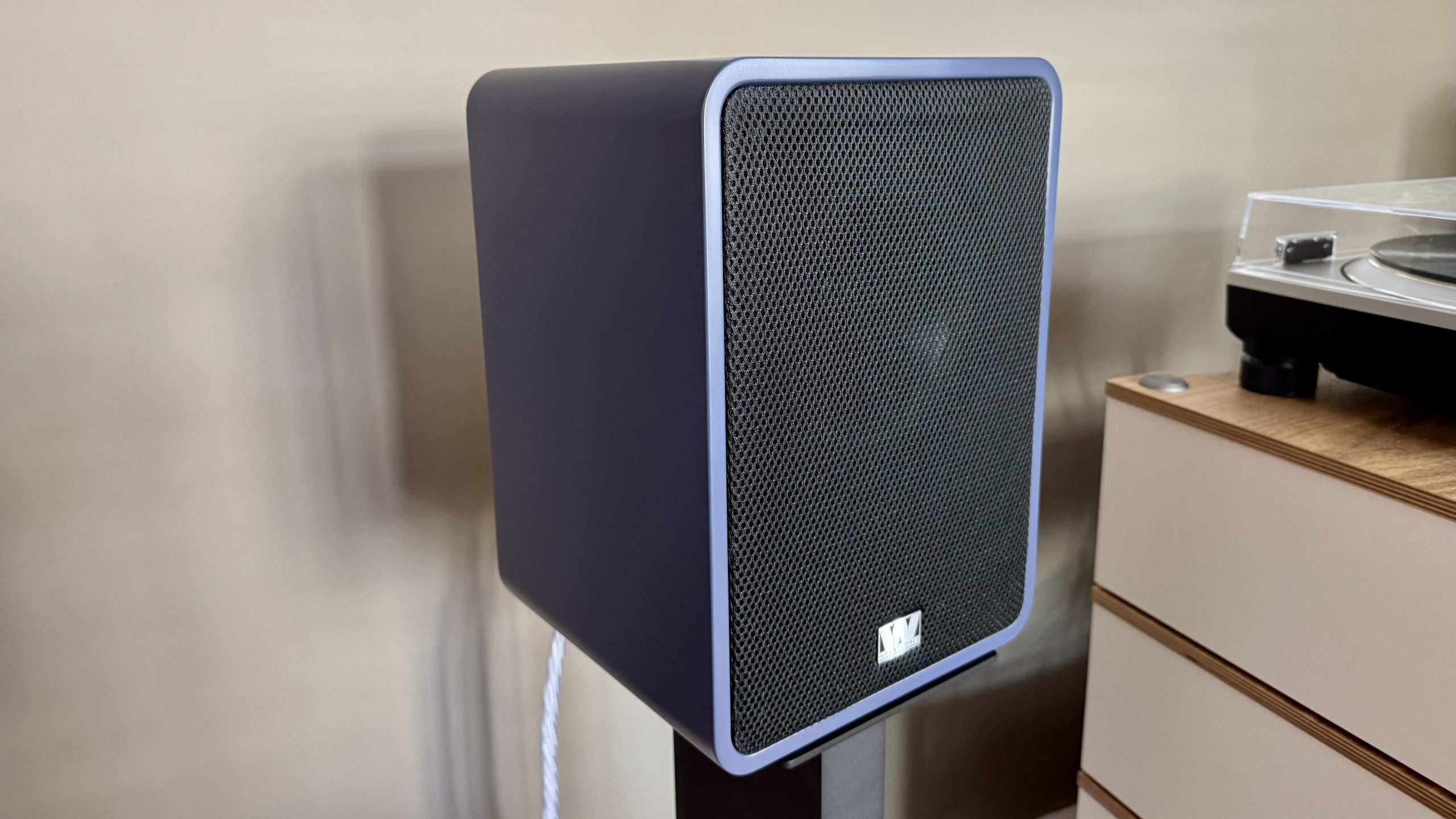
Aesthetically, the Denton 1S retains the curved cabinet edges and recessed front baffle characteristic of the original 1970s Denton series. When viewed in its clean white finish, the cabinet bears a distinct resemblance to the industrial design philosophies popularized by Dieter Rams and the futuristic interiors of Stanley Kubrick’s cinema during the late 1960s and early 1970s.
The magnetic grilles sit flush within the recessed front baffle, creating a seamless visual plane when attached. Both the baffle and the grilles feature an assertive, stylised "W" monogram, signifying its lineage within the Wharfedale Heritage collection. Alongside the standard matte black and white finishes, Wharfedale offers a deep blue colorway for the review units, providing a sophisticated splash of color that departs from traditional audio gear aesthetics. Industry analysts note that while the current color palette is tasteful, introducing more vibrant or playful hues could further capitalize on the lifestyle-audio market.
Performance and Listening Evaluation
When subjected to rigorous audio testing across diverse source components, the Denton 1S distinguishes itself through an energetic, highly organized, and engaging sonic presentation. Reviewers testing the speakers with reference-grade setups—ranging from high-resolution network streamers and modern DACs to vintage 1970s integrated amplifiers like the A&R Cambridge A60—found the loudspeakers to be remarkably forgiving and musically coherent.
The coaxial driver layout delivers on its theoretical promises. Stereo imaging is exceptionally well-focused, creating a tightly unified soundstage where individual instruments and vocal tracks are rendered with precise placement. The tonal balance leans fractionally toward the warmer side of neutral, lending a natural richness to acoustic instruments and human voices without sacrificing detail retrieval. Midrange resolution is particularly strong, allowing the emotional nuance and timbre of vocal performances to shine through clearly.
At the frequency extremes, the speaker demonstrates controlled capability. Bass delivery is agile and rhythmically coherent, avoiding the sluggish or bloated low-end characteristics that often plague smaller ported enclosures. Treble response strikes a balance between bite and refinement; upper-frequency notes are delivered with determination, yet the presentation remains free of harshness or fatigue, even during complex, high-volume orchestral crescendos or densely layered electronic tracks.
The primary limitation noted by audio critics is the absolute scale of the soundstage. While the Denton 1S excels in small-to-medium-sized listening environments, it lacks the massive dispersion required to fill cavernous, open-plan architectural spaces or aircraft-hangar-sized loft apartments. Listeners prioritizing expansive room-filling volume over intimate micro-dynamics and rhythmic precision may need to look toward larger floorstanding alternatives or costlier bookshelf monitors.
Setup, Versatility, and Integration
The physical footprint and acoustic flexibility of the Denton 1S make it an adaptable choice for modern living spaces. Thanks to the phase coherence afforded by the coaxial driver, the speakers can theoretically be positioned in either portrait or landscape orientation. Furthermore, integrated rear-panel fittings allow for wall-mounting, though the 229mm cabinet depth means they will protrude further into a room than flat-panel architectural speakers.
For optimal performance, mounting the speakers on dedicated rigid stands—such as the Blok Axis—remains the gold standard. However, the presence of the rear-panel brilliance switch gives users practical tools to mitigate acoustic anomalies caused by suboptimal placement near walls or inside bookshelves.
Implications for the Hi-Fi Market
The release of the Wharfedale Denton 1S highlights a broader industry shift toward lifestyle-conscious high fidelity. Consumers increasingly demand audio equipment that marries high-performance specifications with interior design compatibility. By avoiding the trap of pastiche—wherein retro products rely entirely on nostalgia while compromising modern acoustic standards—Wharfedale has delivered a genuinely competitive product.
The Denton 1S proves that passive loudspeakers retain a vital place in the modern home, offering longevity, upgradeability through external amplification, and a purity of purpose that active wireless speakers often sacrifice. For audiophiles operating within a moderate budget who value tight rhythmic drive, precise imaging, and striking mid-century aesthetics, the Wharfedale Denton 1S stands as one of the most compelling options available in the current audio market.