Why Making the Switch to an Electric Vehicle Transformed My Perspective on Daily Driving

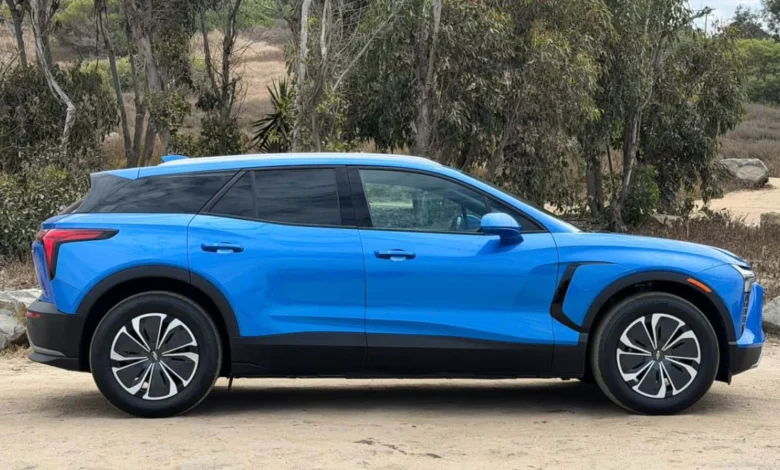
The evolution of personal transportation has reached a critical juncture where the debate between internal combustion engines and electric powertrains extends far beyond raw performance figures and environmental metrics, fundamentally altering the daily driving experience. Operating as a remote automotive journalist based in San Diego, California, my daily routine involves purposefully seeking out detours and unexplored thoroughfares across the city’s diverse topography. Having spent five years navigating the same urban neighborhoods, and possessing a lifelong obsession with gas-powered automobiles cultivated through years of reading enthusiast publications and evaluating vehicles for major media outlets such as CNBC, Jalopnik, and Road & Track, the transition to an electric vehicle initially felt like an unwelcome compromise.
The early anxieties surrounding battery range, charging infrastructure availability, and the emotional attachment to the tactile engagement of internal combustion engines are familiar hurdles for many prospective EV adopters. However, following a two-year lease experience—culminating in nearly a full year of entirely gas-free operation behind the wheel of a 2024 Chevrolet Blazer EV—those initial reservations have been thoroughly dismantled. The day-to-day reality of urban exploration and commuting in a modern battery-electric vehicle reveals an ownership experience that surpasses traditional gas-powered cars in unexpected ways, redefining how drivers interact with their local environments.
The Economics of Urban Mobility: Fueling Versus Charging
The financial reality of urban driving becomes starkly apparent when evaluating the recurring costs of fuel, maintenance, and the rapid wear inflicted by stop-and-go city traffic. In major metropolitan areas, navigating local streets quickly accumulates significant expenditure through traditional gasoline consumption and the mechanical strain placed on multi-speed transmissions, brake systems, and engine components. For standard internal combustion vehicles, covering standard distances requires a continuous influx of fossil fuels at prices subject to volatile global markets.
Conversely, the operational economics of an electric vehicle fundamentally shift the cost paradigm of local exploration. For instance, charging an 85-kWh battery pack to its capacity of 278 miles of EPA-estimated range incurs a fraction of the cost associated with a liquid-fueled counterpart. Based on national average residential electricity rates of approximately $0.19 per kilowatt-hour, a full charge totals roughly $16. This figure drops significantly for owners utilizing off-peak utility tariffs, specialized EV electricity plans, or residential solar installations.
To contextualize this financial divergence, a comparable all-wheel-drive, gas-powered Chevrolet Blazer requires roughly 11.6 gallons of gasoline to travel the same 278-mile distance, assuming combined EPA fuel economy figures. At prevailing national fuel averages, the gasoline equivalent costs approximately $42 for an identical journey. This stark differential—$16 versus $42 for the same mileage—demonstrates how electric mobility mitigates the financial friction of everyday driving, removing the subconscious hesitation drivers often feel when deciding to take an unscripted detour or explore a previously unvisited neighborhood.
Mechanical Refinement: The Superiority of Electric Powertrains in Urban Topography
Beyond simple economics, the physical mechanics of propulsion create a profound qualitative difference between internal combustion engines and electric motors, particularly in challenging urban geographies like San Diego’s steep hills and congested corridors. A traditional gas-powered vehicle operating in hilly terrain typically induces perceptible mechanical strain. Under heavy throttle, an internal combustion engine relies on a multi-speed automatic transmission to hunt through gear ratios, searching for a narrow powerband where peak efficiency and torque reside. This process frequently results in audible engine clatter, surging hesitation, and a delayed response between the driver depressing the accelerator and the vehicle actually gaining momentum.
In contrast, electric powertrains deliver instantaneous torque coupled with single-speed transmission efficiency. The accelerator pedal functions as an immediate extension of the driver’s intent, translating inputs into seamless forward momentum without hesitation, gear changes, or mechanical drama. Navigating steep inclines or accelerating onto a highway on-ramp becomes an effortless exercise.
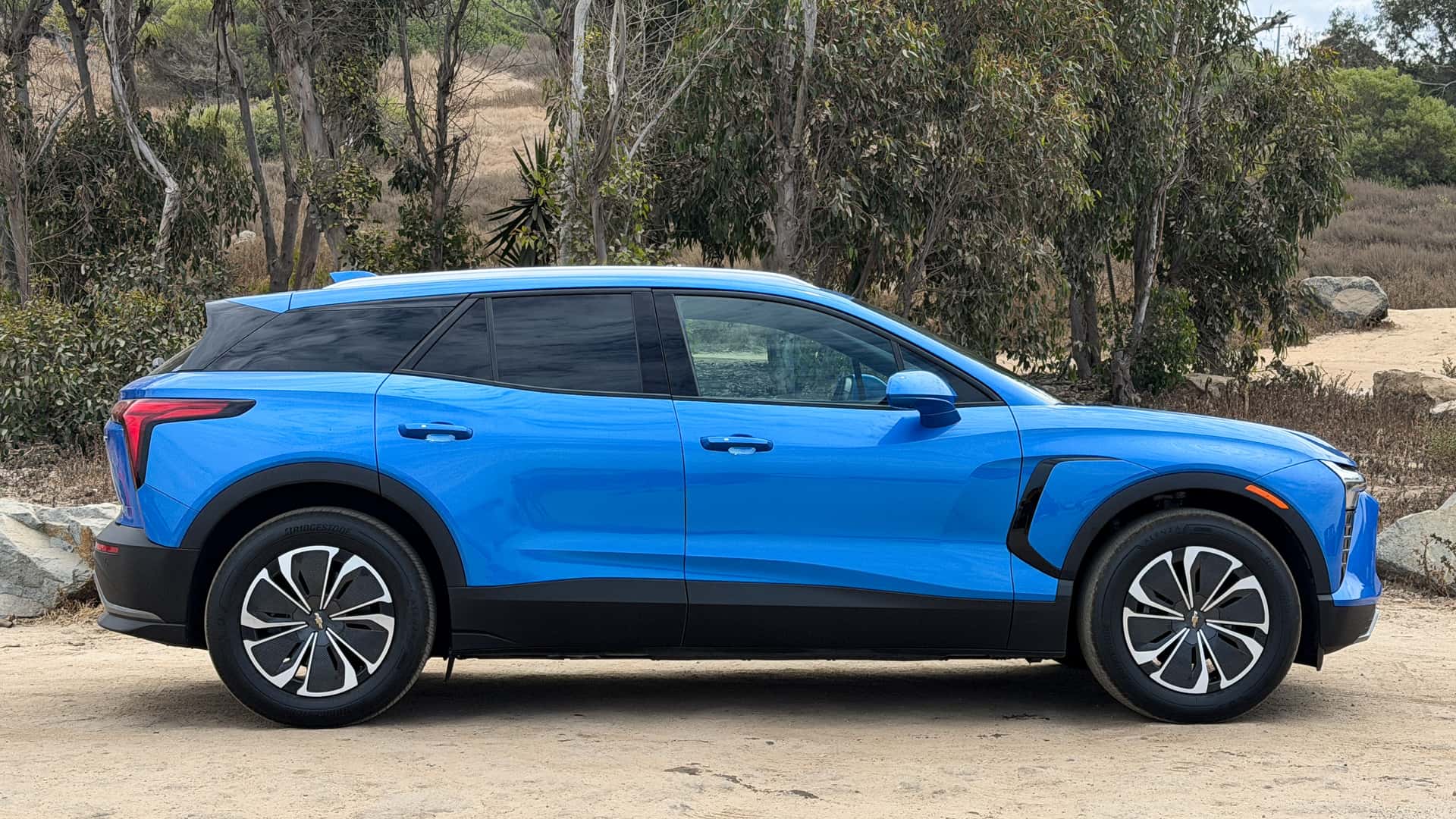
This mechanical transparency extends beyond performance metrics into sensory perception. Driving an EV through quiet suburban neighborhoods or along coastal parks eliminates the intrusive mechanical noise, exhaust emissions, and engine vibration characteristic of internal combustion vehicles. Even highly refined, luxury gas-powered vehicles—such as a $130,000 Mercedes-Benz GLS 580 equipped with a sophisticated V-8 engine and mild-hybrid assistance—can feel comparatively belabored and disconnected when benchmarked against the immediate, linear responsiveness of an electric motor. While high-end luxury internal combustion engines manage massive output, the multi-second delay required to downshift, build boost, and deliver power underscores the inherent limitations of internal combustion architecture.
Environmental Impact and Life-Cycle Emissions Analysis
While the operational advantages of electric vehicles are readily apparent at low speeds and in stop-and-go city traffic—where wind noise does not mask engine acoustics and zero tailpipe emissions directly improve local air quality—the broader environmental implications extend deep into vehicle manufacturing and grid infrastructure.
Critics of electric mobility frequently cite the carbon-intensive manufacturing processes associated with lithium-ion battery production, arguing that initial "carbon debt" offsets any operational gains. However, lifecycle analyses conducted by independent research organizations, such as the International Council on Clean Transportation (ICCT), indicate that modern EVs successfully amortize this initial manufacturing footprint relatively quickly. For example, a battery-electric vehicle driven past the 20,000-mile mark has typically neutralized the excess carbon debt incurred during its production, provided it is charged via standard or renewable energy grids.
For owners who couple their electric vehicles with residential solar arrays or utility providers utilizing 100% renewable generation sources, the operational emissions remain near zero. Factoring in secondary emissions such as tire wear and occasional public charging sessions powered by mixed-grid electricity, an EV can comfortably traverse upwards of 200,000 miles over a decade of operation with a fraction of the cumulative lifecycle emissions produced by an equivalent internal combustion vehicle.
Industry Implications and Future Outlook
The rapid transformation of the automotive landscape over the past two decades reflects shifting consumer priorities, regulatory pressures, and engineering breakthroughs. As recently as the early 2000s, mass-market electric vehicles were virtually non-existent, and the automotive media landscape was entirely dominated by internal combustion developments. Today, the conversation has permanently shifted from whether electric vehicles can match traditional cars to acknowledging the distinct advantages they hold in urban environments, utility, and daily usability.
Nevertheless, significant challenges remain for widespread adoption. Public charging infrastructure continues to require substantial investment in reliability, speed, and geographic distribution—particularly in multi-family housing districts and rural corridors. Furthermore, lowering the upfront purchase price of new battery-electric vehicles remains paramount to achieving equitable market penetration across all socio-economic demographics.
Despite these remaining hurdles, the trajectory of automotive engineering demonstrates that electric vehicles have evolved past the experimental phase into a superior ownership proposition for the majority of daily driving use cases. By offering lower operating costs, instantaneous power delivery, noise reduction, and reduced lifecycle emissions, modern EVs have fundamentally changed how enthusiasts and everyday commuters alike interact with the road ahead.
Related posts: