Apple Breaks Decades-Long Tradition by Unveiling Touchscreen MacBook Pros with OLED XDR Displays in Los Angeles

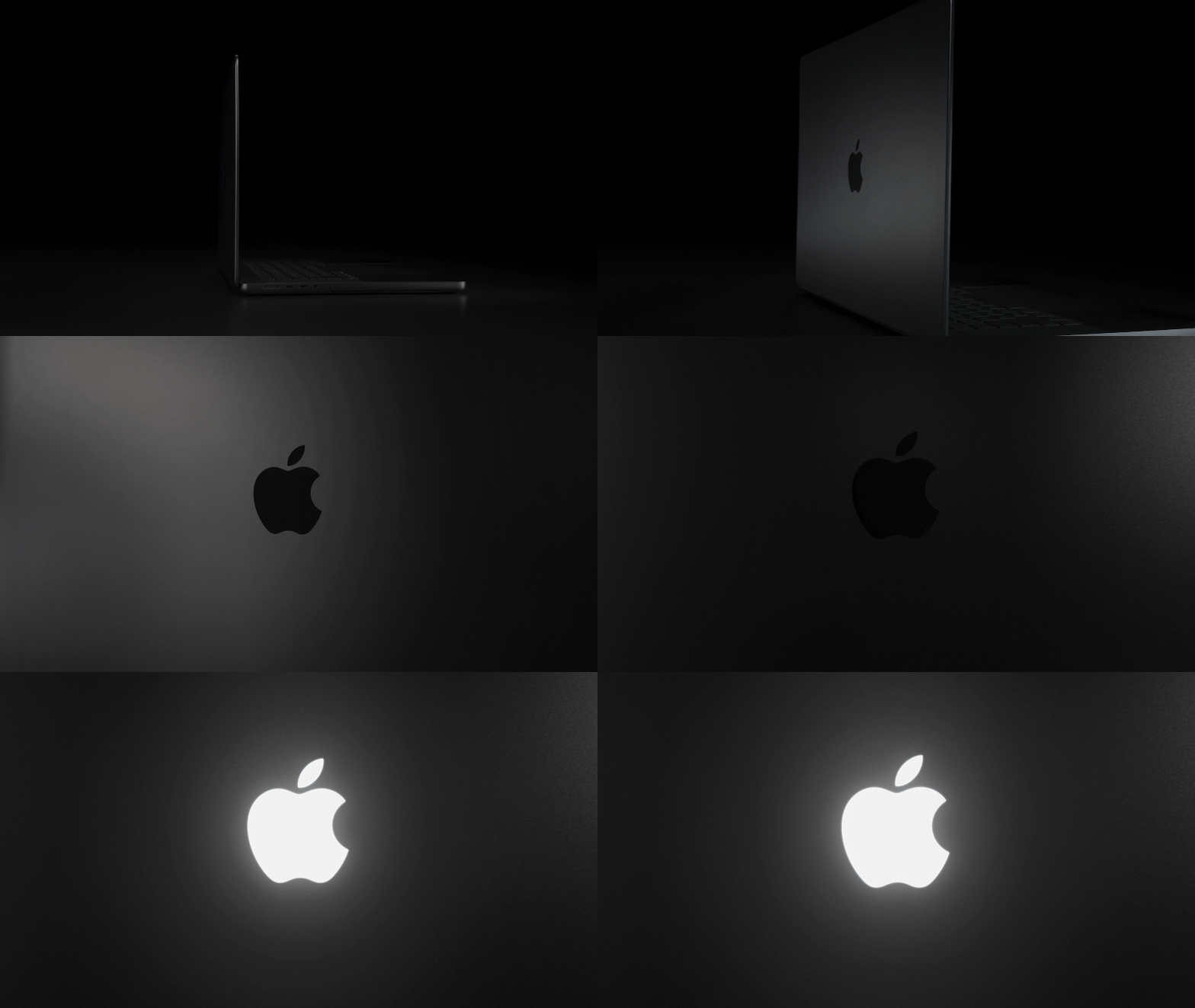
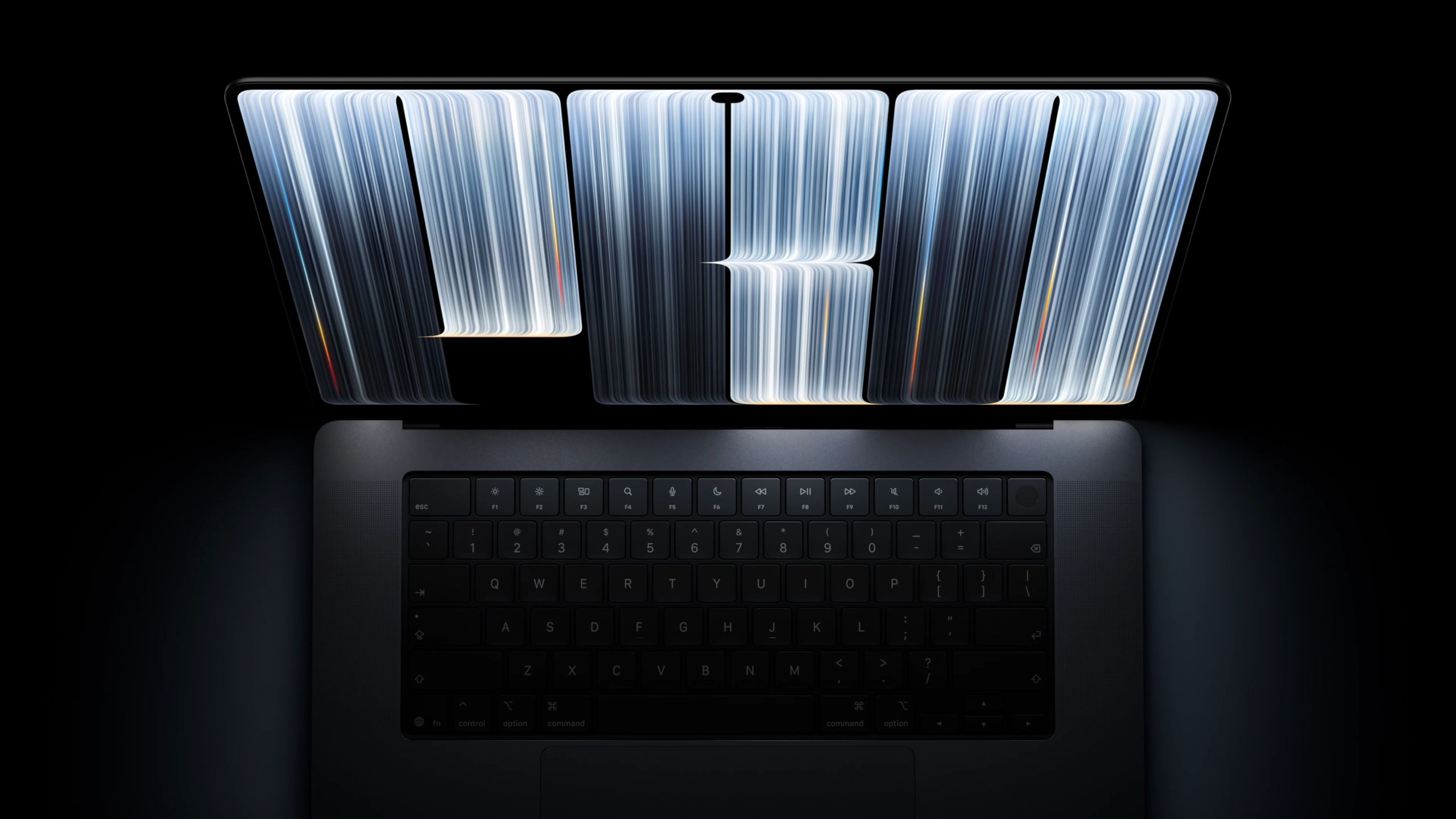
Apple has officially broken one of the longest-standing design paradigms in the personal computer industry by introducing its first-ever laptops equipped with touchscreens. During a high-profile hardware showcase held in Los Angeles, the technology giant detailed its next-generation MacBook Pro lineup, featuring vibrant OLED XDR displays that seamlessly integrate touch input alongside traditional trackpad and keyboard navigation. Long recognized for steadfastly resisting touchscreens on its macOS devices—frequently arguing that vertical touch interfaces are ergonomically inefficient—Apple’s sudden pivot marks a watershed moment for the Cupertino-based company and the broader laptop market.
The newly announced laptops, available in 14-inch and 16-inch configurations, are currently open for pre-order and are slated to arrive on store shelves and doorstep deliveries on November 6. Positioned squarely at the premium end of the mobile workstation market, the 14-inch base model starts at $2,899, while the larger 16-inch variant commands a starting price of $3,399. Beneath their redesigned glass panels, the machines are powered by Apple’s robust M5 Pro and M5 Max silicon chips, supporting configurations scaling up to an astonishing 16 terabytes of solid-state storage and 128 gigabytes of unified memory.
Evolution of a Paradigm Shift: Chronology of Apple’s Display Strategy
For well over a decade, Apple executives—most notably the late Steve Jobs and current Chief Executive Officer Tim Cook—dismissed the concept of touchscreen laptops. When competitors in the Windows ecosystem rapidly adopted touch panels following the launch of Windows 8 in 2012, Apple maintained that vertical touch surfaces caused arm fatigue and that tablet interfaces belonged on iPads, whereas macOS was meticulously optimized for cursor and keyboard precision.
Rumors regarding a potential reversal began circulating in industry supply chains late last year, pointing toward breakthroughs in OLED manufacturing that could make touch integration viable without compromising display clarity, battery efficiency, or structural integrity. The Los Angeles event culminated these years of quiet research and development. By incorporating OLED XDR technology—known for producing infinite contrast ratios, deep blacks, and remarkable peak brightness levels—Apple engineers successfully embedded capacitive touch grid layers directly into the display stack without introducing noticeable glare or touch latency.
Industry analysts note that this shift bridges the traditional divide between iPadOS and macOS workflows. As developers increasingly build universal applications capable of running seamlessly across Apple’s entire device ecosystem, the inclusion of a touchscreen provides a more natural, intuitive bridge for interacting with touch-native applications running natively on Apple Silicon.
Hardware Specifications and Pricing Architecture
The technical specifications unveiled in Los Angeles underscore Apple’s commitment to maintaining performance dominance among professional creative workers, software engineers, and data scientists.
At the entry point, the 14-inch MacBook Pro begins at $2,899, equipped with the baseline M5 Pro chip. Users seeking maximum performance can scale the hardware up through custom configurations utilizing the M5 Max processor. The architectural leap offered by the M5 family builds upon previous iterations by introducing enhanced neural engine cores optimized for heavy on-device artificial intelligence processing, alongside significant improvements in graphics rendering capabilities.
Storage and memory tiers have also been expanded to unprecedented heights for laptop form factors. The option to configure a MacBook Pro with up to 16TB of internal storage and 128GB of unified memory targets high-end enterprise environments, 8K video editing workflows, and complex machine learning compilation tasks that previously required desktop workstation towers.
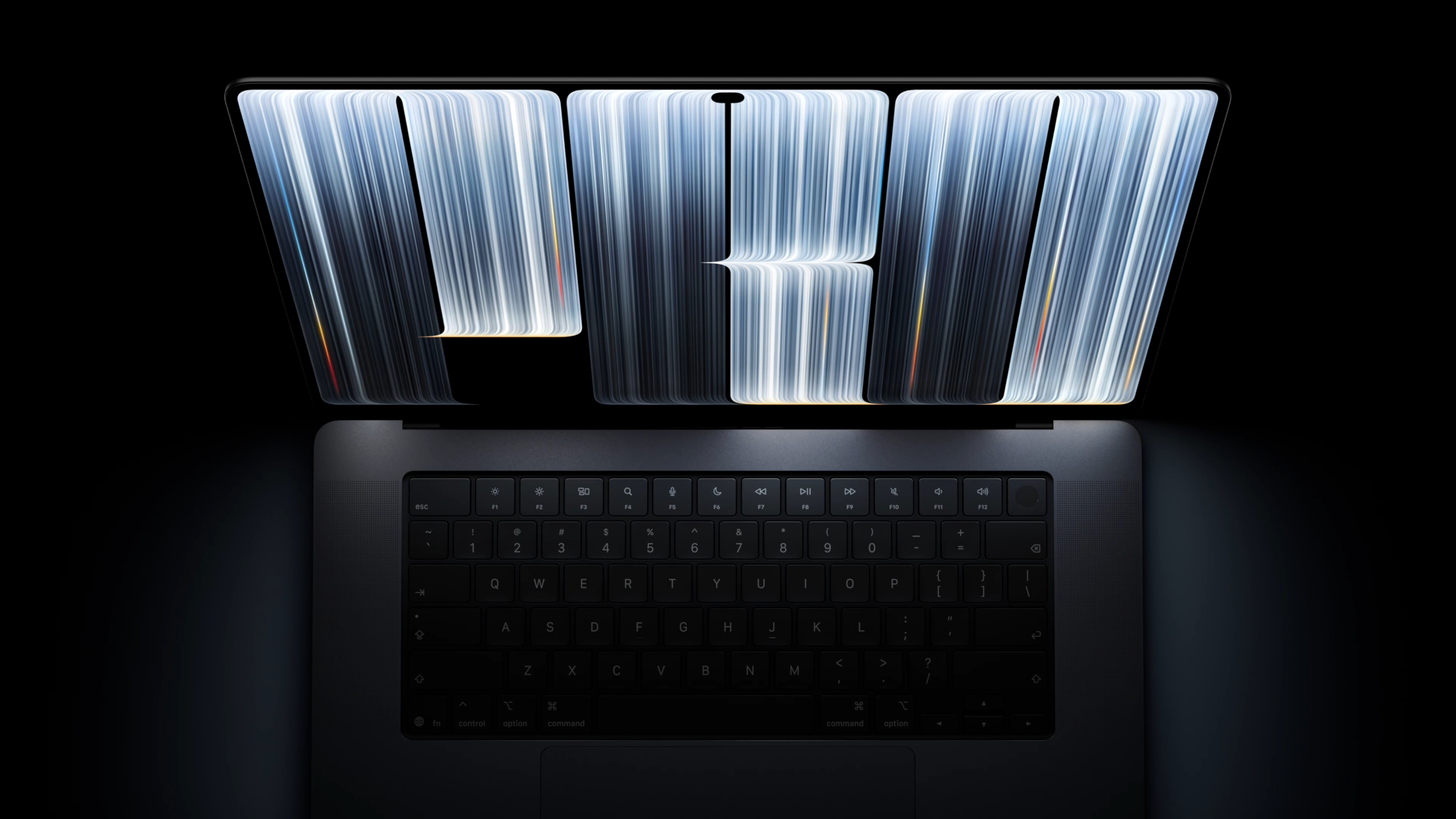
The integration of the OLED XDR display panel represents arguably the most profound visual upgrade in the history of the MacBook Pro line. Unlike traditional mini-LED or LCD screens used in previous generations, each individual pixel on the new OLED panel emits its own light, allowing for true blacks and eliminating blooming effects around bright objects against dark backgrounds.
Industry Reactions and Competitive Implications
The announcement has sent ripples throughout the consumer electronics sector. For years, Windows manufacturers such as Dell, HP, Lenovo, and Microsoft have marketed touchscreens and 2-in-1 convertible form factors as a primary differentiator against Apple’s MacBook lineup. By finally introducing touch functionality to its flagship professional laptops, Apple effectively neutralizes one of the primary consumer arguments traditionally leveraged by Windows PC vendors.
Competitors have yet to issue formal statements regarding Apple’s move, but industry watchers anticipate immediate strategy adjustments across the PC landscape. Integrating touch into a clamshell laptop design—as opposed to a detachable or 360-degree hinge configuration—suggests that Apple believes standard laptop ergonomics remain superior, provided the user is given the optional luxury of direct screen interaction for tasks like scrolling, signing documents, or manipulating graphical assets.
Furthermore, reactions from the software developer community have been largely positive. Companies specializing in digital audio workstations, vector graphics editing, and 3D modeling have expressed enthusiasm about the prospect of combining precise mouse-and-keyboard input with direct multi-touch manipulation.
Broader Market Impact and Future Outlook
The launch of the M5-powered, touchscreen MacBook Pro lineup establishes a new benchmark for premium computing, albeit at a steep financial barrier to entry. With starting prices approaching and exceeding the $3,000 threshold, these machines are explicitly targeted at enterprise professionals and affluent enthusiasts rather than casual consumers or the education sector.
As pre-orders process and the November 6 shipping date approaches, market researchers will closely monitor consumer adoption rates to determine whether the inclusion of touch serves as a major catalyst for upgrade cycles among existing MacBook Pro owners. If successful, this architectural shift could permanently alter Apple’s product roadmap, potentially paving the way for touch interfaces to eventually trickle down into more accessible consumer lines, such as the MacBook Air. For now, however, Apple has firmly signaled that the future of professional computing involves the direct, tangible integration of human touch and advanced display engineering.