Samsung to Discontinue Native Messaging App by July 2026, Paving the Way for a Unified Android Messaging Experience

Samsung has officially announced the impending shutdown of its proprietary Samsung Messages application, with full discontinuation slated for July 2026. This strategic move signals a significant shift in the company’s approach to mobile communication, aligning with broader industry trends towards standardized messaging protocols, most notably Rich Communication Services (RCS). The company has already ceased pre-installing its native messaging app on newer Galaxy devices, including the recently launched Galaxy S26 series, underscoring its commitment to this transition. Until the final discontinuation date, users will still be able to send messages via the app, with the exception of emergency services or contacts. Post-July 2026, Samsung Messages will no longer be available for download from the Galaxy Store.
The Shifting Landscape of Android Messaging: A Historical Context
Samsung’s decision to sunset its messaging app is not an isolated event but rather the culmination of years of evolution in the mobile communication space. For a long time, Android suffered from a fragmented messaging ecosystem. Unlike Apple’s iMessage, which provided a seamless, feature-rich experience exclusively for its users, Android devices relied primarily on the antiquated SMS (Short Message Service) and MMS (Multimedia Messaging Service) standards. These legacy protocols were plagued by limitations such as low-resolution media sharing, lack of read receipts, absence of typing indicators, and often unreliable group chat functionality.
Samsung, like other Android original equipment manufacturers (OEMs), initially attempted to bridge this gap by developing its own suite of applications, including a native messaging app designed to integrate more deeply with its Galaxy ecosystem. Historically, Samsung has experimented with various messaging solutions, such as ChatON, which was launched in 2011 as a cross-platform instant messaging service. While ChatON aimed to compete with the likes of WhatsApp and BlackBerry Messenger, it ultimately struggled to gain significant traction and was discontinued in 2015. These past ventures highlight Samsung’s ongoing efforts to enhance user communication, often through proprietary solutions.
However, the proliferation of third-party messaging apps like WhatsApp, Telegram, and Messenger, coupled with Google’s relentless push for RCS as the universal successor to SMS/MMS, has fundamentally altered the landscape. Google’s vision for RCS is to create an iMessage-like experience for all Android users, regardless of their device manufacturer or carrier. This initiative, dubbed "Chat" by Google, has seen extensive investment and collaboration with mobile carriers worldwide. Samsung’s decision to embrace Google Messages as the official alternative is a strong endorsement of this unified vision, signifying a major step towards consolidating the Android messaging experience.
The Rise of RCS and Google Messages
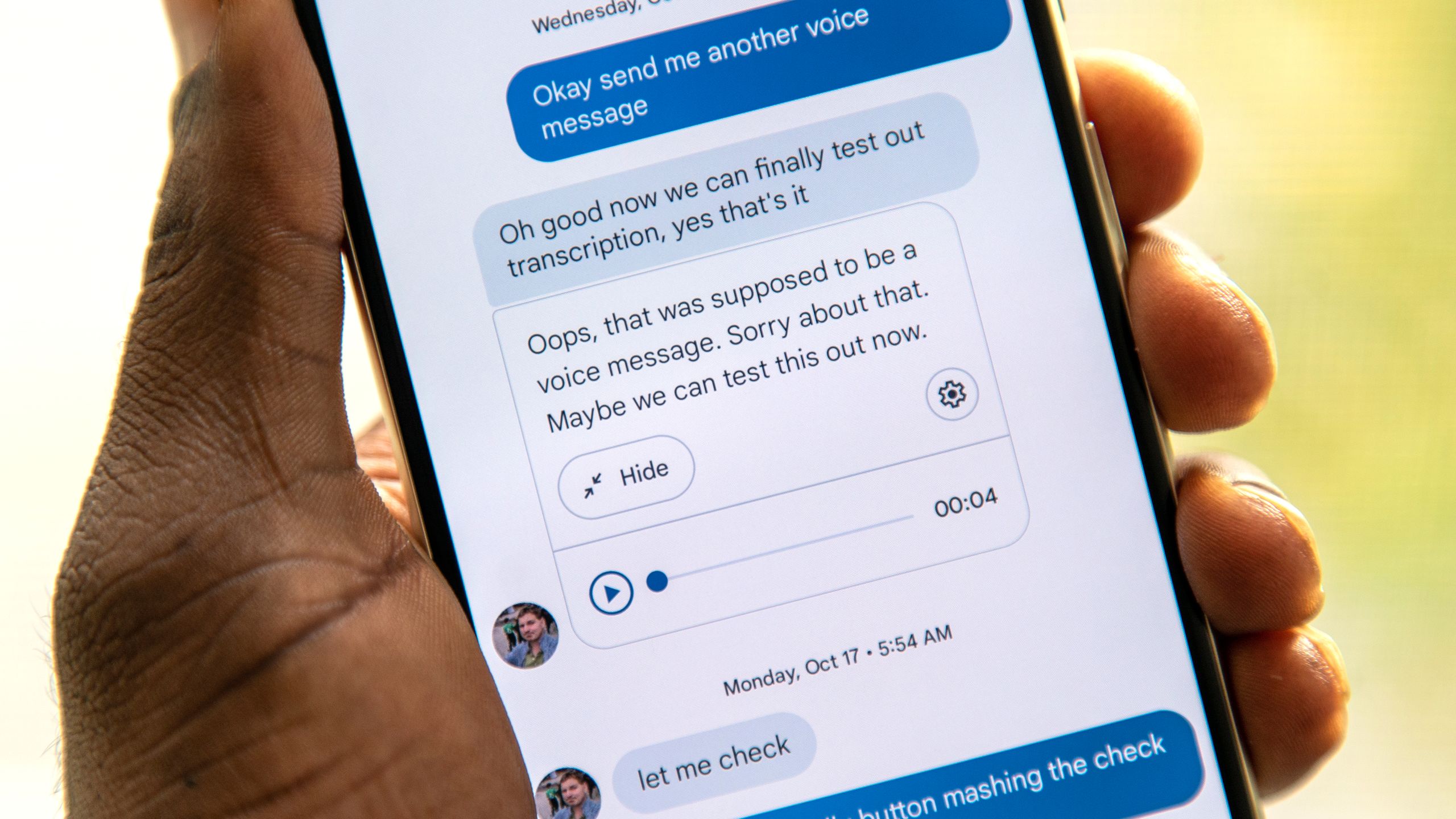
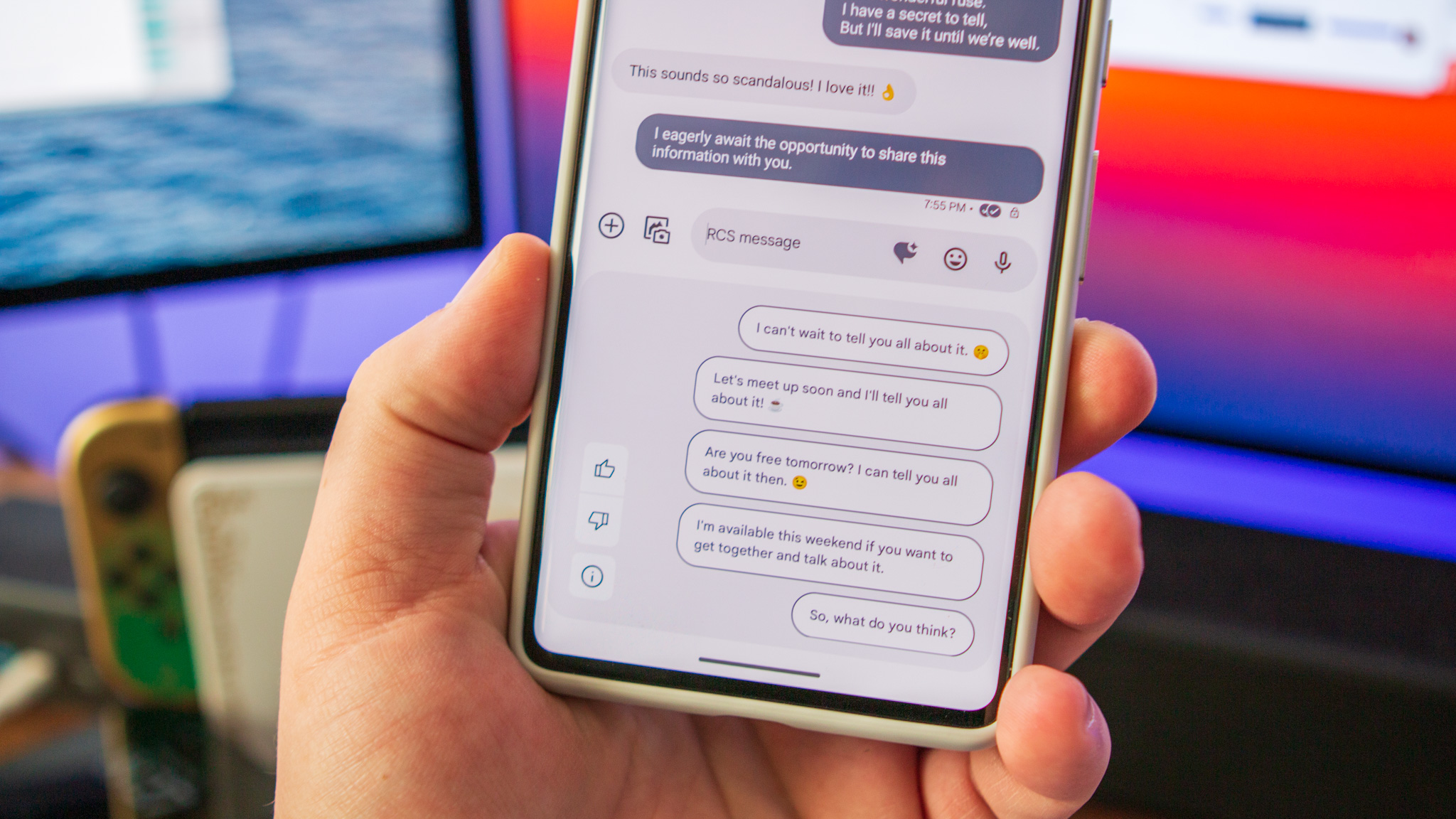
The most direct and officially recommended successor to Samsung Messages is Google Messages. This app is rapidly becoming the de facto standard for Android communication, primarily due to its robust support for Rich Communication Services (RCS). RCS elevates the traditional texting experience by introducing a suite of modern features previously exclusive to internet-based messaging apps. These include:
- High-Quality Media Sharing: Users can send and receive high-resolution photos and videos, a significant upgrade from the compressed media typical of MMS.
- Read Receipts and Typing Indicators: Provides real-time feedback, letting users know when their messages have been seen and when others are typing a response.
- Larger File Sharing: Enables the transfer of larger files beyond the restrictive limits of SMS/MMS.
- Enhanced Group Chats: Offers more dynamic group messaging with features like naming groups, adding/removing members, and improved media sharing within groups.
- End-to-End Encryption (E2EE): Google has been steadily rolling out end-to-end encryption for one-on-one RCS conversations within Google Messages, enhancing user privacy and security. This is a critical feature, especially in an era of heightened digital privacy concerns.
- Cross-Platform Compatibility: With Apple’s recent announcement to adopt RCS in 2024, the promise of seamless, feature-rich texting between Android and iOS devices is finally becoming a reality. This development is arguably one of the most significant factors driving Samsung’s shift, as it removes a long-standing communication barrier between the two dominant mobile ecosystems.
Google Messages is already the default messaging application on the majority of Android smartphones. Over the past year, Google has consistently rolled out new features to enhance its capabilities, including AI-powered tools like "Magic Compose" for generating message drafts and improving existing ones, further integrating its Gemini AI. While Google Messages offers a compelling array of features and a unified experience, it’s not a perfect one-to-one replacement for all Samsung Messages users. Some users may miss Samsung’s deeper chat customization options, specific message categorization features, or a more flexible user interface they had grown accustomed to. Furthermore, the integration of AI like Gemini, while powerful, might not appeal to all users seeking a simpler, more minimalist messaging experience.
The Official Timeline and User Implications
The chronology of Samsung’s messaging app phase-out is clear:
- Recent Past: Samsung ceased pre-installing its native messaging app on new Galaxy devices, including the Galaxy S26 series, indicating a forward-looking strategy.
- Present to July 2026: Users of existing devices can continue to use Samsung Messages for sending and receiving standard texts, except for emergency services. This grace period allows users ample time to transition to alternative applications.
- July 2026 Onwards: The Samsung Messages app will be fully discontinued. It will no longer be available for download from the Galaxy Store, and its functionalities will cease.
This transition has several implications for Samsung users. The primary challenge will be the migration of message history and familiarization with a new interface. While Google Messages offers robust backup and restore options, the process might still require user intervention. For many, the shift will be straightforward, especially for those who already use Google Messages or are accustomed to Google’s ecosystem. For others, particularly those who deeply integrated Samsung Messages into their daily routine, it will necessitate a change in habits. The consolidation, however, promises a more consistent and feature-rich messaging experience across the Android platform, which benefits the entire ecosystem.
Exploring Alternatives Beyond Google Messages
While Google Messages is the recommended and most natural successor, users have a diverse array of other messaging applications available, each with its own strengths and weaknesses. The choice often depends on individual priorities such as privacy, feature set, user base, and platform compatibility.
WhatsApp: The Global Standard
For users willing to move away from the RCS standard for general communication, WhatsApp stands out as the most widely adopted messaging app globally. Owned by Meta, WhatsApp boasts an immense user base, making it incredibly easy to connect with friends, family, and colleagues across various platforms (Android, iOS, desktop). Its feature set is extensive, including:
- End-to-End Encryption (E2EE): WhatsApp employs E2EE by default for all messages, calls, and media, offering a high level of privacy.
- Voice and Video Calls: Integrated high-quality voice and video calling features for individuals and groups.
- Group Chats and Communities: Robust group functionalities, including the more recent "Communities" feature for larger, organized interactions.
- Rich Media Sharing: Supports sharing of documents, photos, videos, and voice notes.
- Message Reactions and Stickers: Enhances expressiveness in conversations.
However, WhatsApp has faced scrutiny regarding its privacy policies and its parent company, Meta. Recent reports and legal claims have raised concerns about whether Meta employees could potentially bypass E2EE to access private messages, although the company has consistently denied these allegations, affirming its commitment to user privacy and the integrity of its encryption. Despite these controversies, WhatsApp’s sheer ubiquity makes it an incredibly convenient option for reaching the broadest audience with minimal effort.
Instagram DMs: The Social Messaging Hub
Perhaps a less conventional but increasingly popular messaging alternative, especially among younger demographics, is Instagram Direct Messages (DMs). Integrated within the Instagram social media platform, DMs offer a unique blend of social interaction and private messaging. Its advantages include:
- Username-Based Communication: Eliminates the need for phone numbers, relying solely on Instagram usernames for connections.
- Casual Conversations: Ideal for quick replies, sharing memes, posts, and stories directly within chats.
- Cross-Platform Messaging: In some regions, Instagram DMs offer integration with Facebook Messenger, enabling cross-app communication within Meta’s ecosystem.
- Engagement Features: Includes chat themes, vanish mode (disappearing messages), message reactions, and the ability to reply to specific messages.
However, Instagram DMs are not designed to be a replacement for traditional SMS or a dedicated, privacy-focused messaging app. A significant concern for privacy-conscious users is Instagram’s recent announcement to move away from end-to-end encryption for DMs starting May 8, 2026. This decision, aimed at enabling greater interoperability and feature development, will diminish the privacy guarantees previously offered, making it a less ideal choice for sensitive communications.
Telegram: The Power User’s Choice
For users seeking a feature-rich, flexible, and often more powerful messaging experience, Telegram is a strong contender. It has garnered a reputation for its extensive capabilities and robust platform:
- Cloud-Based Sync: A major advantage, allowing seamless access to all chat history across multiple devices without manual data migration.
- Massive Group Chats and Channels: Supports groups of up to 200,000 members and public/private channels for broadcasting messages to unlimited subscribers.
- Bots for Automation: A rich ecosystem of bots that can automate tasks, provide information, and enhance functionality.
- Large File Sharing: Users can share files up to 4GB, significantly higher than most competitors.
- Secret Chats: Offers optional end-to-end encrypted "Secret Chats" for highly sensitive conversations, with self-destructing messages and screenshot prevention.
The primary trade-off with Telegram is that its regular chats are not end-to-end encrypted by default. While server-client encryption is used, meaning messages are encrypted during transit, they are decrypted on Telegram’s servers before being re-encrypted and sent to the recipient. For users who prioritize default E2EE across all communications, this distinction can be a deal-breaker, necessitating the deliberate use of "Secret Chats" for true end-to-end security.
Signal: The Privacy Champion
If the absolute highest level of privacy and security is the paramount concern, Signal is widely regarded as the industry standard. Developed by the Signal Foundation, a non-profit organization, it prioritizes user privacy above all else:
- End-to-End Encryption by Default: Every communication on Signal – messages, voice calls, video calls, and media sharing – is end-to-end encrypted by default using the Signal Protocol, which is open-source and widely respected by security experts.
- Minimal User Data Collection: Signal collects virtually no metadata about its users, distinguishing it from most other messaging platforms. It doesn’t store chat history on its servers and requires only a phone number for registration.
- Open-Source Protocol: The underlying encryption protocol is open-source, allowing for independent security audits and transparency.
The main challenge for Signal’s widespread adoption is its relatively smaller user base compared to WhatsApp or Telegram. Its feature set, while solid and reliable, is also more minimal, focusing strictly on secure communication rather than extensive social or automation features. For those willing to convince their close contacts to make the switch, Signal offers an unparalleled level of privacy and security.
The Future of Android Messaging: Unity and Choice
Samsung’s decision to retire its native messaging application marks a pivotal moment for the Android ecosystem. It represents a strong commitment to standardization and unification, driven by Google’s vision for RCS. This move, coupled with Apple’s embrace of RCS, promises a future where cross-platform messaging is finally seamless and feature-rich, diminishing the long-standing "green bubble vs. blue bubble" debate.
While no single app can perfectly replicate every nuanced feature of Samsung Messages, the available alternatives offer a compelling range of options tailored to different user priorities. Google Messages stands as the official and most direct replacement, leveraging RCS to deliver a modern texting experience. For those prioritizing broad reach, WhatsApp remains dominant. For social integration, Instagram DMs offer a casual alternative, while power users might gravitate towards Telegram’s extensive features. And for the privacy-conscious, Signal provides an uncompromised secure communication channel.
Ultimately, this transition pushes Android users towards a more integrated and capable messaging future. It encourages a strategic decision about which platform best suits their communication needs, moving beyond OEM-specific solutions to a more universally accessible and advanced messaging standard. The landscape is evolving, and Samsung users are now at the forefront of this transformation.