How to watch ‘Better Date Than Never’ – stream dating docuseries online from anywhere

The Evolution of the "Heart-Centered" Dating Genre
The success of Better Date Than Never is inextricably linked to its pedigree. Creator Cian O’Clery and the production house Northern Pictures established a new blueprint for reality television with Love on the Spectrum, which first aired on Australia’s ABC before becoming a worldwide hit on Netflix. That series proved there was a massive global audience for "slow TV"—content that prioritizes empathy over artifice.
Better Date Than Never applies this same ethos to a broader demographic. While Love on the Spectrum focused specifically on individuals on the autism spectrum, this newer series expands its lens to include a diverse array of participants who, for various reasons, have reached adulthood without ever experiencing a formal date. This includes people with physical disabilities, those who are neurodivergent, individuals navigating social anxiety, and older adults who are exploring their identities later in life. By stripping away the competitive elements found in shows like The Bachelor or Love Island, the series allows the participants’ genuine personalities and anxieties to drive the narrative, resulting in a program that feels more like a social study than a game show.
Chronological Rollout and Global Availability
The journey of Better Date Than Never began in Australia, where it was commissioned by the Australian Broadcasting Corporation (ABC). The first season premiered in early 2023, quickly becoming a critical darling and a ratings success for the public broadcaster.
- Australia: Season 1 debuted on ABC and ABC iview in January 2023. Due to its popularity, a second season was swiftly commissioned and premiered in early 2024.
- Canada: CBC Gem acquired the rights shortly after the Australian launch, making Season 1 available to Canadian viewers in early 2023, followed by Season 2 in February 2024.
- New Zealand: TVNZ+ followed suit, bringing the series to the "Land of the Long White Cloud" in January 2024.
- United Kingdom: The BBC officially launched the series on April 21, introducing British audiences to the initial cast with a double-episode premiere on BBC Three.
For international viewers or UK citizens traveling abroad, the show is accessible through various digital platforms. In the UK, BBC iPlayer serves as the primary hub for on-demand viewing. In Australia, ABC iview remains the home of the series, while CBC Gem and TVNZ+ provide access for North American and Pacific audiences, respectively.
Participant Profiles: A Study in Diversity and Courage
The heart of the series lies in its cast, each of whom brings a unique set of challenges and aspirations to the screen. The production team spent months casting individuals who were truly looking for love, rather than those seeking a "blue checkmark" on social media.

Olivia: The Advocate
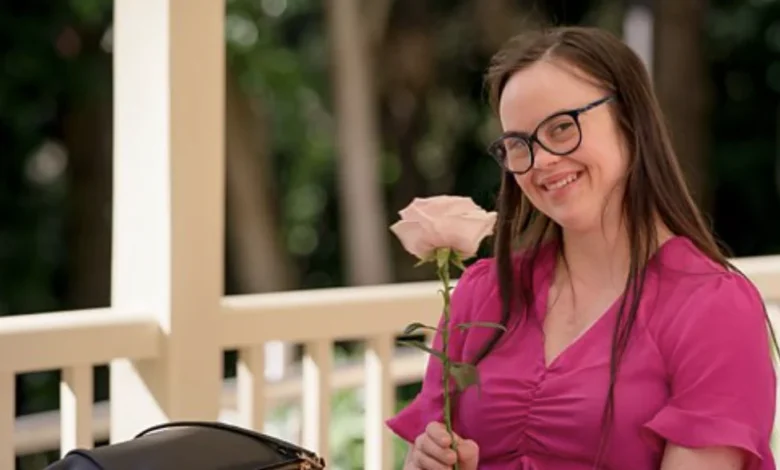
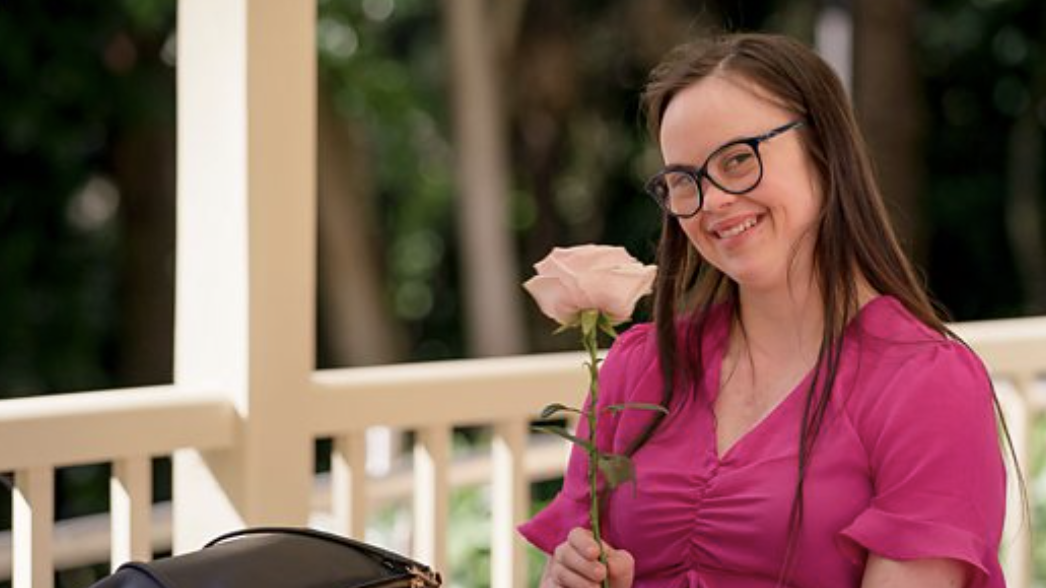
Olivia is a high-achieving advocate for people with Down syndrome. Her journey in the series is particularly poignant as she balances her professional confidence with the personal vulnerability of her first-ever date. Her story highlights the misconceptions society often holds about the romantic lives of individuals with intellectual disabilities.
Charles: Love in Later Life
Charles provides one of the series’ most moving arcs. Having come out as gay later in life, he finds himself navigating a dating scene that is often geared toward a much younger demographic. His story resonates with the LGBTQ+ community and older viewers alike, proving that it is never too late to seek companionship and authenticity.
Nirvali: Overcoming Anxieties
Nirvali represents the millions of people who struggle with profound social anxiety. Her decision to dive headfirst into the dating world is portrayed not as a sudden transformation, but as a series of small, courageous steps. The show meticulously documents her internal struggle and the eventual triumph of her first successful social interaction.

Dianne: Navigating Major Life Changes
Dianne’s story involves a significant life transition that led her to the dating world later in life. Her journey is supported by a close-knit group of friends and family, emphasizing the importance of a support network when embarking on new emotional ventures.
Analysis: The Antidote to "Narcissistic" Reality TV
Media analysts have noted that Better Date Than Never arrives at a time of "reality TV fatigue." For years, the genre has been dominated by what critics often describe as "narcissistic gym bunnies" and "fame-hungry influencers" who utilize dating shows as a springboard for career advancement. These programs often rely on "man-baby" behavior and petulant outbursts to generate viral clips.
In contrast, Better Date Than Never functions as a restorative experience for the viewer. There are no eliminations, no "rose ceremonies," and no artificial stakes. The "drama" is found in the trembling hand of someone meeting a stranger for coffee or the quiet realization that a connection has been made. This authentic documentary feel is reinforced by the cinematography and the lack of a heavy-handed, judgmental narrator. The series treats its participants with a level of dignity that is frequently absent from the genre, making it a "non-dating-show dating show."

Technical Access and Global Viewing Logistics
Given the fragmented nature of international broadcasting rights, many viewers rely on Virtual Private Networks (VPNs) to access the show while traveling. This is particularly relevant for British expatriates or travelers who wish to maintain access to their BBC iPlayer accounts while outside the UK.
A VPN allows a user’s device to appear as though it is located in their home country, bypassing geographical restrictions (geoblocking) imposed by streaming services. While various services exist, industry standards like NordVPN are frequently cited for their ability to provide stable connections for high-definition streaming. The process typically involves:
- Installing the VPN application.
- Selecting a server location (e.g., London or Manchester for UK services).
- Accessing the native streaming app, such as BBC iPlayer, to view the content.
It is important to note that while VPNs are a common tool for accessing domestic content abroad, users must always adhere to the terms and conditions of the specific streaming service they are utilizing.

Broader Impact and Industry Implications
The success of Better Date Than Never is likely to influence future commissions within the reality TV sector. Broadcasters are increasingly looking for "kind" content that aligns with modern values of inclusivity and mental health awareness. The series demonstrates that neurodiversity and disability are not niche topics but are central to the human experience.
Furthermore, the show has sparked important conversations regarding the "loneliness epidemic." By showcasing individuals who have felt isolated from the traditional dating scene, the series provides a sense of representation for viewers who may feel similarly excluded. It validates the idea that social milestones do not have a fixed expiration date and that "better late than never" is a mantra applicable to all aspects of personal growth.
Season 1 Episode Guide
The debut season consists of six episodes that follow the participants through their initial forays into dating:

- Episode 1: Introduces Olivia, Charles, and Nirvali as they prepare for their first-ever dates.
- Episode 2: Focuses on the aftermath of Olivia’s first date and introduces Dianne, who is ready for a major change.
- Episode 3: Charles deals with the emotional difficulty of honest feelings, while Nirvali prepares for a second meeting.
- Episode 4: Liv (a new participant) discusses how her disability has impacted her romantic life; Dianne begins her journey.
- Episode 5: A focus on second dates; Olivia’s connection begins to grow into something more substantial.
- Episode 6: The season finale sees Olivia introducing her date to her family, while Liv and Charles reflect on their newfound confidence and the future of their romantic lives.
As the series continues to expand its global footprint, Better Date Than Never stands as a testament to the power of authentic storytelling. It proves that the most compelling narratives are not found in scripted "villain arcs," but in the quiet, brave moments of real people looking for a place to belong.