Twenty-five years ago, Wax Poetics emerged from the United States as a dedicated beacon for vinyl aficionados, a publication meticulously crafted for the fervent "crate diggers" on their relentless pursuit of rare records. This seminal magazine, born from a deep appreciation for the tangible artifact of the music industry, has recently undergone a significant transformation. In 2024, the torch was passed to two British enthusiasts, Alex Bruh and David Holt, who have steered Wax Poetics into a dynamic new era, evolving it into a comprehensive platform for music collectibles. Beyond just vinyl, their vision now encompasses a curated selection of rare demos, artistic prints, and a rich tapestry of music-related paraphernalia, with a distinct emphasis on sourcing items directly from the artists themselves. This strategic pivot not only honors the magazine’s legacy but also taps into a burgeoning market for physical music artifacts in an increasingly digital world.
The Enduring Allure of Vinyl as a Collectible
The intrinsic appeal of vinyl as a collectible item is a multifaceted phenomenon, deeply rooted in a desire for tangible connection and personal narrative. Alex Bruh articulates this sentiment with clarity: "There’s always a natural instinct to own physical items, right? It gives you a connection to the music, it means you’re more likely to spend more time with it." He further elaborates on the personal significance of his own collection, viewing it as a "story of my life," a chronological map of his evolving musical tastes. This personal journey, punctuated by genres and eras, resonates with many collectors who imbue their vinyl with memories and emotions.
David Holt echoes this sentiment, highlighting the perceived superiority of physical media over the ephemeral nature of digital streaming. "I think with the internet, people are too quick to write off old mediums," he observes. "Everybody thinks that ease and accessibility are people’s main drivers, but I would say it’s more about experience and quality. And from that perspective, vinyl is still the best medium for the job." Holt emphasizes that vinyl transcends mere audio playback; it represents a comprehensive artistic statement. "It’s about more than just the music. We see behind the scenes of a lot of artists’ processes, things like creating the artwork, the contracts, and vinyl is the best distillation of that. CDs and tapes do it as well, but streaming definitely doesn’t."

This assertion is supported by a growing trend observed in the music industry. While precise global sales figures for physical media fluctuate, reports from industry bodies like the RIAA and IFPI consistently show a steady resurgence in vinyl sales, often outperforming other physical formats. This indicates a tangible, quantifiable demand that counters the notion of its obsolescence. Bruh adds a crucial layer to this discussion, noting that in an age saturated with digital content, physical formats possess an inherent longevity. "The physical formats are the ones that stand the test of time. Demand for vinyl might vary, but it’s never going away. What you see now is a counter movement to everything that’s going on in the digital space. The more people talk about streaming and AI, the more it drives this subset of people towards the physical formats." This dynamic positions vinyl not just as a nostalgic indulgence but as a deliberate choice in the face of rapidly advancing, yet potentially impersonal, technological landscapes.
The Paradox of Streaming: Fueling Vinyl’s Revival
The relationship between the dominance of music streaming and the resurgence of vinyl is a curious paradox, one that Bruh and Holt explore with insightful perspectives. Holt posits that streaming, while seemingly antithetical to physical media, has inadvertently become a catalyst for vinyl’s renewed popularity. "Yeah, I do," he affirms when asked if streaming has made vinyl more collectible. "For artists, streaming is quite negative. But for consumers, it’s quite attractive, because you can access music very, very easily. Streaming has actually made me buy more records, because it’s cut out the wastage. I think streaming is definitely driving vinyl sales."
This "wastage" he refers to could be interpreted as the overwhelming volume of music available through streaming services, which can lead to a passive consumption rather than an active engagement. Holt elaborates on the potential pitfalls of unchecked streaming, particularly with the advent of AI-generated playlists: "But when you just let your streaming roll, and you’re not curating it, and it starts chucking AI at you, you lose faith in it." This loss of faith in curated, effortless digital access pushes some listeners back towards the more deliberate and curated experience of vinyl. He concludes this thought with a bold prediction: "But vinyl is now becoming so popular that maybe it doesn’t need to rely on streaming anymore." This suggests a potential for vinyl to establish its own independent momentum, driven by its inherent qualities rather than as a mere counterpoint to digital trends.
The idea of a "backlash" against the ephemeral and digital nature of modern media is a recurring theme. As the digital realm becomes increasingly intangible, the desire to possess a physical object, something to hold and interact with, gains prominence. Bruh embraces this concept, stating, "I think backlash is an interesting way of putting it. Collecting does have a little whiff of punk rebellion about it. Music is such a strong passion for people, and the experience you get from streaming just isn’t the same." This notion of rebellion, of a conscious choice to opt for a more tactile and engaging form of music consumption, speaks to a deeper human need for authenticity and connection.

Defining Collectibility: Monetary Value vs. Personal Significance
The question of what constitutes a "collectible" piece of vinyl opens a fascinating discussion about value. Holt differentiates between two primary motivations for collecting: the pursuit of financial investment and the desire for personal connection. "It depends on what makes it collectible to you," he explains. "If you want an asset that you can sell in 20 years to make some money, then you’re looking at scarcity, provenance, hype, all those things." This perspective aligns with traditional collecting principles, where rarity and historical significance drive market value.
However, Holt’s personal approach shifts the focus to emotional resonance: "Whereas for me personally, I’m looking for records that soundtrack a moment that I was involved in, whether it’s a club night or a gig, or an artist that I’m interested in finding." This highlights the subjective nature of collectibility, where personal memories and experiences can imbue an item with immeasurable value, irrespective of its market price. He further elaborates on this by admitting to collecting works by artists he admires, even if he doesn’t personally find every record in their discography exceptional. "I buy loads of records by artists that I like, but I don’t necessarily like the records themselves. I’m a completist—I might really respect the artist, but I might think their 80s stuff wasn’t much cop. Roy Ayers springs to mind—he’s got an awesome catalogue, but doesn’t kill it on every record. But I still need to have it!" This reveals a deep-seated passion for the artist’s entire oeuvre, a desire to own the complete narrative, even if individual pieces are not masterpieces.
Bruh offers concrete examples of highly valuable vinyl, underscoring the tangible monetary aspect of collectibility. "We had a test pressing of Afrika Bambaataa’s Planet Rock that we got from Arthur Baker, who produced that record. And some of the Masters At Work acetates that came direct from Louie Vega are really limited, they sell for around $700 upwards." These examples illustrate the upper echelons of vinyl collectibility, where rare pressings, artist provenance, and historical significance converge to create significant market value. The value here is quantifiable and sought after by serious collectors and investors alike.
The Future of Vinyl: Challenges and Optimism
Despite the undeniable resurgence, the vinyl industry faces its own set of challenges. Holt identifies cost as a significant barrier to wider adoption. "Vinyl still has some problems to iron out, one of which is cost. A new record [can be] £40/50, which is expensive. The major labels need to be less greedy." This pricing issue can deter casual listeners and even dedicated fans from expanding their collections. The production costs associated with vinyl, coupled with demand, have led to increased prices for new releases.
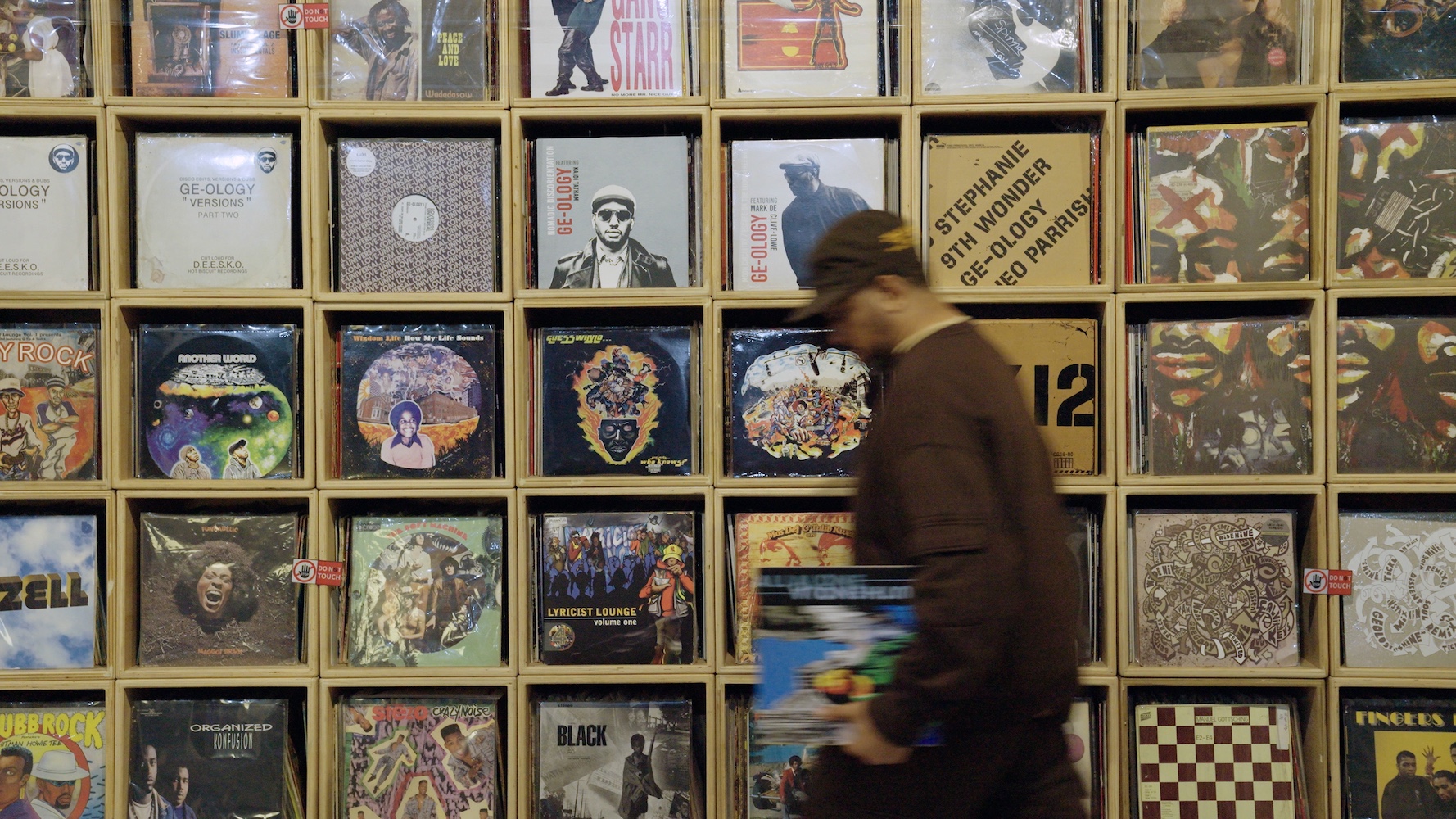
However, Holt remains fundamentally optimistic about the future of vinyl. He observes a broad demographic appeal, noting that "the demand for vinyl will continue, from the young and old alike." His personal experience at his local record store in North London, which he describes as "always busy, and it’s full of people from all different generations," serves as a powerful anecdotal testament to vinyl’s enduring and cross-generational appeal. This observation is supported by market data indicating that younger demographics, who grew up in the digital age, are increasingly turning to vinyl, demonstrating that its appeal is not solely rooted in nostalgia but in a genuine appreciation for its unique qualities.
He concludes with a heartfelt observation: "So I think vinyl has got a bright future. The world is moving more towards it again, which I find really heartwarming." This sentiment encapsulates the passion and dedication that fuel the vinyl community, suggesting that beyond the economic and technological shifts, the love for music in its most tangible form will continue to thrive. The ongoing demand, coupled with the increasing accessibility of information and resources for collectors—such as guides on buying second-hand vinyl and setting up turntables—further solidifies the belief in a robust and evolving vinyl landscape. The industry’s ability to adapt and innovate, while staying true to its core values, positions it for continued relevance and growth in the years to come.