The definitive guide to the best laptops of 2025: Expert reviews and top recommendations

For thirty-four years, Laptop Mag has served as the industry standard for hardware evaluation, tracing its origins back to the foundational Laptop Buyers’ Guide and Handbook. Today, that legacy continues with a commitment to rigorous, lab-based analysis that cuts through the noise of the consumer electronics market. As the landscape of personal computing evolves with the integration of advanced neural processing units (NPUs) and a new generation of silicon from Apple, Intel, AMD, and Qualcomm, the process of selecting the right machine has become increasingly complex. This guide provides a definitive overview of the current market leaders, synthesized from thousands of hours of testing to ensure that whether you are a student, a professional, or a competitive gamer, your investment is backed by data.
The summer of 2025 represents a stabilized point in the release cycle. Following the major announcements at CES and Computex earlier in the year, the market has matured, allowing for a comprehensive assessment of how these diverse architectures perform under real-world pressure.
The Current Hardware Landscape and Performance Benchmarks
The shift toward specialized AI-capable processors has been the primary driver of innovation over the last twelve months. While the marketing push for AI PCs is significant, our laboratory findings indicate that the most tangible benefits for users currently reside in raw efficiency and thermal management rather than immediate generative AI breakthroughs.
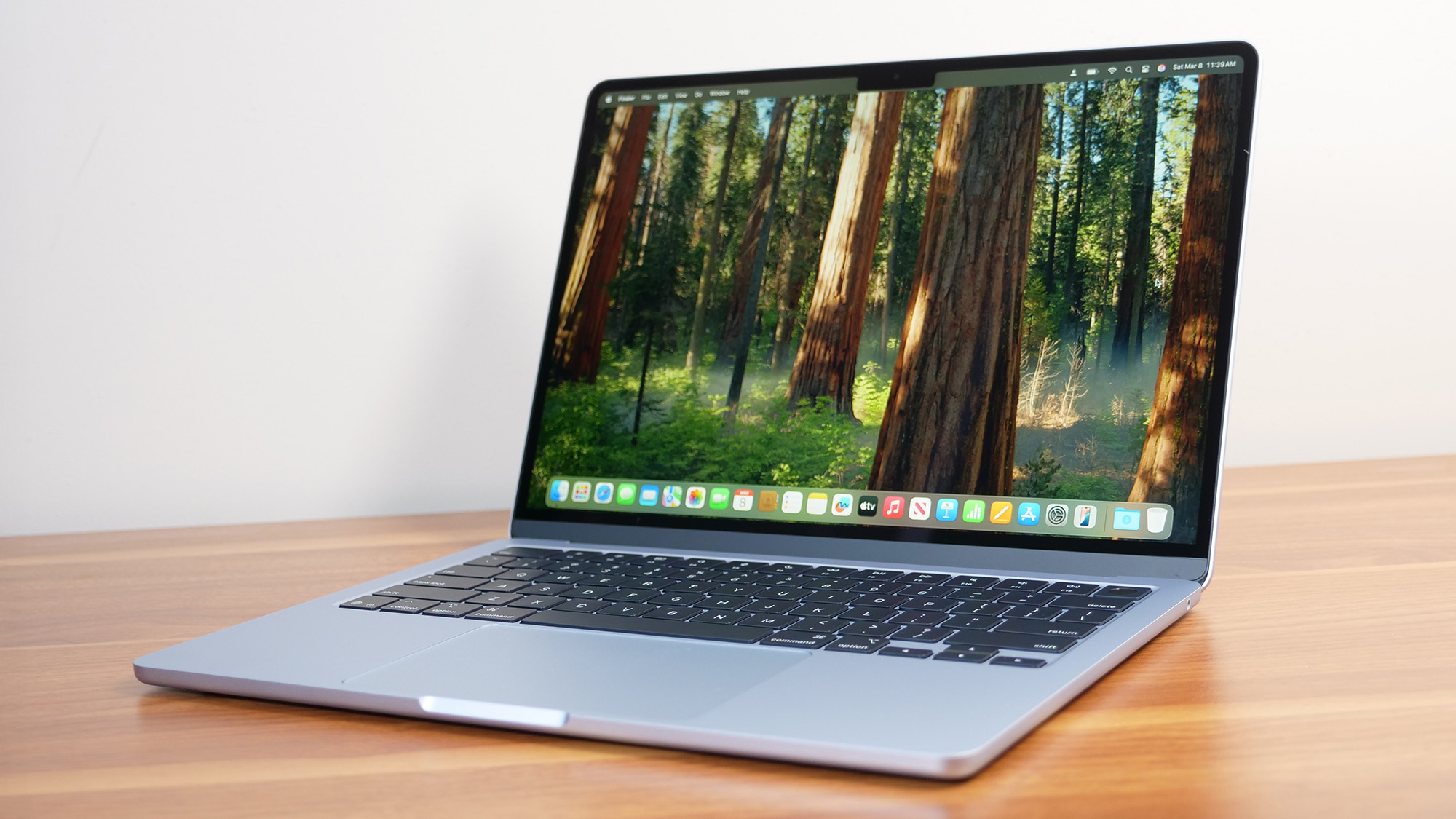
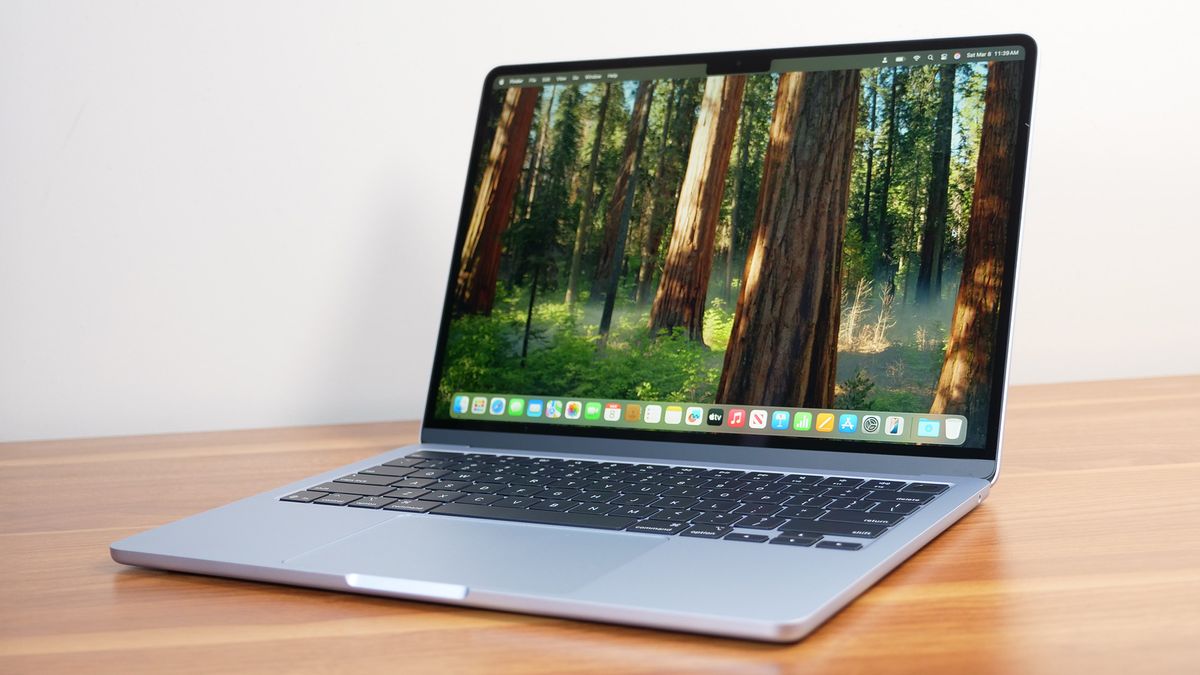
The Apple MacBook Air 13-inch M4 remains the premier choice for the majority of users. By integrating the M4 chip into its chassis, Apple has achieved a rare balance of portability and power. Weighing just 2.7 pounds and measuring 0.44 inches thick, it continues to set the standard for ultraportable design. Notably, Apple has returned to a $999 starting price point, a significant adjustment that arrives alongside a base memory configuration of 16GB of RAM. In our standardized Geekbench 6 testing, the M4-equipped Air achieved a multi-core score of 14,849, a marked improvement over previous generations. Furthermore, the device yielded nearly 16 hours of continuous battery life, a testament to the efficiency of the M-series architecture.
For those requiring high-performance computing, the 16-inch MacBook Pro M4 Pro represents the ceiling of current consumer-grade mobile hardware. During our testing, the M4 Pro configuration outperformed the previous M3 Max models by 7% in aggregate performance while providing an additional three hours of battery life. This efficiency allows the machine to achieve 20 hours and 46 minutes of runtime in our video-loop battery stress test, effectively eliminating the "tethered" lifestyle common with high-performance Windows workstations.

Windows and the Rise of the Snapdragon X Elite
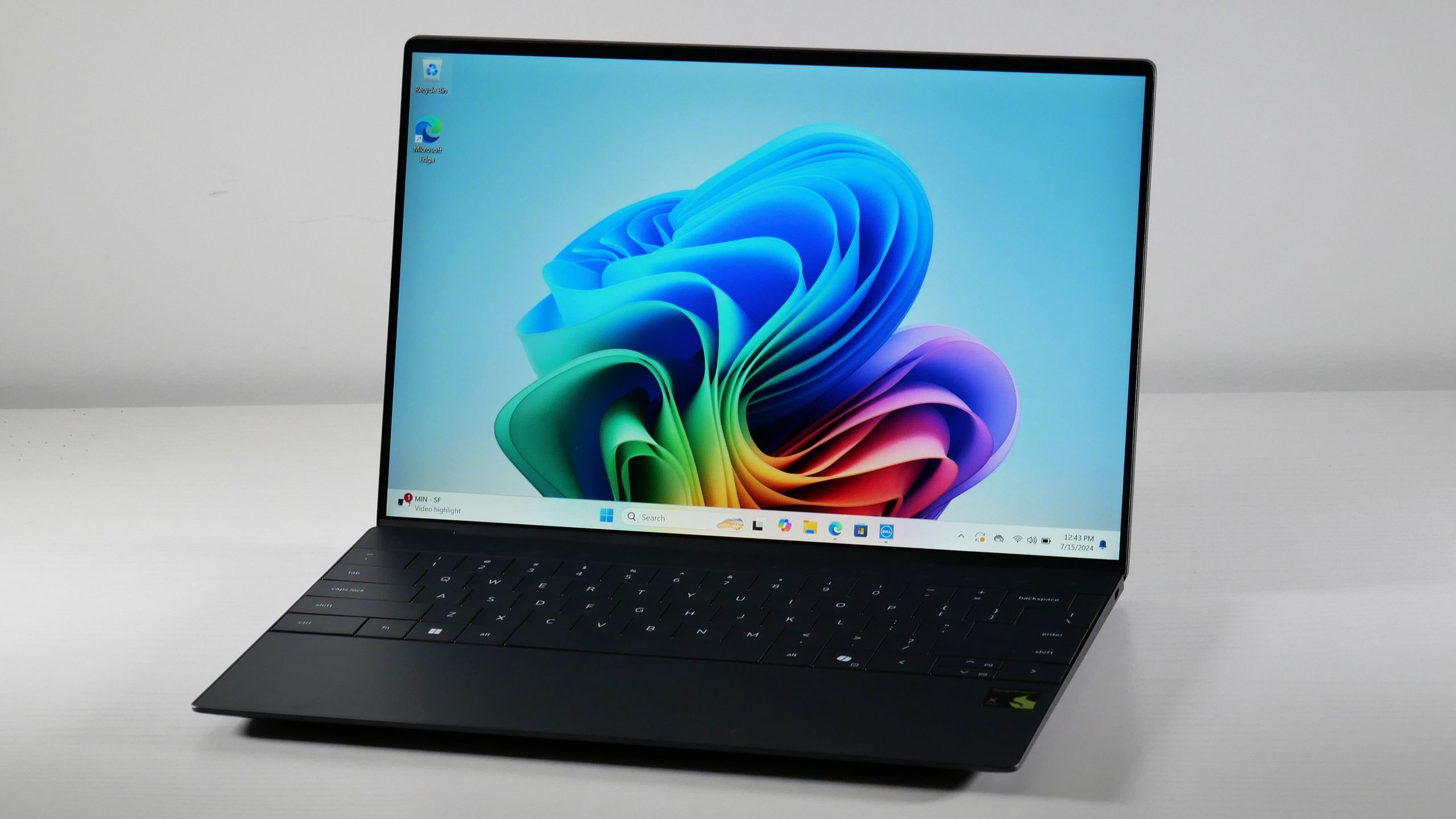
The Windows ecosystem has seen a paradigm shift with the introduction of Qualcomm’s Snapdragon X Elite. The Dell XPS 13 9345 serves as the primary example of this shift. By leveraging ARM-based architecture, this machine achieved a multi-core score of 14,635 in Geekbench 6.3, outperforming several x86-based competitors. Most impressively, the XPS 13 9345 recorded over 19 hours of battery life—a figure that previously seemed unattainable for thin-and-light Windows devices. This confirms that the transition toward ARM-based computing is successfully addressing the long-standing battery disparity between macOS and Windows.
However, choice remains essential. For business professionals, the Asus ExpertBook P5 has emerged as a standout, offering a 144Hz refresh rate display and a robust port selection that eliminates the need for external dongles. Its focus on thermal management—maintaining a peak surface temperature of 95.4 degrees Fahrenheit during heavy workloads—positions it as a superior choice for long-duration office productivity compared to more compact, high-heat alternatives.
Gaming and Desktop Replacement Capabilities
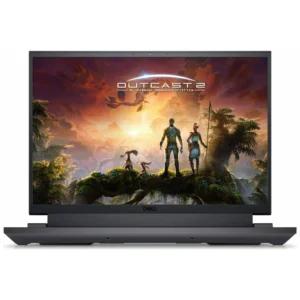
The gaming segment is dominated by the MSI Raider 18 HX AI. This machine is designed specifically for those who view a laptop as a primary desktop replacement. Equipped with an Nvidia GeForce RTX 5080 and a 4K MiniLED display capable of 668 nits of peak brightness, it is built for performance rather than mobility. The Raider consistently hit 153 fps in Assassin’s Creed: Mirage at 1080p, demonstrating that while it lacks the endurance of the MacBook Pro or the XPS 13—lasting only 2.5 hours on battery—it offers a level of graphical fidelity that remains unmatched in the current laptop market.
How We Maintain Editorial Integrity in Testing
Our methodology is designed to reflect the actual experience of a consumer. Each year, we subject over 100 laptops to a standardized testing protocol. This involves:
- Synthetic Benchmarking: Using Geekbench 6 and 3DMark to provide a baseline for raw CPU and GPU capability.
- Real-World Productivity Simulation: Our in-house macro test, which matches 65,000 names with addresses, provides a metric for multi-threaded office performance.
- Video Transcoding: Utilizing the Handbrake 1.6 encoder, we measure how long a machine takes to convert a 4K file to 1080p, a crucial test for content creators.
- Display and Thermal Analysis: We use industrial-grade colorimeters to determine the DCI-P3 color gamut and brightness, alongside thermal imaging to assess the user experience under load.
- Endurance Testing: The Laptop Mag battery test, conducted at 150 nits of brightness, ensures that our battery life claims are based on consistent, replicable conditions.
Strategic Implications for Consumers
When determining the "best" laptop, consumers should prioritize their specific ecosystem. The "AI PC" designation is currently a secondary factor; while chips like the Intel Lunar Lake or AMD Ryzen AI 300-series offer future-proofing, the primary decision factors remain battery longevity, display quality, and operating system preference.
For the student, the Asus Zenbook 14 OLED remains the optimal intersection of cost, battery life, and portability. Its 15-hour and 52-minute battery performance allows for a full day of classes without the need for a charger, and its color-accurate OLED display meets the needs of most entry-level design work.

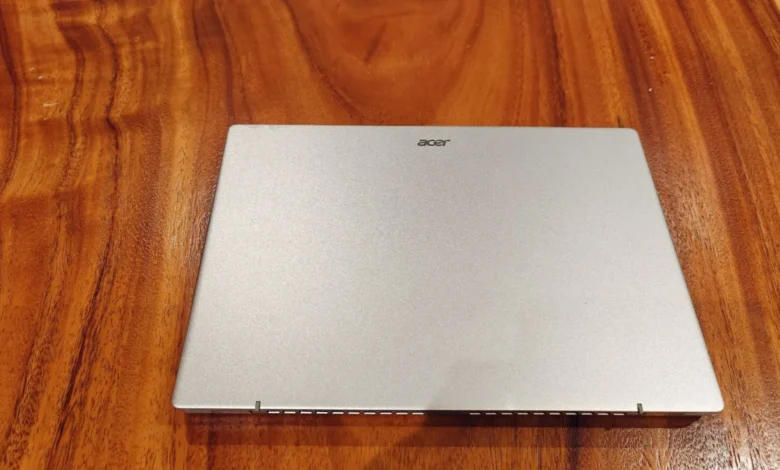
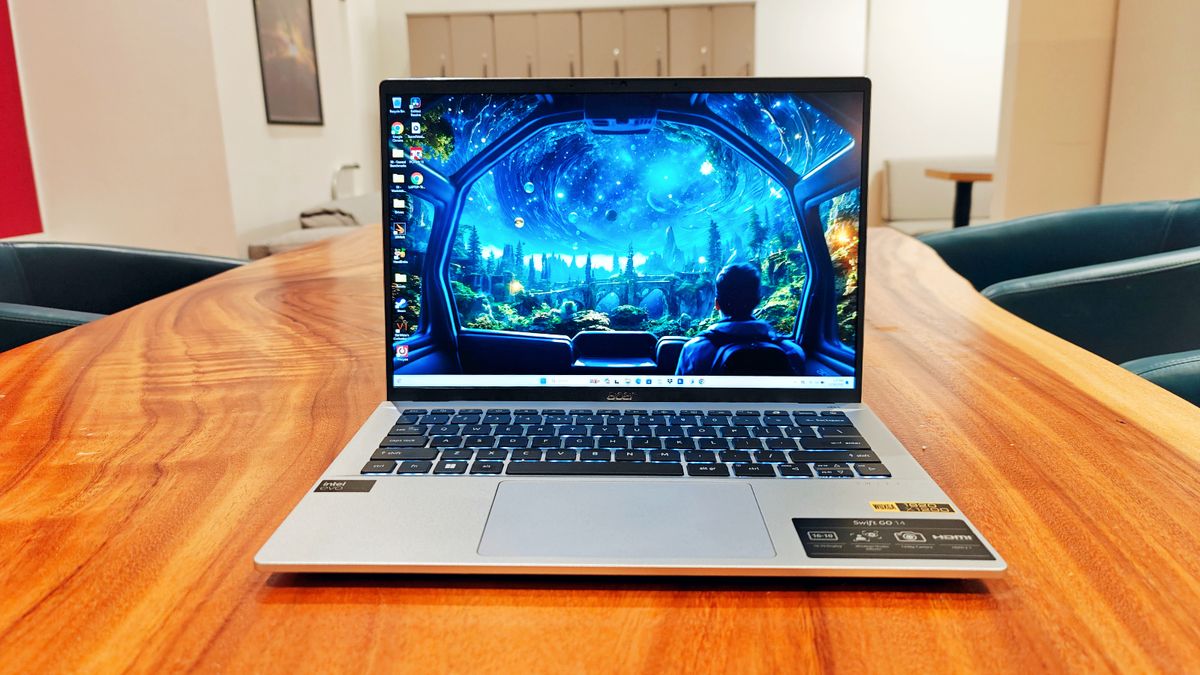
For those on a budget, the Acer Swift Go 14 continues to defy expectations. By providing an all-aluminum chassis and performance that outpaces more expensive models in its class, it demonstrates that value-tier computing no longer requires significant compromise. While its speaker quality and display color gamut are secondary to premium alternatives, the value-to-performance ratio is industry-leading.
Future Outlook and Closing Considerations
As we look toward the remainder of the year, the market is expected to see further refinement in the integration of AI-optimized software. However, the hardware fundamentals—portability, thermals, and endurance—remain the bedrock of a good purchase.

The decision-making process should follow a hierarchy of needs. First, establish your operating system requirements; macOS and Windows are increasingly comparable in performance, but software compatibility remains the primary divide. Second, determine your portability needs; a 13-inch chassis is generally the upper limit for daily commuters, while 16-inch models are reserved for those who prioritize screen real estate over weight. Finally, consider your thermal and noise tolerance. High-performance machines like the MSI Raider 18 HX require active, audible cooling, whereas the MacBook Air functions in silence.
By focusing on these metrics, consumers can navigate the current abundance of options with confidence. Our, testing confirms that there is no longer a "bad" laptop from major manufacturers, but there is certainly a "wrong" laptop for specific workflows. Whether you opt for the battery-efficient Snapdragon-powered Dell XPS or the high-performance M4 Pro MacBook, the technology available today offers a level of capability that would have been unthinkable just a few years ago. Our commitment remains to monitor these developments, providing the data necessary to ensure that your next laptop serves you effectively for years to come.