Google is testing a persistent system status bar for future Wear OS releases to unify the smartwatch user experience.

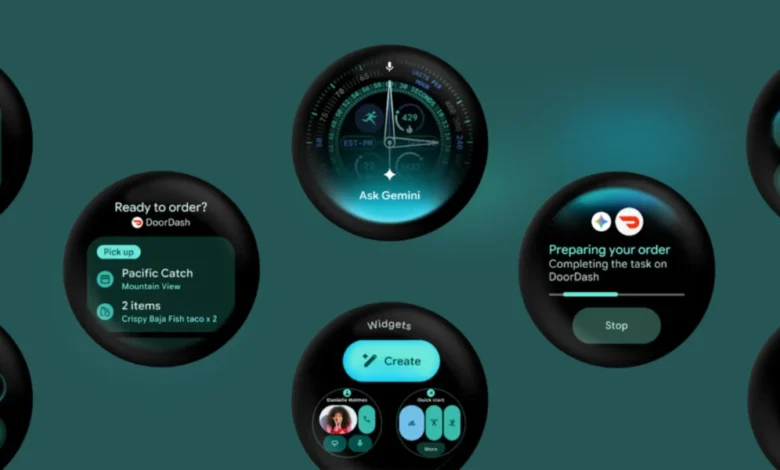
The evolution of wearable technology has long been defined by a delicate balance between screen real estate and functional density. This week, Google provided developers with a significant glimpse into the future of its wearable operating system, Wear OS, by unveiling a canary emulator that introduces a persistent system status bar. This design shift, which mirrors the long-standing interface paradigms of Android on smartphones and tablets, signals a move toward greater consistency across the Google ecosystem. By integrating a dedicated space for time and system indicators at the top of the circular display, Google aims to standardize how users interact with information across various applications.
The Technical Evolution of the Wear OS Canary Emulator
On October 26, Google pushed a new update to the Android Studio emulator environment, specifically targeting developers working within the Wear OS ecosystem. This release, identified as Wear OS 7.1 (API level 37.2-beta1), is built upon the Android 17 “CinnamonBun” framework under build ID CP41.260831.001.E8. The release is designed as a sandbox for developers to stress-test upcoming platform features and user interface modifications before they reach the consumer market on physical hardware.
The most notable inclusion in this preview is the "system status bar," a feature that occupies the top arc of the watch face. While current Wear OS implementations rely on app-specific designs or inconsistent notification headers, this new interface element promises a standardized look. According to documentation provided by Google, these indicators will utilize consistent typography, placement, and backplates, ensuring that whether a user is checking their heart rate in a fitness app or managing their calendar, the essential system information remains uniform.
However, it is important to note that this functionality is currently in its nascent stages. In the canary emulator, the status bar displays a placeholder star icon rather than functional status indicators such as battery levels, connectivity strength, or Bluetooth status. Furthermore, Google has explicitly stated that while this feature is being showcased in the current developer build, it will not be present in the stable release of Wear OS 7.1. This indicates that the feature is intended for a "later platform release," likely positioning it as a cornerstone of a subsequent major iteration of the operating system.
Chronology of Wear OS Interface Development
The transition toward a unified status bar is the latest chapter in a long history of design iterations for Google’s wearable platform. Since the rebranding from Android Wear to Wear OS in 2018, the interface has undergone significant transformations.
Early versions of the platform were largely experimental, with navigation and information density varying wildly between OEMs like Samsung, Fossil, and Mobvoi. The 2021 release of Wear OS 3, a collaborative effort between Google and Samsung, marked a turning point by establishing a more cohesive design language. Despite this, the lack of a system-wide status bar meant that developers were often tasked with designing their own ways to display critical information, leading to a fragmented user experience.

By moving to a persistent status bar, Google is essentially applying the "Material Design" philosophy to the wrist. This approach echoes the 2014 introduction of Material Design for Android 5.0 Lollipop, which sought to create a "digital paper" aesthetic that felt familiar across devices of all sizes. The current testing phase in the canary emulator suggests that Google is now ready to apply these same rigorous interface standards to the constraints of circular displays.
Implications for Application Developers
For the developer community, the introduction of a persistent status bar necessitates a shift in how they design the upper portion of their application interfaces. Currently, apps often utilize the full extent of the screen, including the very top, for layout elements. With a system bar now competing for that space, developers will need to adjust their margins and UI components to avoid content being obscured by the time and status indicators.
Google has acknowledged this challenge by confirming that the status bar will support a "fullscreen" toggle. Apps that require an immersive experience—such as detailed maps, high-fidelity media players, or specific health monitoring dashboards—will have the capability to hide the status bar when necessary. This provides a necessary compromise between system-level consistency and application-specific utility.
The standardization of the "backplate"—the background area behind the clock and status icons—is particularly important. By enforcing a uniform backplate, Google is preventing the status bar from clashing with the colors or textures of individual app designs. This level of control is typical of Apple’s watchOS, which has long used a consistent status indicator system, and suggests that Google is moving toward a more structured, predictable interface environment.
Supporting Data and Industry Context
The wearable market is currently witnessing a period of maturation. According to industry analysis, global smartwatch shipments have remained resilient, with a growing consumer demand for deeper integration between mobile devices and wearables. The "connected ecosystem" is the primary value proposition for manufacturers like Google and Samsung.
When considering the implications of the Android 17 "CinnamonBun" base, it is clear that Google is aligning its wearable strategy with its broader mobile strategy. Android 17 is expected to bring significant updates to system-level notification management and battery optimization. By tying the Wear OS status bar development to this platform, Google is likely preparing for a future where smartwatches act as more independent computing nodes, requiring the same "at-a-glance" system awareness as a smartphone.
The decision to limit this feature to a canary emulator—and to explicitly exclude it from the stable Wear OS 7.1 build—highlights Google’s cautious approach to UI changes. Wearables are intimate devices; sudden changes to the navigation or layout can lead to user frustration. By giving developers several months, or potentially a year, to adapt their apps, Google is attempting to ensure that when the status bar eventually goes live for the general public, it feels like a natural evolution rather than an intrusive disruption.

Broader Impact and Future Outlook
The shift to a persistent status bar is more than a cosmetic update; it is a fundamental change in the "contract" between the operating system and the application. Currently, the system is a backdrop for apps; with the introduction of a permanent status bar, the system becomes a persistent participant in the UI.
This change will likely facilitate better battery management transparency. If users can always see their status indicators, they are more likely to notice when an application is causing excessive battery drain or when connectivity drops, potentially leading to higher standards for power efficiency in the third-party app ecosystem.
As the industry looks toward the next 18 to 24 months, the role of Wear OS as a core component of the Android experience will only grow. The integration of "CinnamonBun" and the transition to a more unified UI suggests that Google is no longer treating Wear OS as a side project or an experimental platform, but as a primary pillar of its consumer software strategy.
While users wait for the official rollout of these changes in a future stable build, the development community has been given a clear roadmap. The next year will be characterized by the adoption of these new UI guidelines, as developers update their software to respect the new system-level boundaries. For consumers, the eventual result will be a smartwatch interface that feels more polished, predictable, and aligned with the high standards of performance and design that have defined the Android mobile experience for over a decade.
Ultimately, Google’s willingness to experiment in the open, via canary emulators, underscores the company’s commitment to transparency with its developer partners. By inviting early testing and feedback, the company is ensuring that when the status bar finally arrives on wrists everywhere, it will be a well-integrated, functional, and highly polished addition to the Wear OS experience. As the platform matures, this move toward standardization will likely prove to be one of the most significant UI adjustments in the history of Google’s wearable technology.