Insta360 Unveils "Luna" Camera Series, Signaling Aggressive New Challenge to DJI’s Pocket Lineup

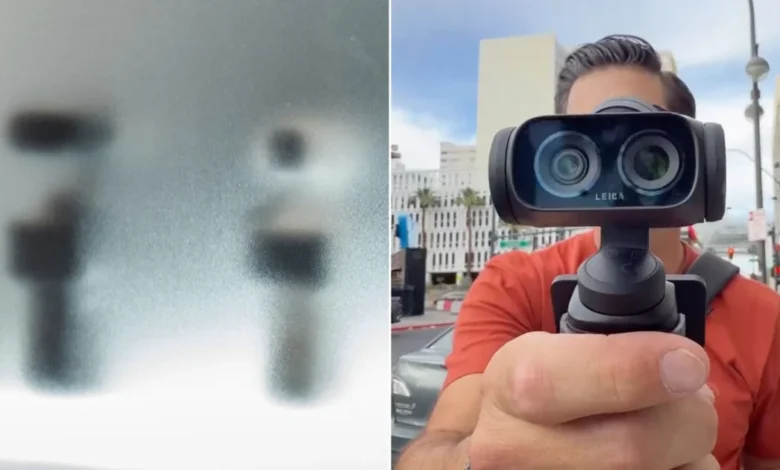
LAS VEGAS – In a significant move that is poised to intensify the competitive landscape of compact imaging devices, Insta360 has officially teased its brand-new "Luna" camera series. The revelation, made at the company’s expansive booth during the National Association of Broadcasters (NAB) Show 2026, signals a direct confrontation with DJI’s highly successful Osmo Pocket line. The Luna Pro and Luna Ultra, the initial models announced, are co-engineered with the renowned German optics giant Leica, a partnership that has previously yielded impressive results in Insta360’s Ace Pro action cameras.
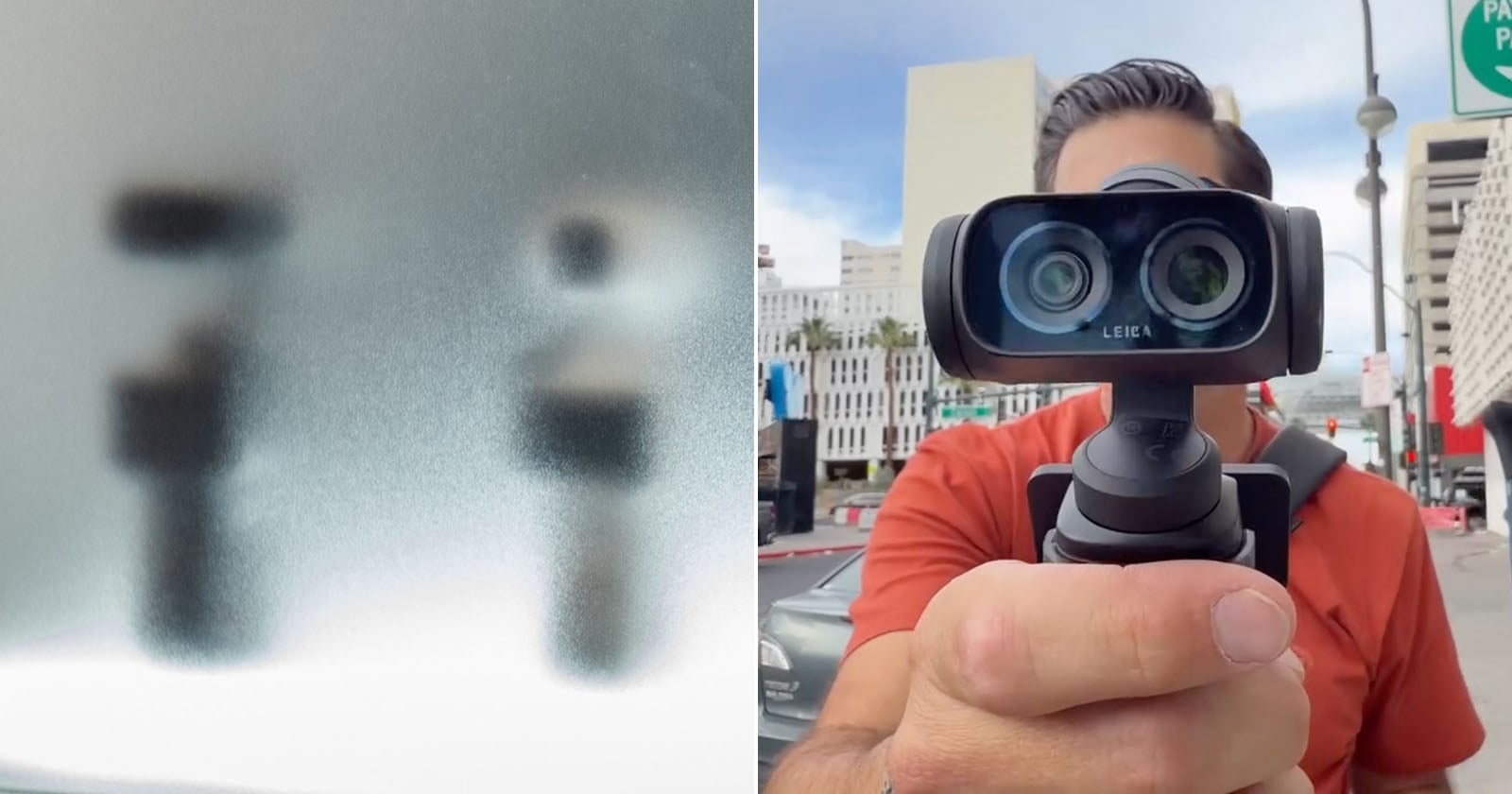
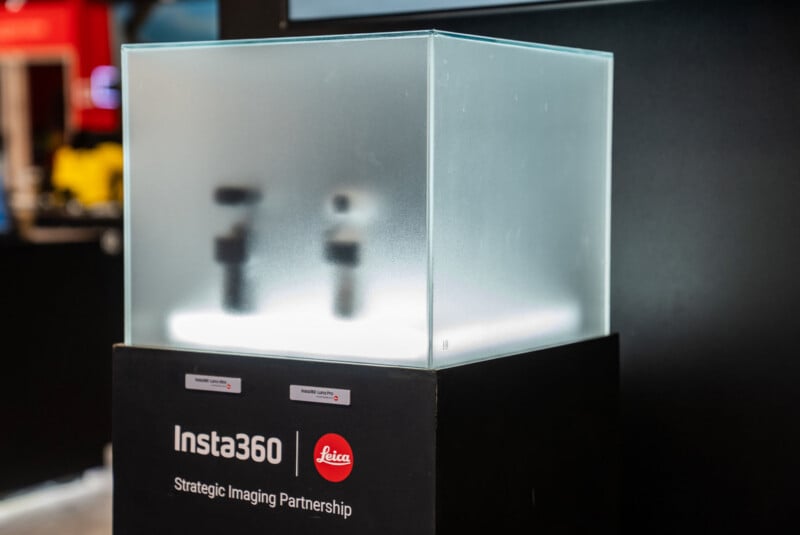
While details remain under wraps, the design of the Luna cameras, glimpsed through a frosted glass display, strongly suggests a form factor mirroring the popular Osmo Pocket. This strategic positioning indicates Insta360’s ambition to capture a significant share of the market segment that favors pocketable, high-performance cameras for vlogging, travel, and everyday content creation. The unveiling at NAB, a premier global event for broadcast, media, and entertainment professionals, underscores Insta360’s intent to target not just prosumers but also those seeking professional-grade tools in a compact form.
Strategic Partnership with Leica: A Hallmark of Quality
The collaboration with Leica is a critical element of the Luna series. This partnership, first announced in March 2025, has already established a reputation for delivering exceptional image quality and optical prowess. The "Strategic Imaging Partnership" displayed at the booth emphasizes the shared commitment to innovation and superior visual capture. For the Luna Pro and Luna Ultra, this likely translates to advanced sensor technology and refined lens performance, aiming to surpass the already high benchmarks set by competitors.
The implications of this partnership extend beyond mere branding. Leica’s deep-seated expertise in lens design and image processing is expected to imbue the Luna cameras with distinct advantages in areas such as color science, sharpness, and low-light performance. This aligns with Insta360’s broader strategy of leveraging premium partnerships to elevate its product offerings and differentiate itself in a crowded market.
Introducing the Luna Pro and Luna Ultra: Targeting Different Needs
Insta360 has presented two distinct models within the Luna series: the Luna Pro and the Luna Ultra. While specific specifications are still scarce, the company has provided key highlights that offer insight into their capabilities. Both cameras are slated to feature Type 1 image sensors, a size often associated with professional-grade imaging and superior light-gathering capabilities. This is complemented by bright f/1.8 lenses, which are crucial for achieving shallow depth of field effects and performing well in challenging lighting conditions.
A significant advancement touted for both models is the inclusion of 10-bit color. This technology allows for a vastly wider spectrum of colors and smoother gradations between light and shadow, resulting in more natural and nuanced image rendering. For videographers and photographers, this translates to greater flexibility in post-production color grading and a richer visual output.
The primary distinction between the Luna Pro and the Luna Ultra appears to be the lens configuration. The Luna Ultra is explicitly stated to feature dual lenses. Insta360 suggests this dual-lens setup will provide "enhanced telephoto performance." This could imply a system that offers optical zoom capabilities or a combination of lenses designed to capture a wider field of view or achieve greater detail at a distance, directly addressing a potential limitation of single-lens compact cameras.
A Glimpse of the Competition: DJI’s Osmo Pocket 4 and 4P
Insta360’s entry into this segment is clearly a direct response to DJI’s dominance with its Osmo Pocket series. DJI recently launched the Osmo Pocket 4, a device that has garnered significant attention for its upgraded features, including a potential 4K at 240fps video capability and improved dynamic range. Furthermore, rumors of a dual-camera Osmo Pocket 4P have been circulating, suggesting DJI is also exploring multi-lens configurations for its compact camera line.
The timing of Insta360’s Luna tease, immediately following or in close proximity to these DJI developments, indicates a strategic and aggressive competitive stance. By mirroring the Osmo Pocket’s form factor and introducing features like dual lenses and premium Leica co-engineering, Insta360 is not just entering the market but aiming to disrupt it. This rivalry echoes previous battles between the two companies, notably in the drone market where Insta360 has challenged DJI’s established presence.
Early Impressions and Hands-On Previews
While Insta360 maintained a degree of mystery with its frosted glass display, the camera’s silhouette was unmistakably reminiscent of the Osmo Pocket. This visual cue alone was enough to generate considerable buzz among attendees and online observers. The presence of the Leica branding immediately signaled a premium positioning for the Luna series.
Adding to the early visibility, several content creators and industry insiders have managed to get their hands on pre-production units. Photographer and content creator David Manning shared insights and closer looks at the Luna Ultra, providing a more tangible perspective beyond the official teasers. His content, circulating on social media, offered a better view of the device’s design and handling, even if he largely reiterated the high-level features announced by Insta360.
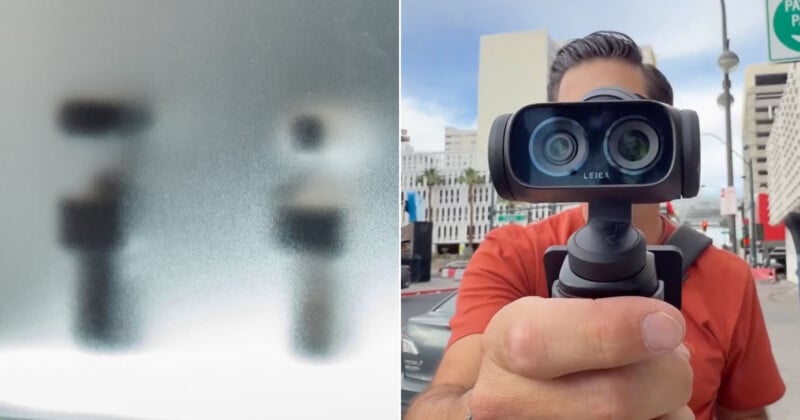
Similarly, Becca Farsace, a known figure in the tech review space, also provided a hands-on preview of the Insta360 Luna, further fueling anticipation and discussion. These early impressions, though not full reviews, serve to demystify the devices and offer potential buyers a more concrete understanding of what to expect.
Sample Footage Offers a Glimpse of Performance
Crucially, early sample footage from the Luna Ultra has emerged, providing the first objective look at the camera’s imaging capabilities. RedShark News shared this footage as part of their NAB 2026 coverage, offering viewers a chance to assess the visual output. While a comprehensive performance analysis is premature without the final production units, the sample footage is expected to highlight the impact of the Leica co-engineering, the 10-bit color depth, and the potential of the dual-lens system.
The availability of sample footage is a vital step in the pre-release phase. It allows the market to gauge the actual image quality, color reproduction, dynamic range, and low-light performance – key metrics that will influence consumer purchasing decisions. This proactive sharing of visual evidence suggests Insta360 is confident in the Luna series’ capabilities and eager to build positive momentum.
Unanswered Questions and Future Implications
Despite the exciting teasers and early glimpses, a significant number of details surrounding the Insta360 Luna Pro and Luna Ultra remain undisclosed. Key information such as the official release date, pricing, and precise technical specifications are still under wraps. The exact nature of the variable focal length lenses, the sensor resolution, and the full suite of video and photo features are eagerly awaited.
Furthermore, the integration of the Luna cameras into Insta360’s existing ecosystem is a point of interest. The company also showcased its upcoming wireless Mic Pro at NAB 2026, hinting at a streamlined audio solution for creators using their new camera lineup. This suggests a focus on providing a comprehensive content creation package.
The rivalry between Insta360 and DJI is undeniably entering a new and more intense phase. This competition, which has played out across various product categories including drones, is now directly targeting DJI’s lucrative compact camera market. DJI’s previous forays into Insta360’s territory, such as launching its first 360-degree camera, have been met with equally aggressive moves from Insta360. The current legal disputes over alleged patent violations further underscore the high stakes and animosity between these two Chinese tech giants.
A Brewing Battle for Compact Camera Supremacy
The market for compact, high-quality cameras has exploded in recent years, driven by the rise of social media, vlogging, and the desire for portable yet powerful imaging tools. DJI’s Osmo Pocket series has been a dominant force in this segment, setting a high bar for performance, usability, and price. Insta360’s strategic decision to enter this arena with a Leica-backed offering is a clear indication that they believe they can not only compete but potentially surpass DJI’s offerings.
The implications for consumers are overwhelmingly positive. Increased competition invariably drives innovation, leading to better products at more competitive prices. As Insta360 and DJI vie for market share, both companies will be incentivized to push the boundaries of technology, refine user experiences, and offer compelling value propositions. This escalating rivalry promises a dynamic and exciting future for compact camera enthusiasts and content creators worldwide.
The success of the Luna series will hinge on its ability to deliver on its promise of premium imaging, user-friendly design, and competitive pricing. If Insta360 can successfully leverage its partnership with Leica and its own innovative spirit, the Luna cameras could very well become a significant disruptor, forcing DJI to respond with even more advanced iterations of its own popular devices. The coming months, as more details emerge and the products officially launch, will be crucial in determining the outcome of this escalating technological duel.