Samsung Unveils Galaxy Z Fold 8: A Pivotal Shift in Foldable Smartphone Design and User Experience

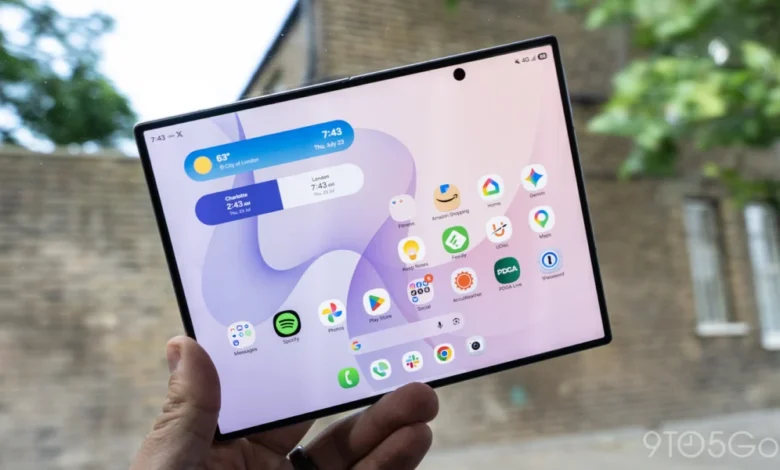
The technology world is abuzz following Samsung’s latest Galaxy Unpacked event, where the company officially unveiled its highly anticipated Galaxy Z Fold 8. This iteration is being hailed as potentially the most significant evolution in Samsung’s foldable smartphone lineup in several generations, signaling a distinct shift in the company’s design philosophy and user experience priorities for its premium foldable devices. Initial hands-on assessments from technology journalists indicate a complex but ultimately promising future for the device, marking a departure from the incremental updates seen in immediate predecessors.

Samsung’s Galaxy Unpacked events serve as the premier global platform for the South Korean tech giant to showcase its latest innovations, particularly within its flagship Galaxy smartphone series. Typically held twice a year, these meticulously choreographed presentations generate immense anticipation, offering a glimpse into the cutting-edge of mobile technology. The most recent event, centered around the Galaxy Z Fold 8, underscored Samsung’s unwavering commitment to pioneering the foldable market segment. Unlike previous Unpacked events that might have introduced a broader range of products, this launch seemingly placed the Z Fold 8 at the epicenter, emphasizing its strategic importance to Samsung’s long-term vision for mobile computing. The event not only introduced a new device but also articulated a refined strategic direction for the foldable category, moving beyond mere novelty to address core user needs and ergonomic considerations that have evolved since the first foldable hit the market.
The journey of Samsung’s foldable phones has been one of continuous innovation and adaptation. Beginning with the experimental, yet groundbreaking, Galaxy Fold in 2019, Samsung faced initial challenges but quickly refined its design with the Galaxy Z Fold 2, which offered a more robust and polished experience. Subsequent generations, including the Z Fold 3 and Z Fold 4, focused on incremental enhancements such as S Pen support, improved durability with IPX8 water resistance, lighter designs, and refined hinge mechanisms. The Galaxy Z Fold 7 continued this trend of iterative improvement, particularly noted for its thinner form factor, while the conceptual Galaxy Z TriFold hinted at future possibilities, albeit without a clear path to immediate commercialization. However, industry analysts and early reviewers concur that the Galaxy Z Fold 8 represents more than just an incremental update; it embodies a "clear shift" in Samsung’s approach, fundamentally altering the device’s ergonomics and intended use cases. This shift suggests a mature understanding of user feedback and market demands, moving towards a design that balances the expansive screen real estate of a tablet with the pocketability and single-handed usability of a traditional smartphone.
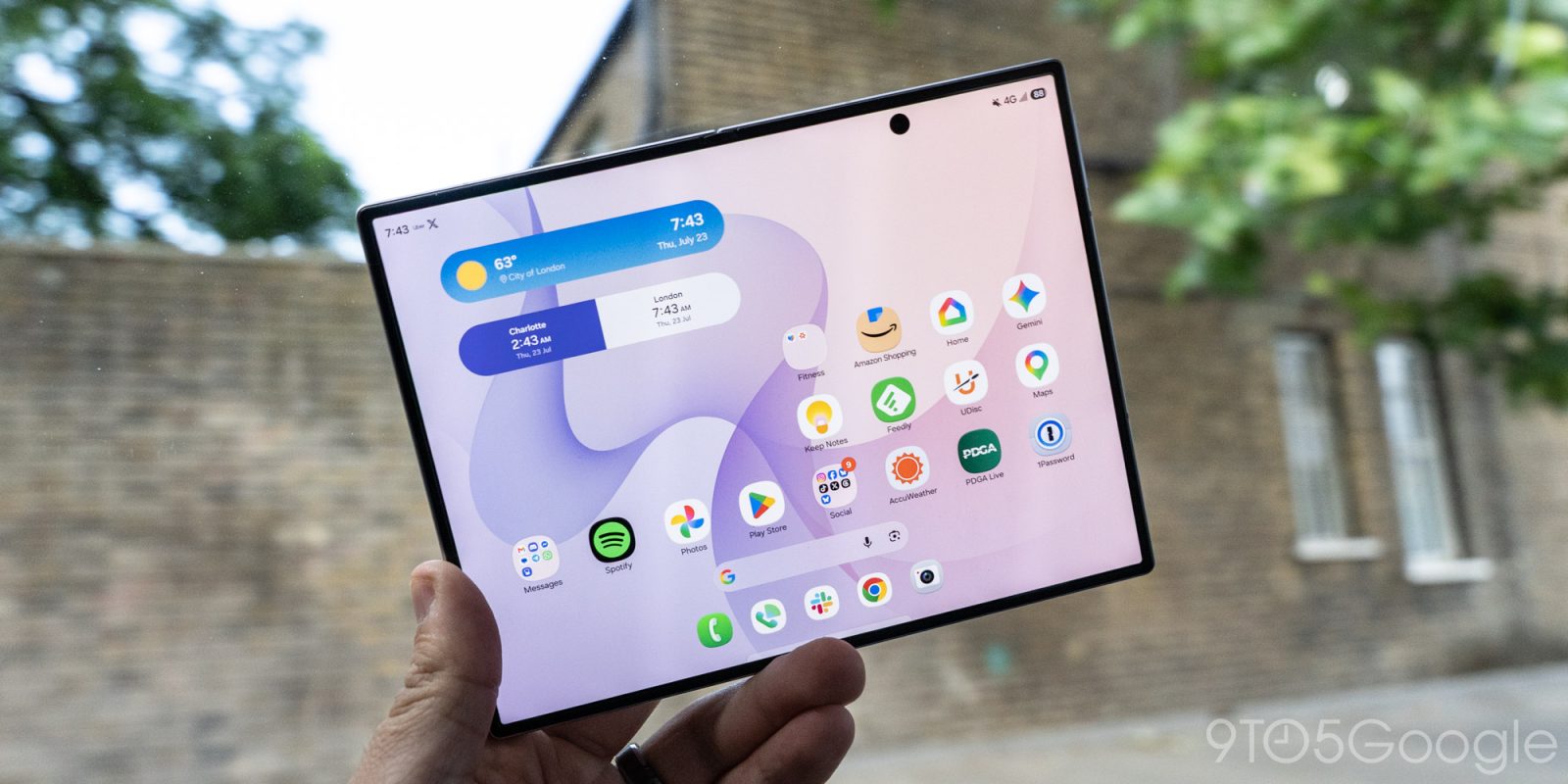
A primary area of innovation in the Galaxy Z Fold 8 lies in its redesigned form factor, particularly evident in the "short and stout outer display." This alteration immediately strikes reviewers as a significant departure from the taller, narrower cover screens of previous Fold models. The new aspect ratio on the external display aims to enhance usability when the device is closed, making it feel more like a conventional smartphone and thus more comfortable for one-handed operation, typing, and quick interactions without needing to unfold the device. This addresses a common criticism of earlier Z Fold generations, where the narrow cover screen often felt cramped for extensive use. The implication is a broadened appeal for users who desire the large internal display but do not wish to compromise on the convenience of a standard phone form factor for everyday tasks.
Beyond the external design, the internal display also reflects a "totally different set of priorities." While previous Fold models were often lauded for their cinematic wide screens, perfect for video consumption, the Z Fold 8’s internal display appears to be optimized for a different set of tasks. Early impressions suggest it might not be as ideally suited for video as its predecessors, implying a potential shift towards productivity, multi-tasking, and reading. This could mean a more square-ish aspect ratio when unfolded, maximizing screen real estate for two-app split-screen multitasking, document viewing, and digital note-taking with the S Pen (if supported, though not explicitly mentioned for the Fold 8 in the initial review). Such a design pivot could position the Z Fold 8 more firmly as a portable workstation or a digital canvas, further blurring the lines between smartphone and tablet functionalities.
The hardware and screen technology within the Galaxy Z Fold 8 are described as a "massive upgrade over past generations, inside and out." This likely encompasses several key advancements. One can infer the integration of Samsung’s latest generation Dynamic AMOLED 2X displays, offering superior brightness, color accuracy, and adaptive refresh rates up to 120Hz on both the inner and outer screens. Improvements in the Ultra Thin Glass (UTG) are also expected, enhancing durability and reducing the visibility and tactile sensation of the crease. The hinge mechanism, a critical component of any foldable, is anticipated to be further refined, leading to a more seamless fold, reduced gap when closed, and enhanced long-term robustness. Internally, the Z Fold 8 is almost certainly powered by the latest flagship mobile processor, such as a custom-tuned Qualcomm Snapdragon 8 Gen 3 for Galaxy or an equivalent next-generation Exynos chip, ensuring unparalleled performance, energy efficiency, and AI capabilities. Enhanced RAM configurations and faster storage options would also contribute to a smoother, more responsive user experience, particularly when juggling multiple demanding applications. Battery life, a perennial concern for high-performance devices, is also likely to see improvements through more efficient components and optimized software.
The camera system on the Galaxy Z Fold 8 presents an interesting paradox. While initial feedback describes the cameras as "decent," there is a notable lament over the absence of a telephoto lens, a staple in previous premium Samsung flagships. This decision suggests a re-evaluation of camera priorities, potentially indicating a focus on enhancing the primary wide-angle and ultra-wide sensors with larger apertures, improved pixel binning technology, and advanced computational photography algorithms. Samsung might be leveraging its software prowess to offer superior digital zoom capabilities or new photographic modes that compensate for the lack of optical telephoto. This strategic choice could aim to optimize space and cost within the device, while still delivering high-quality images for most everyday scenarios. However, for users accustomed to the versatility of optical zoom for distant subjects, this might represent a trade-off.
The initial journey of the reviewer, moving from "optimism and excitement" to "complete bewilderment" and then to a state of "mixed feelings" before settling on "good early impressions," mirrors the typical adoption curve for significantly redesigned technology. Such a reaction is understandable when confronted with a device that challenges established norms and user habits. The "short and stout outer display" and the internal screen’s "different set of priorities" demand a period of adjustment. This acclimatization process, however, is often a precursor to appreciating genuine innovation. The reviewer’s observation of using the phone "opened up more than I did on my Fold 7" suggests that the new design might be successfully encouraging a more tablet-centric workflow when unfolded, potentially maximizing the utility of the larger screen. This aligns with a broader industry trend of encouraging users to fully embrace the unique form factor advantages of foldables.
From a strategic standpoint, the Galaxy Z Fold 8 represents a bold move for Samsung, solidifying its leadership in the nascent but rapidly growing foldable market. By introducing such a distinct design, Samsung aims to differentiate itself further from emerging competitors like Google’s Pixel Fold and OnePlus Open, which have also entered the foldable arena with their own interpretations of the form factor. The Z Fold 8’s design, particularly the more conventional outer display, could significantly broaden its appeal beyond early adopters, attracting a wider consumer base that previously found the ergonomics of foldables challenging. This could lead to accelerated market penetration for foldables as a whole, transforming them from niche luxury items into more mainstream premium devices. The implications for the broader smartphone market are substantial: if successful, the Z Fold 8 could establish new benchmarks for foldable design, pushing other manufacturers to innovate further in ergonomics, display optimization, and integrated user experiences. It reinforces Samsung’s vision that foldables are not merely a passing trend but the future of premium mobile devices, offering a versatile computing experience that adapts to various needs throughout the day.
In conclusion, the Samsung Galaxy Z Fold 8 emerges as a pivotal device, not just for Samsung but for the entire foldable smartphone industry. Its redesigned form factor, particularly the outer display, and the re-prioritization of the internal screen’s utility signal a mature and deliberate evolution of foldable technology. While initial adaptation is required, the underlying hardware advancements and the potential for a more versatile, user-friendly experience position the Z Fold 8 as a significant upgrade. As the device moves through the full review cycle, the tech community will closely examine how these design choices translate into long-term usability and how they shape the future trajectory of foldable smartphones. Pre-orders for the Galaxy Z Fold 8 are now open, inviting consumers to be among the first to experience this significant shift in mobile innovation.
Related posts: