The landscape of digital entertainment continues to evolve as the calendar turns to a new month, bringing a fresh wave of content to major streaming platforms. For viewers navigating the vast, often overwhelming catalogs of services like Max, Netflix, and MGM+, the first of November marks a significant refresh, with hundreds of titles rotating into library listings. As consumers increasingly move away from traditional cable television toward on-demand streaming models, the competition for viewership on Sunday nights—traditionally the peak window for prestige television—has intensified. This evening, the focus rests heavily on the intersection of period drama and psychological suspense, with major releases anchoring the weekend viewing schedule.
The Return of The Gilded Age
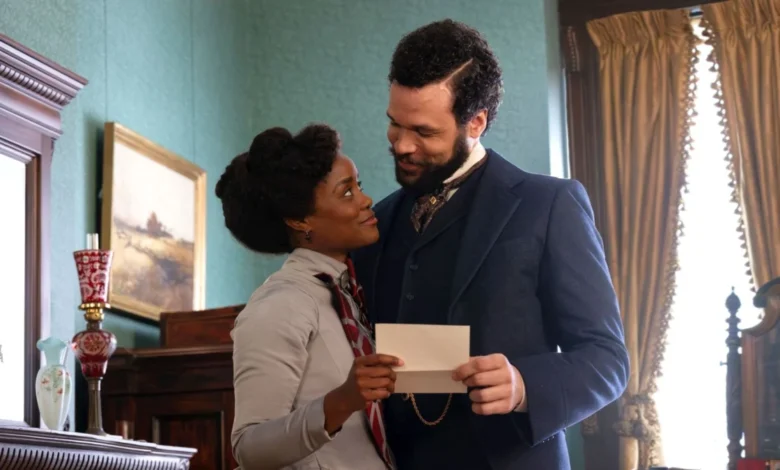
The marquee event for many subscribers this evening is the season four premiere of The Gilded Age on Max. Created by Julian Fellowes, the mastermind behind the global phenomenon Downton Abbey, this series has carved out a distinct niche in the historical drama genre. Set against the backdrop of 1880s New York City—a period of immense industrial growth and stark social stratification—the show continues its exploration of the "Old Money" versus "New Money" power struggle.
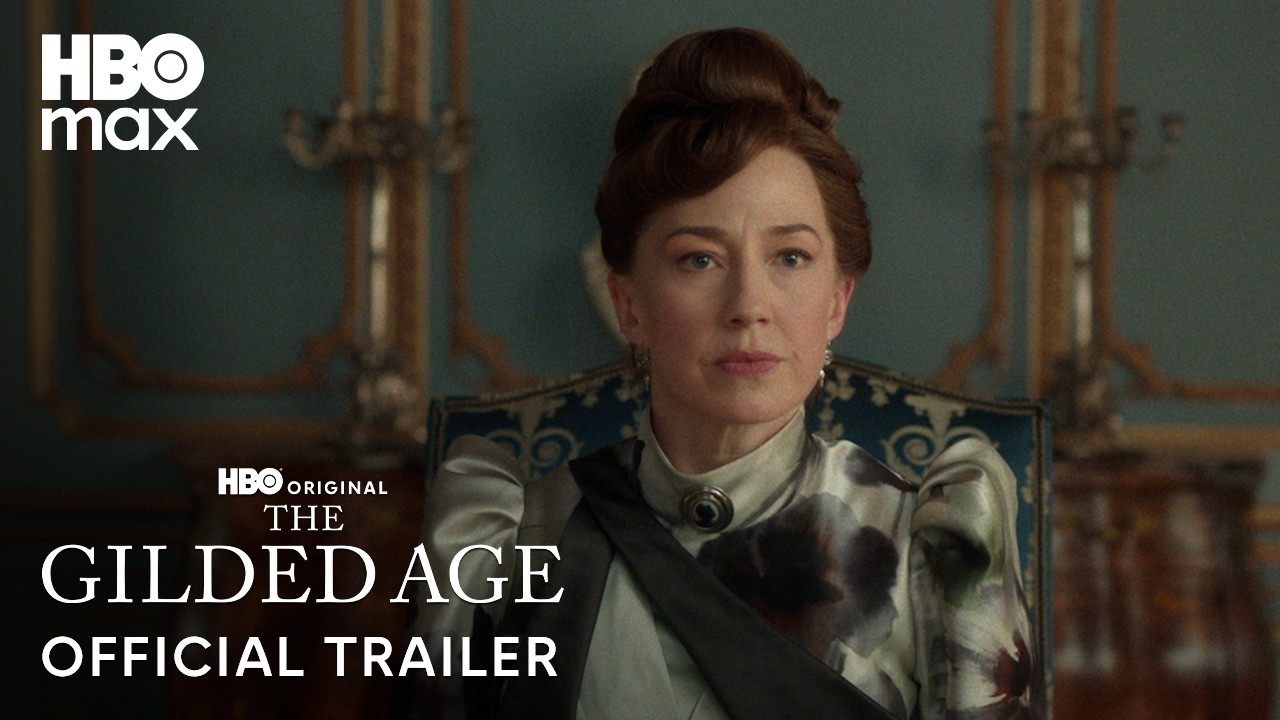
In the new season, the narrative stakes are elevated. Bertha Russell, portrayed by Carrie Coon, continues her calculated ascent into the upper echelons of Manhattan society, while Morgan Spector’s George Russell navigates the complexities of the era’s industrial labor movements. The introduction of President Grover Cleveland, played by guest star Jim Gaffigan, adds a layer of political intrigue that mirrors the real-world historical influence of the White House on Gilded Age social hierarchies. Furthermore, the subplot involving Marian Brook (Louisa Jacobson) and Larry Russell (Harry Richardson) serves to ground the broader political and social themes in a personal, character-driven narrative.
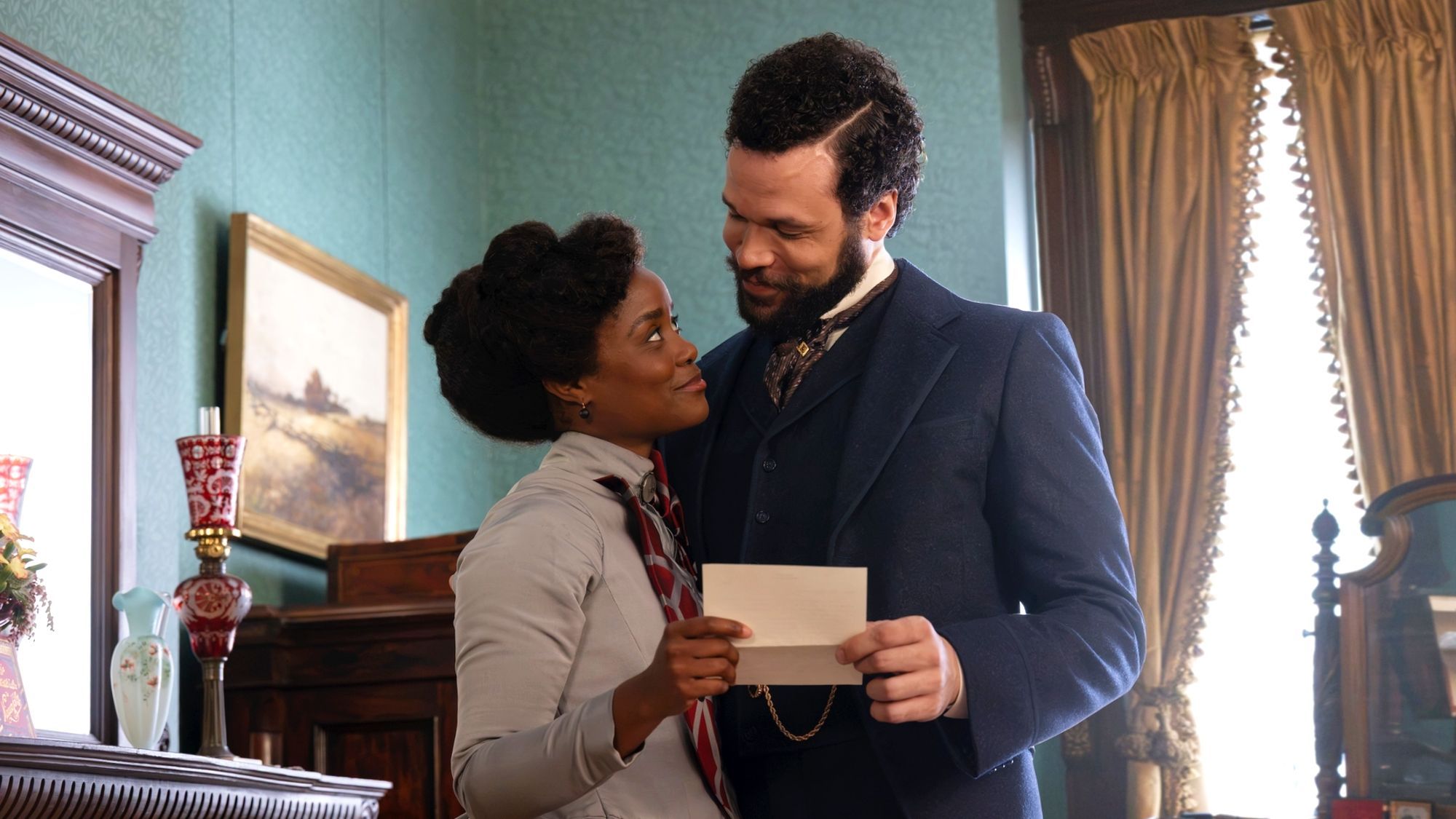
For fans of the series, the return of the show is more than a simple continuation; it represents a significant investment in the aesthetic and social world-building that HBO has cultivated since the show’s debut. Critics have noted that the series manages to balance the "vicious" nature of Gilded Age social climbing with a production value that captures the opulence of the late 19th century, a factor that has kept it in the top tier of streaming metrics for the platform.
Psychological Tension in American Hostage
While the period drama of the 1880s offers a look into the past, the MGM+ series American Hostage provides a stark, modern examination of a true-crime event. The series, which reaches its conclusion tonight, is a dramatized adaptation of the 1977 hostage crisis involving Tony Kiritsis and Indianapolis radio reporter Fred Heckman.
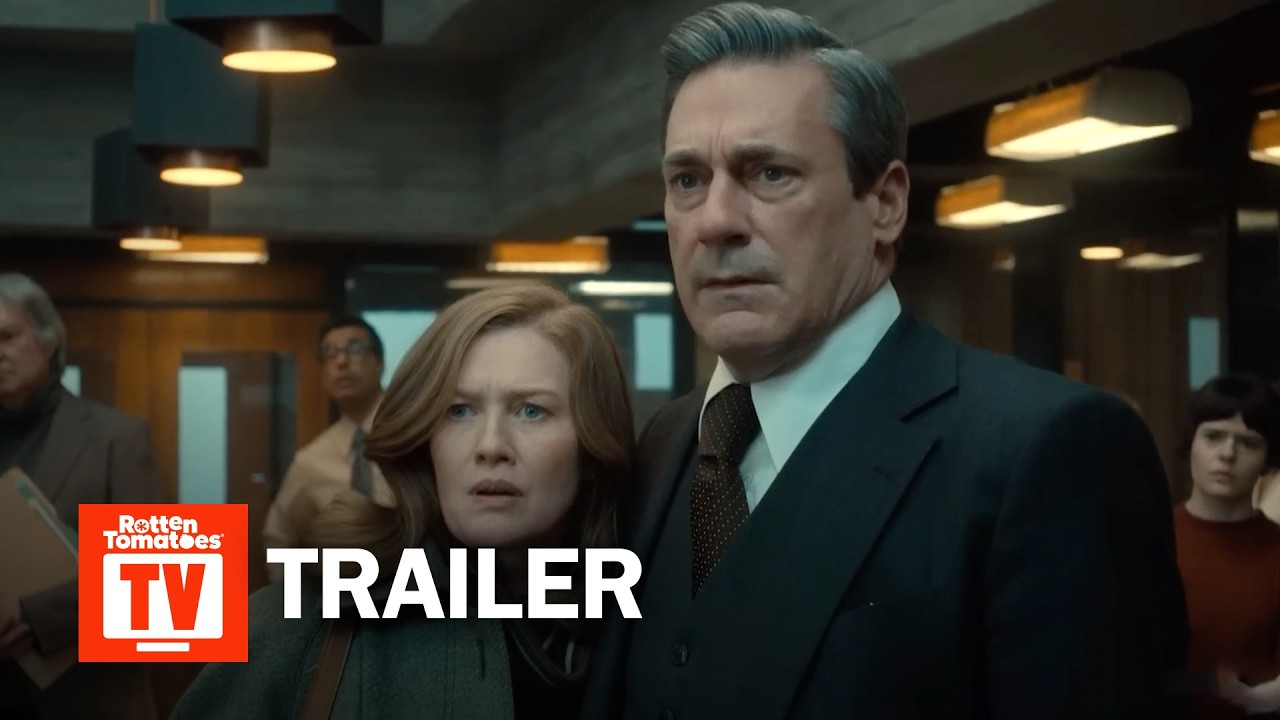
The production is notable for its commitment to the psychological nuances of the incident. Jon Hamm, in the role of Fred Heckman, anchors the series by portraying the delicate, often terrifying, balancing act required of a journalist thrust into a life-or-death negotiation. Giovanni Ribisi plays the volatile Tony Kiritsis, whose demand for an on-air interview transformed a private grievance into a public, high-stakes standoff.
The implications of this series go beyond simple entertainment. By centering on the 1977 crisis, the show highlights the evolution of media responsibility. The real-life events were a turning point in how news organizations handled hostage situations, raising ethical questions about the role of the press as a mediator in criminal activity. As the show reaches its finale tonight, audiences are presented with a tense, character-focused resolution that reflects the gravity of the original ordeal.
The Broader Streaming Ecosystem
The arrival of new content on November 1 is part of a larger, coordinated strategy by streaming platforms to maximize subscriber retention. Historically, the beginning of the month serves as a "content drop" date where licensing agreements reset and new originals are premiered to capture the interest of users whose monthly subscriptions may be subject to renewal.
Data from recent streaming industry reports indicate that the "prestige drama" segment—characterized by high production budgets, historical settings, or intense psychological profiles—remains the primary driver for subscriber loyalty. Platforms like Max and MGM+ have leaned heavily into this format, recognizing that while reality programming provides volume, scripted series of this caliber generate the social media conversation and critical attention necessary to sustain long-term growth.
Navigating the Content Overload
For the average consumer, the choice of what to watch is often hampered by "choice paralysis." With thousands of hours of content added monthly, the role of curation becomes essential. Streaming platforms have responded by implementing more sophisticated recommendation algorithms, but the human element—curated guides and critical reviews—remains a vital component of the user experience.
The current trend shows a clear bifurcation in viewing habits: audiences are either gravitating toward "comfort" viewing, such as long-running sitcoms or procedural dramas, or they are seeking "event" television that demands their undivided attention, such as the season premiere of a high-profile period piece or the finale of a tense thriller. Tonight’s offerings cater to the latter, providing viewers with a definitive "appointment viewing" experience that replicates the communal nature of pre-streaming television.
Implications for Future Programming
The success of shows like The Gilded Age and the interest in historical true-crime adaptations like American Hostage signal a shift in audience appetite. As global markets mature, producers are looking for narratives that offer both local color and universal themes. The 1880s in New York offer a specific, uniquely American cultural context, while the 1977 Indianapolis crisis provides a universal exploration of human desperation and media ethics.
Industry analysts suggest that we are entering a phase where the "quantity over quality" era of the early streaming wars is yielding to a more disciplined approach. Platforms are increasingly willing to commit to fewer, higher-budget productions that are designed to build a brand identity. For the viewer, this means that while the total volume of content might stabilize, the likelihood of encountering high-quality, narrative-driven television is expected to remain consistent.
Summary of Viewing Options
As the weekend concludes, viewers are left with a clear choice between the refined, high-society maneuvering of the 19th-century elite and the gritty, nerve-wracking reality of a 20th-century criminal standoff. Both The Gilded Age and American Hostage exemplify the high standard of storytelling currently available on streaming services.
For those looking to expand their viewing beyond these two titles, the first of the month provides an ideal opportunity to explore the broader libraries of Netflix, Prime Video, and Peacock, which have also updated their catalogs this morning. However, for those seeking the most significant narrative arcs currently unfolding, tonight’s focus on the Max and MGM+ lineups offers the most compelling return on investment for one’s time.
The industry remains in a state of constant flux, but the focus on "quality prestige" ensures that Sunday nights remain the most important time for scripted television. Whether one prefers the intricate social etiquette of the Gilded Age or the high-stakes tension of an American hostage crisis, the options for this evening are representative of the best the current streaming era has to offer. As we look ahead, the continued success of these genres will likely dictate the programming strategies for the remainder of the quarter, as platforms continue to bet on the enduring appeal of well-crafted, character-led dramas.