South Korean Consumer Group Files Complaint Against Tesla Over Unusable Full Self-Driving Software and Misleading Advertising

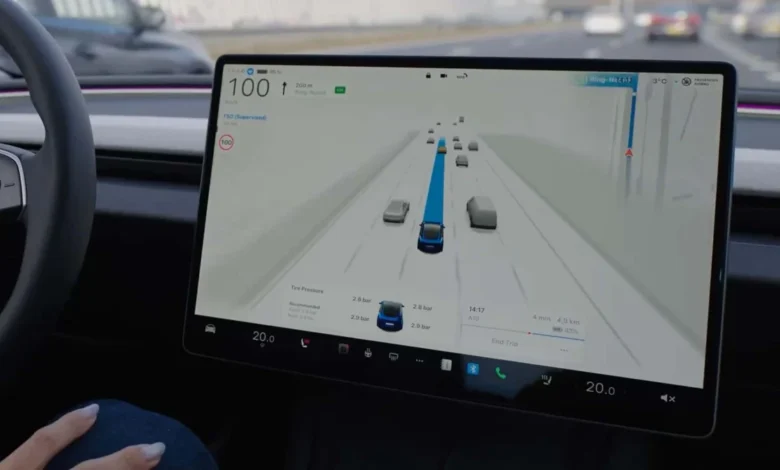
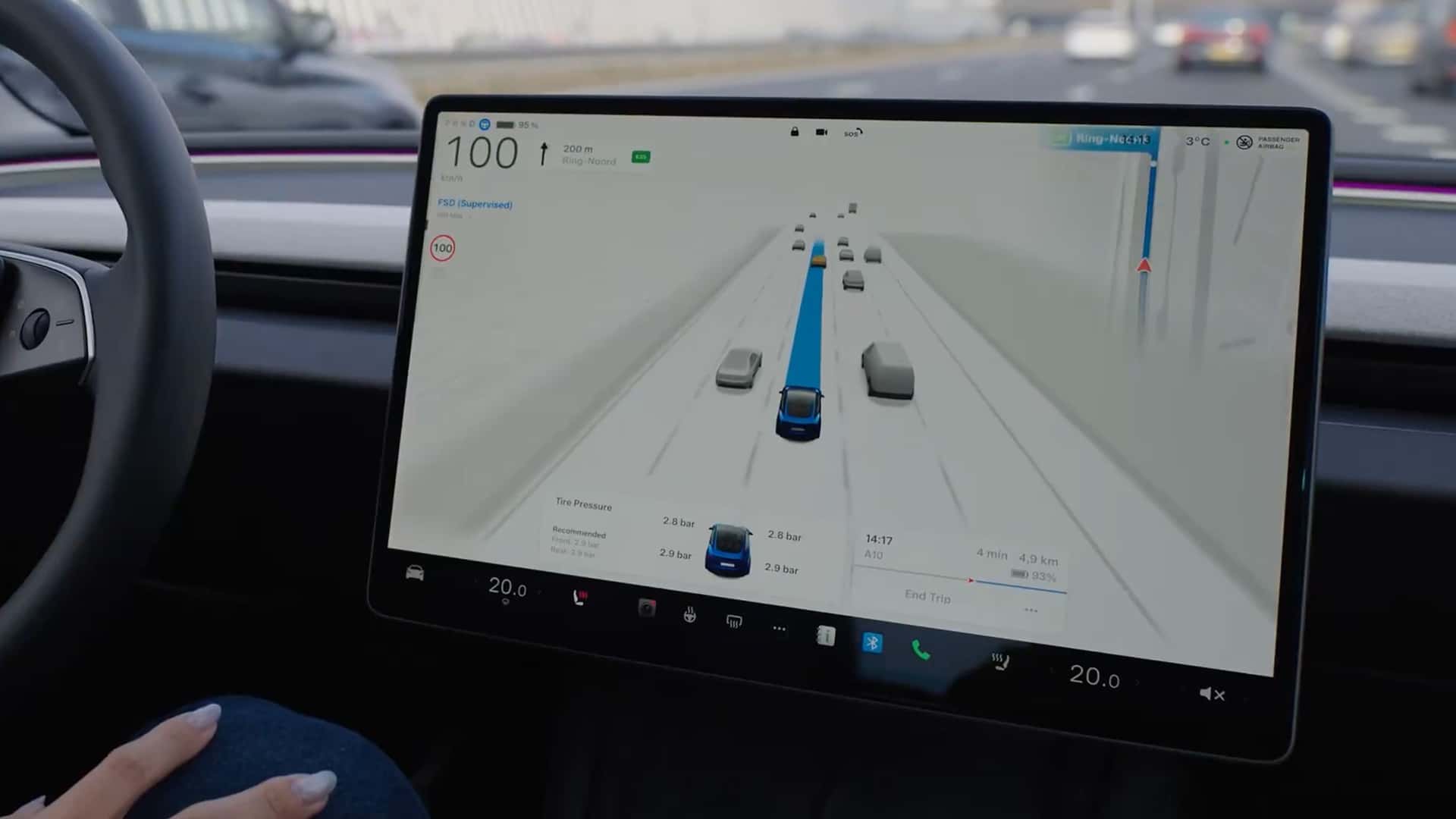
Tesla’s controversial Full Self-Driving (FSD) software is rapidly approaching a major milestone, preparing to mark its tenth anniversary next month. However, rather than celebrating a decade of automated driving development, the electric vehicle giant finds itself embroiled in rising international regulatory scrutiny, consumer frustration, and legal battles. For nearly four years, the suite was officially marketed as a beta product before transitioning into its current, heavily scrutinized rebranding known as Full Self-Driving (Supervised). Despite the continuous updates and shifting terminology, the core reality for drivers remains unchanged: no vehicle currently rolling off a Tesla assembly line operates completely autonomously, leaving drivers legally and practically responsible for every action behind the wheel.
While consumer impatience with the slow rollout of truly unsupervised driving capabilities is a global phenomenon—affecting drivers who have paid for the feature across multiple vehicles or paid off their auto loans entirely before experiencing the promised functionality—the situation has taken a uniquely severe turn in South Korea. A prominent local consumer advocacy group is now aggressively pushing back, demanding official accountability, regulatory answers, and financial restitution for affected motorists who purchased a high-cost software package they are fundamentally barred from utilizing.
The Import Divide: Manufacturing Origin Dictates Software Access
The deployment and utilization of Tesla’s FSD software in South Korea present an intricate web of regulatory hurdles far more complex than those found in the United States. At the heart of this regional complication is a stark operational divide based entirely on where a specific vehicle was manufactured.
According to comprehensive trade and industry data highlighted by Reuters, only a minor fraction—approximately 20 percent—of all Tesla vehicles currently registered in South Korea are technically eligible to enable the Full Self-Driving software. This select group consists exclusively of vehicles assembled within the United States. Because these American-built models comply directly with the strict regulations of the U.S. Federal Motor Vehicle Safety Standards, and because South Korea maintains a bilateral trade agreement recognizing these specific U.S. safety certifications, they can enter the South Korean market and operate under designated frameworks without requiring major additional local modifications.
Conversely, the vast majority of Tesla vehicles populating South Korean roads originate from international manufacturing hubs, predominantly Tesla’s Gigafactory in Shanghai, China. Under current regulatory frameworks, neither China nor South Korea shares an equivalent mutual recognition agreement for automated driving software standards. Consequently, vehicles built in China lack the requisite supplementary safety certifications needed to legally or technically run FSD within South Korean borders.
This manufacturing split has grown exponentially over recent years. Since 2023, Tesla has imported approximately 170,000 China-built vehicles into South Korea, with import volumes from Shanghai multiplying fivefold over the course of a single recent calendar year. Industry figures indicate that an overwhelming 99 percent of all Tesla vehicles imported into South Korea during 2025 originated from Chinese facilities, rendering almost the entire contemporary import fleet entirely incapable of activating the software package purchased by consumers.
Legal Escalations and Consumer Advocacy Backlash
The mounting frustration among motorists has culminated in formal legal and regulatory challenges. A rigorous complaint filed by the South Korean consumer advocacy organization Citizens United for Consumer Sovereignty with the Korean Fair Trade Commission (KFTC) accuses Tesla of unfair business practices. Specifically, the complaint alleges that Tesla continued to market and collect substantial software fees—ranging up to $6,800 per vehicle—from buyers for over three years, despite knowing that regulatory and technical barriers completely prevented these customers from utilizing the feature.
For many buyers, the inability to access the software they paid thousands of dollars to acquire created a profound sense of grievance. This frustration drove a subset of desperate motorists to take matters into their own hands by employing unauthorized digital workarounds. By attempting to "jailbreak" their vehicles to bypass regional software locks, these owners hoped to activate the restricted FSD features. However, these circumventions are viewed by authorities as severe violations of automotive safety laws, resulting in a severe government crackdown. South Korean law enforcement agencies have initiated aggressive operations against violators, leaving owners facing harsh penalties, including potential jail time and criminal fines reaching up to $15,000.
The judicial landscape, however, has proven exceedingly difficult for aggrieved consumers seeking immediate financial relief through the courts. In a notable legal development, a South Korean court dismissed a lawsuit brought forward by dozens of Tesla owners seeking full refunds for their purchased FSD software packages. According to the ruling issued by the Seoul Central District Court regarding a case initiated by 88 plaintiffs who filed suit in 2024, Tesla was found not to have technically breached its contractual obligations.
The presiding judges acknowledged that the delivery of advanced automated driving capabilities promised under the FSD umbrella inherently depended on complex technical advancements and subsequent regulatory approvals. The court determined that buyers entering into these vehicle purchase agreements were adequately informed that the realization of these features could "take considerable time to become available." Consequently, the judiciary ruled that because these contingent milestones were outlined in the purchasing process, Tesla could not be held legally liable for breach of contract when regulatory clearance stalled.
Regulatory Investigations and Advertising Scrutiny
Despite the legal victory secured by the automaker in the Seoul Central District Court, Tesla’s troubles in East Asia are far from over. The broader complaint lodged by Citizens United for Consumer Sovereignty expands the scope of scrutiny beyond contractual refunds, directly targeting Tesla’s marketing communications and promotional materials. The advocacy group argues that the company’s promotional campaigns systematically misled consumers into believing that advanced, automated driving capabilities were an imminent reality upon purchase, regardless of the vehicle’s manufacturing origin or the local regulatory climate.
This line of inquiry aligns with ongoing government oversight. The Korean Fair Trade Commission confirmed to media outlets earlier this year that it had initiated a formal probe into Tesla’s advertising practices concerning automated driving technology. While the KFTC has declined to provide ongoing commentary while the investigation remains active, the inquiry underscores the mounting pressure regulatory bodies are placing on tech and automotive companies regarding autonomous driving claims. Tesla, adhering to its pattern of declining public relations inquiries in certain regions, did not respond to requests for comment from major news organizations regarding the KFTC probe or the consumer group’s formal complaint.
Broader Industry Implications and Future Outlook
The unfolding situation in South Korea serves as a critical case study regarding the globalization of advanced driver-assistance systems (ADAS) and the friction that occurs when Silicon Valley software deployment models collide with localized international safety regulations. As Tesla attempts to scale its FSD technology across diverse global markets—such as recent expansions into European territories like Slovakia—it faces a fragmented regulatory ecosystem where software readiness does not automatically equate to legal approval.
The core dilemma highlights a fundamental tension between software-defined vehicle business models, which rely on upfront monetization of future capabilities, and traditional automotive consumer protection laws. When automakers collect significant capital investments for features that remain locked behind regulatory barriers for years—or, as in the case of Chinese-built Teslas in South Korea, potentially indefinitely—the risk of consumer backlash, regulatory penalties, and reputational damage increases substantially.
Whether the KFTC’s ongoing advertising probe will yield tangible enforcement actions or policy changes remains to be seen, particularly in light of the civil court’s finding that buyers were cognizant of potential delays. Nevertheless, the ongoing friction in South Korea signals that regulators and consumer protection agencies are increasingly unwilling to grant tech-automotive hybrids a free pass when marketing futuristic capabilities that consumers cannot legally access.
Related posts: