A Leading Voice in IoT Journalism Steps Back, Citing Burnout and Industry Concerns

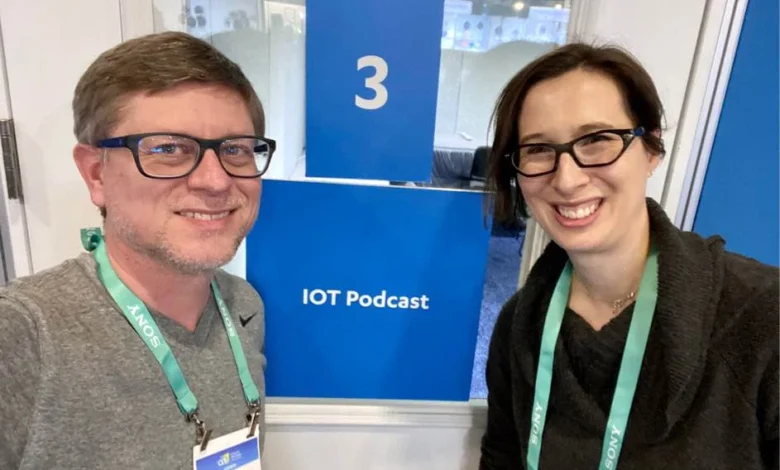
Stacey Higginbotham, a prominent and respected independent journalist specializing in the Internet of Things (IoT), announced her departure from regular production of her influential weekly podcast and newsletter, "Stacey on IoT." The final edition of her newsletter was published on Friday, August 18, 2023, marking a significant transition for a voice that has critically analyzed the evolving landscape of connected technology for nearly a decade. Higginbotham cited professional burnout and a growing cynicism regarding certain industry practices as primary motivators for her decision, while simultaneously revealing a new, albeit different, engagement with the sector through a consulting role with the Consumer Reports Innovation Lab, focusing on cybersecurity and privacy issues associated with connected devices.
Higginbotham’s announcement signals a shift from the relentless pace of daily and weekly journalism to a more selective engagement, promising occasional insights via Bluesky and sporadic newsletters when she feels compelled by a particular topic. This move underscores broader challenges within specialized tech journalism and the complexities inherent in covering an industry as rapidly expanding and ethically fraught as the IoT.
The Genesis of "Stacey on IoT" and a Decade of Disruption
Stacey Higginbotham’s journey into independent IoT journalism began in 2016, following a distinguished career as a senior editor at Fortune magazine, among other respected publications. Her decision to leave an established media powerhouse to forge her own path was met with skepticism by some, but it was driven by a clear vision: to delve deeply into the profound technological and societal implications arising from the pervasive integration of computing into everyday objects and environments. She recognized early on the transformative potential of IoT, but also its inherent challenges, ranging from technical complexities to significant ethical dilemmas.
Over the ensuing years, "Stacey on IoT" blossomed into a vital resource for professionals, enthusiasts, and consumers alike. Her weekly podcast, co-hosted with Kevin Tofel, became a staple for listeners seeking informed discussions, interviews with industry leaders, and practical advice on navigating the connected world. The accompanying newsletter offered meticulous analysis, trend spotting, and critical commentary, earning a reputation for its depth and Higginbotham’s ability to cut through hype to reveal the underlying realities of the IoT ecosystem. The platform’s success, built on the support of thousands of readers, listeners, and dedicated sponsors, validated her initial independent venture.
A Chronology of IoT Evolution and Higginbotham’s Coverage
Higginbotham’s tenure as an independent journalist coincided with a period of explosive growth and maturation in the IoT sector.
- 2012: Higginbotham notes her early coverage of the smart home, an era when connected devices were nascent and often promised convenience without fully addressing the complexities they introduced. This period laid the groundwork for many of the issues she would later dissect.
- 2014-2016: The consumer IoT market began to accelerate with the introduction of more sophisticated smart home hubs, voice assistants, and connected appliances. Industrial IoT also started gaining traction, focusing on efficiency and data analytics in enterprise settings. Higginbotham’s coverage during this time began to highlight the emerging dichotomy between user convenience and potential privacy trade-offs.
- 2016: "Stacey on IoT" officially launches, providing a dedicated platform for in-depth analysis just as the IoT market was poised for exponential growth. This period saw her explore the challenges of interoperability, the proliferation of new standards, and the initial wave of security vulnerabilities.
- 2017-2019: The "smart everything" trend solidified, encompassing smart cities, connected health devices, and a wider array of industrial applications. Higginbotham consistently questioned the true value proposition of many devices, scrutinizing business models that increasingly relied on subscriptions and data harvesting. High-profile data breaches involving connected devices further amplified her warnings about security and privacy.
- 2020-2023: The COVID-19 pandemic accelerated digital transformation, including the adoption of IoT for remote work, health monitoring, and supply chain optimization. Higginbotham’s reporting increasingly focused on the ethical dimensions of IoT, including employee surveillance, algorithmic bias, and the potential for "greenwashing" through superficial technological investments in ESG initiatives. Her critiques grew sharper as industry practices solidified around data monetization.
Supporting Data: The IoT Landscape and Its Challenges
The IoT market has indeed experienced remarkable growth. According to Statista, the total number of connected IoT devices worldwide is projected to reach approximately 29.7 billion by 2030, a substantial increase from roughly 15.1 billion in 2023. This expansion spans consumer devices, industrial sensors, smart city infrastructure, and healthcare applications, creating an interconnected web that generates vast amounts of data. The global IoT market size was valued at over $600 billion in 2023 and is expected to exceed $1.5 trillion by 2030, demonstrating the immense economic stakes involved.
However, this growth has not been without significant hurdles, many of which Higginbotham consistently highlighted:
- Security Vulnerabilities: The sheer volume and diversity of IoT devices create an enormous attack surface. Weak default passwords, unpatched firmware, and insecure communication protocols have led to numerous high-profile security breaches, ranging from compromised smart cameras to large-scale botnet attacks like Mirai, which leveraged insecure IoT devices. A 2023 study by IBM found that the average cost of a data breach globally was $4.45 million, with IoT devices frequently serving as entry points for attackers.
- Privacy Erosion: Higginbotham accurately pointed out the "rampant data grabs." Many free or low-cost connected devices operate on a business model where user data is the product. This data, often collected without explicit, granular consent, can include sensitive information about daily routines, health metrics, and even conversations, raising profound concerns about surveillance—both corporate and governmental. Regulatory frameworks like GDPR in Europe and CCPA in California have attempted to address these issues, but enforcement and global consistency remain challenges.
- Complexity and Interoperability: Despite promises of seamless integration, many IoT ecosystems remain fragmented. Users often grapple with multiple apps, incompatible standards, and devices that fail to communicate effectively, adding "complexity to a user’s life" rather than simplifying it. This friction hampers widespread adoption and user satisfaction.
- Ethical Implications of Monitoring: The application of IoT in workplaces has led to concerns about "monitoring employees and push them to their absolute limits." Wearable sensors, smart cameras, and location trackers are increasingly used to optimize productivity, but critics argue this can create oppressive work environments, erode trust, and infringe on worker privacy, often with unclear benefits to the employees themselves.
- Greenwashing Concerns: While Higginbotham acknowledged the potential for technology to aid in "environmental, social, and governance (ESG) actions," she also voiced skepticism about its application, suggesting it sometimes feels "like too little, or a way to greenwash activities that we shouldn’t be doing in the first place." This refers to instances where companies invest in superficial tech solutions for carbon reduction or efficiency without fundamentally altering unsustainable core business practices.
The Toll of Critical Journalism: Burnout and Cynicism
Higginbotham’s candid admission of burnout and increasing cynicism resonates with a broader trend in demanding journalistic fields, particularly those requiring constant vigilance over rapidly evolving, often opaque, technological landscapes. The relentless cycle of reporting, analyzing, and explaining complex technical and ethical issues, coupled with the pressures of independent media operation, can be exhausting. Her frustration stems from a perceived disconnect between the innovative potential of technology and its often problematic real-world implementation, where profit motives frequently overshadow user well-being, privacy, and ethical considerations.
"I love technology," Higginbotham stated, expressing her fundamental belief in the problem-solving capacity of innovation. However, she also articulated a growing weariness that prevented her from genuinely engaging with new ideas. This sentiment highlights a critical challenge: for journalists to effectively champion truly beneficial technological advancements, they must maintain a degree of optimism and excitement, which can be eroded by continuous exposure to flawed implementations and ethical compromises. Her decision to step back is an effort to rekindle that passion and regain perspective.
Broader Impact and Implications
Higginbotham’s transition carries several significant implications for the IoT industry, journalism, and consumer advocacy:
- A Void in Critical IoT Journalism: The departure of a highly respected and independent voice like Stacey Higginbotham leaves a noticeable gap in the landscape of specialized tech journalism. Her nuanced, critical perspective was invaluable for cutting through industry jargon and marketing hype. While other publications cover IoT, few possess her singular focus and depth of analysis, raising questions about who will continue to provide such rigorous, independent scrutiny. This could potentially lead to a less critical public discourse surrounding IoT, making it harder for consumers and policymakers to make informed decisions.
- Strengthening Consumer Advocacy: Her new consulting role at the Consumer Reports Innovation Lab represents a strategic and impactful shift. Consumer Reports has a long-standing reputation for objective product testing and advocacy. By bringing Higginbotham’s deep expertise in IoT cybersecurity and privacy onboard, the organization significantly bolsters its capacity to analyze, expose, and advocate for stronger protections in connected devices. This move signals an escalation in the fight for consumer rights in the smart home and beyond, transitioning her influence from reporting to direct, tangible action. It also underscores the growing recognition among consumer advocates that security and privacy are not mere features but fundamental requirements for trustworthy connected technologies.
- Industry Accountability and Introspection: Higginbotham’s frank critique of business models, surveillance, and greenwashing practices, coming from an insider who deeply understands the technology, could prompt further introspection within the IoT industry. While individual companies might not issue direct statements, her observations reflect widely held concerns among analysts, ethicists, and discerning consumers. Her stepping back, partly due to these concerns, serves as a powerful testament to the urgent need for the industry to prioritize ethical development, robust security, and transparent data practices over short-term gains.
- The Future of Independent Tech Media: Her experience also highlights the sustainability challenges for independent journalists covering complex, niche, and rapidly evolving sectors. The effort required to stay abreast of developments, conduct in-depth research, and build a sustainable business model is immense. Her success, followed by a necessary pause, offers a case study in the demanding nature of this work.
Statements and Reactions (Inferred)
While no specific public statements from related parties were provided, it is logical to infer several reactions:
- Industry Analysts and Observers: Many within the tech analysis community would likely view Higginbotham’s decision with understanding, recognizing the intensity of covering the IoT sector. They might acknowledge that her critiques reflect prevalent concerns regarding security, privacy, and ethical implementation, validating the importance of her independent perspective.
- Consumer Reports: The organization would undoubtedly welcome Higginbotham’s expertise, seeing her appointment as a significant asset in their mission to empower consumers. Her role aligns perfectly with Consumer Reports’ increasing focus on digital privacy and security, particularly in the context of interconnected devices.
- The IoT Community: Her loyal readership and listenership would likely express gratitude for her contributions and disappointment at the reduction in her regular output, while also wishing her well in her new endeavors and understanding the need for a break. Many would likely follow her transition to Consumer Reports, eager to see her continued influence in a new capacity.
Looking Ahead
Stacey Higginbotham’s partial withdrawal from the daily grind of IoT journalism is not an abandonment of the field but rather a strategic realignment. Her new consulting role with the Consumer Reports Innovation Lab ensures her expertise will continue to shape discussions around connected device safety, security, and privacy, albeit from a different vantage point. She will be actively engaged in shaping how consumers interact with and are protected from the potential pitfalls of the connected world, inviting continued dialogue via her email ([email protected]) to solicit experiences and insights.
Her journey underscores the critical importance of informed, independent analysis in the technology sector. As the Internet of Things continues its inexorable expansion, the challenges of ensuring devices are not only innovative but also secure, ethical, and genuinely beneficial for humanity will remain paramount. Higginbotham’s decision serves as a powerful reminder that sustained, critical engagement is essential, and sometimes, stepping back is a necessary step forward to ensure the integrity and impact of that engagement.