Apple Watch Ultra 4 and Series 12 Launch Quietly With Double the RAM to Support New AI Capabilities

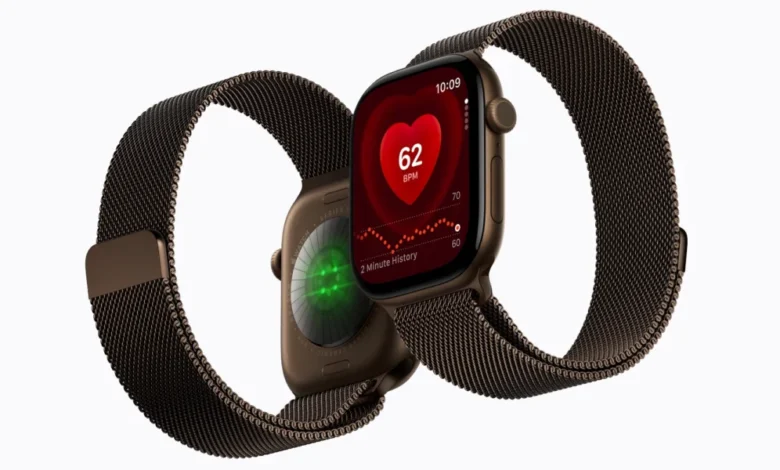
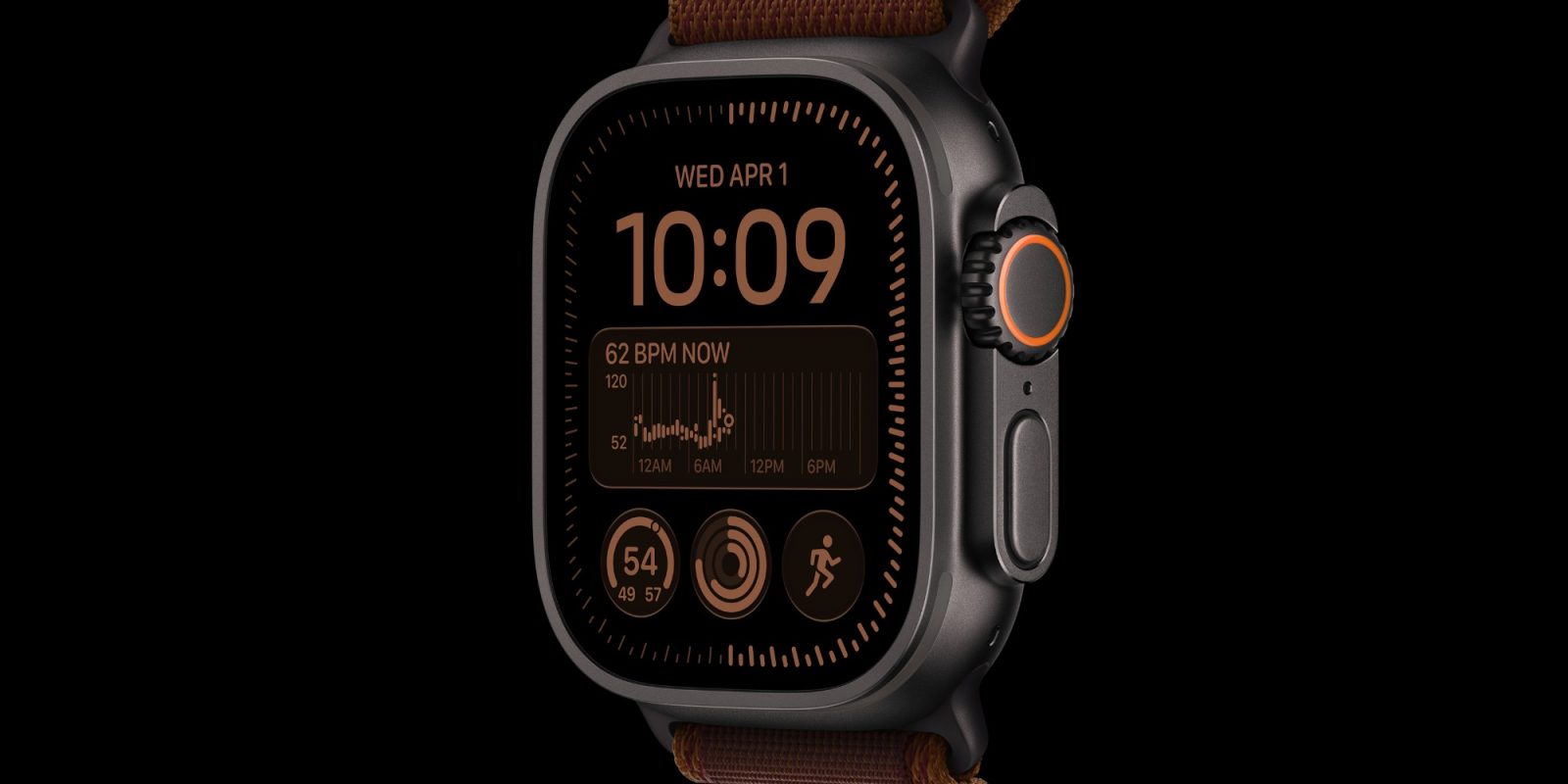
Apple’s latest hardware cycle has brought significant internal advancements to its wearable lineup alongside external redesigns and routine marketing highlights. Following the official unveiling of the Apple Watch Series 12 and the Apple Watch Ultra 4, developer documentation and system string analyses have uncovered a major hardware enhancement that Cupertino omitted from its official keynote presentations: a twofold increase in system memory.
According to diagnostic data extracted from Xcode 27, both the flagship Apple Watch Ultra 4 and the mainstream Apple Watch Series 12 are equipped with 4GB of RAM. This represents a substantial 100 percent increase over their predecessors, the Apple Watch Series 11 and the Apple Watch Ultra 3, both of which operated with 2GB of RAM. While Apple traditionally maintains a strict policy of omitting exact memory and battery capacity specifications from its technical marketing sheets, the release of updated developer tools has offered a clear look into the computational muscle driving the new generation of smartwatches.
The Unspoken Performance Leap
The integration of 4GB of RAM arrives concurrently with the introduction of the S11 system-in-package (SiP). For several generations, critics and tech analysts observed that annual performance increments in Apple’s wearable processors were primarily focused on energy efficiency and peripheral sensor management rather than sweeping architectural breakthroughs. The S11 chip, however, breaks that mold, delivering the most substantial performance leap seen in the Apple Watch ecosystem in years.
This hardware pairing is not a coincidence. The timing aligns directly with software demands, specifically the rollout of advanced machine learning architectures and suite capabilities integrated into watchOS 27. On-device processing for complex health metrics, localized voice recognition, predictive user interfaces, and generative AI features require significantly higher memory bandwidth and capacity than previous iterations could sustain. By doubling the RAM to 4GB, Apple has effectively future-proofed the Series 12 and Ultra 4, ensuring that they can handle continuous background computations without sacrificing interface fluidity or battery longevity.
Historical Context of Apple Watch Memory Allocation
To understand the magnitude of this upgrade, it is necessary to examine the historical trajectory of RAM capacity within the Apple Watch lineup. For years, Apple maintained a remarkably conservative approach to memory scaling on the wrist.
When the Apple Watch Series 4 debuted in 2018 alongside the S4 64-bit processor, Apple increased the RAM to 1GB, a notable jump that enabled smoother transitions and the implementation of more complex graphic complications. That 1GB standard remained foundational for multiple generations, persisting through subsequent iterations until the hardware demands of ambient computing and expanded always-on display mechanics necessitated another shift.
It was not until the introduction of recent generations—such as the Series 11 and Ultra 3—that Apple moved the baseline to 2GB of RAM. Even at 2GB, the operating system faced tight constraints when running resource-heavy third-party applications alongside native health-tracking protocols. The jump from 2GB to 4GB in a single product cycle represents the largest generational proportional increase in the history of the product category, matching the RAM capacity found in several earlier generations of the iPhone.
The Catalyst: watchOS 27 and On-Device AI
The imperative behind the 4GB RAM upgrade is deeply tied to the evolution of watchOS. Over the past decade, the Apple Watch has transitioned from a simple notification relay and fitness tracker into a sophisticated, autonomous health and wellness computer.

With watchOS 27, Apple has leaned heavily into ambient intelligence. Features that rely on natural language processing, complex biometric pattern recognition, and predictive contextual suggestions demand local computational resources. While cloud-offloading is utilized for heavy computing tasks on iPhones and Macs, privacy constraints and battery limitations on wearables dictate that a significant portion of AI processing must occur directly on the device.
Operating system features such as advanced sleep apnea notifications, hypertension tracking estimates, and localized Siri processing require rapid data retrieval and larger memory buffers. A 4GB memory architecture ensures that the operating system can maintain multiple active background tasks—such as continuous heart rate monitoring, ECG sampling, GPS route mapping, and machine learning inferences—simultaneously without forcing application reloads or causing UI stutter.
Developer Implications and Ecosystem Growth
For the software development community, the revelation of 4GB RAM across the new hardware lineup is a welcome development. Developers have long noted the constraints of designing rich, interactive applications for a 2GB environment where memory pressure could quickly lead to app termination.
With 4GB of RAM now standard on the flagship and premium tiers, developers gain the headroom required to build more sophisticated applications natively for the wrist. Complex data visualizations, offline mapping solutions, audio processing apps, and interactive complication suites can now run with desktop-class responsiveness. Furthermore, the standardization of 4GB memory across both the Series 12 and the Ultra 4 simplifies optimization for developers, establishing a predictable performance baseline for the upper tier of the active user base.
Industry Analysis and Market Impact

From an industry perspective, Apple’s decision to quietly upgrade internal memory without altering pricing structures or heavily marketing the specification reflects a mature hardware strategy. Rather than using raw hardware specs as a primary marketing lever—a tactic more commonly associated with competing Android smartwatch manufacturers—Apple focuses consumer attention on the experiential outcomes: speed, responsiveness, and longevity.
Market analysts note that this silent upgrade may also serve to extend the replacement cycle for consumers. By outfitting the devices with robust memory specifications that exceed current immediate requirements, Apple ensures that the Series 12 and Ultra 4 will remain fully compatible with upcoming software updates for many years to come. This high degree of future-proofing is a key value proposition for premium buyers, particularly those purchasing the titanium-bodied Apple Watch Ultra 4, which commands a higher initial investment.
Consumer Response and Pre-Order Dynamics
Despite the lack of official mention during the keynote presentation, news of the 4GB RAM upgrade quickly circulated through developer forums and tech publications following the release of Xcode 27. Early consumer reactions on digital forums and social media platforms have been overwhelmingly positive, with many prospective buyers expressing relief that the hardware received a meaningful under-the-hood overhaul to support upcoming software ecosystems.
Pre-orders for both the Apple Watch Series 12 and the Apple Watch Ultra 4 opened immediately following the event, with initial shipping estimates indicating strong demand across standard configurations and specialized band options. As the devices arrive in the hands of consumers and reviewers in the coming days, real-world benchmark testing will provide a clearer picture of how the doubled memory impacts daily battery life, thermal management, and application launch speeds.
Broader Implications for the Wearable Industry

Apple’s move to 4GB of RAM in its flagship wearables sets a new performance benchmark for the smartwatch industry as a whole. As competitors race to integrate similar artificial intelligence frameworks and health-monitoring sensors into their own portfolios, the memory requirements for high-end wearables are expected to shift upward permanently.
What began as a simple accessory tethered to the iPhone has officially matured into a standalone computing platform driven by advanced silicon and substantial memory capacity. For current Apple Watch users considering an upgrade from models three to four years old, the combination of the S11 chip, the expanded 4GB memory architecture, and the capabilities of watchOS 27 presents the most compelling performance argument the platform has seen in years—even if Apple chose to let the hardware speak for itself.