Three feel-good movies to stream on Prime Video this weekend to beat the Sunday scaries


The persistent phenomenon of the Sunday scaries—that creeping sense of anxiety as the weekend wanes and the work week looms—has become a well-documented aspect of modern life. For many, the primary coping mechanism involves immersive, low-stakes entertainment designed to provide a gentle transition into the upcoming week. Amazon’s Prime Video, which significantly expanded its library in September 2026 with the addition of over 100 feature films, offers a diverse catalog that caters to this specific demand for comfort viewing. By selecting titles that emphasize nostalgia, humor, and character-driven narratives, viewers can effectively curate a watchlist that mitigates stress. This selection highlights three distinct films—Matinee, Uptown Girls, and Leatherheads—that provide varying forms of escapism, from historical satire to early 2000s dramedy.
The Evolution of Prime Video’s Library Strategy
The recent influx of content on Prime Video represents a broader strategic shift within the streaming industry. As competition between platforms like Netflix, Disney+, and Max intensifies, services are increasingly prioritizing the acquisition of licensed catalog titles alongside original programming. By bolstering its library with established films, Amazon aims to increase the "time spent on platform," a key metric for subscriber retention.

Data suggests that subscribers are increasingly utilizing streaming services not just for "event" television—such as high-budget fantasy series or prestige dramas—but for "background" or "comfort" content. A study by the streaming analytics firm Nielsen indicated that viewers are 30% more likely to re-watch a familiar, comforting film on a Sunday evening than to engage with a new, potentially challenging release. This behavioral trend explains the renewed popularity of mid-budget films from the 1990s and early 2000s, which offer a predictable emotional cadence and high re-watchability factor.
Matinee: A Nostalgic Satire of Cinema
Released in 1993, Matinee serves as a sophisticated, albeit affectionate, examination of the B-movie industry during the height of the Cold War. Directed by Joe Dante, known for his work on Gremlins and Innerspace, the film is set in 1962 Key West, Florida, during the peak of the Cuban Missile Crisis.
The narrative centers on Lawrence Woolsey, played by John Goodman, a producer specializing in low-budget, high-concept horror films designed to exploit the public’s fear of the atomic age. The film functions on two levels: it is a slapstick comedy about the chaotic nature of film promotion, and a poignant coming-of-age story for Gene Loomis, a teenager played by Simon Fenton who finds solace in the escapism provided by the local theater.

The film’s historical context is particularly relevant to contemporary audiences. The tension of the Cuban Missile Crisis, characterized by nuclear anxiety and a pervasive sense of uncertainty, is mirrored in the modern viewer’s experience of a rapidly changing geopolitical landscape. By juxtaposing the terror of potential global destruction with the absurdity of "schlocky" horror films like the fictional Mant!, Dante provides a nuanced commentary on how society uses entertainment as a defense mechanism against existential dread. Despite a modest performance at the box office upon its initial release, Matinee has earned a critical reappraisal as one of the most intelligent satires of the industry ever produced.
Uptown Girls: The Persistence of the Cult Classic
In the early 2000s, the "chick flick" genre dominated the box office, with films often defined by high-fashion aesthetics and emotional maturation arcs. Uptown Girls, released in 2003, initially received mixed reviews from critics who characterized it as formulaic. However, in the two decades since, the film has undergone a significant cultural reclamation, largely driven by the internet’s ability to foster appreciation for "guilty pleasure" cinema.
The film stars the late Brittany Murphy as Molly Gunn, the daughter of a legendary rock star who finds herself destitute after her inheritance is embezzled. Forced to seek employment, she becomes a nanny for Ray Schleine, an 8-year-old girl portrayed by Dakota Fanning. The character of Ray is defined by a precocious, "Type-A" personality that stands in stark contrast to Molly’s chaotic, bohemian lifestyle.

From an analytical perspective, Uptown Girls is a study in character juxtaposition. It effectively uses the "odd couple" trope to explore themes of grief and responsibility. Ray’s struggle to process her father’s comatose state is handled with a surprising amount of gravity, providing the film with an emotional anchor that elevates it above standard genre fare. For modern viewers, the film functions as a time capsule of the early 2000s, capturing a specific aesthetic of New York City and a bygone era of fashion and pop culture. Its enduring appeal lies in the chemistry between Murphy and Fanning, which remains the film’s most compelling element.
Leatherheads: Comedy as a Historical Exercise
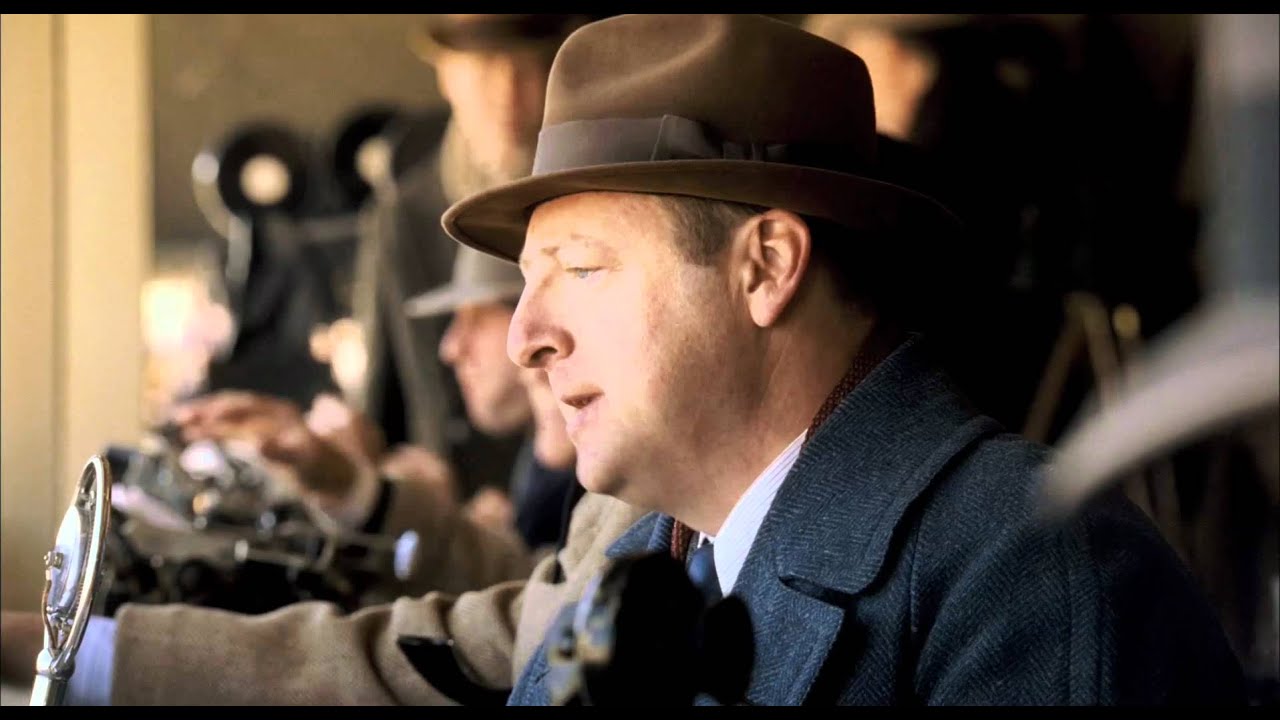
George Clooney’s 2008 film Leatherheads represents a unique entry in the actor-director’s filmography. Set in 1925, the film explores the nascent, unrefined days of professional American football. Clooney stars as Dodge Connelly, the captain of a struggling team that is on the verge of folding due to a lack of funding and public interest.
The film’s plot is set into motion when Connelly recruits Carter Rutherford, a decorated World War I hero played by John Krasinski, to bolster the team’s public profile. This act draws the attention of Lexie Littleton, an investigative journalist played by Renée Zellweger, who suspects that Rutherford’s wartime heroism might be fabricated.

Leatherheads is a sophisticated homage to the screwball comedies of the 1930s and 40s. Its dialogue is rapid-fire, and its structure relies heavily on the classic "battle of the sexes" dynamic. While the film was sometimes criticized for its uneven tone, it remains a standout for its production design and its willingness to take risks with a period-specific genre. By focusing on a time when professional football was considered a fringe, violent activity rather than a multi-billion-dollar industry, the film provides a historical lens through which to view the current saturation of the sport. It is an excellent choice for viewers who prefer period pieces that prioritize wit and character conflict over high-stakes drama.
The Broader Impact of Curated Streaming
The inclusion of these films on Prime Video is indicative of a broader trend: the "curated archive." As streaming services move away from the "infinite shelf" model—where every film ever made is available at all times—they are moving toward a model where libraries are rotated and highlighted based on seasonal, thematic, or emotional criteria.
This curation has significant implications for media literacy. By grouping films into categories such as "feel-good," "classics," or "nostalgia," platforms influence the viewing habits of their user base. While this can streamline the decision-making process for an overwhelmed consumer, it also creates a feedback loop where older films are categorized and contextualized through the lens of modern comfort.
Furthermore, the success of films like Uptown Girls and Matinee on streaming platforms highlights the diminishing importance of the "original theatrical release" metric in determining a film’s legacy. Many films that were deemed failures during their initial theatrical runs have found their true audience on streaming services, where they are consumed in the private, domestic settings for which they are best suited.
For the viewer preparing for the week ahead, these films offer more than just a distraction; they provide a sense of continuity. Whether it is the nuclear-age satire of Matinee, the emotional growth of Uptown Girls, or the witty banter of Leatherheads, these selections demonstrate that the most effective way to address the Sunday scaries is to engage with content that validates the human experience—even if that experience is filtered through the lens of 1920s football, 1960s monster movies, or the fashion-obsessed streets of early 2000s Manhattan. As the digital landscape continues to evolve, the value of these "comfort" titles will likely continue to rise, solidifying their place in the permanent canon of modern home entertainment.