Samsung R95H Review: Pushing the Boundaries of Micro RGB Display Technology

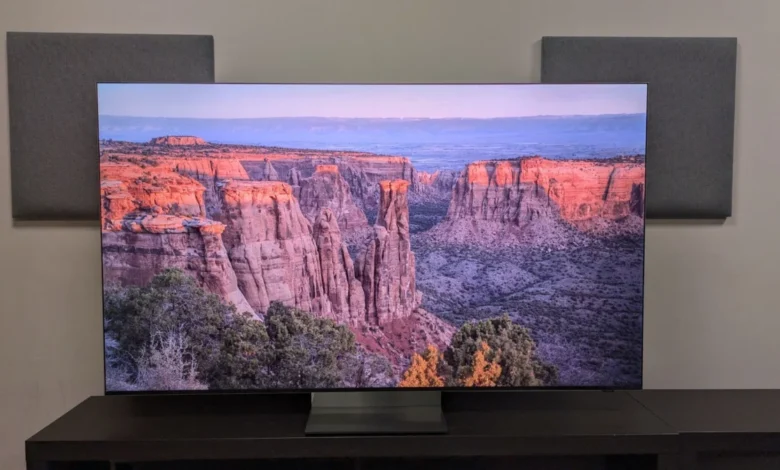
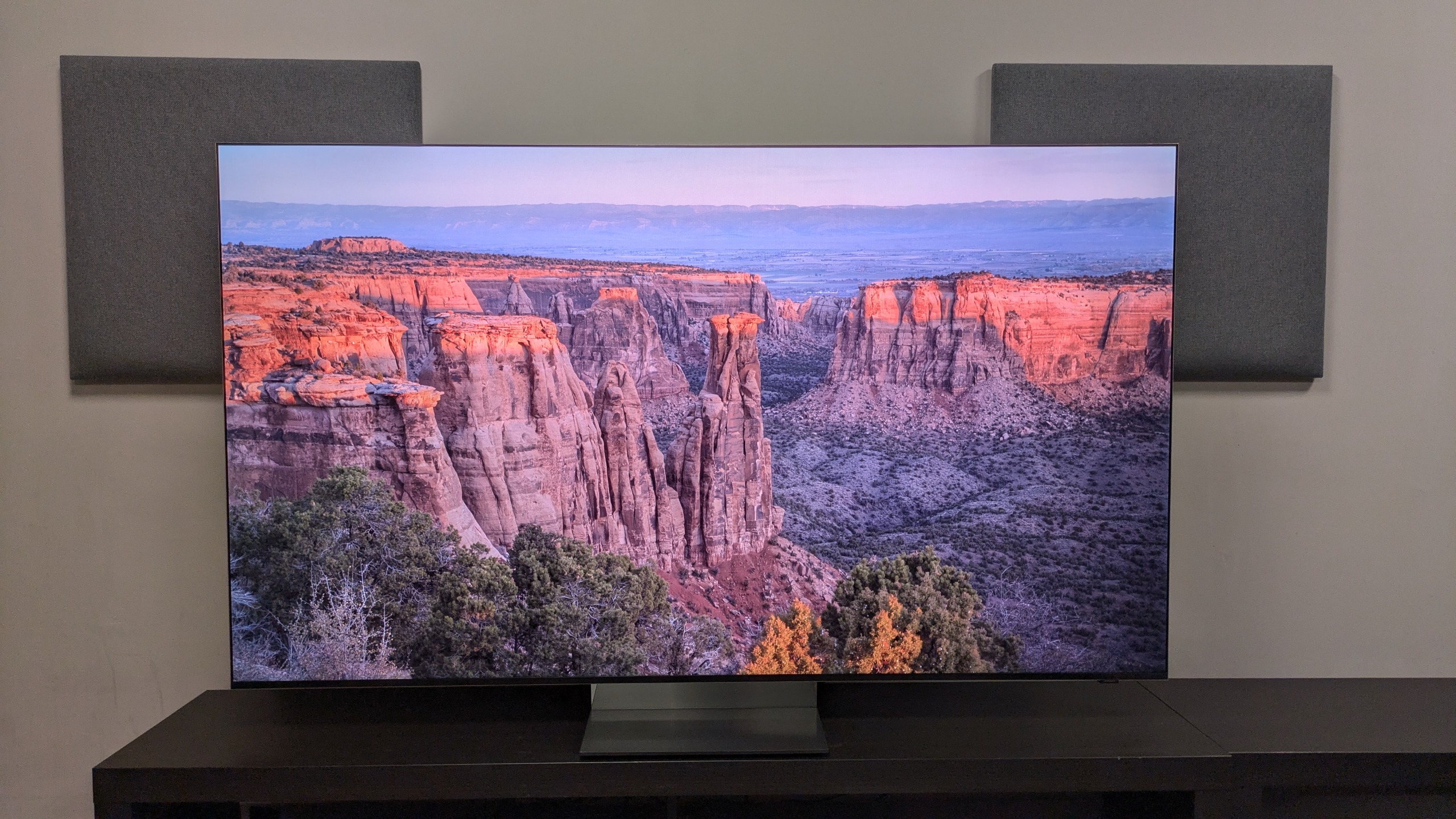
Samsung’s entrance into the competitive RGB television market has officially matured with the release of its flagship Micro RGB lineup, anchored by the high-end Samsung R95H. Positioned directly above the entry-level R85H, this premium television aims to bridge the gap between traditional backlit display architectures and the self-emissive perfection offered by modern OLED displays. Available in expansive 65-inch, 75-inch, and 85-inch configurations, the R95H targets cinephiles, sports enthusiasts, and competitive gamers alike. While it faces steep competition from established flagship OLEDs and rival RGB implementations, its advanced feature set and rapid technological evolution signal a pivotal shift in the home entertainment landscape.
Pricing, Market Placement, and Availability
Since its global rollout in July 2026, the Samsung R95H has established itself firmly at the premium tier of the consumer electronics market. Initially launched at a retail price of $3,199 / £3,099 / AU$5,299 for the 65-inch review unit, market adjustments have seen prices stabilize. In the United States and the United Kingdom, the 65-inch model now trades around $2,799 / £2,899, placing it on direct financial footing with Samsung’s own premier S95H/S99H QD-OLED models and LG’s flagship G6 OLED.

However, when evaluated against competing backlit RGB panels, Samsung has positioned the R95H competitively. It undercuts Sony’s flagship RGB offering, the Bravia 9 II, which commands a steeper $3,499 / £3,499 / AU$5,995 in comparable regions. This pricing strategy reflects Samsung’s intent to position Micro RGB not as a budget alternative to OLED, but as a co-flagship technology capable of commanding top-tier valuation based on raw peak brightness and color volume advantages.
Core Architecture and Advanced Feature Set
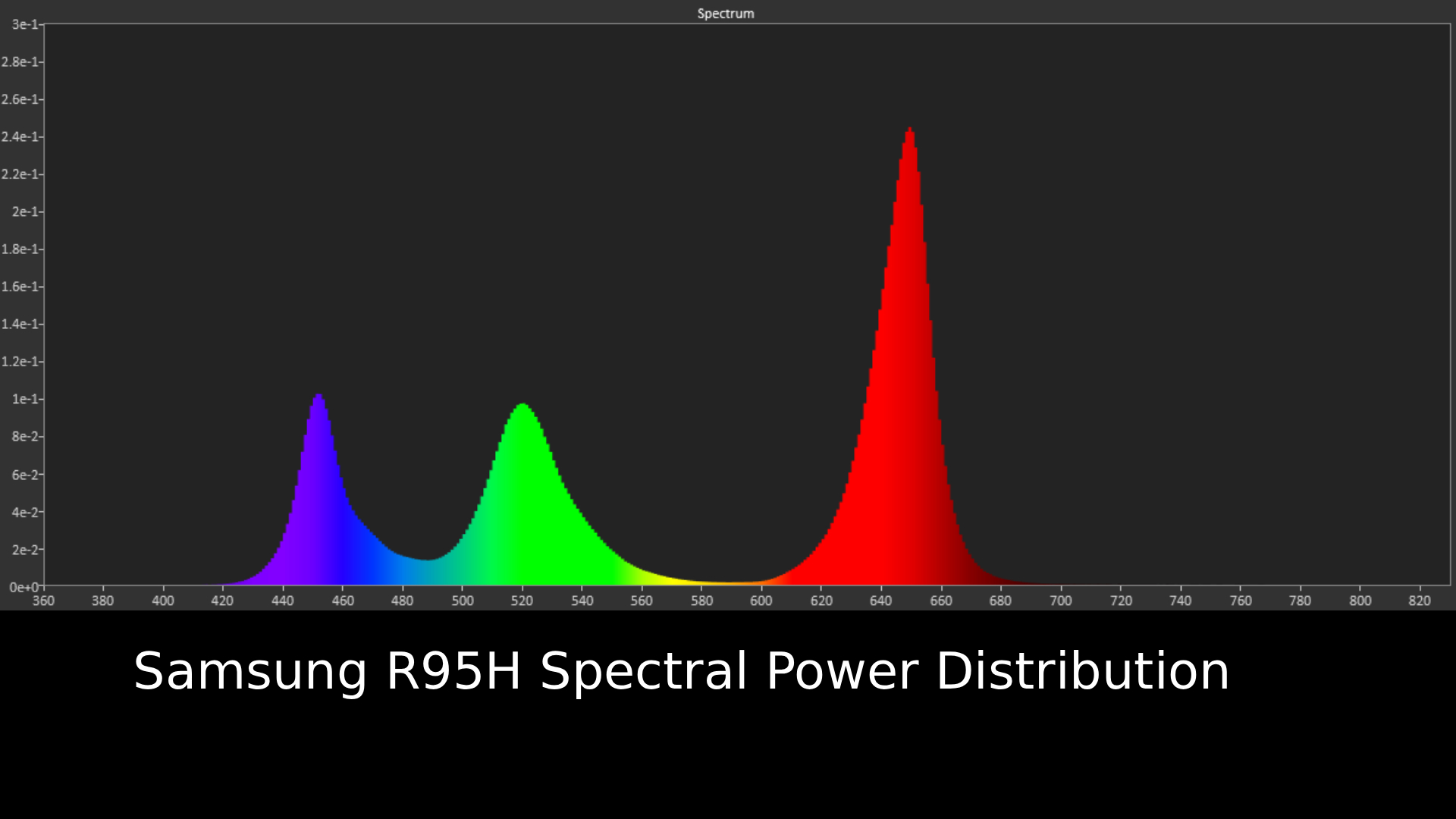
At the heart of the R95H lies Samsung’s proprietary Micro RGB backlight technology. Diverging from traditional mini-LED arrays that utilize a unified white backlight filtered through quantum dots or color filters, Micro RGB deploys microscopic individual red, green, and blue LEDs. This structural shift allows for tighter light control, drastically reduced blooming, and an expanded color spectrum.
Driving the display hardware is the Micro RGB AI Engine Pro processor, which harnesses machine learning to execute advanced image processing tasks such as 4K AI Upscaling Pro, Micro RGB Precision Color, and Color Booster Pro. Furthermore, Samsung has integrated its signature Glare Free matte screen coating—a notable anti-reflection filter previously seen on models like the S95H—ensuring that ambient light dispersion does not compromise daytime viewing integrity.
For high dynamic range content, the R95H natively supports HDR10+, HDR10, and HLG formats. Consistent with Samsung’s long-standing corporate strategy, Dolby Vision is conspicuously absent. Audio capabilities are delivered via a robust 4.2.2-channel speaker array capable of outputting 70W of power, fortified by Object Tracking Sound+ (OTS+), Active Voice Amplifier Pro, and Dolby Atmos compatibility.
Benchmark Performance and Picture Quality
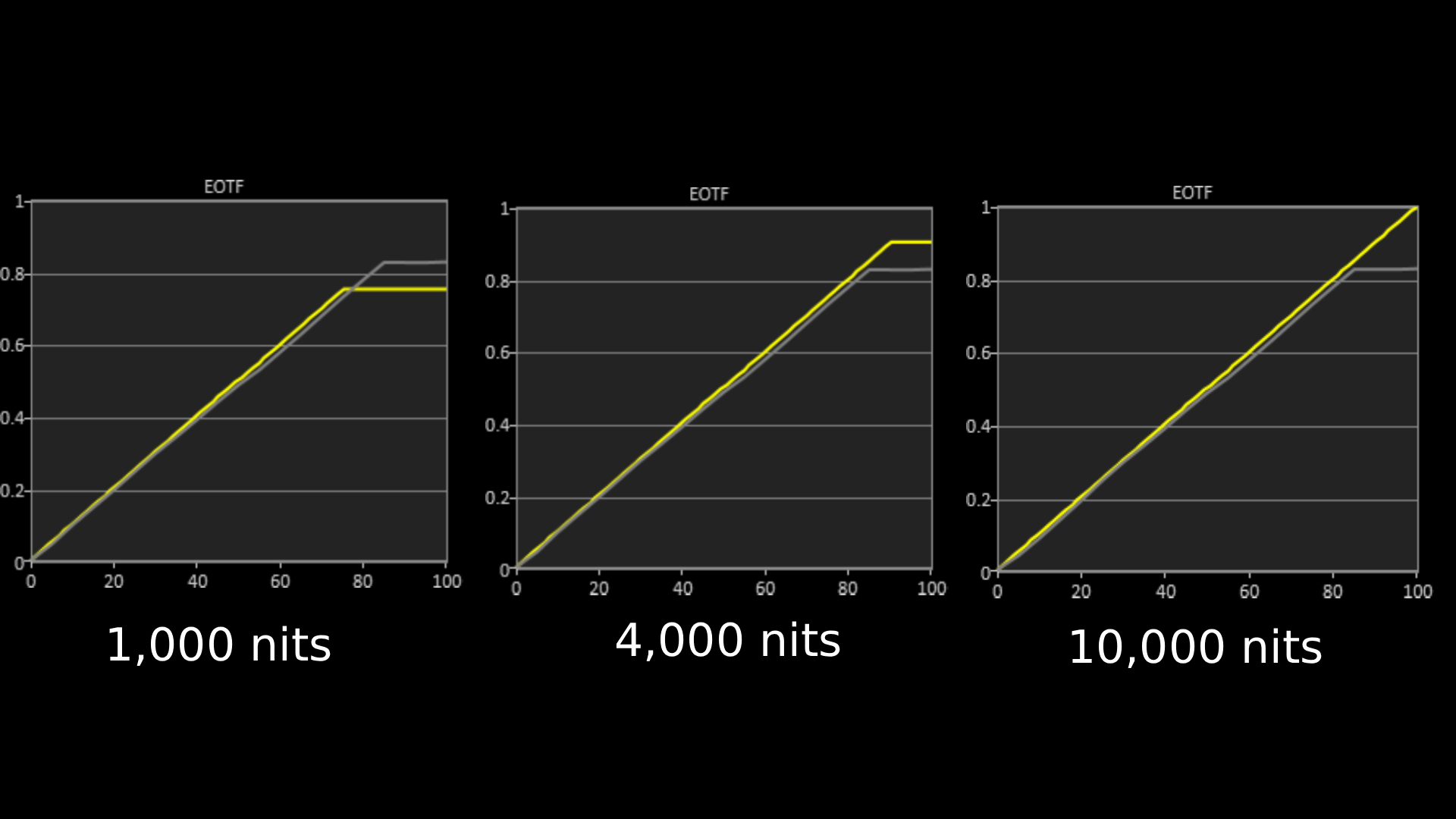
Rigorous laboratory testing reveals a nuanced performance profile for the Samsung R95H. When measured using standard 10% window patterns in Filmmaker mode, the television achieved a peak HDR brightness of 1,977 nits, rising to 2,066 nits in Standard mode. While these figures represent formidable luminance capabilities, they trail Samsung’s own QD-OLED flagship (the S95H/S99H), which exceeds 2,700 nits under identical parameters.
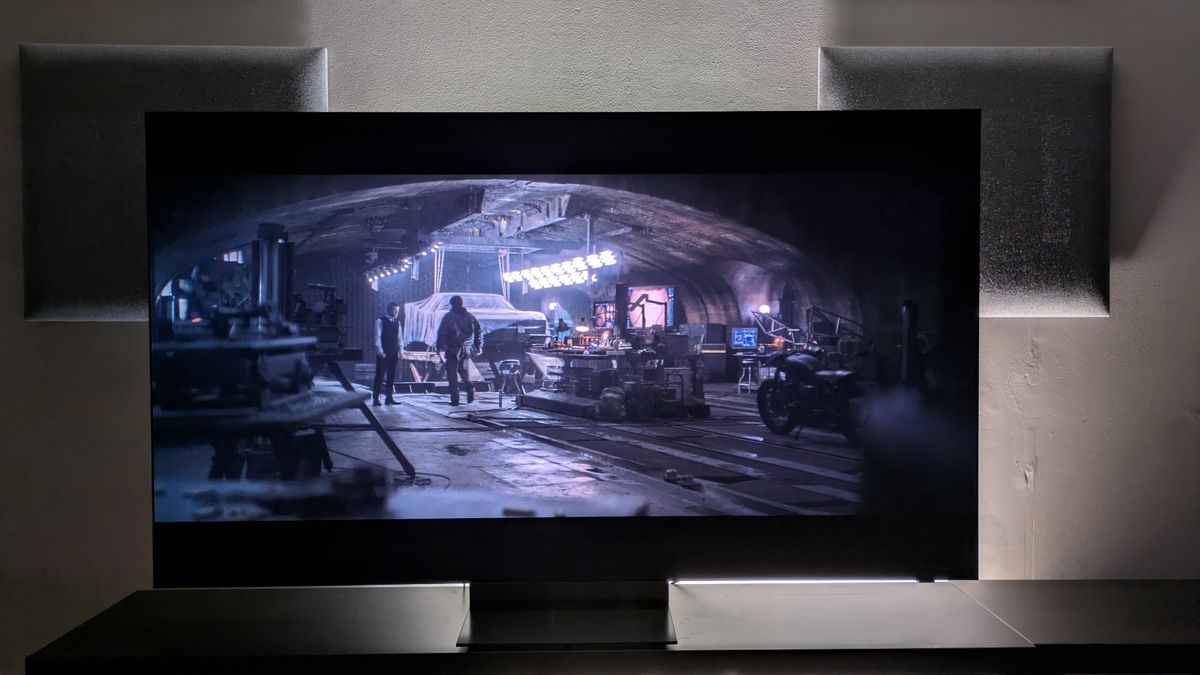
Conversely, the R95H asserts its backlight dominance in full-screen HDR tests. It registered a consistent 612 nits in Filmmaker mode, outperforming the S95H/S99H OLED by roughly 150 nits. Nonetheless, it remains marginally behind competing RGB displays like the Hisense UR8 and Sony Bravia 7 II, which clear 750 and 800 nits respectively in full-screen evaluations.
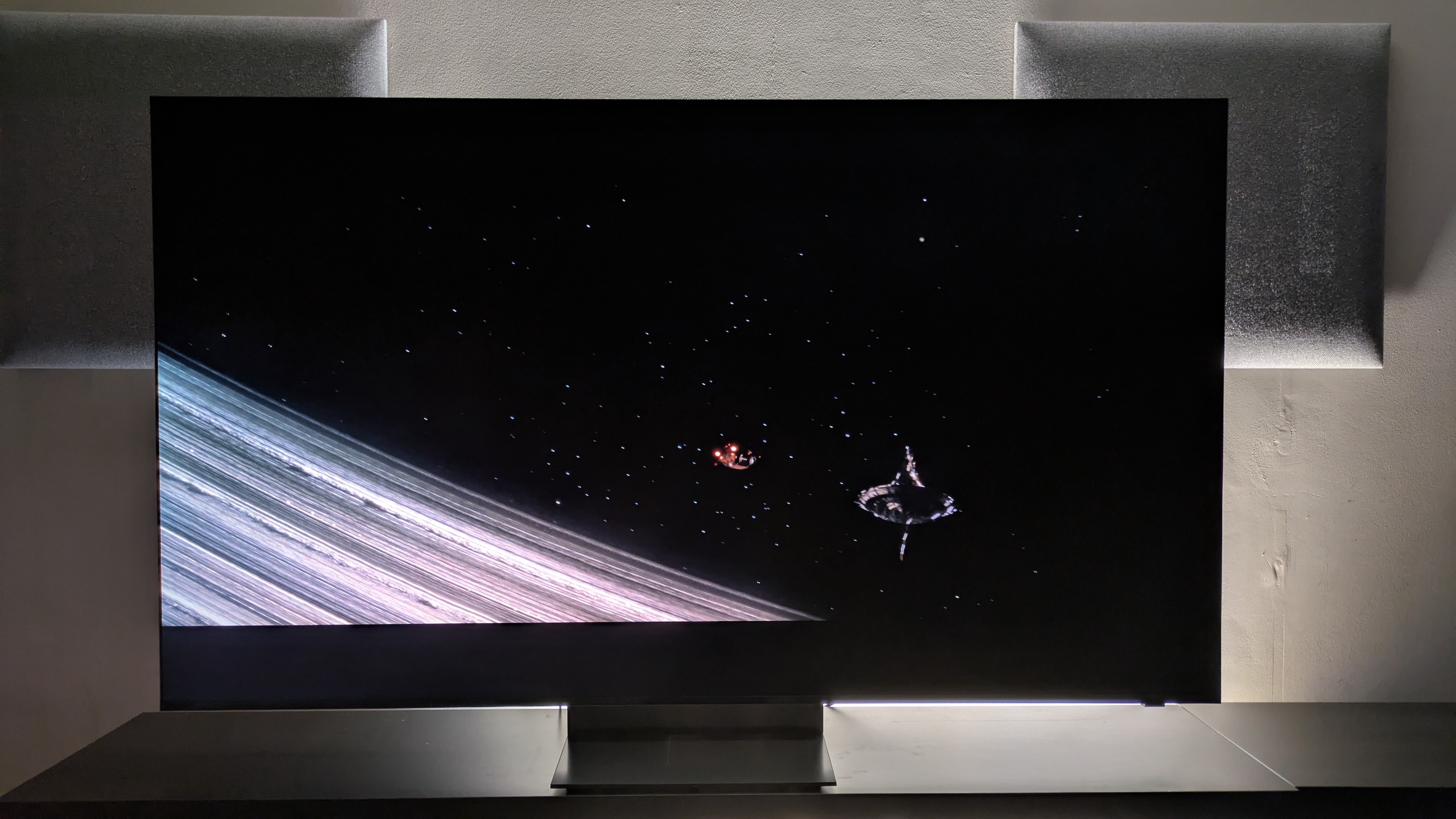
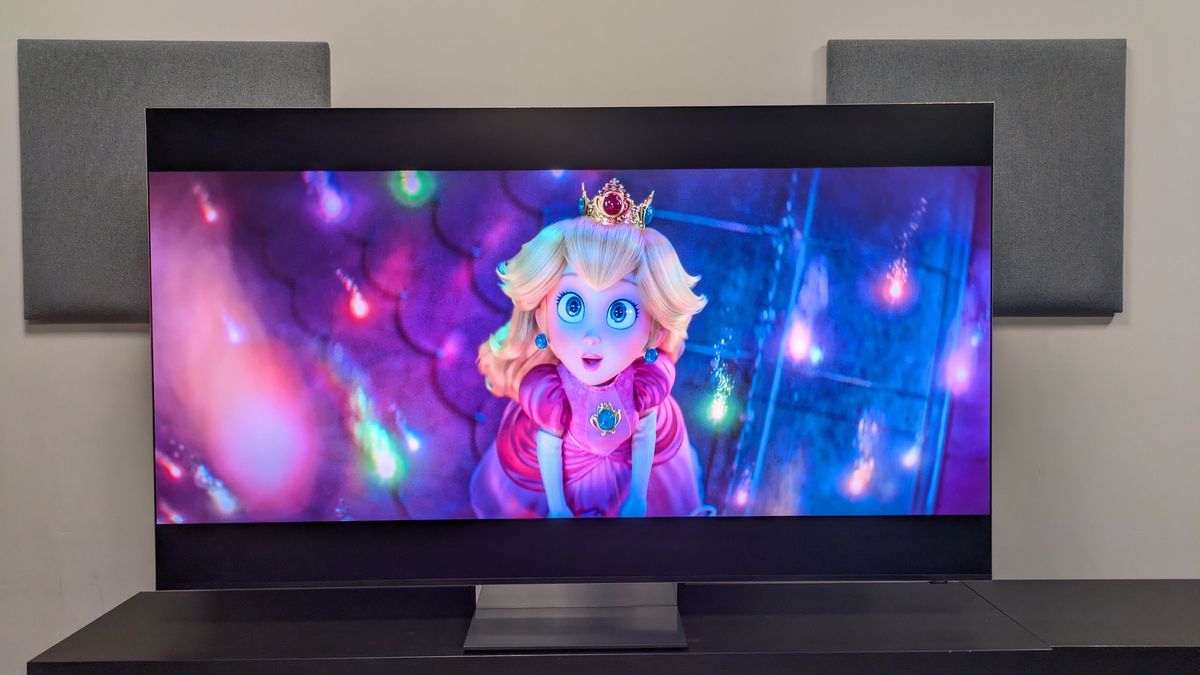
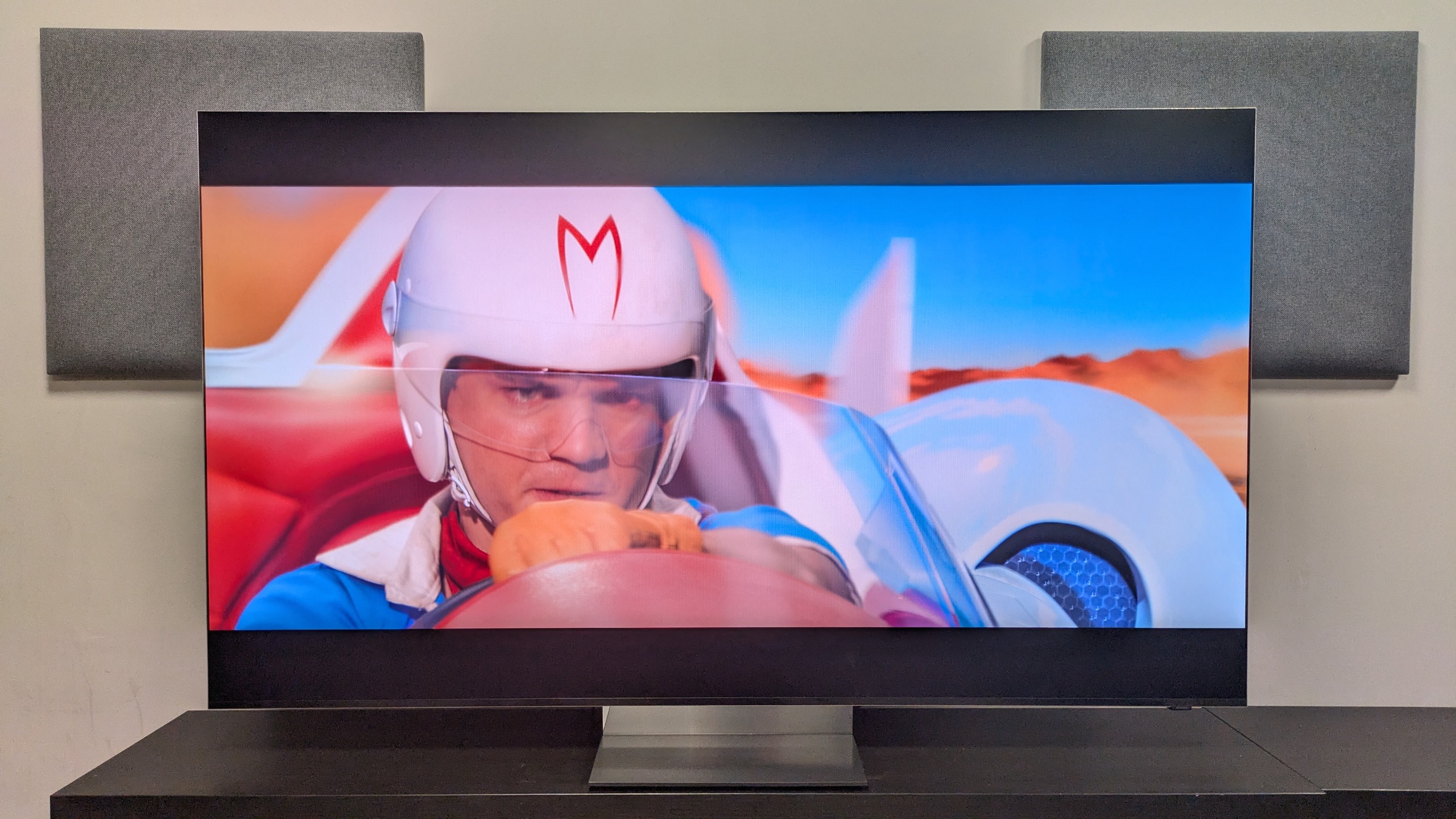
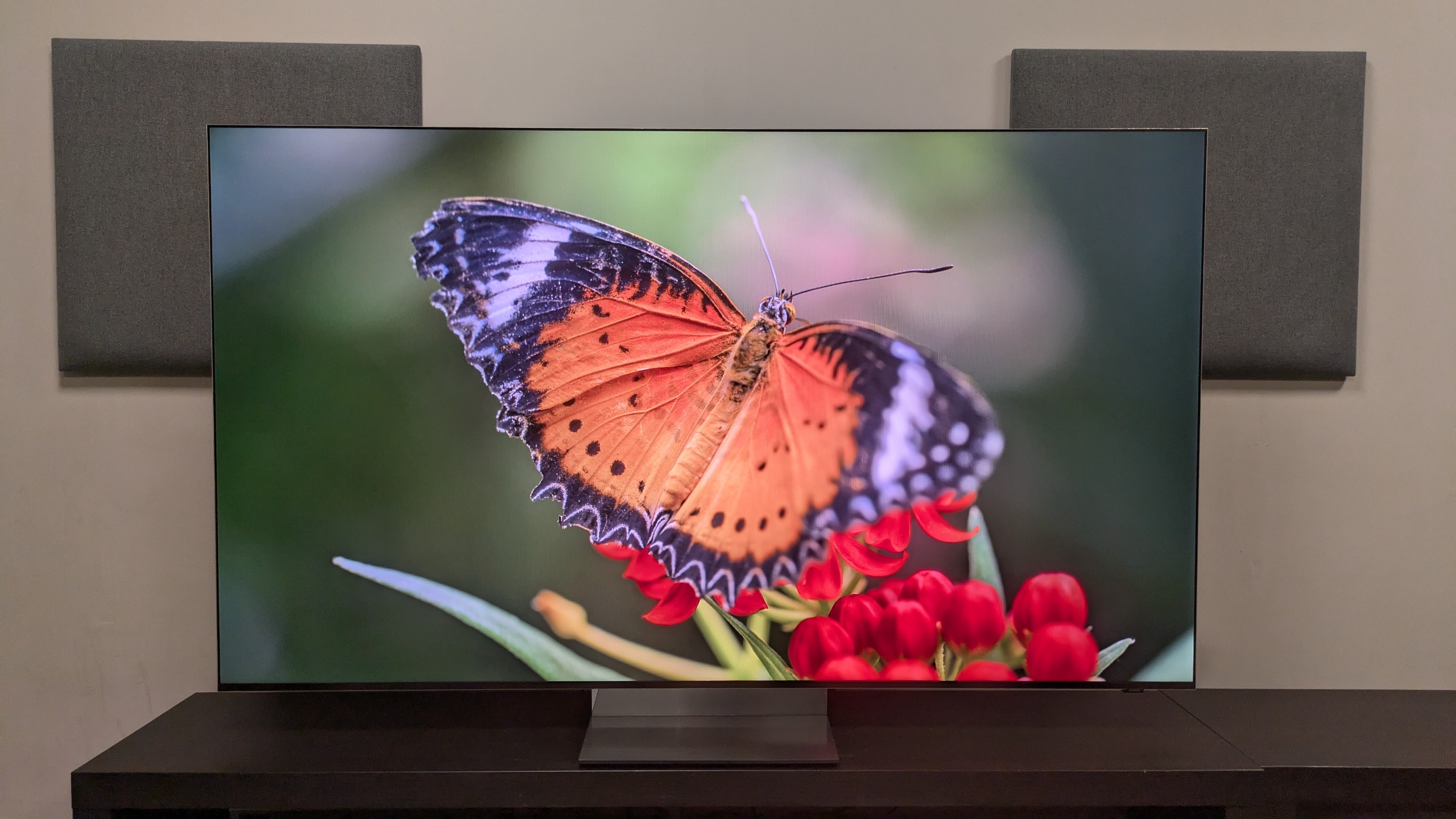
Color reproduction stands out as the R95H’s primary triumph. Utilizing reference 4K Blu-ray material—including animated features and live-action films—the television displayed exceptional vibrancy and saturation. Color gamut testing yielded a staggering 148% coverage of the DCI-P3 color space and 94.1% of the demanding BT.2020 color standard, placing its color volume metrics on par with high-end digital cinema projectors and advanced QD-OLED panels.
Black levels, while unable to achieve the absolute, pixel-level zero-nits darkness of an OLED panel, are remarkably deep for a backlit architecture. Dark-room evaluations using high-contrast cinematic sources demonstrated strong shadow detail retention and controlled backlight zone management, minimizing blooming artifacts even during off-center viewing angles.
Next-Gen Gaming Capabilities
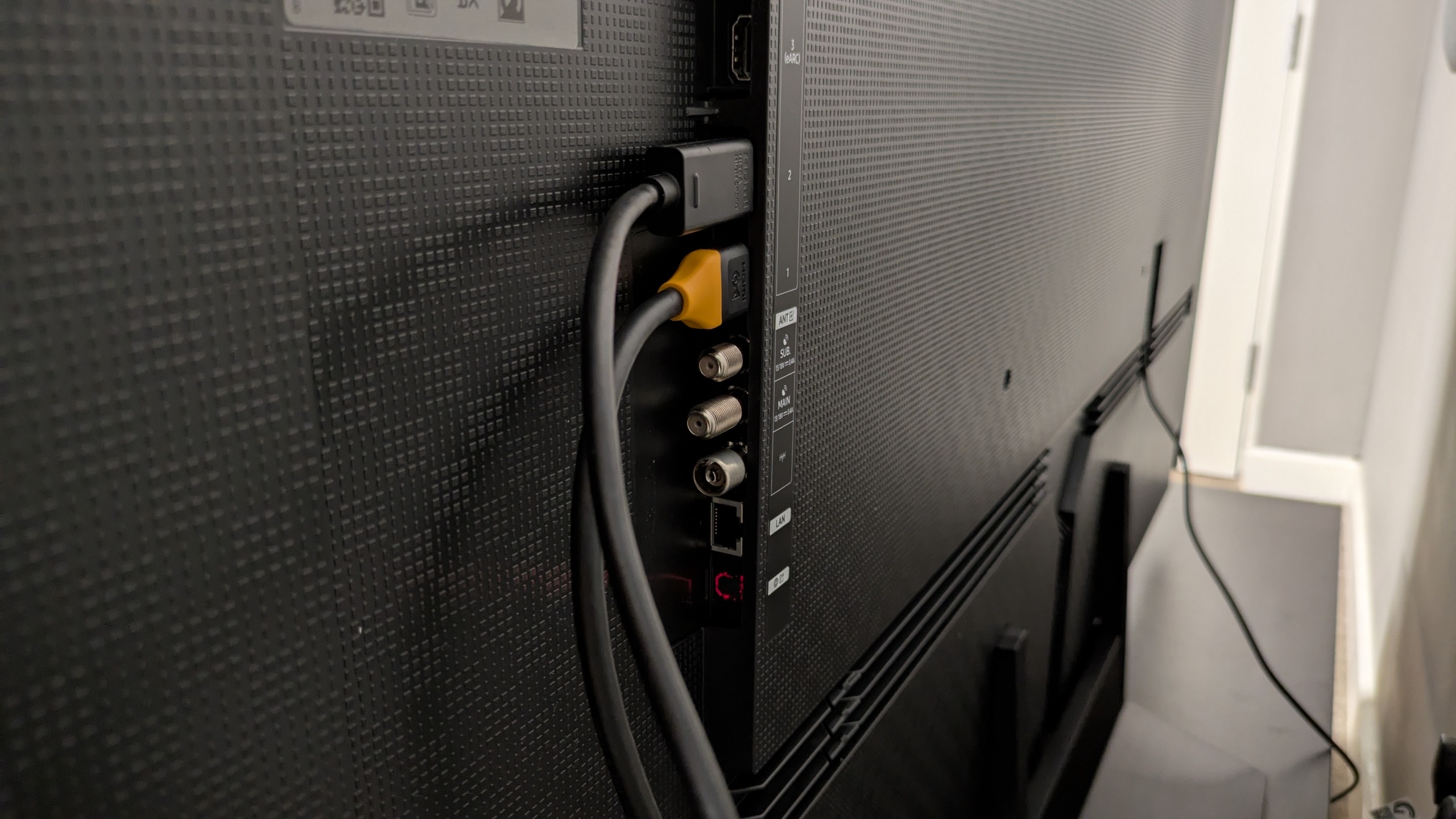
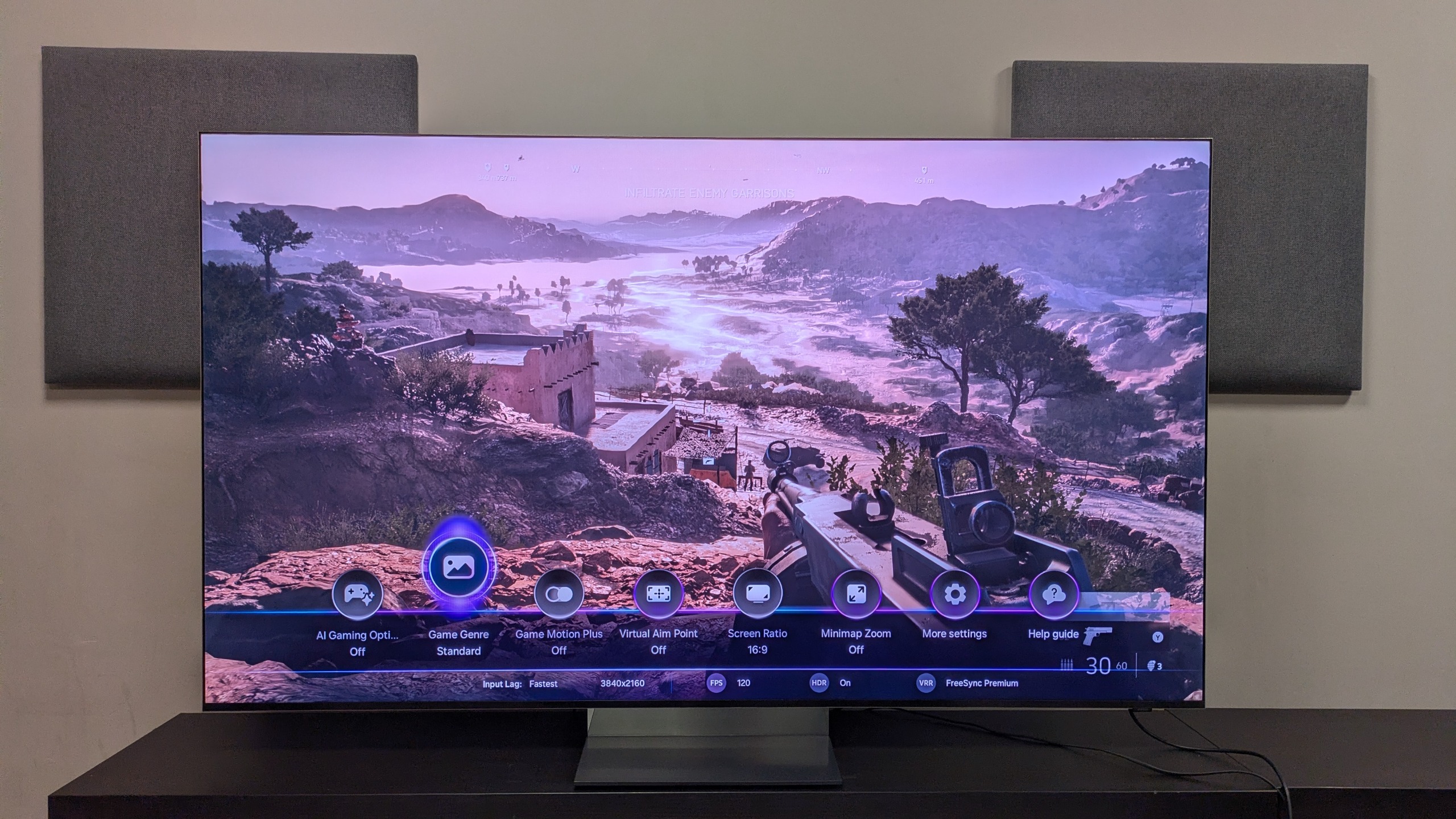
For the gaming demographic, the Samsung R95H functions as a powerhouse. Equipped with four fully compliant HDMI 2.1 ports, the television supports native 4K gaming at up to 165Hz. Variable Refresh Rate (VRR) technologies—including AMD FreeSync Premium Pro and Nvidia G-Sync—are fully supported, alongside Auto Low Latency Mode (ALLM) and HDR10+ Gaming.
Input lag tested at an impressively low 11.7ms at 4K/60Hz. While marginally higher than the sub-10ms response times traditionally logged by standard Samsung monitors and televisions, it remains well below the threshold of perceptible latency. Combined with the expansive Tizen-powered Gaming Hub—which aggregates cloud gaming applications such as Xbox Cloud Gaming and Nvidia GeForce Now—the R95H delivers a seamless, high-performance interactive experience.
Smart TV Ecosystem and Interface
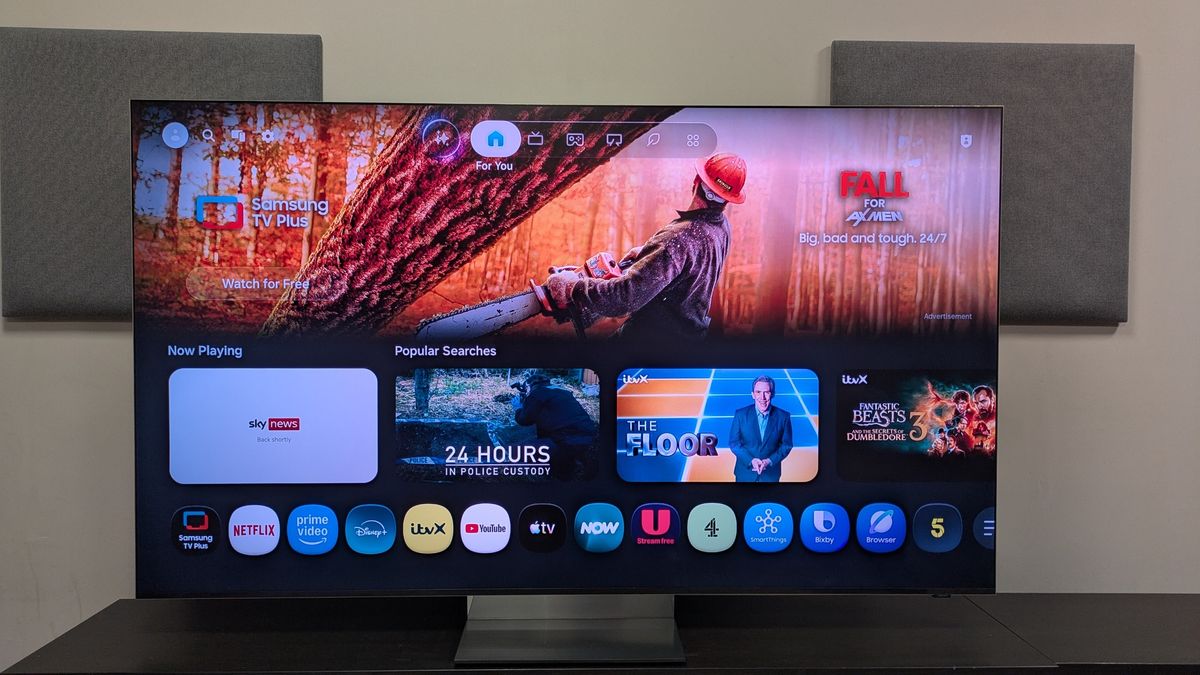
The television operates on Samsung’s proprietary One UI Tizen platform, organized into dedicated hubs including Home, Game, Daily, and Art. Tizen provides comprehensive access to major international and regional streaming applications, though live television relies entirely on the integrated Samsung TV Plus streaming infrastructure rather than terrestrial platforms like Freely or Freeview.
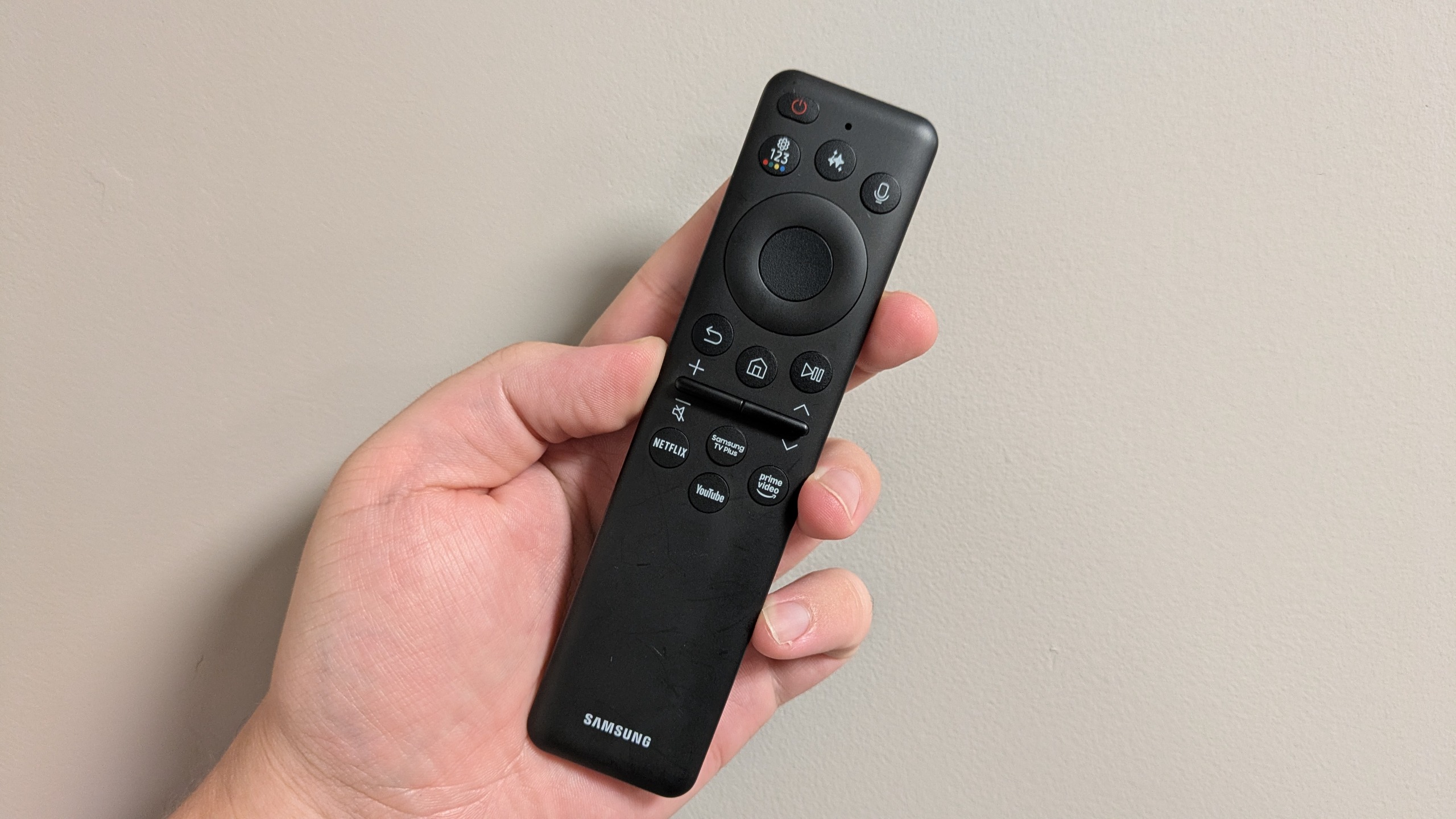
AI integration is heavily emphasized through the Samsung Vision AI Companion, which assists with conversational content discovery and context-aware queries. While the interface is responsive and logically structured, standard modern software grievances persist: prominent, non-removable banner advertisements occupy prime screen real estate on the home dashboard, and lingering on menu screens can inadvertently trigger autoplaying content within Samsung TV Plus.
Verdict and Market Implications
The Samsung R95H is a technical tour de force that demonstrates the rapid maturation of Micro RGB display technology. It successfully delivers blinding peak highlights, reference-grade color volume, robust gaming infrastructure, and effective anti-reflective handling in a remarkably slim form factor.
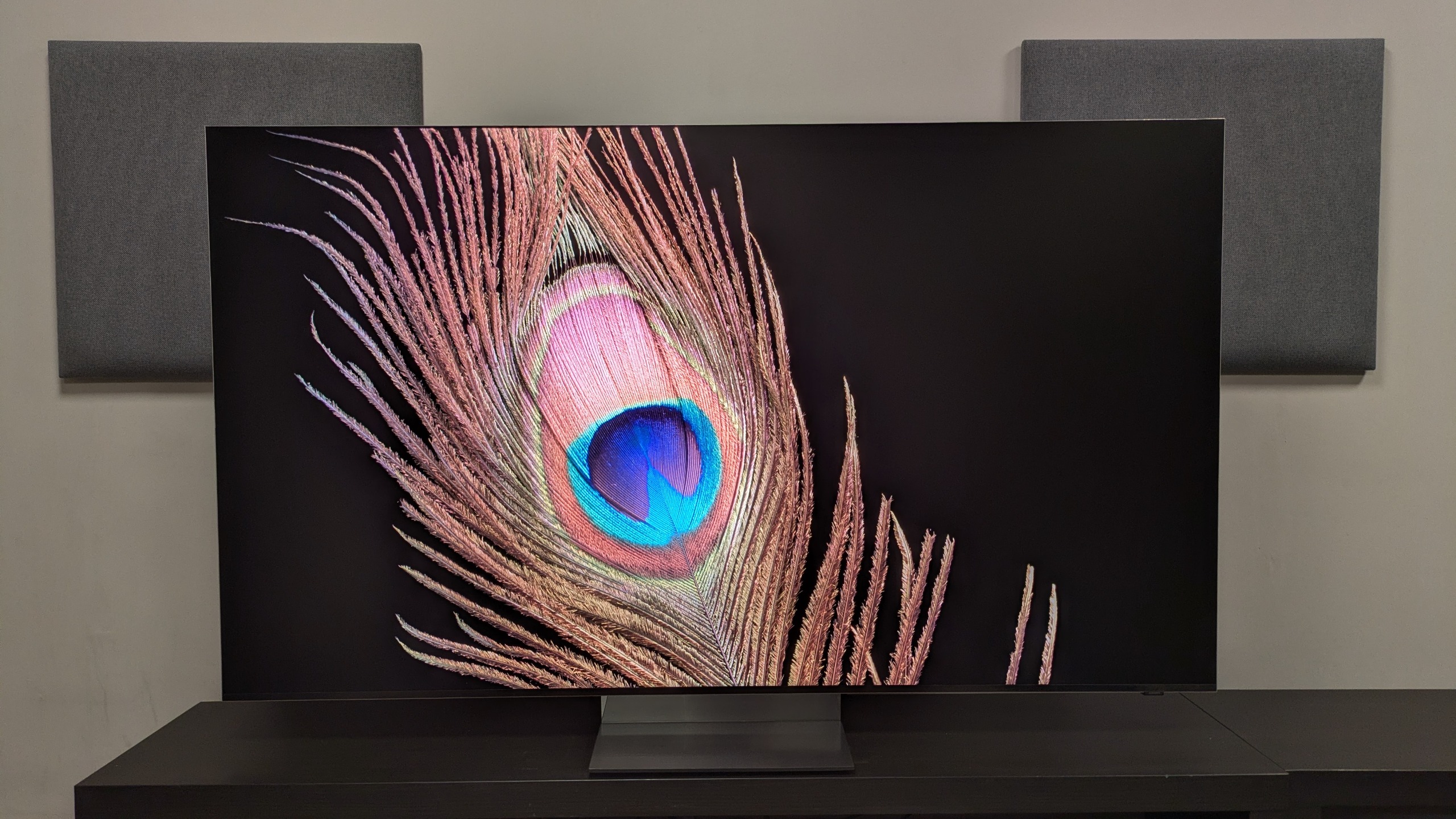
While flagship OLED panels retain a minor advantage in absolute black-level performance and dark-room contrast, the R95H closes the performance gap significantly. For consumers seeking a luminous, feature-rich flagship television capable of dominating brightly lit living spaces while satisfying the most demanding next-generation gamers, the Samsung R95H stands as a compelling, forward-looking investment.