Even Realities Even G2 Smart Glasses Review: A Stylish Vision of the Future Hampered by Half-Baked Execution

The consumer technology landscape is experiencing a profound identity crisis regarding wearable smart devices. Following a period of aggressive market penetration by companies like Meta, which successfully sold millions of frames equipped with permanent, outward-facing cameras, public sentiment has rapidly evolved. Contemporary cultural anxiety has increasingly cast camera-enabled smart eyewear under the pejorative label of "pervert glasses," highlighting growing public sensitivities surrounding perpetual surveillance and unconsenting life-logging. Entering this fraught cultural and regulatory environment, the Even Realities Even G2 smart display glasses position themselves as a deliberate technological antidote. By eschewing cameras entirely while still integrating sophisticated phone-based artificial intelligence and direct-to-retina data delivery, the Even G2 aims to thread the needle between personal utility and privacy preservation.
Retailing at $599 (£599 / AU$649) with mandatory prescription lens investments adding an extra $150 to $350, the Even G2 carries a significant financial barrier to entry. This premium pricing structure invites rigorous scrutiny, particularly when compared against direct competitors like Meta’s $299 EssilorLuxottica collaboration frames, which manage to include both cameras and integrated directional audio for roughly half the cost. To understand whether Even Realities has successfully engineered a compelling alternative to traditional smart eyewear, industry analysts, tech reviewers, and potential consumers must evaluate the device across multiple operational vectors: its physical architecture, display fidelity, software stability, and overall market viability.
Design and Ergonomics: The Illusion of Ordinary Eyewear
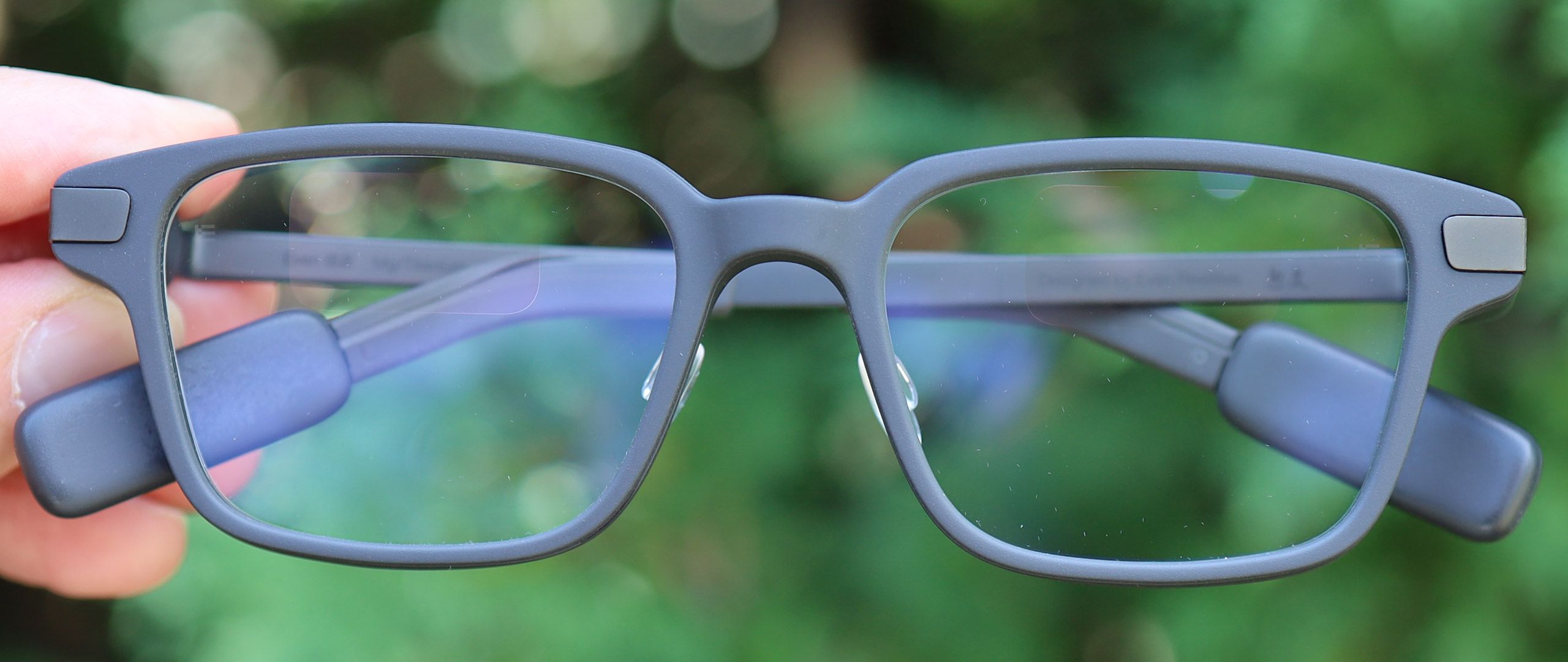
From an aesthetic standpoint, the Even Realities G2 achieves a milestone that few wearable technology manufacturers have managed to conquer: it looks entirely unremarkable in the best possible way. Constructed from a lightweight titanium-and-magnesium alloy finished in a sophisticated gray tone, the frames successfully emulate high-end designer prescription eyewear. Unlike the bulky, heavily reinforced arms characteristic of early-generation augmented reality headsets or competing smart frames that look intentionally futuristic, the G2 profile remains slender and unobtrusive.
The engineering compromise required to house micro-LED projection hardware and battery cells manifests primarily at the terminal ends of the eyewear stems, which terminate in slightly enlarged, pill-shaped nodules. Fortunately, these housing units rest comfortably behind the wearer’s ears, effectively concealing their technological nature from casual observers. Weighing mere grams more than conventional spectacles, the G2 can be worn for consecutive days without causing bridge-of-the-nose fatigue or ear pressure.
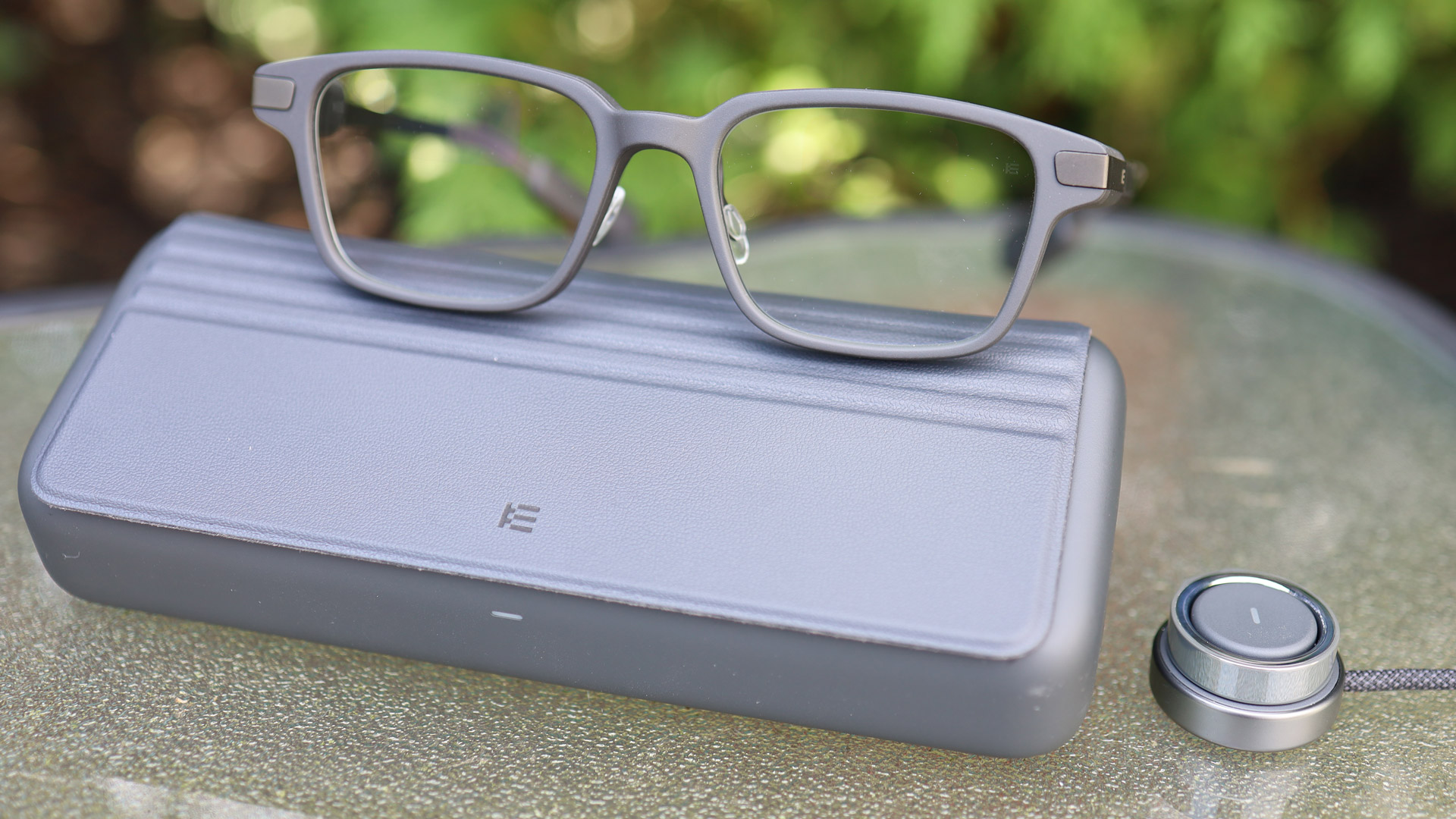
However, closer inspection reveals minor aesthetic quirks. The front surfaces of the lenses are notably flat and possess a subtle reflectivity that distinguishes them from standard curved optical glass. While spouses and casual acquaintances might struggle to identify the frames as smart devices from a distance, the underlying architecture requires specific structural accommodations. The package ships with alternative stem covers and varied nose-pad dimensions, alongside a dedicated charging case designed to replenish the device’s onboard power supply.
Display Technology: Micro-LED Waveguide Innovation
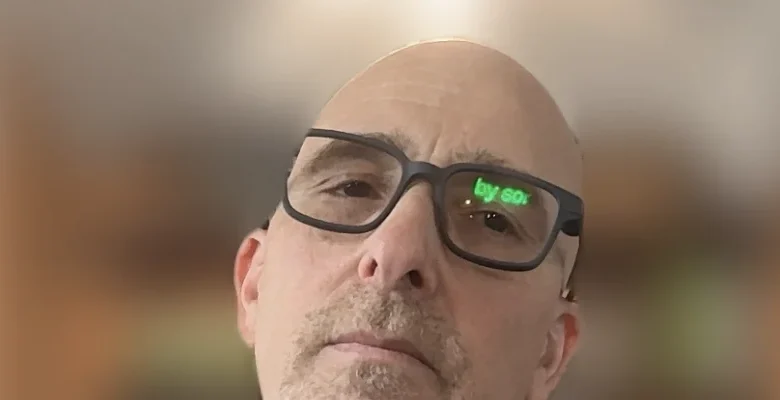
The core technological triumph of the Even Realities G2 lies within its optical display system. Utilizing embedded micro-LED projectors paired with advanced waveguide technology, the glasses project a 640 x 350 monochromatic green (day-glo) image directly into both eyes. This binocular approach creates a seamless, single-floating-image effect that mimics a crisp, 15-inch virtual monitor hovering just above the primary field of vision.
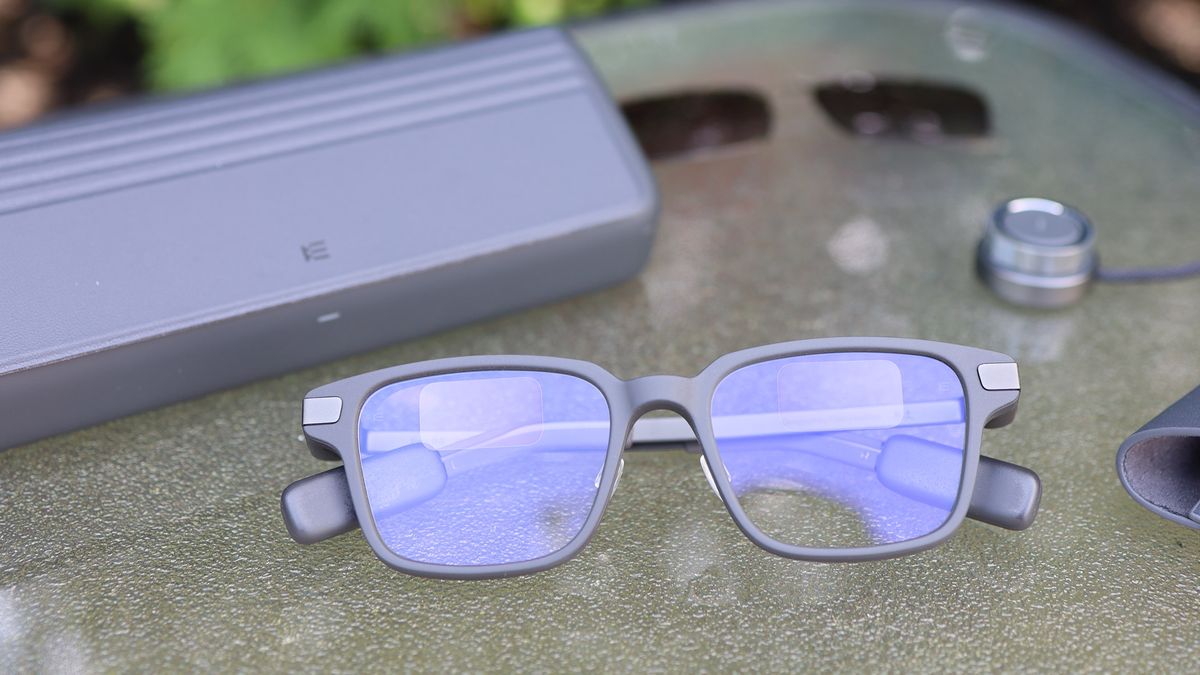
Crucially, the positioning of the graphical interface is calibrated to sit slightly superior to the user’s natural horizontal eyeline. This positioning ensures that wearers do not appear visibly distracted or cross-eyed during interpersonal communication; a simple downward shift of the eyes grants an unobstructed view of the physical world, while an upward glance brings the heads-up display into immediate focus. Operating at an impressive 1,200 nits of peak brightness, the display remains remarkably sharp and legible even under direct daylight conditions.
Despite the seemingly modest pixel resolution, the visual output resembles high-grade retro-futuristic CRT typography rather than pixelated blocks. Text elements, notifications, and navigational prompts render with exceptional clarity, demonstrating that waveguide optics can deliver glanceable data without necessitating power-hungry, high-resolution full-color panels.
Software Architecture and Control Mechanics

Navigating the software ecosystem of the Even Realities G2 requires patience and dexterity, highlighting one of the product’s primary operational friction points. The primary interface—dubbed the Dashboard—is summoned via a double-tap gesture executed on the capacitive touch sensors embedded within the stem arms, or alternatively through the optional $249 Even R1 smart ring worn on the index finger.
Resembling a modernized digital watch face or a 1990s personal digital assistant layout, the Dashboard presents the local time, date, battery telemetry for both glasses and ring, localized temperature, unread notification counts, and an integrated news feed widget. Navigating through menus, scrolling text feeds, and launching specific applications relies entirely on a complex suite of taps, long-presses, and lateral swiping gestures across the temple stems.
Because tactile feedback directly adjacent to the ear can feel awkward and unnatural in public spaces, the optional R1 smart ring serves as a vital accessory, allowing users to mirror temple gestures via thumb-to-finger interactions while also tracking basic physiological metrics such as heart rate, skin temperature, and step counts.
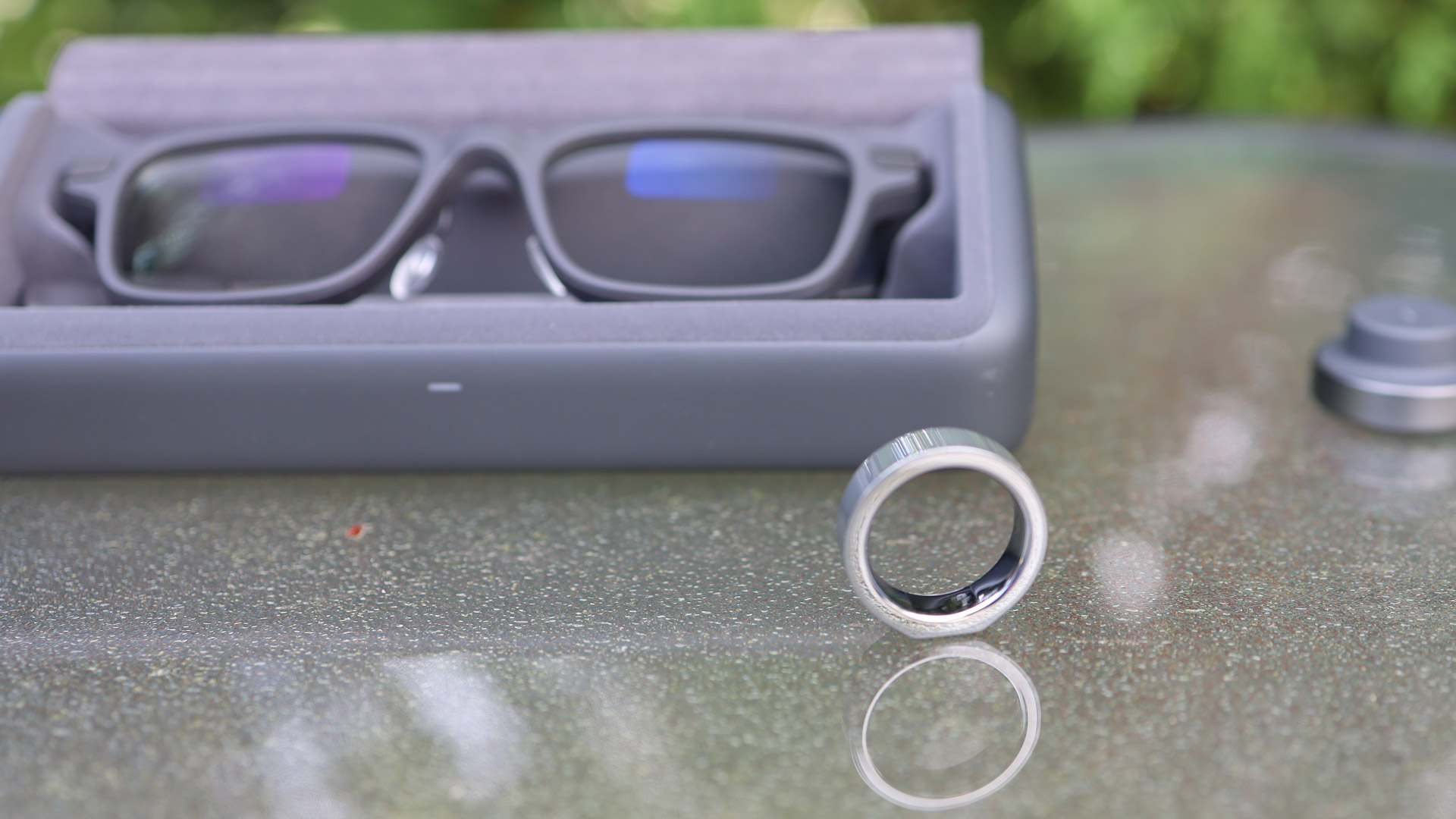
Despite this dual-input flexibility, the gesture control system remains frustratingly finicky. Minor miscalibrations frequently result in unintended command executions, thrusting the user into unwanted application states without adequate visual confirmation.
Core Functional Features: Promise Versus Realization
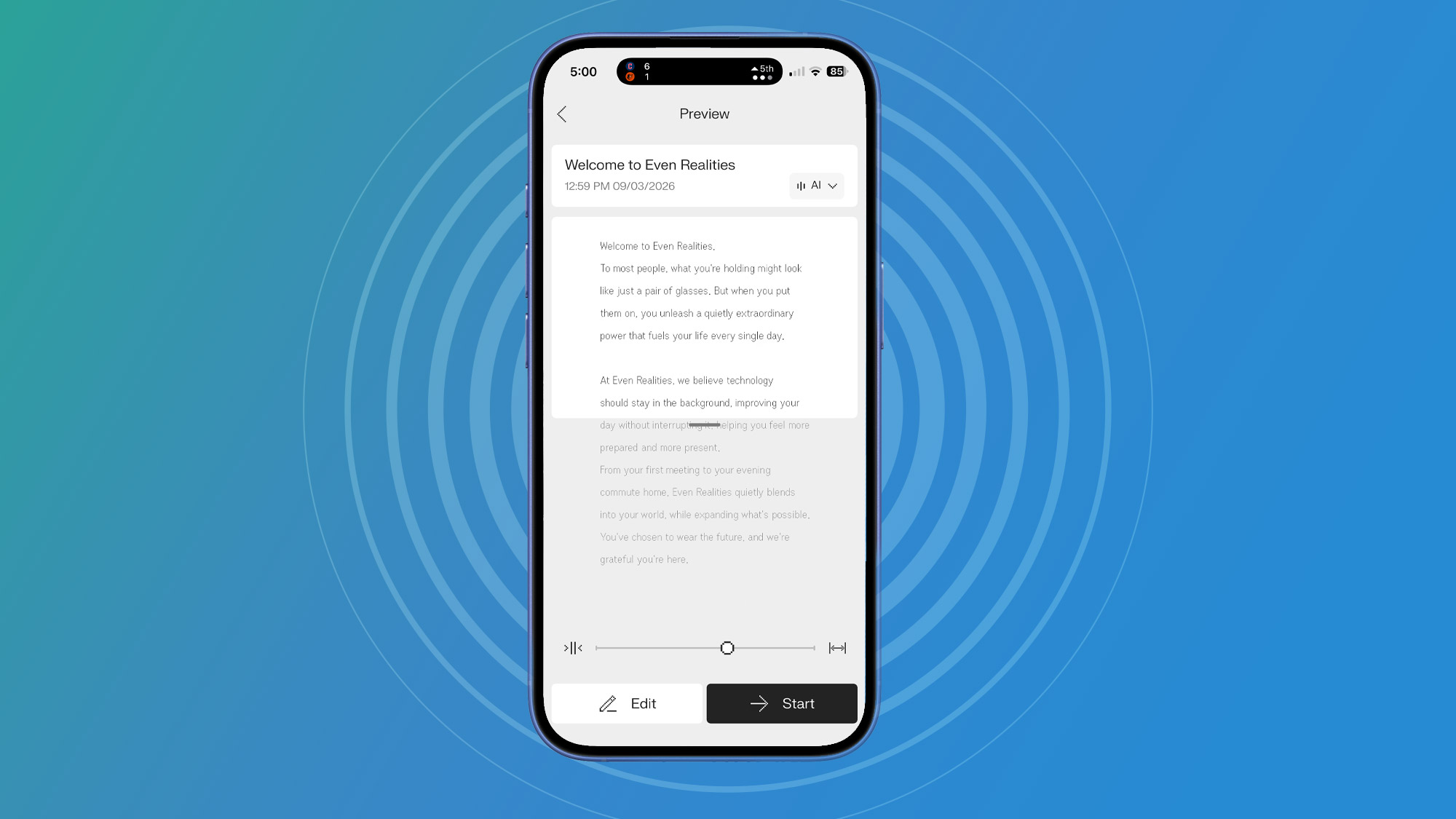
The Even Realities G2 software suite offers seven core functional pillars, each designed to justify the device’s standalone utility. Among these, the Teleprompt application stands out as the most potentially revolutionary feature for public speakers, presenters, and content creators. By importing text documents (.txt, .docx, .pdf) into the companion iPhone application, users can project a private teleprompter directly into their field of view. Leveraging onboard voice recognition, the system automatically scrolls the script in sync with the user’s spoken delivery cadence, eliminating manual speed adjustments. While functionally impressive, field testing reveals minor ergonomic hurdles: speakers must consciously tilt their gaze slightly upward to read the script, which can alter natural head posture during live presentations.
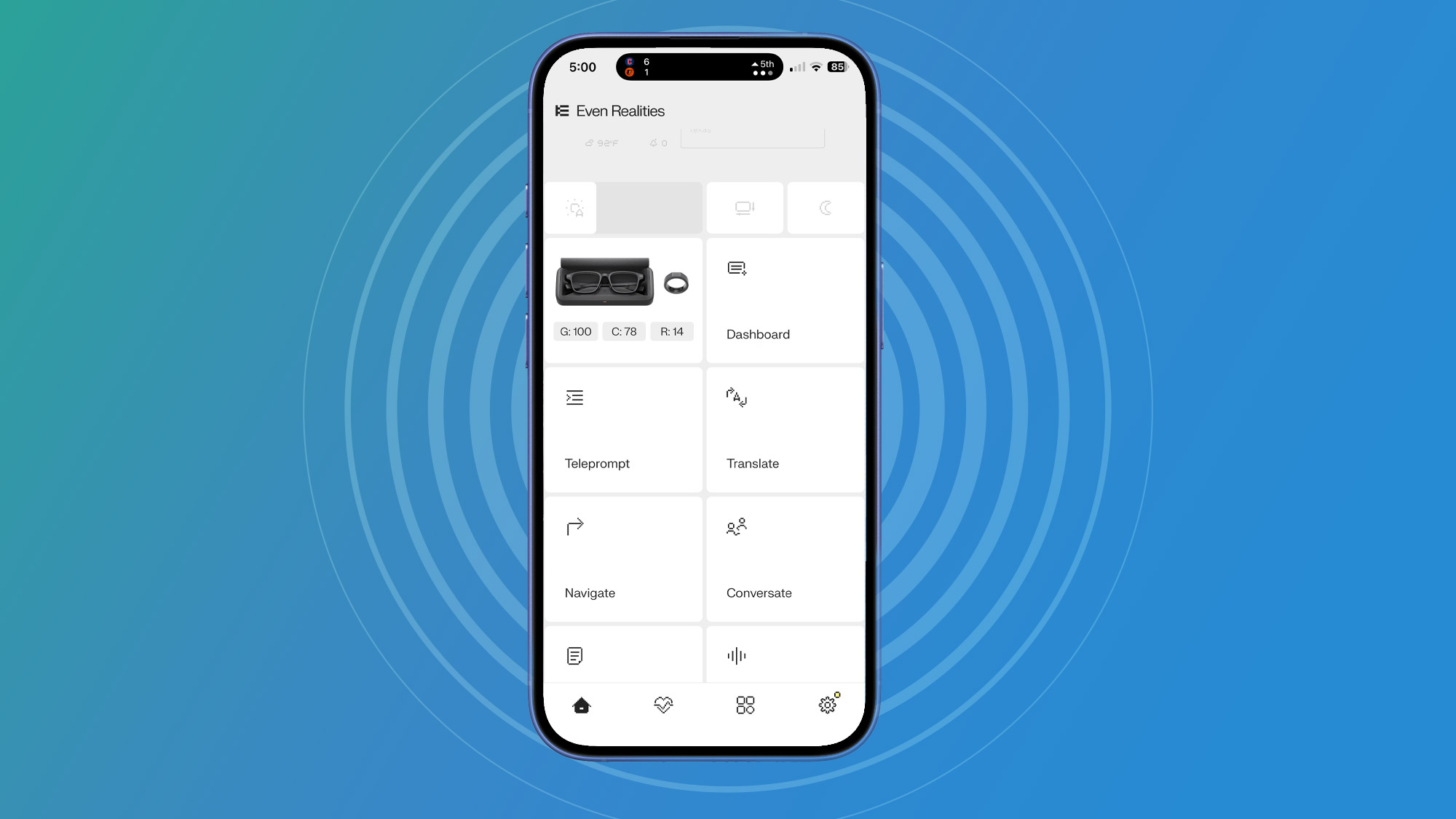
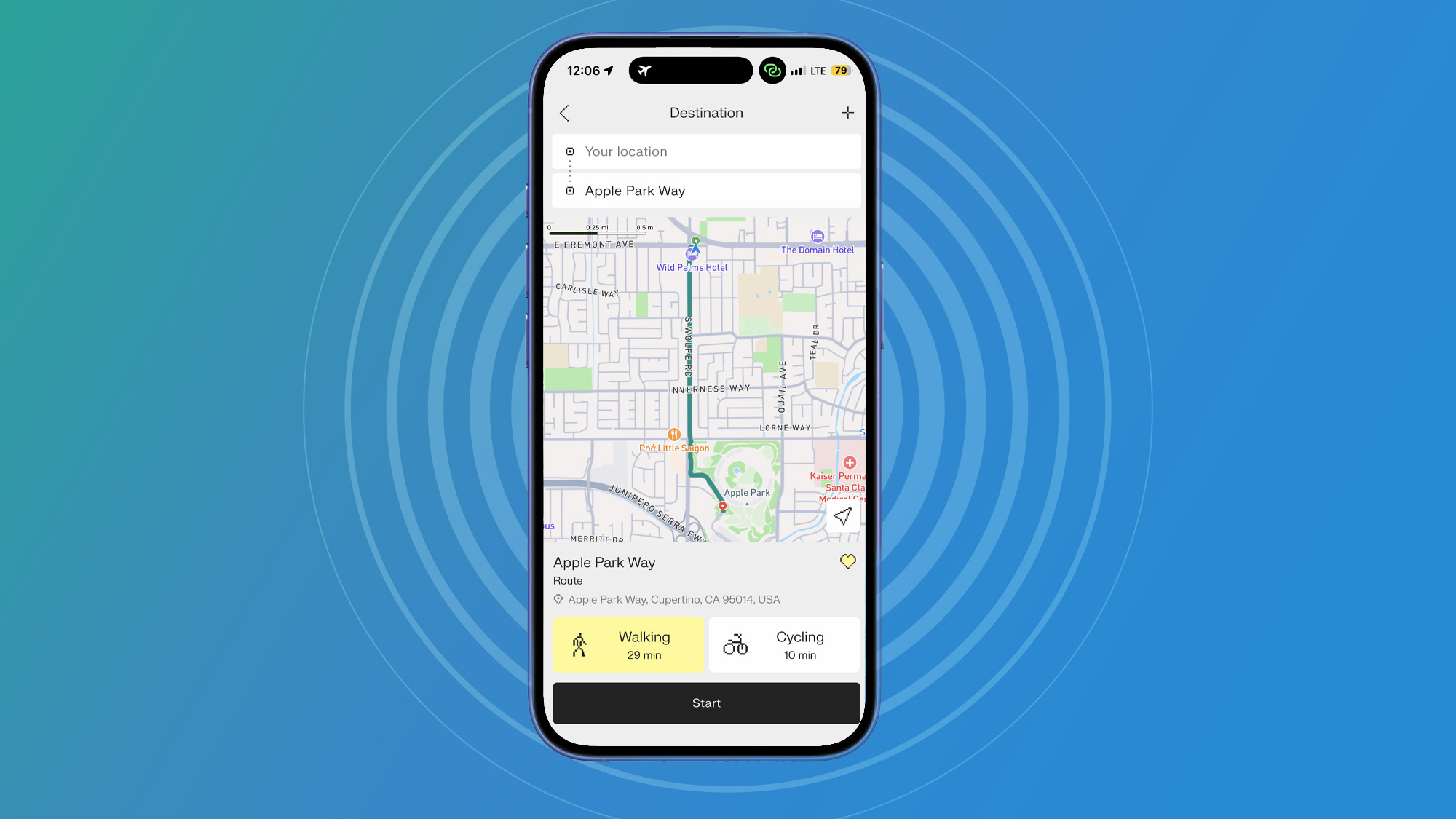
The Navigation module provides turn-by-turn routing exclusively tailored for pedestrians and cyclists. Even Realities made the conscious design decision to omit automotive driving directions, citing potential cognitive distraction hazards associated with heads-up displays behind the wheel. While safety-conscious, this omission limits the device’s day-to-day utility for commuters. Furthermore, the active navigation interface displays minimalist green line maps devoid of street labels, rendering complex route interpretation challenging.
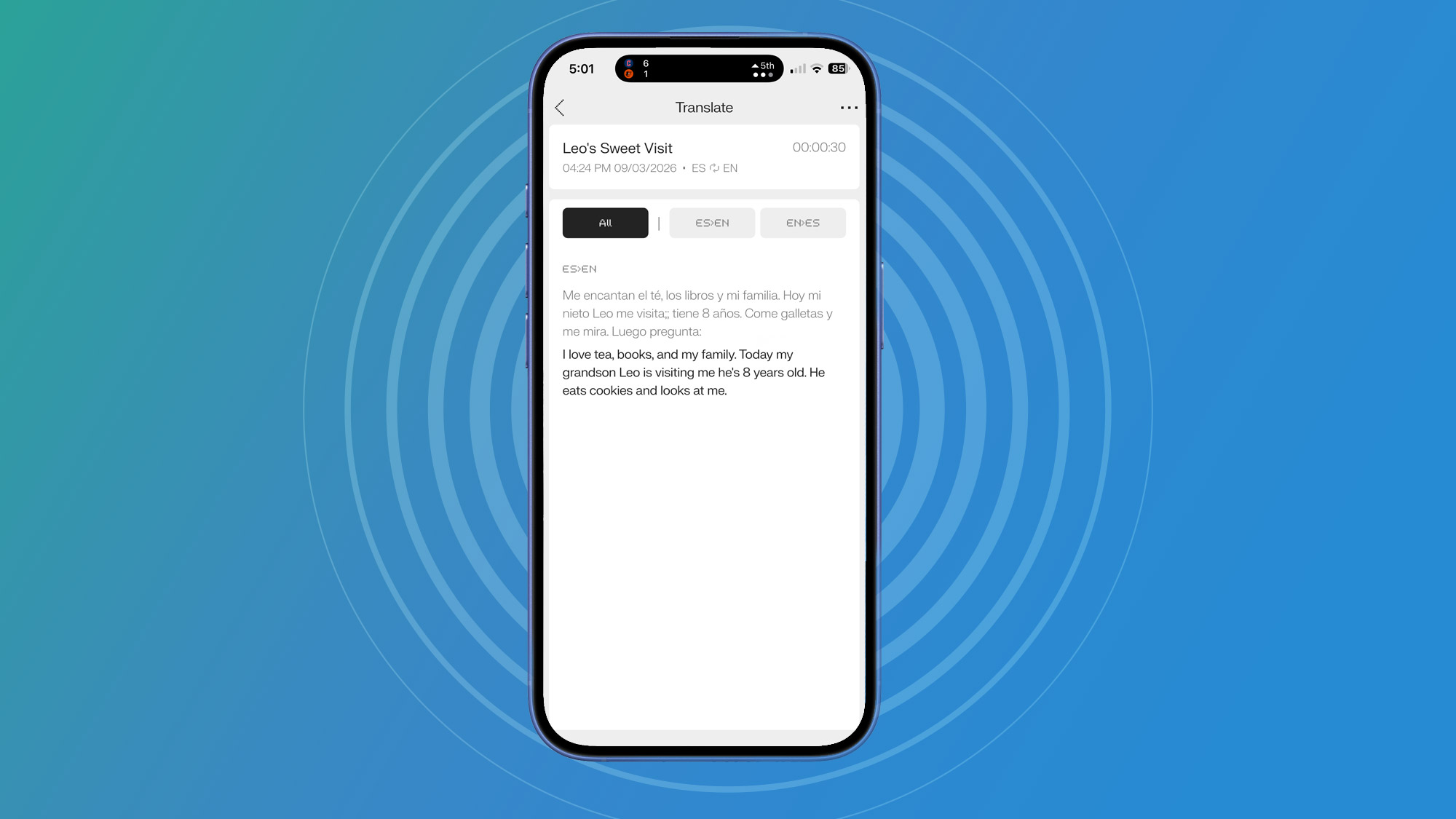
The Translation feature proves remarkably reliable, offering real-time speech-to-text translation directly onto the lenses. However, the absence of automatic language detection requires users to manually pre-select source and target languages within the iOS companion app prior to deployment, limiting its spontaneity for international travelers encountering unexpected linguistic barriers.
Artificial Intelligence Integration and Connectivity Shortcomings
The device’s voice-activated artificial intelligence assistant, Even AI, is summoned via the wake phrase "Hey Even," utilizing the frames’ four integrated microphones to capture audio input. Because the G2 completely lacks onboard physical speakers, Even AI cannot respond audibly; instead, all generated responses are rendered as text directly across the waveguide displays.
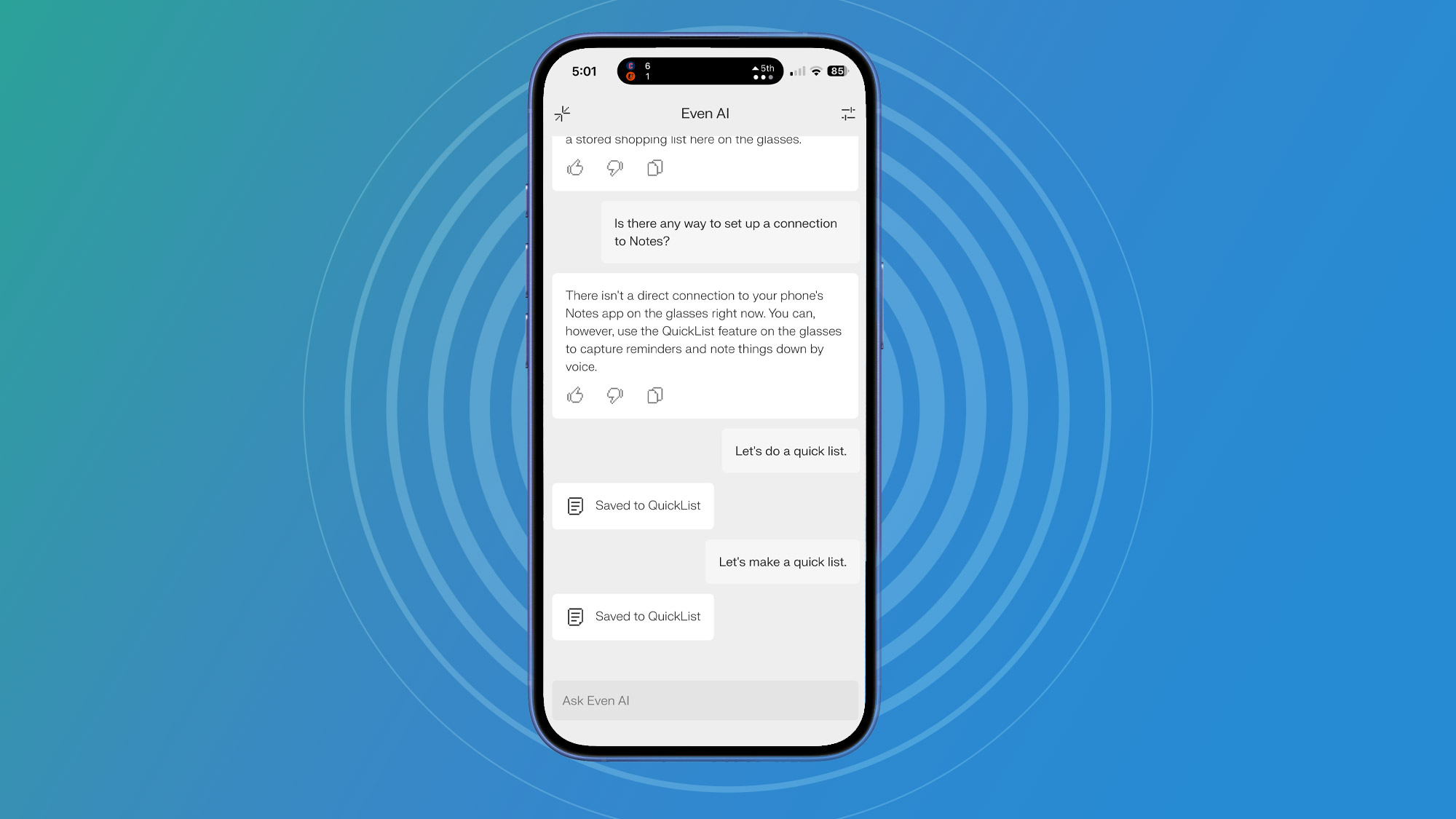
While the AI successfully synthesizes web information into concise summaries when queried about current news topics, its broader integration with native smartphone operating systems is severely restricted. Even AI operates within a localized sandbox inside the companion application, lacking deep access to system-wide files, third-party messaging clients, and native applications. For instance, attempts to pull shopping lists from the iOS Notes app or generate quick reminders frequently resulted in synchronization errors, execution failures, or unresponsive command loops.
Additionally, notification management remains inconsistent. During extended testing periods, incoming text messages, email alerts, and Slack notifications frequently failed to bridge the gap between the iPhone and the eyewear display, rendering the glasses unreliable for mission-critical communications.
Power Management and Hardware Longevity
Equipped with a modest 192mAh internal battery, the Even Realities G2 is officially rated to deliver up to two days of intermittent usage on a single charge. Real-world testing corroborates these claims, with standard intermittent operation sustaining roughly three days before requiring replenishment.
To offset the physical constraints of the lightweight chassis, Even Realities bundles a robust 2,000mAh charging case capable of providing up to seven full recharges. While the omission of power-heavy components like cameras and audio drivers undoubtedly preserves battery longevity, the resulting compromises in functional scope suggest that power management was prioritized heavily at the expense of comprehensive smart device capabilities.
Market Implications and Verdict
The Even Realities Even G2 smart glasses represent a fascinating, albeit uneven, milestone in the evolution of wearable technology. By successfully delivering high-brightness, camera-free waveguide displays embedded within a genuinely stylish and lightweight titanium-magnesium frame, Even Realities has solved the primary aesthetic and social friction points that plagued earlier smart eyewear iterations.
However, at a price point of $599 before mandatory prescription lens investments, the device struggles to justify its economic value proposition. Hampered by finicky gesture controls, inconsistent notification synchronization, restricted artificial intelligence capabilities, and the complete absence of audio output or camera utility, the G2 frequently leaves wearers questioning the practical necessity of its feature set.
For early adopters seeking camera-free privacy alongside a functional, voice-controlled teleprompter, the Even G2 offers a tantalizing glimpse into discreet wearable computing. For the mainstream consumer, however, the device remains an expensive prototype of a future that has not yet fully realized its operational potential.