Apple iOS 27.2 Beta 1 Introduces New Call Context Features to Prevent Missed Anniversaries and Improve Personal Connectivity

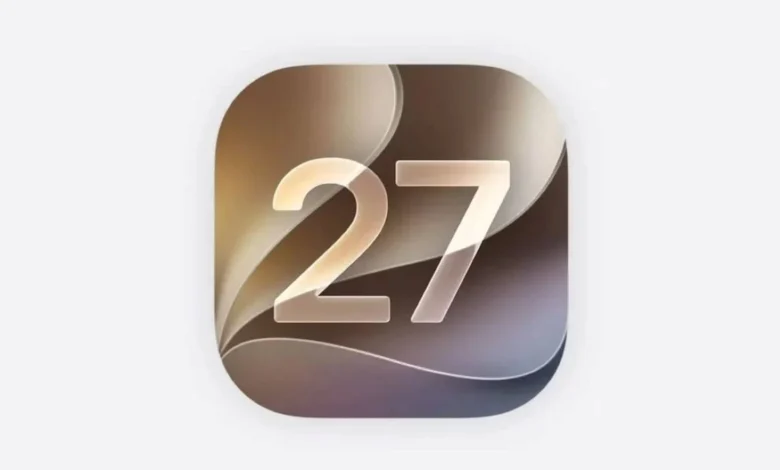
We have all experienced that sudden, sinking feeling—the realization that a significant date has slipped through the cracks of a busy schedule. Perhaps your partner has been uncharacteristically quiet, the dinner plans you forgot were clearly marked on a calendar you didn’t check, or the subtle cues of an anniversary have gone completely unnoticed. In the worst-case scenarios, such oversights can lead to strained domestic relations, often resulting in a cold shoulder or, quite literally, an evening spent on the couch. Recognizing the increasing reliance on smartphones as personal assistants, Apple has moved to address these human lapses in memory by enhancing its "Call Context" feature within the latest iOS 27.2 Beta 1 update.
The Evolution of Call Context in the iOS 27 Ecosystem
When Apple first unveiled iOS 27, it introduced the "Call Context" feature, a sophisticated tool designed to provide users with pertinent, real-time information during phone calls. Initially, the feature focused on utility-driven data. For instance, when a user initiates a call to an airline or a service provider, the iPhone proactively parses the user’s email inbox and digital documents to surface critical information—such as flight confirmation numbers or appointment codes—directly onto the call screen.
This innovation was designed to eliminate the common friction of juggling between applications while on a call. By surfacing data contextually, Apple aimed to reduce cognitive load and improve the efficiency of communication. The integration of birthdays followed shortly thereafter, allowing users to add birth dates to contact cards, which would trigger a visual celebration, such as a fireworks animation, during a call placed on that person’s birthday.
With the release of iOS 27.2 Beta 1, Apple has extended this functionality to include anniversaries, acknowledging that personal milestones are just as critical to manage as professional ones. This represents a strategic shift in how the iPhone functions as an intelligent interface, moving beyond simple task management to active relationship maintenance.
Chronology of the iOS 27 Development Cycle
The path to the current beta release has been a steady progression of feature refinement. Since the initial launch of iOS 27, Apple has maintained a rigorous development cadence, releasing incremental updates to address user feedback and introduce stability enhancements.
- Initial Launch (Q3 2026): iOS 27 debuted with the Call Context framework, establishing the foundation for intelligent data surfacing.
- Feature Expansion (Q4 2026): Following the initial release, Apple began integrating more granular data types into the Contacts application, including the birthday notification system.
- iOS 27.2 Beta 1 (Current): Announced mid-September 2026, this version marks the most significant expansion of personal data utility, specifically targeting anniversary reminders.
- Projected Public Release: Industry analysts anticipate the stable version of iOS 27.2 will be available to the general public in October 2026, following the typical four-to-six-week testing cycle associated with Apple’s beta programs.
Technical Implementation and User Experience
For users who wish to leverage this new functionality, the implementation is straightforward, though it requires manual configuration for existing contacts. To enable anniversary reminders, users must navigate to the Contacts application, select the relevant individual, and tap the "Edit" function. From there, the "add date" option allows for the selection of an anniversary. Once saved, the iPhone’s system architecture registers this date. When a call is placed on that day, the OS triggers a notification overlay.
For those utilizing the latest hardware and software iterations that incorporate Siri AI, the process is further simplified. Users can simply issue a voice command to Siri, instructing the assistant to add an anniversary to a specific contact’s profile. This hands-free approach utilizes the device’s natural language processing capabilities to parse the date and update the contact card without manual data entry.
Broader Implications of Intelligent Assistance
The inclusion of anniversary reminders within the operating system’s core architecture speaks to a larger trend in mobile technology: the transition from "smart" devices to "proactive" devices.
From an analytical standpoint, this development suggests that Apple is prioritizing the emotional utility of its ecosystem. By reducing the potential for human error in personal relationships, Apple is reinforcing the "stickiness" of the iPhone platform. If a device can assist in preventing a social faux pas, it becomes an indispensable tool that transcends mere communication or productivity.
However, this increased intelligence raises questions regarding data privacy and the scope of personal information management. As the iPhone continues to scan emails and calendar entries to "contextualize" calls, the user’s trust in Apple’s privacy protocols remains a critical pillar of the product’s success. Apple’s ongoing commitment to local, on-device processing—a cornerstone of their "Siri AI" marketing—is designed to mitigate these concerns by ensuring that sensitive personal data, such as private anniversary dates, remains on the user’s device rather than being transmitted to cloud servers.
Expert Perspectives and User Adoption
While the technology is designed to be helpful, industry experts note that the effectiveness of these features relies heavily on user participation. "The tool is only as good as the data entered," says one mobile software analyst. "If users do not proactively populate their contact cards, the software remains dormant. The success of this feature depends on the user’s willingness to treat their phone as a central repository for personal life events."
Despite the reliance on manual entry, the integration of these features into the primary phone interface is a significant improvement over third-party calendar applications, which often fail to provide reminders during the specific act of making a call. By placing the information exactly where it is needed—on the call screen—Apple has effectively eliminated the "forgetfulness gap."
How to Access the Feature Today
For users who are eager to test these capabilities before the public release, participation in the Apple Beta Software Program is required. The process involves:
- Registration: Signing up via the official Apple Beta Software Program website using an existing Apple ID.
- Configuration: Navigating to Settings > General > Software Update on the iPhone.
- Selection: Tapping "Beta Updates" and selecting the "Public Beta" channel.
Once enrolled, the device will receive the iOS 27.2 Beta 1 over-the-air update. Users are advised, however, that beta software is inherently experimental. While these updates are designed to be stable, they may contain bugs or performance issues not present in the final release. Backing up the device via iCloud or a computer before installation is a recommended standard practice.
Concluding Remarks: A Tool, Not a Solution
While the iOS 27.2 update provides a sophisticated mechanism for remembering important dates, it remains a tool for assistance, not a substitute for interpersonal effort. The software can alert a user that an anniversary has arrived, but the quality of the interaction, the thoughtfulness of the gesture, and the overall health of the relationship remain entirely within the user’s control.
As technology continues to permeate the nuances of daily life, the line between helpful assistance and over-reliance will continue to blur. For now, Apple’s latest update offers a subtle, yet potentially marriage-saving, improvement to the digital experience. By surfacing critical personal context at the moment it is most needed, the iPhone continues to evolve into a more empathetic partner in the user’s digital journey. Whether or not this will lead to fewer evenings on the couch remains to be seen, but the intent—and the technical capability—is clearly established.