The Unpredictable Nature of Wildlife Photography: An Unexpected Encounter with a North American River Otter in a Michigan Urban Park

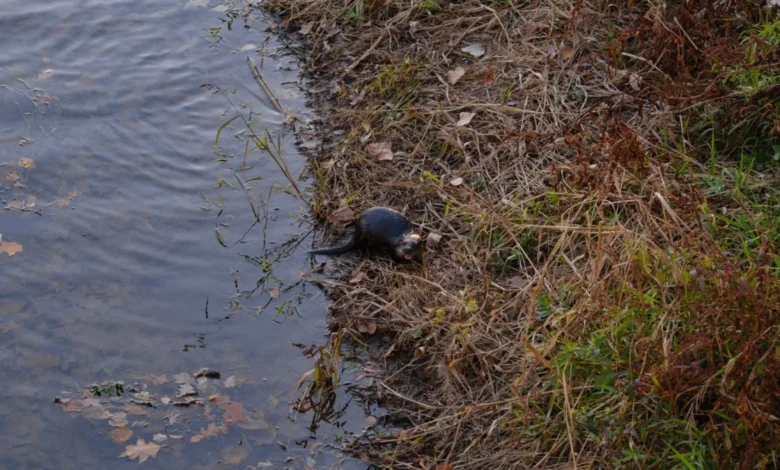
The intersection of urban development and natural habitats often produces fleeting moments of serendipity, a reality recently underscored during a casual outing at a public park in Michigan. While testing equipment for a photography publication, an unexpected encounter with a North American River Otter (Lontra canadensis) provided a rare case study in the challenges and rewards of wildlife observation in high-traffic, human-centric environments. The incident, which took place in a bustling recreational area characterized by constant pedestrian activity, playground noise, and proximity to major transit arteries, highlights both the resilience of local fauna and the logistical difficulties inherent in unplanned wildlife documentation.
The encounter occurred during an unseasonably warm afternoon in October, a time of year when wildlife activity in the Great Lakes region often increases as species prepare for the impending winter months. The photographer, equipped with a Fujifilm X-T4 paired with a 90mm f/2 prime lens—a combination optimized for portraiture rather than long-range telephoto work—was tasked with evaluating entry-level cameras intended for children. This equipment limitation serves as a practical reminder of the "wildlife photographer’s paradox": the tendency for significant wildlife sightings to occur when specialized, high-reach gear is absent.
Chronology of the Observation
The observation began on a pedestrian bridge spanning a local river, an area typically frequented by mallard ducks and common avian species. At approximately mid-afternoon, the sighting was initiated by a young observer, prompting a shift in focus from standard equipment testing to active wildlife monitoring.
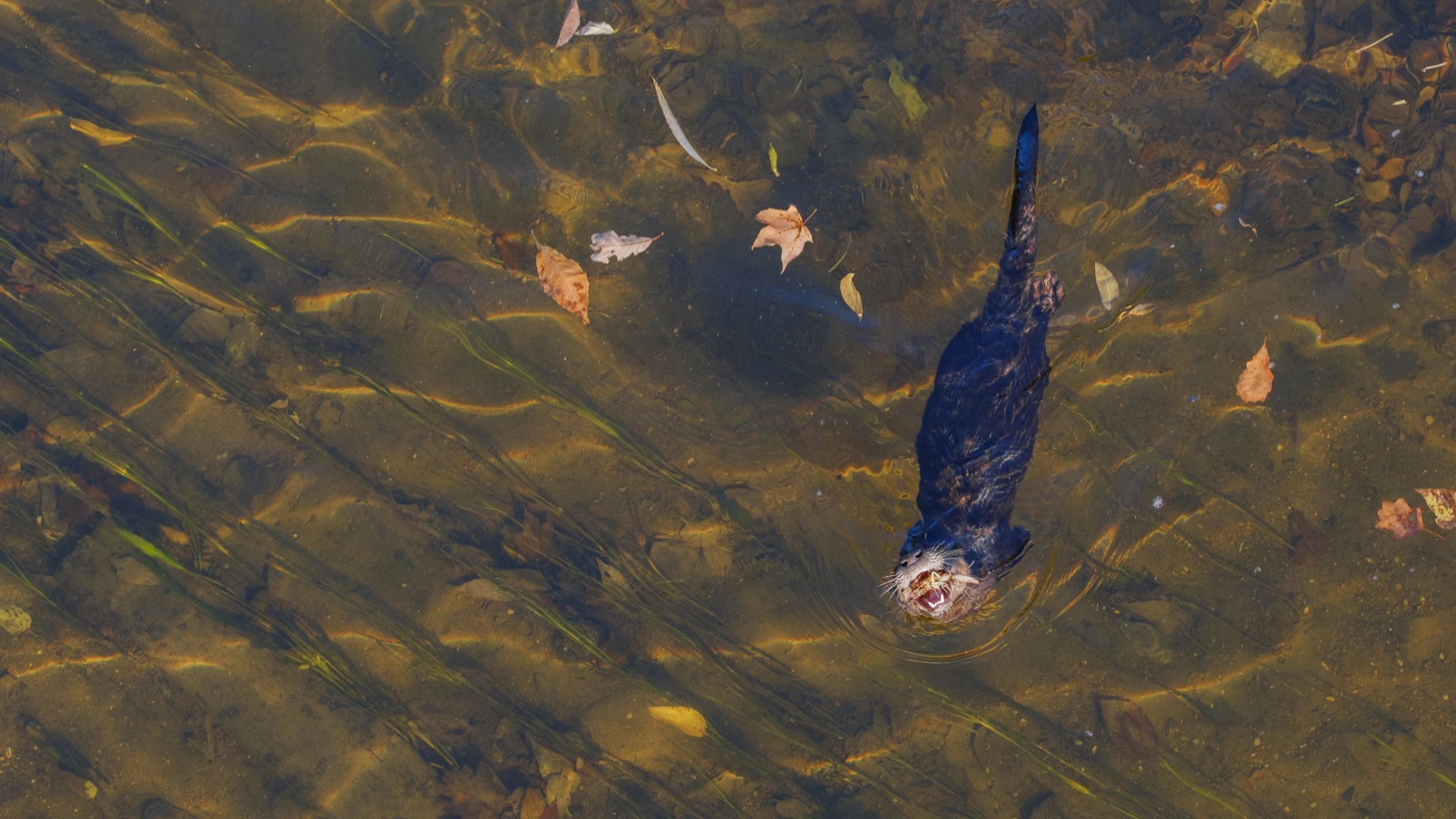
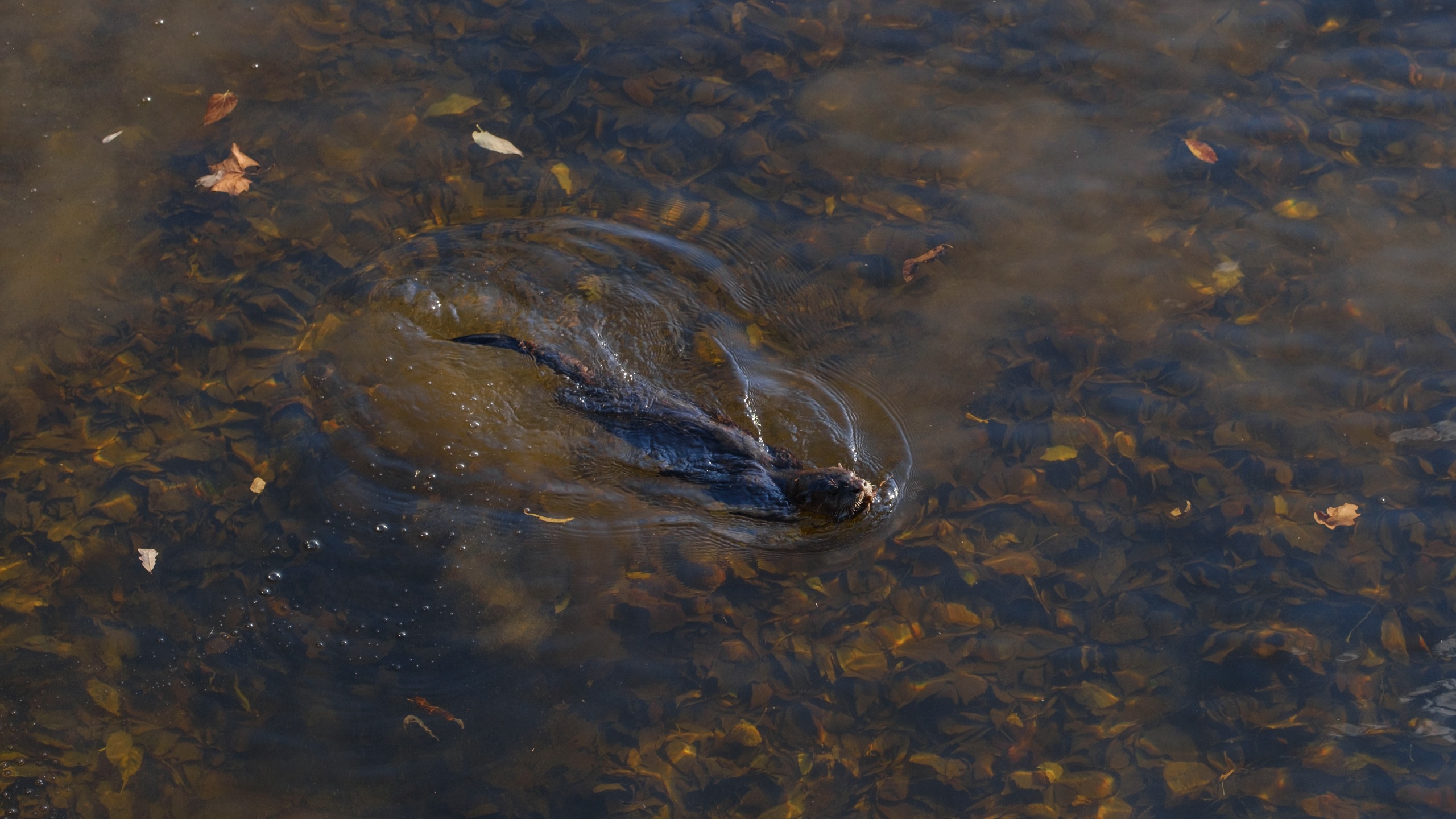
Upon initial inspection, the animal was suspected to be a muskrat—a common inhabitant of regional waterways often confused with the river otter due to similar swimming profiles. However, visual confirmation revealed the distinct anatomical markers of the North American River Otter: a streamlined, muscular body, a broad, flattened head with visible ears, and a thick, tapered tail. The animal displayed a high degree of habituation to human presence, continuing to hunt for crayfish and fish despite the proximity of joggers and the ambient noise of the nearby highway.
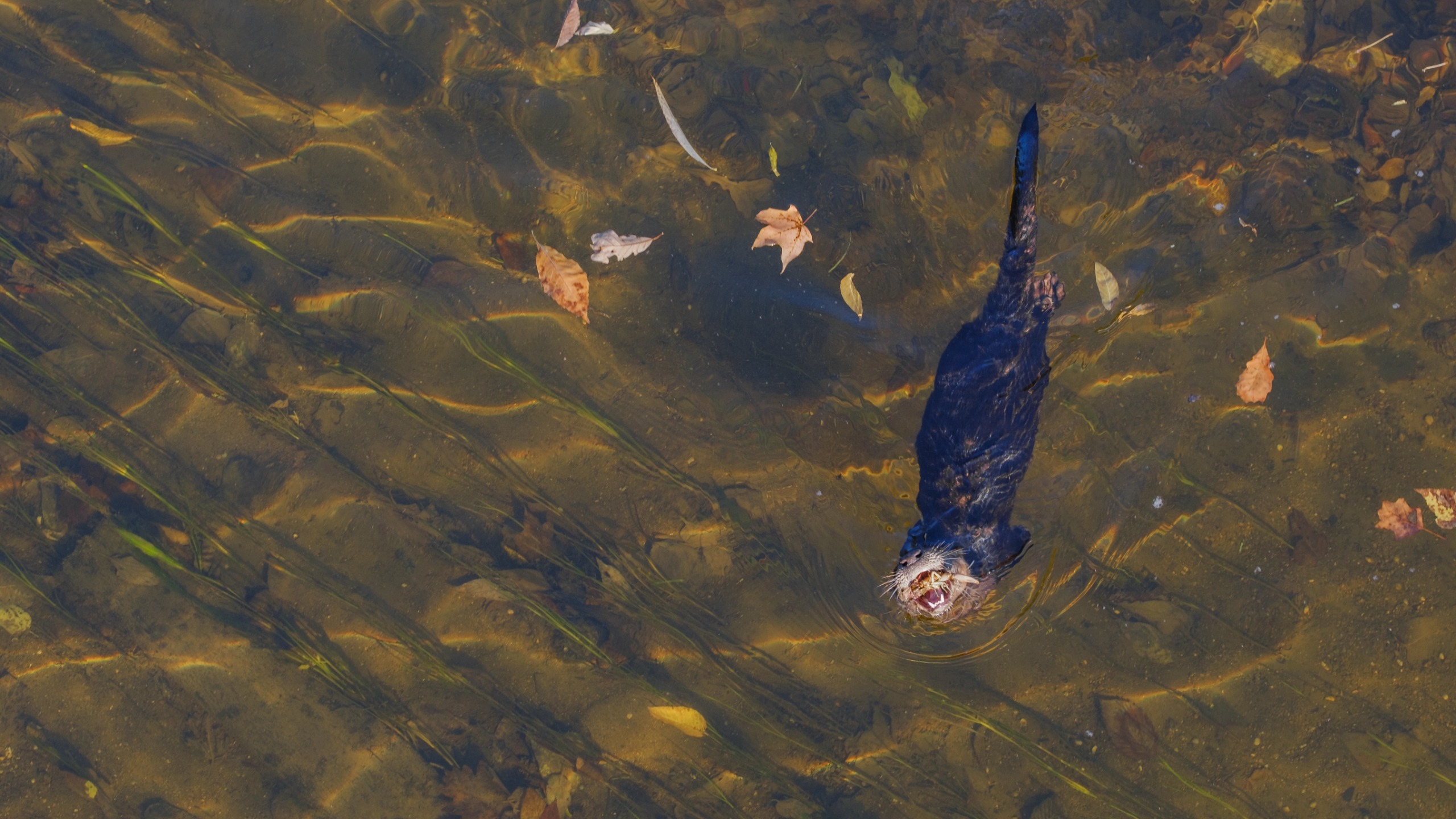
The photographer documented the encounter using the 90mm lens, which, on the APS-C sensor of the X-T4, provides an effective focal length of approximately 135mm. This forced an reliance on the animal’s relative comfort with human presence, as the lens lacked the reach typically required for ethical wildlife photography—which mandates a respectful distance to avoid causing stress to the subject. The lighting conditions presented a significant technical hurdle, as the otter transitioned repeatedly between the high-contrast shadows of the bridge and the bright, diffused light of the open water.
The Ecological Context of the River Otter in Michigan
The resurgence of the North American River Otter in Michigan’s Lower Peninsula is considered a success story in regional conservation biology. Historically, the species faced significant declines due to unregulated trapping and habitat degradation throughout the 19th and early 20th centuries. The re-establishment of stable populations in areas where they were previously considered rare or extirpated is largely attributed to rigorous water quality management and the implementation of sustainable wildlife harvesting regulations.
According to data from the Michigan Department of Natural Resources (DNR), the river otter is a bioindicator—a species whose presence, health, and population status provide information about the condition of the surrounding ecosystem. Because otters reside at the top of the aquatic food chain, their recovery is intrinsically linked to the success of initiatives designed to reduce industrial runoff and improve the health of riverine corridors. Recent reports from the U.S. Fish and Wildlife Service emphasize that while many otter species worldwide are listed as vulnerable or endangered, the North American River Otter remains a robust and stable species, with populations expanding into urbanized riparian zones that were once deemed unsuitable.
Technical Implications for Field Photography
The experience at the park provides a valuable perspective for both amateur and professional photographers regarding gear selection versus opportunity. In professional wildlife photography, the standard protocol typically involves long-range lenses—often ranging from 400mm to 600mm—to capture behavioral nuances without interfering with the subject. The reliance on a 90mm prime lens, while technically restrictive, forced a shift toward environmental photography, capturing the animal within the context of its human-altered habitat rather than isolated in a natural vacuum.
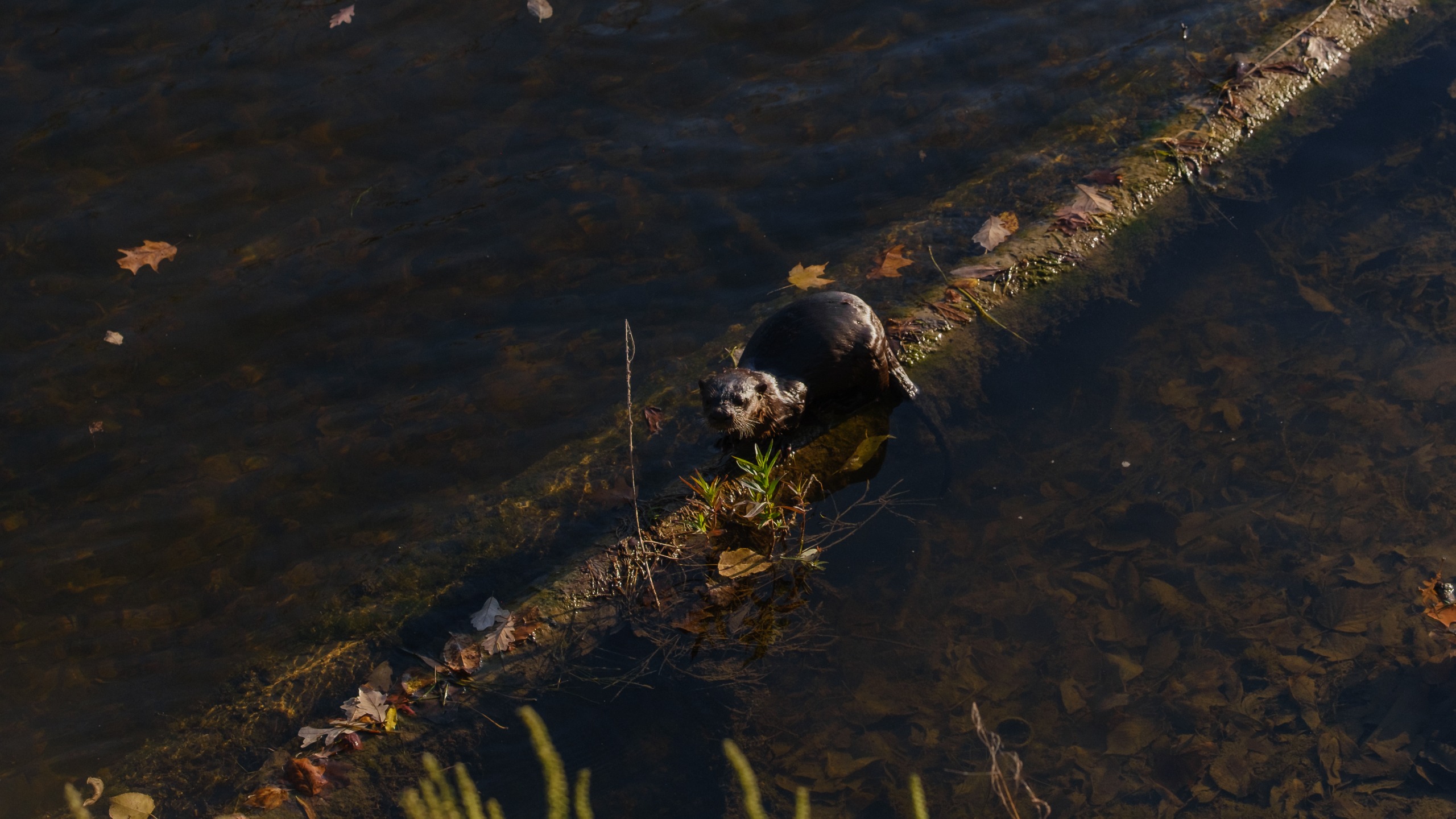
The technical constraints experienced—specifically the lack of reach and the difficulty of balancing exposure across variable lighting—are common pitfalls in field journalism. The necessity of using portrait-oriented gear for wildlife underscores the reality that nature photography is frequently a matter of timing and proximity rather than solely equipment capability. Furthermore, the incident serves as a reminder of the ethics of wildlife observation. Regardless of the equipment in hand, the primary directive for observers is to maintain a distance that does not alter the animal’s natural behavior. The fact that the otter continued its foraging activities suggested a level of tolerance, but such encounters also highlight the need for public education regarding the presence of predatory mammals in suburban spaces.
Broader Environmental Implications
The presence of a river otter in a highly urbanized park environment has broader implications for urban planning and environmental policy. As cities grow, the integration of "green corridors"—continuous strips of natural habitat that allow wildlife to move through urban spaces—becomes critical. The successful presence of an apex predator like the river otter within city limits suggests that these rivers are serving as effective corridors, providing the necessary food sources and cover to sustain a species that requires relatively clean water and stable prey populations.
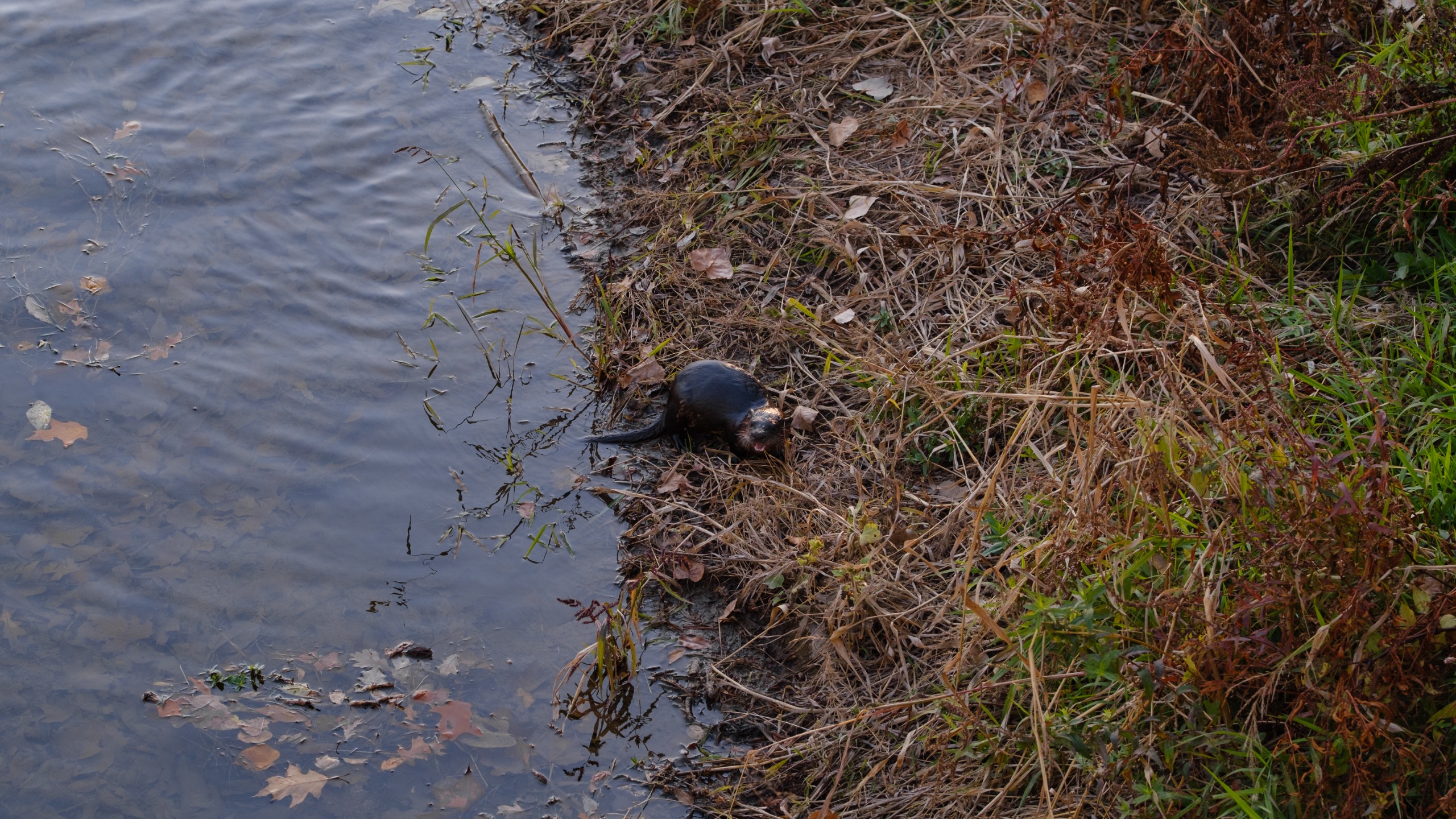
The, arguably, humorous "internet meme" aspect of this event—the recurring theme that wildlife only appears when photographers are unprepared—is grounded in the nature of probability and observation. Dedicated wildlife photographers often spend days in blinds with 600mm lenses and see nothing, while casual observers may encounter rare fauna during mundane errands. This reinforces the idea that nature is pervasive, even in the most built-up environments, and that the modern urban dweller is more connected to natural cycles than they might otherwise assume.
Looking Forward: Conservation and Coexistence
As Michigan continues its efforts to track and manage the river otter population, the role of public reporting and observation becomes increasingly important. Citizen science initiatives, which encourage the public to report sightings of protected or rebounding species, provide biologists with essential data that would be otherwise impossible to collect across such a wide geographic area.
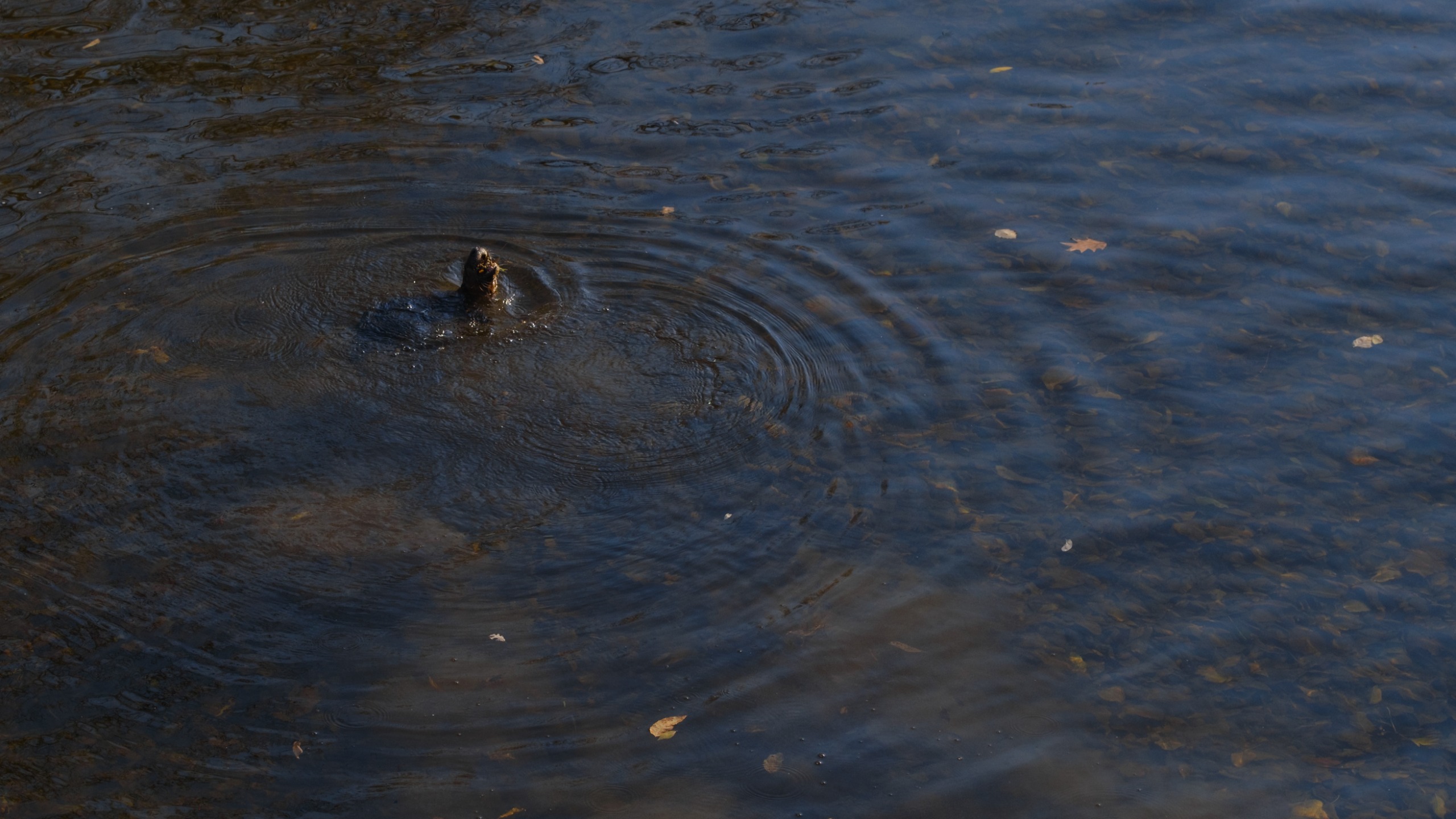
For the photography community, the encounter serves as a poignant reminder that the value of an image is often found in the experience of the moment rather than the technical perfection of the result. While a magazine-quality, long-telephoto shot of a river otter remains a coveted goal for many, the "environmental portrait" captured during a simple walk in the park offers a more authentic representation of the contemporary relationship between humans and the natural world.
The North American River Otter’s ability to navigate the challenges of a human-dominated landscape—the noise, the traffic, and the proximity to residential areas—is a testament to the species’ adaptability. For those who choose to document these encounters, the lesson is clear: the most significant wildlife photography opportunities are often found in the most unexpected places, provided the observer is ready to capture the moment, regardless of the lens currently mounted on their camera. As these populations continue to stabilize and expand, it is anticipated that such encounters will become more frequent, serving as a ongoing indicator of the health of the region’s river systems and a persistent invitation for the public to engage with the natural history of their own neighborhoods.