Philips Launches the TAR3500 Portable Radio as a Versatile Solution for Outdoor Enthusiasts and Emergency Preparedness

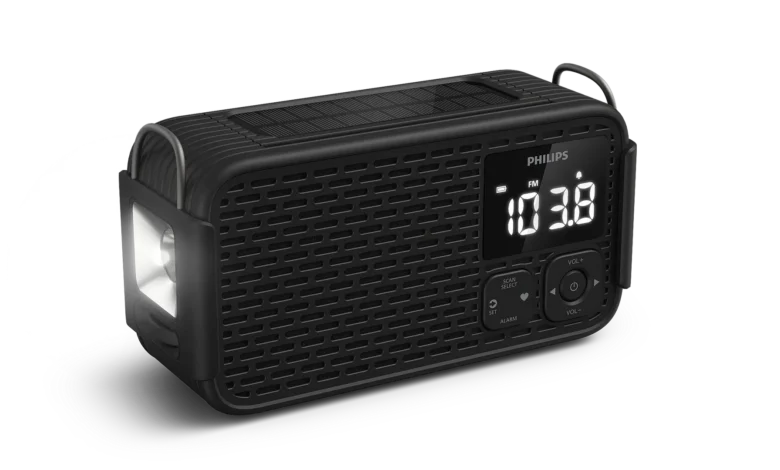
Philips has officially unveiled the TAR3500, a rugged, multi-functional portable radio designed to bridge the gap between traditional broadcast listening and modern emergency utility. Positioned as a tool for campers, hikers, and households prioritizing disaster preparedness, the device combines classic AM/FM radio capabilities with an array of power-generation and safety features. Priced at £50 / $69, the TAR3500 enters a competitive market for outdoor audio, arriving at a time when consumer interest in self-sufficient, off-grid technology is experiencing a measurable resurgence.
Technical Specifications and Core Functionality
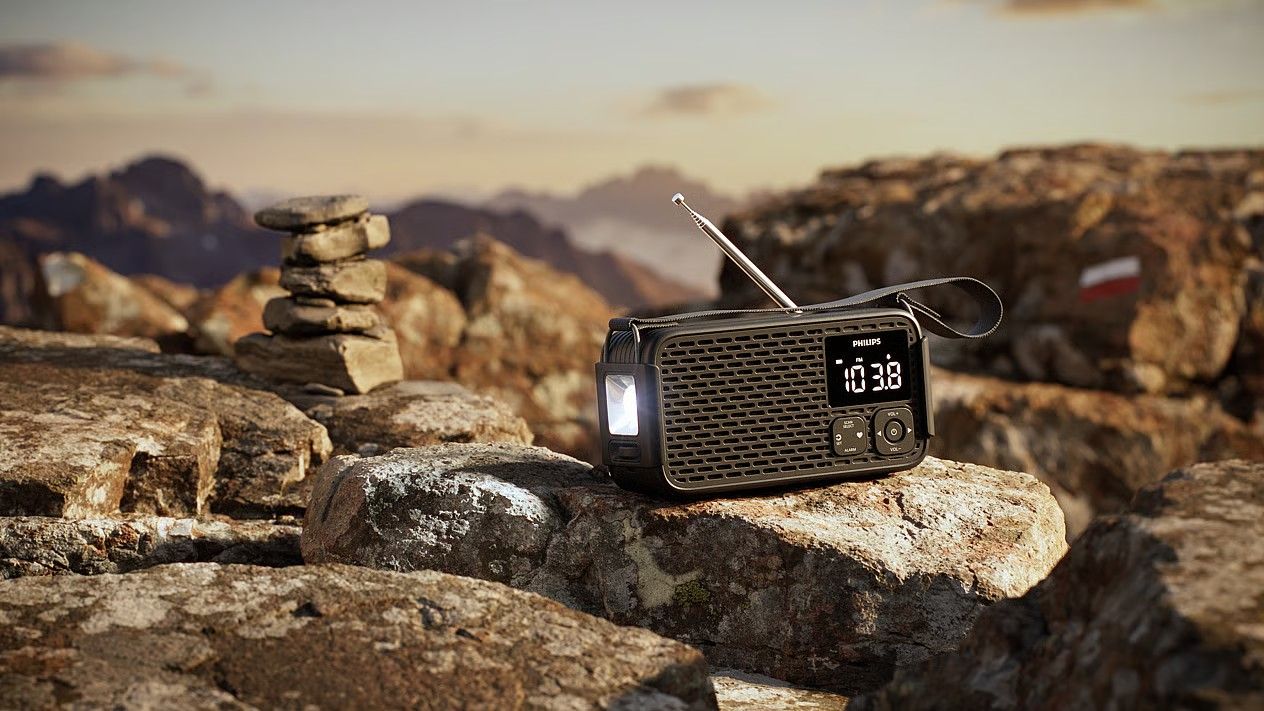
At the heart of the Philips TAR3500 is a 5.7cm full-range driver powered by a 3-watt amplifier. While the audio output is designed for portability rather than high-fidelity home cinema performance, the device is engineered for clarity, utilizing a 550mm extendable telescopic antenna. This antenna is specifically intended to pull in signals in remote or geographically challenging areas where cellular service and digital signals might falter.
The radio operates across standard AM and FM bands, providing a reliable communication link during power outages or when traveling in areas with limited infrastructure. To streamline the user experience, Philips has integrated an LED display that facilitates auto-digital tuning, supported by 20 station presets. This interface is designed for "stress-free" navigation, ensuring that even under adverse conditions, users can quickly locate news, weather updates, or emergency broadcast channels.
A Multi-Modal Power Ecosystem
The most significant technical achievement of the TAR3500 is its diverse power management system. In a landscape where portable electronics are typically tethered to a single charging method, the TAR3500 offers four distinct pathways for operation and energy replenishment:
- USB-C Connectivity: Standard modern charging for everyday use.
- Solar Charging: An integrated solar panel for trickle-charging the battery during daylight hours.
- AAA Battery Support: Providing a familiar fallback for users who prefer disposable power sources.
- Hand-Crank Dynamo: A manual kinetic energy generator that allows users to power the device indefinitely, provided they are willing to expend the physical effort.
This redundancy is a critical feature for long-term survival scenarios. Philips claims that the internal battery, once fully charged, can sustain approximately 60 hours of continuous playback. Furthermore, the radio serves as a power bank; via its USB-A output, users can provide a supplementary charge to smartphones or other small handheld devices, an essential capability for maintaining communication in isolated environments.
Design for Durability and Emergency Response
Beyond its broadcast capabilities, the TAR3500 functions as a comprehensive survival kit. The housing is IP55-rated, signifying that the unit is protected against dust ingress and low-pressure water jets from any angle. This makes it suitable for use in rain, humid environments, or dusty trail conditions.
Safety features are prioritized through a distinct, high-visibility orange SOS button. When activated, this trigger initiates a three-pronged response: an audible high-decibel emergency siren, a visual flashing light signal to attract search-and-rescue teams, and an ultrasonic frequency emission—often referred to as a dog whistle—designed for situations where signaling to search teams or animal-assisted rescue units is required.
For non-emergency utility, the unit includes a dual-mode lighting system: an integrated flashlight for navigating paths and a reading light for low-light environments. For those concerned about privacy or disrupting others in shared camping quarters, a 3.5mm headphone jack is provided, allowing for personal monitoring without external noise.
Contextual Background and Market Evolution
The launch of the TAR3500 arrives during a period of increased volatility in consumer confidence regarding power grid reliability. In both the United Kingdom and the United States, extreme weather events and grid maintenance challenges have led to an uptick in demand for "prepper" technology—devices that operate independently of central utilities.
The historical trajectory of the portable radio market has shifted significantly over the last two decades. Once a primary source of music and news, the portable radio segment is now bifurcated. On one end, high-end DAB/DAB+ digital radios dominate the home hi-fi space. On the other, ruggedized analogue-heavy units like the TAR3500 and the competing Roberts SolarDAB 99 serve a niche but growing audience of outdoor enthusiasts and safety-conscious consumers.
The Roberts SolarDAB 99, which retails for approximately £150, represents a more premium tier of this segment. While both devices offer solar capabilities, Philips has targeted a more aggressive price point, potentially expanding the market accessibility for survival-oriented audio equipment. Analysts suggest that by offering a sub-£50 price point, Philips is positioning the TAR3500 as an "essential household item" rather than a specialized hobbyist tool, similar to keeping a first-aid kit or a spare flashlight in a garage or emergency bag.
Industry Implications and Future Outlook
The integration of power bank capabilities and kinetic energy generation into consumer electronics is becoming an industry standard for "adventure-ready" gear. However, the challenge for manufacturers remains in maintaining a balance between the added weight of these systems and the necessity for portability. By utilizing a compact chassis and a carry strap, the TAR3500 addresses the ergonomic requirements of hikers who must minimize pack weight.
The move by a major global brand like Philips into this specific segment of the market may signal a broader trend in electronics design. As climate change continues to increase the frequency of extreme weather, the "survivalist" market segment is expected to migrate toward the mainstream. Products that were once considered niche or military-grade are now appearing in general consumer electronics catalogs.
Furthermore, the focus on "sustainable design" mentioned by Philips points toward a broader industry shift. By reducing reliance on disposable batteries through the inclusion of solar and crank-powered options, the company is aligning with consumer preferences for longer-lasting, circular-economy-friendly products.
Expert Analysis of the Survival Radio Sector
Industry experts note that the success of the TAR3500 will depend on the real-world efficiency of its hand-crank and solar components. While these features are highly marketable, their performance varies significantly based on environmental conditions. For instance, solar charging in northern latitudes during winter months is significantly less effective than in equatorial regions, making the AAA battery support a vital, non-negotiable feature for serious users.
"The inclusion of a hand-crank is not just a convenience; it is a psychological and practical safety net," says an industry analyst familiar with the outdoor electronics market. "When a user knows they have a mechanical way to produce power, the device shifts from being a luxury gadget to an essential tool. Philips has correctly identified that the consumer value here lies in the peace of mind offered by the combination of radio reception and emergency signaling."
The TAR3500 is now available for purchase. Its reception among the outdoor community will be closely monitored, particularly as it competes with established brands that have long occupied the ruggedized radio space. As the distinction between "recreational gear" and "emergency equipment" continues to blur, the TAR3500 serves as a case study in how heritage electronics manufacturers are adapting to the modern, safety-conscious consumer.
Ultimately, the Philips TAR3500 is a testament to the enduring relevance of radio technology. While streaming services and digital media dominate the home experience, the ability to receive a broadcast signal—regardless of network coverage or power availability—remains a fundamental pillar of emergency communication. By packaging this capability within a durable, multi-purpose shell, Philips has provided a compelling argument for why every household, regardless of lifestyle, should consider the utility of a dedicated, self-powered radio.