IQOO Neo12 Launches in China with an Astounding 9,000mAh Battery, 185Hz Display, and Snapdragon 8 Elite Gen 5 SoC

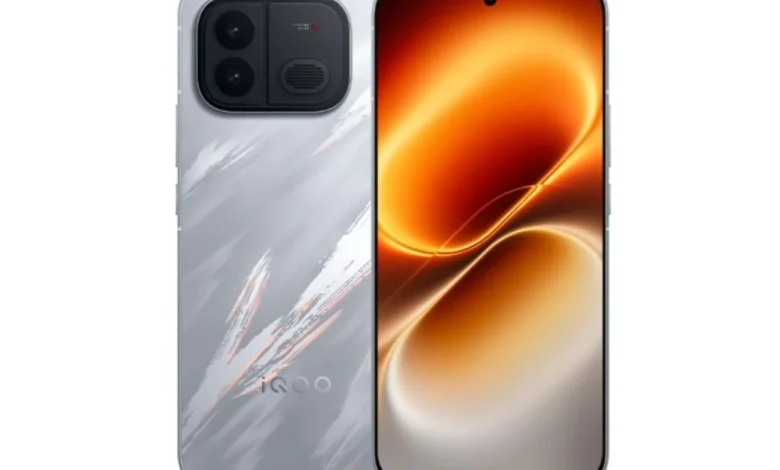
The global smartphone market has witnessed a monumental shift toward extreme performance metrics, battery longevity, and advanced thermal management. Continuing this aggressive trend in mobile engineering, iQOO, the high-performance sub-brand of Vivo, has officially announced the launch of its latest flagship-grade contender in its popular Neo series—the iQOO Neo12. Debuting first in the Chinese domestic market, the device immediately commands industry-wide attention by breaking conventional hardware barriers, most notably featuring an unprecedented 9,000mAh battery capacity packed into a sleek profile, paired with an ultra-smooth 185Hz AMOLED display and Qualcomm’s cutting-edge Snapdragon 8 Elite Gen 5 chipset.
Designed explicitly with mobile gamers, power users, and technology enthusiasts in mind, the iQOO Neo12 arrives as a comprehensive package that attempts to solve the perennial challenges of modern smartphones: thermal throttling during extended high-intensity tasks and the constant anxiety of rapid battery depletion. By combining bleeding-edge silicon, proprietary display and gaming chips, and industrial-grade cooling mechanisms, iQOO has positioned the Neo12 not merely as a smartphone iteration, but as a watershed moment for handheld computing efficiency.
Main Facts and Core Specifications
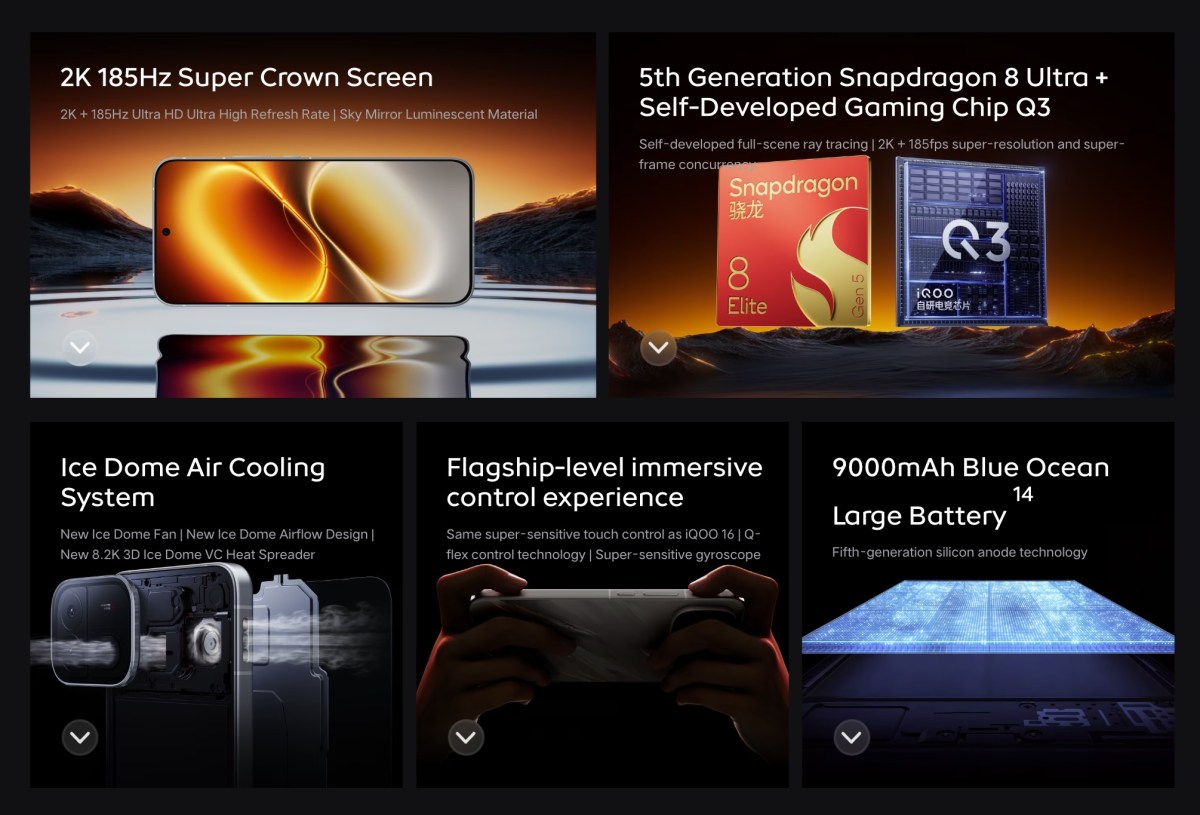
At the beating heart of the iQOO Neo12 is Qualcomm’s latest flagship architecture, the Snapdragon 8 Elite Gen 5 system-on-chip (SoC). This processor represents the pinnacle of mobile silicon manufacturing, offering significant generational leaps in both CPU and GPU performance while simultaneously optimizing power consumption. However, raw processing power is only as effective as the system’s ability to dissipate the resulting heat. To address this, iQOO has equipped the Neo12 with a sophisticated active and passive thermal management system. The phone features a custom-engineered, 59-blade active cooling micro-fan integrated directly into the chassis. According to official performance metrics provided by the manufacturer, this redesigned aerodynamic fan increases internal airflow by approximately 10 percent compared to previous cooling iterations.
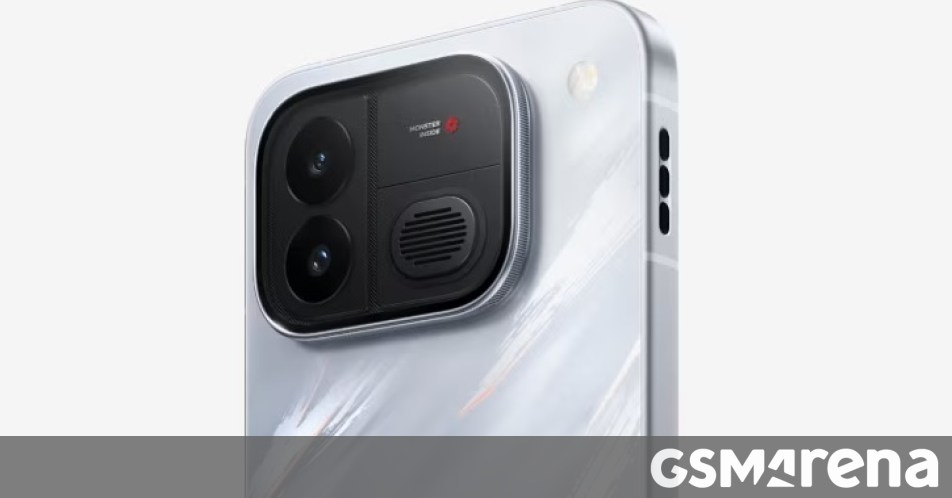
Complementing the active fan is a massive 3D Ice Dome vapor chamber. This expansive cooling real estate covers critical heat-generating components, ensuring that sustained processing loads—such as hours of competitive gaming or 4K video rendering—do not induce performance-crippling thermal throttling. Furthermore, the device incorporates iQOO’s proprietary in-house Q3 gaming chipset. This secondary co-processor functions as a dedicated hardware accelerator, offloading intensive graphical tasks from the main Snapdragon processor. The Q3 chip enables advanced features such as hardware-accelerated ray-tracing in select compatible mobile titles, 2K resolution upscaling, and sophisticated frame-rate interpolation to guarantee fluid motion even in titles natively locked to lower frame rates.
The visual output matches the internal prowess. The iQOO Neo12 sports a sprawling 6.83-inch AMOLED display developed in collaboration with Visionox. Utilizing advanced p-TSF technology, the panel boasts an astonishing 185Hz refresh rate, delivering motion clarity that vastly exceeds standard flagship displays, which typically top out at 120Hz or 144Hz. The screen renders content at a crisp 2K resolution and can achieve a blinding peak brightness of 2,200 nits, ensuring exceptional outdoor legibility even under direct sunlight.
Perhaps the most astonishing engineering feat of the iQOO Neo12 lies in its power delivery system. The handset houses a colossal 9,000mAh battery, a capacity traditionally reserved for specialized rugged tablets rather than slim consumer smartphones. Despite this immense energy reservoir, the device supports 100W ultra-fast wired charging, drastically mitigating the time required to replenish such a massive power cell.
Rounding out the hardware specifications, the camera array features a 50-megapixel primary rear sensor utilizing Sony’s IMX921 hardware accompanied by Optical Image Stabilization (OIS), an 8-megapixel ultrawide auxiliary lens, and a 16-megapixel front-facing camera for selfies and video conferencing. Additional modern conveniences include an ultrasonic in-display fingerprint scanner for rapid and secure biometric authentication, an integrated infrared (IR) blaster for household appliance control, stereo speakers for immersive audio, and a robust IP69 dust and water resistance rating, affording protection against high-pressure, high-temperature water jets.
Chronology and Background Context of the Neo Series
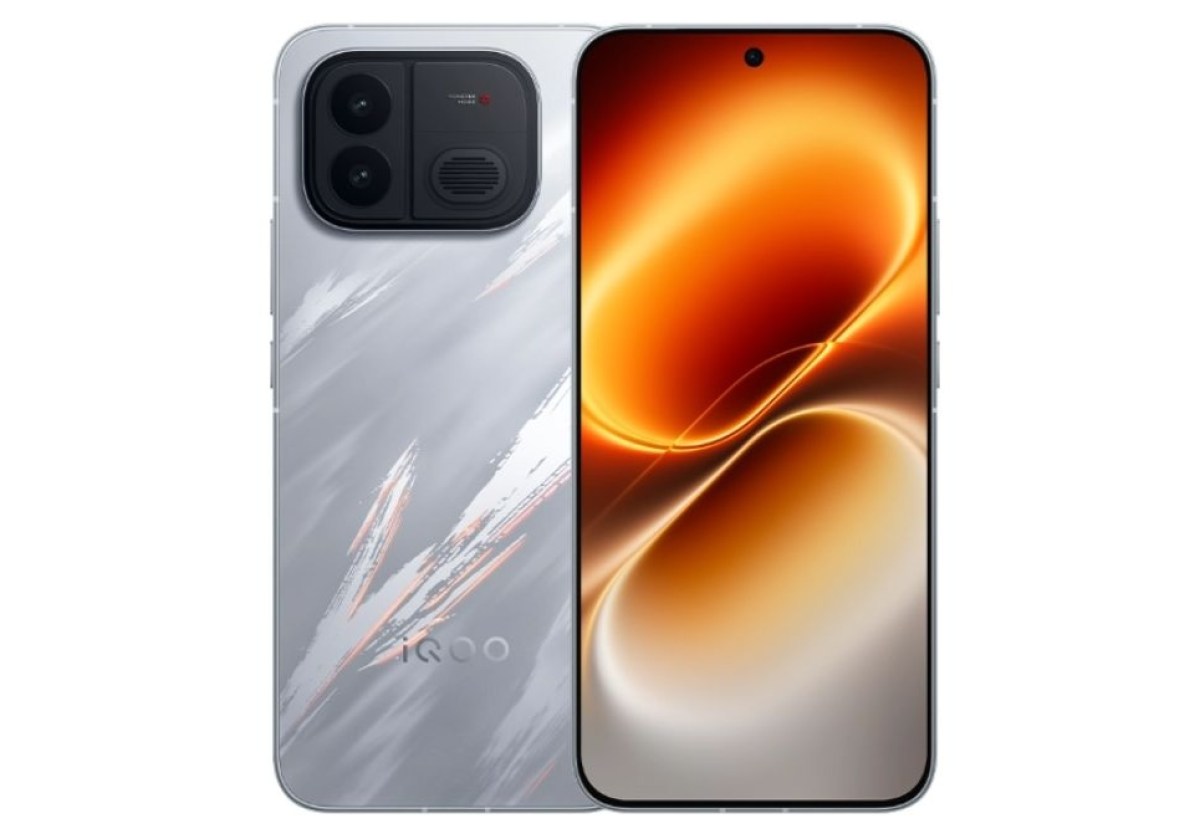
The launch of the iQOO Neo12 is the latest milestone in a carefully orchestrated product evolution strategy by Vivo’s performance-focused subsidiary. When the iQOO brand was established, its primary objective was to carve out a distinct identity targeting younger, tech-savvy demographics who prioritize gaming performance, multitasking capabilities, and aggressive pricing over traditional mainstream aesthetic trends. Over the past several years, the Neo series has steadily evolved from a mid-range performance alternative into a formidable flagship killer category.
Chronologically, the predecessor models in the Neo lineage progressively introduced high-refresh-rate panels and specialized gaming chips, but they traditionally compromised on certain flagship luxuries—such as advanced IP ratings, premium build materials, or top-tier camera sensors—to maintain competitive price points. With the Neo12, iQOO has abandoned these compromises. By integrating enterprise-grade durability standards (IP69), professional-grade camera hardware (Sony IMX921 with OIS), and desktop-class thermal solutions (active 59-blade fans), the brand is signaling a mature evolution of the lineup.
The development cycle for the Neo12 reportedly spanned over eighteen months, driven by consumer feedback demanding better battery endurance without sacrificing device performance or thickness. The integration of the 9,000mAh battery required a total redesign of internal circuit board layouts and battery cell chemistry, utilizing high-density silicon-carbon anode materials to pack unprecedented energy density into a manageable form factor. The official rollout in China during October marks the first phase of this deployment strategy, with industry analysts closely monitoring supply chain capacities to determine when—or if—international variants will follow.
Supporting Data, Pricing, and Market Availability
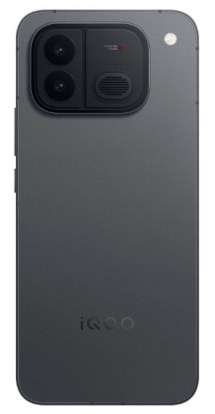
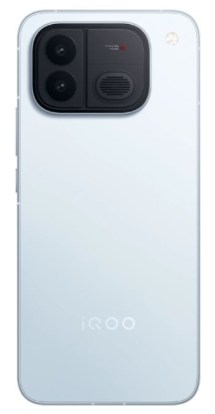
The iQOO Neo12 is available in three distinct and striking aesthetic finishes: Contender, Frost Blade Blue, and Shadow Black, catering to both understated professional preferences and vibrant gamer-centric tastes. True to the brand’s aggressive pricing strategy, the device launches in China with a tiered memory and storage structure designed to undercut competing flagships while offering superior internal configurations.
Market pricing breaks down as follows:
- The base configuration featuring 12GB of RAM and 256GB of internal storage starts at CNY 4,199, which translates to approximately $630 USD.
- Stepping up to 12GB of RAM paired with 512GB of storage commands a price of CNY 4,899 (approximately $735 USD).
- For users prioritizing high RAM capacity alongside standard storage, the 16GB RAM and 256GB storage variant is priced at CNY 4,599 (approximately $690 USD).
- A higher-tier balanced configuration offering 16GB of RAM and 512GB of storage is available for CNY 5,299 (approximately $825 USD).
- At the absolute apex of the lineup, the top-tier model equipped with 16GB of RAM and a massive 1TB of onboard storage retails for CNY 6,299 (approximately $945 USD).
These price points position the iQOO Neo12 competitively against mainstream flagships from brands such as Xiaomi, Oppo, and Honor, while offering hardware specifications—such as the active cooling fan, 9,000mAh battery, and 185Hz display—that few competitors can match at any price tier. Initial sales figures reported by official retail channels in China indicate robust early adoption, with launch-day inventory for higher-tier storage configurations experiencing temporary stock constraints due to high consumer demand.
Official Responses and Industry Reactions
While independent consumer reviews are still emerging, preliminary statements from industry analysts and tech commentators provide a clear picture of how the iQOO Neo12 is being received by the broader mobile technology ecosystem. Representatives from iQOO have emphasized that the device represents a fundamental reimagining of what a performance smartphone can achieve, stating during the launch event that the integration of active cooling and massive battery capacity bridges the gap between dedicated handheld gaming consoles and daily-driver communication devices.
Industry insiders have lauded the company’s engineering boldness, particularly regarding the battery capacity. For years, smartphone manufacturers have gravitated toward thinner chassis designs, frequently capping battery capacities around 4,500mAh to 5,000mAh in the name of ergonomics. By successfully integrating a 9,000mAh cell while maintaining structural integrity and an IP69 rating, iQOO has challenged the prevailing industry dogma that slimness must supersede endurance.
However, some supply chain experts have raised questions regarding the long-term global viability of certain hardware choices. The inclusion of a mechanical, moving-part component—specifically the 59-blade active cooling fan—introduces potential vulnerabilities concerning dust and moisture ingress over years of extended use, even with an IP69 rating. Furthermore, the sheer weight distribution associated with a 9,000mAh battery pack requires careful ergonomic balancing to prevent hand fatigue during prolonged usage sessions. Despite these theoretical concerns, initial teardown analyses and durability stress tests conducted by early reviewers suggest that iQOO’s mechanical engineering implementation is robust, utilizing sealed fluid-dynamic bearing architecture for the cooling fan to ensure longevity.
Broader Impact and Implications for the Smartphone Industry
The launch of the iQOO Neo12 extends far beyond a single regional product release; it serves as a potential bellwether for future mobile technology trends. For the past half-decade, incremental upgrades have dominated the smartphone landscape—slight improvements in camera megapixels, marginal gains in processing efficiency, and iterative software updates. The Neo12 disrupts this plateau by introducing radical, macro-level hardware shifts.
First, the mainstreaming of active cooling in non-niche consumer phones could force competing manufacturers to reconsider thermal management. As mobile processors push past thermal thresholds to sustain maximum clock speeds, passive vapor chambers are increasingly hitting their physical limits. If consumers respond favorably to the iQOO Neo12’s active fan system, other major manufacturers may feel compelled to adopt similar hybrid cooling solutions in their upcoming flagship lines.
Second, the successful deployment of a 9,000mAh battery in a commercially viable smartphone sets a new benchmark for energy endurance. Consumer dissatisfaction with daily battery degradation has been a persistent pain point in the smartphone industry. By proving that massive battery capacities can coexist with fast charging (100W) and modern aesthetic designs, iQOO has applied immense pressure on rival brands to accelerate research into silicon-carbon battery chemistry and high-density energy storage.
Finally, the inclusion of dedicated secondary co-processors—such as the Q3 gaming chip—highlights the growing importance of heterogeneous computing in mobile devices. By offloading display rendering, frame interpolation, and ray-tracing calculations to dedicated silicon, mobile devices can achieve desktop-class visual fidelity without melting in the user’s hand.
As the iQOO Neo12 establishes its footprint in the Chinese market, industry observers will closely monitor its performance metrics, consumer satisfaction rates, and potential expansion strategies into international territories. Whether the device ultimately sparks a broader industry revolution or remains a specialized triumph for power users, it has indisputably redefined the current technical boundaries of what is possible within the modern smartphone form factor.
Related posts: