OnePlus Rolls Out Stable ColorOS 17 Update Ahead of Schedule for OnePlus 15 and OnePlus Pad 4, Marking a Major Shift in Software Strategy

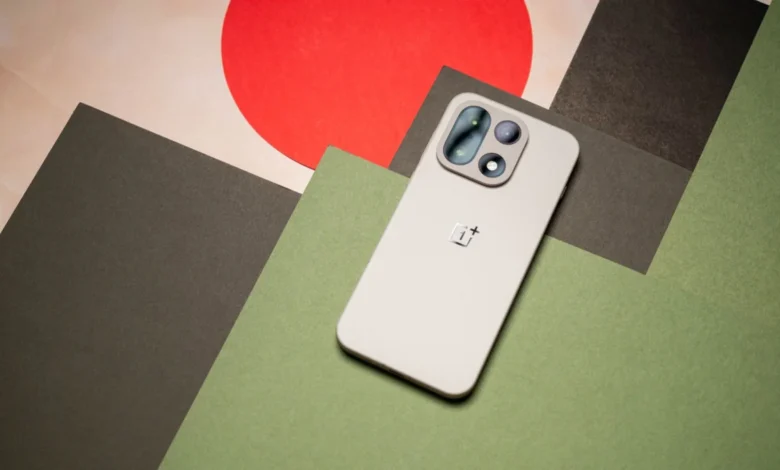
In a surprising move that has accelerated its software roadmap, OnePlus has officially commenced the rollout of its stable ColorOS 17 update, based on Android 17, for the flagship OnePlus 15 and the OnePlus Pad 4. Originally slated for a public release on October 29, the software deployment began ahead of schedule, initially targeting members who participated in the open beta testing phase. This early release not only highlights the company’s confidence in the stability of the new operating system but also underscores a profound evolution in OnePlus’s overarching software strategy—a transition that continues to distance the brand from the legacy OxygenOS identity beloved by early Android enthusiasts.
The deployment of ColorOS 17 to the OnePlus 15 (model CPH2745) was confirmed via an official announcement on the OnePlus Community forums. According to the company’s deployment schedule, the rollout is being executed in a phased manner to monitor for critical bugs and ensure server stability. Consequently, global device owners may receive the over-the-air (OTA) notification at varying times depending on their specific region and carrier configurations. Alongside the flagship smartphone, the OnePlus Pad 4 is also receiving the stable build, bringing the tablet up to date with the latest Android iterations and optimized large-screen UI elements.
A Comprehensive Look at ColorOS 17: Features and Optimizations
ColorOS 17 introduces a substantial suite of visual and functional enhancements designed to elevate the user experience. Built on top of Android 17, the operating system features a modernized design language characterized by fluid, redesigned system animations, an overhauled Quick Settings panel that improves one-handed usability, and deeper aesthetic customization options for the home screen and always-on display.
Beyond surface-level aesthetics, OnePlus has focused heavily on under-the-hood optimizations. The new software incorporates advanced background process management algorithms aimed at curbing rogue applications and reducing unnecessary power consumption. According to preliminary internal testing metrics shared by software developers, these efficiency improvements can yield noticeable gains in daily battery endurance, particularly for power users who engage in intensive multitasking, mobile gaming, and media consumption throughout the day. Furthermore, Android 17’s robust suite of native privacy controls has been tightly integrated, granting users more granular permissions regarding app tracking, clipboard access, and secure data storage.
The Strategic Departure from OxygenOS
For long-time admirers of the OnePlus brand, the widespread adoption of ColorOS represents the closing of a significant chapter. When OnePlus first launched over a decade ago, OxygenOS was celebrated for its clean, near-stock Android experience, lightweight footprint, and minimal bloatware. However, following the structural integration of OnePlus and Oppo’s hardware and software engineering teams, the two ecosystems have increasingly shared foundational codebases.
While OxygenOS and ColorOS have shared deep underlying infrastructure for several years, the official pivot toward utilizing ColorOS as the primary global interface marks a distinct cultural shift for the company. This transition also coincides with broader corporate realignment strategies, including shifts in OnePlus’s retail footprint and market focus across North American and European territories. Industry analysts note that while software unification allows OnePlus to streamline development cycles and push security patches much faster, it risks alienating a vocal segment of legacy users who preferred the distinct look and feel of traditional OxygenOS.
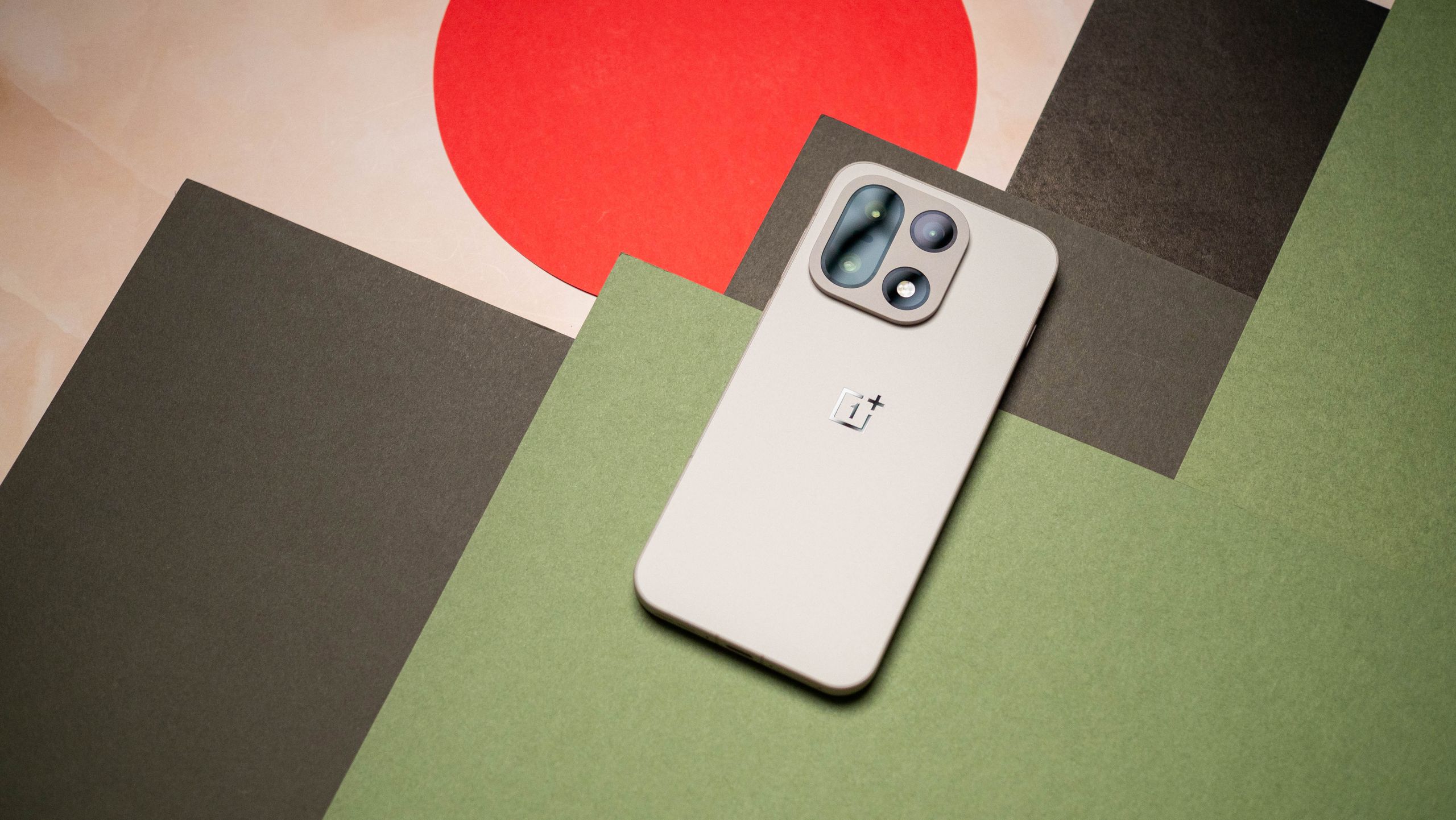
To mitigate potential backlash from loyalists, OnePlus has implemented a transitional grace period in select regions. Eligible device owners are being granted the agency to choose whether they wish to upgrade to ColorOS 17 or maintain their current software environment. Additionally, the company has confirmed that users who make the jump to ColorOS 17 will retain the option to roll back to OxygenOS should they find the new interface unsuited to their preferences. However, specific details regarding which legacy OxygenOS builds will remain supported for the rollback process have yet to be officially disclosed by the manufacturer.
Phased Rollout Schedule and Device Roadmap
Following the initial wave for the OnePlus 15 and OnePlus Pad 4, the software engineering team has outlined the subsequent phases for the broader device ecosystem. Next in line to receive the stable ColorOS 17 update are the mid-tier flagship OnePlus 15R, as well as the preceding generation’s OnePlus 13 and OnePlus 13s.
Because the rollout follows a staggered, regional distribution model, tech experts advise consumers against attempting to force updates via unofficial third-party repositories, which can occasionally lead to firmware corruption or bricked devices. Owners of eligible hardware can manually check for the availability of the update by navigating through the device settings menu: Settings > About device > ColorOS.
Industry analysts recommend exercising caution when adopting major platform upgrades immediately upon release. Waiting for early adopter feedback and community bug reports can provide valuable insight into potential performance regressions or application compatibility issues before committing to a system-wide upgrade.
Broader Industry Implications and Future Outlook
The accelerated release of ColorOS 17 reflects a broader industry trend where smartphone manufacturers are increasingly prioritizing integrated software ecosystems over disparate regional skins. By tightening alignment with Oppo, OnePlus aims to leverage massive research and development resources to compete more aggressively against major rivals like Samsung, Google, and Apple in the premium mobile sector.
As the rollout progresses through the remainder of the fourth quarter, market watchers will closely monitor user reception, update stability, and the long-term impact on device performance. Whether the definitive shift toward ColorOS will successfully win over mainstream consumers while retaining the core tenets of the OnePlus community remains one of the most closely watched narratives in the modern mobile landscape.