Massive Rockstar Games Data Breach Unearths Scrapped GTA 5 Liberty City Expansion and Early GTA 6 Files

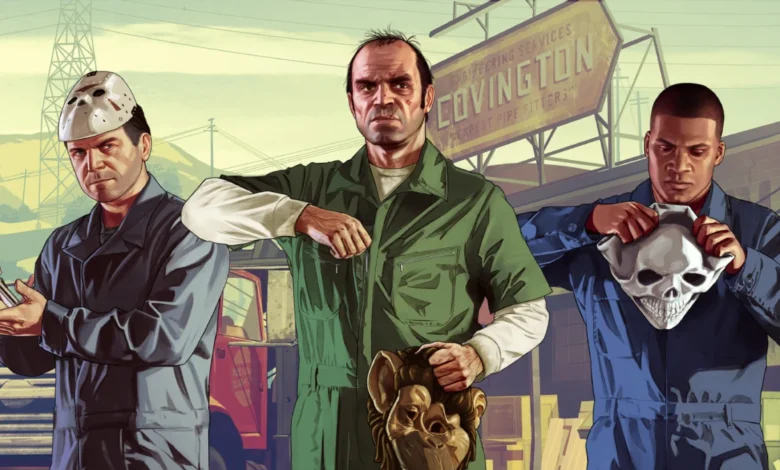
A significant data breach targeting Rockstar Games has resulted in the unauthorized release of approximately 192GB of proprietary files, shedding new light on the studio’s internal development history and abandoned creative visions. The leaked data, which includes a nearly 200GB version of the Grand Theft Auto 5 source code, provides an unprecedented look at projects that were either pivoted or entirely abandoned in favor of the massive commercial success of Grand Theft Auto Online. Among the most notable findings within this massive repository are files pertaining to a cancelled Liberty City expansion for GTA 5, as well as early-stage development assets related to the highly anticipated Grand Theft Auto 6.
The Scope of the Breach
The leak represents one of the most substantial security compromises in the history of the video game industry. Security analysts and data miners have spent the days following the incident meticulously combing through the folders, which appear to contain a wealth of previously unknown documentation, unused character assets, mission scripts, and internal development tools. The technical nature of the files—which include source code and files readable via specialized software like CodeWalker—confirms the legitimacy of the material. This incident is the latest in a series of security challenges for Rockstar Games, following the high-profile GTA 6 leaks that occurred in September 2022. The persistence of these vulnerabilities has raised significant questions regarding the digital security infrastructure of one of the world’s most valuable entertainment franchises.
The Liberty City DLC: A Lost Vision
For over a decade, rumors regarding a single-player expansion for GTA 5 have circulated within the gaming community. The current leak appears to provide the most concrete evidence to date that such a project was, at one point, in active development. Data miners, including notable community researcher TJGM, have identified files that map out a significant portion of Liberty City—the fictionalized version of New York City that served as the primary setting for GTA 4—recreated within the GTA 5 game engine.
The leaked data reveals a geographical footprint for the expansion that suggests a playable area potentially larger and more detailed than the original GTA 4 map. This aligns with a long-standing "myth" within the community: a screenshot discovered on the online portfolio of a former Rockstar artist approximately ten years ago showed a version of Liberty City rendered in the GTA 5 engine. At the time, the image was dismissed by many as a technical test or an environmental experiment, but the current discovery suggests that it was indeed a component of a larger, planned expansion that never reached the public.
The "Agent Trevor" Narrative
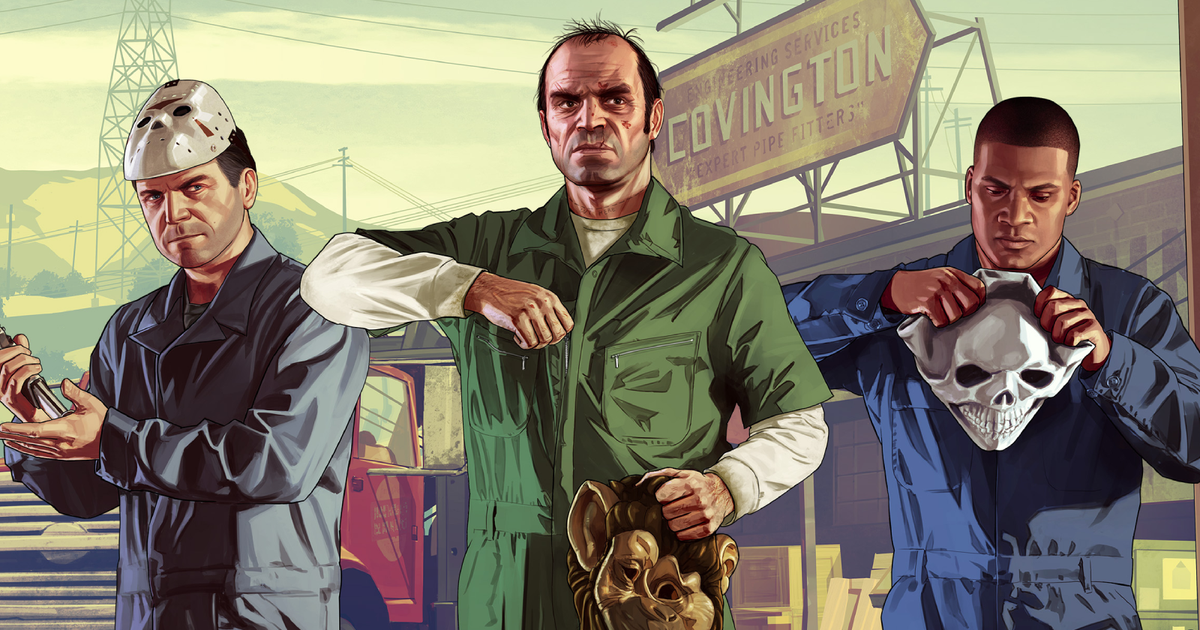
Beyond the map expansions, the leak confirms that Rockstar Games had intended to release episodic story content centered on the game’s three protagonists. Perhaps the most intriguing of these was the so-called "Agent Trevor" DLC. Steven Ogg, the actor who provided the motion capture and voice for Trevor Philips, previously disclosed in public appearances that he had participated in filming for a project where his character would have gone undercover as a government operative.
According to the leaked files, this expansion would have explored a "James Bond-esque" narrative arc for Trevor, providing a stark departure from his established criminal lifestyle. However, as the focus of the studio shifted entirely toward the explosive growth of GTA Online, resources were progressively reallocated. Industry insiders have previously suggested that the shift was a calculated business decision. As the multiplayer component began generating billions of dollars in recurring revenue, the financial argument for investing in standalone, single-player expansions became increasingly difficult for management to justify.
Chronology of Development Shifts
To understand why these projects were abandoned, one must look at the timeline of Rockstar’s output post-2013:
- September 2013: Grand Theft Auto 5 launches to record-breaking sales.
- October 2013: Grand Theft Auto Online launches, experiencing immediate and sustained success.
- 2014–2015: Peak development period for single-player DLC concepts, including the "Agent Trevor" project and the Liberty City expansion.
- 2016: Rockstar Games officially transitions its primary development efforts toward GTA Online updates and the upcoming Red Dead Redemption 2.
- 2017–Present: Single-player expansions are indefinitely shelved as the company streamlines operations to support long-term live-service models.
Joseph Rubino, a former senior camera artist and digital cinematographer at Rockstar, provided context for this transition in a 2022 interview. Rubino noted that the team had been split to handle both the online component and the planned story DLCs. When the online revenue streams proved so dominant, the studio leadership made the strategic decision to consolidate their workforce. While Rubino expressed personal disappointment that the story content was never finished, his comments underscore the reality of modern AAA game development: the financial sustainability of live-service platforms often dictates the death of traditional expansion packs.
Technical Implications and GTA 6
The inclusion of early GTA 6 files within the 192GB leak has caused significant concern within the industry regarding intellectual property protection. While the files appear to be from very early development stages—lacking the polish and scale of the final product—the presence of this data highlights the vulnerability of internal servers.

From an analytical standpoint, these files serve as a "development diary" that illustrates how Rockstar iterates on its technology. By comparing the early assets to the finalized environments seen in trailers for the upcoming title, observers can gain a rare, if unauthorized, perspective on the evolution of the studio’s RAGE (Rockstar Advanced Game Engine) technology. However, the leak of such data presents a dual-edged sword: while it provides historical context for fans, it also risks exposing the company’s proprietary workflows and internal methodologies to competitors and malicious actors.
Broader Industry Impact and Future Outlook
The fallout from this leak extends beyond the immediate loss of data. It forces a conversation about the "live-service" era of gaming and the trade-offs made by developers. The abandonment of the Liberty City DLC in favor of GTA Online is often cited by purists as the moment the industry moved away from traditional storytelling in favor of ongoing monetization.
Furthermore, the recurrence of these breaches suggests that traditional digital security measures are struggling to keep pace with the increasing sophistication of cyber-attacks targeting the gaming sector. As Rockstar Games continues its work on GTA 6, the studio faces the difficult task of balancing the need for collaborative, remote development environments with the imperative to lock down sensitive information.
While the leaked files offer a fascinating, albeit unauthorized, window into what might have been, they also serve as a somber reminder of the volatility inherent in modern software development. The "lost" Liberty City expansion and the "Agent Trevor" mission serve as artifacts of a bygone era of game design, now relegated to the digital archives of the internet, forever separated from the final, polished products that define the Rockstar legacy. As of the time of this writing, Rockstar Games has not issued a formal statement regarding the specific content of these newly leaked files, maintaining their typical posture of silence regarding internal development cycles and security matters.