Google Unveils September Pixel Drop Featuring Enhanced VIP Contacts, Expanded Scam Detection, and Unique Audio Collaborations

Google has officially rolled out its highly anticipated September Pixel Drop, delivering a comprehensive software update that spans across its entire ecosystem of Pixel smartphones, tablets, and smartwatches. As part of the company’s ongoing commitment to quarterly feature updates—commonly known as Pixel Drops—this release introduces a diverse array of enhancements designed to streamline user communication, bolster digital security, and offer novel multimedia experiences. Among the standout features are overhauled home screen shortcuts for priority contacts, broader geographical and linguistic rollouts for advanced scam detection tools, intuitive gesture controls for wearable devices, and a whimsical audio-visual partnership aimed at pop-culture enthusiasts.
Streamlining Communication: The Evolution of Pixel VIP Contacts
For several iterations, Google has steadily iterated on its "Pixel VIP" contact concept, seeking to bridge the gap between casual messaging and high-priority communications. The September update transforms this concept from a niche utility into an integrated, highly functional home screen experience.
Users utilizing Pixel devices running Android 13 or later (specifically optimized for the Pixel 6 lineup and newer generations) can now pin their most critical contacts directly to their home screens with an overhauled visual interface. The update introduces distinct notification badges that immediately flag unread or urgent messages, ensuring that crucial communications from family, close friends, or business associates are never missed amid a sea of everyday notifications.
Furthermore, Google has integrated a floating navigation bar within the VIP interface. This design choice eliminates the need for users to dig through cluttered menus or switch between disparate messaging applications; a simple swipe allows individuals to glide seamlessly between different VIP profiles to check conversation histories or initiate calls. According to initial deployment metrics from Google, the feature requires the latest iterations of both the core Contacts application and the Pixel VIPs software module to operate globally.
Bolstering Digital Security: Expansion of Scam Detection and Gboard Protection
In an era where digital fraud and phishing attempts via mobile communication channels are increasingly sophisticated, Google is aggressively expanding its proprietary security infrastructure. The September Pixel Drop marks a significant milestone in the rollout of the company’s advanced Scam Detection framework.
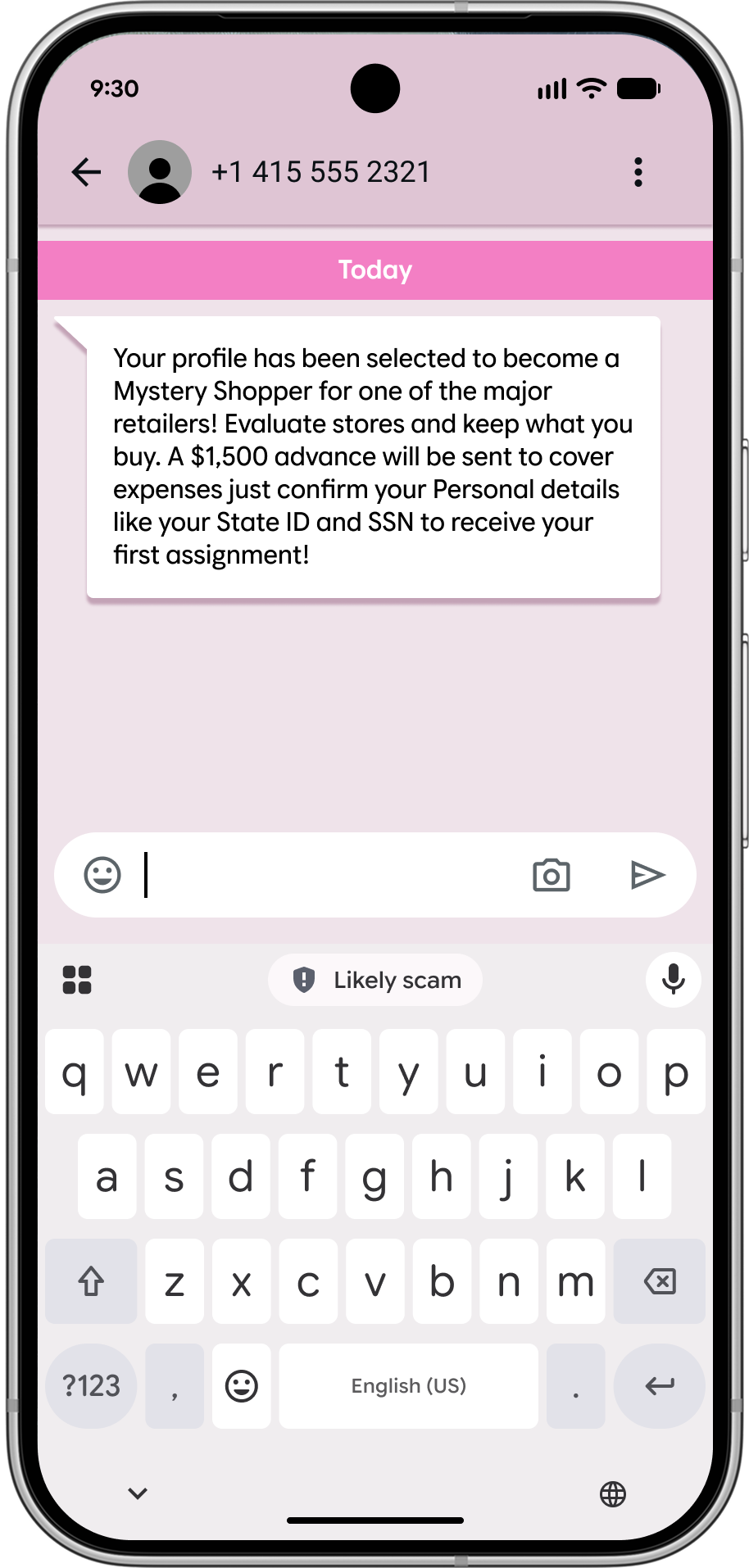
Initially tested in select markets, the real-time scam identification tools are now breaking geographical and linguistic barriers. The update extends automated scam detection for chat notifications to a wider array of international languages and regional dialects. Complementing this server-side defense, Google’s virtual keyboard, Gboard, has been equipped with a localized scanning mechanism. As users type within supported messaging and chat applications, Gboard can dynamically flag suspicious messages, warning individuals before they inadvertently engage with fraudulent entities or click malicious links.
Industry cybersecurity analysts have noted that while the rollout remains staggered based on country and language availability—preventing it from being an instantaneous global deployment—the integration of proactive, on-device AI typing analysis represents a vital step forward in consumer protection. By intercepting potential scams at the keyboard level rather than relying solely on post-delivery message filters, Google is setting a new benchmark for proactive mobile security.

Wearable Innovations: Enhancements for the Pixel Watch Ecosystem
Google’s hardware ecosystem expansion extends gracefully to its wrist-worn devices, with targeted updates arriving for the Pixel Watch lineup. Owners of the Pixel Watch 4 and newer models will benefit from noticeable performance enhancements to the "Raise to Talk" functionality, which utilizes built-in spatial sensors and microphone arrays to streamline voice-activated assistant queries without requiring manual button presses or wake words.
Meanwhile, users of the Pixel Watch 3 and subsequent iterations receive a practical accessibility upgrade: a one-handed pinch gesture designed specifically for navigating the notification tray. By executing a designated thumb-and-forefinger pinch motion, users can effortlessly launch, scroll through, and dismiss incoming notifications without needing to use their opposite hand to interact with the small circular display. This addition enhances the usability of the smartwatch in scenarios where a user’s hands are otherwise occupied, such as carrying groceries, cooking, or holding onto public transit handrails.
Pop-Culture Integration: The Harry Potter Audiobook and Customization Partnership
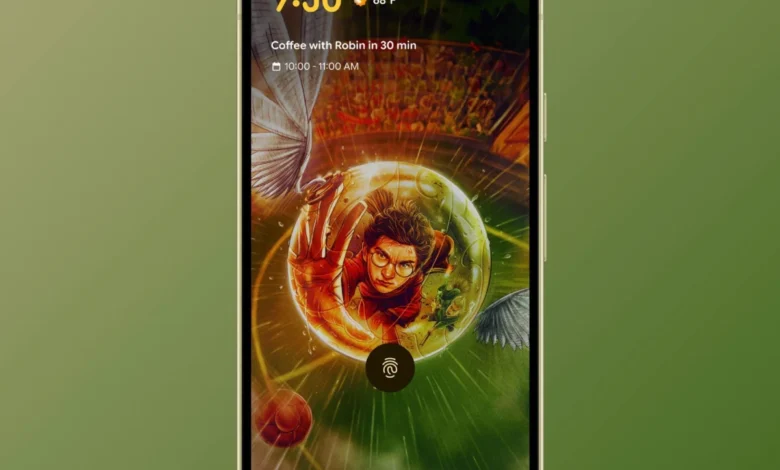
Balancing utility with entertainment, Google has also introduced a consumer-facing aesthetic and media package in collaboration with Warner Bros. Discovery and Audible. Aptly timed for the autumn season, the new Harry Potter Audiobook Packs offer a deeply integrated thematic overhaul for eligible Pixel users.
The promotional package allows users to completely transform their device’s user interface—applying exclusive Harry Potter-themed wallpapers, custom icon packs, and notification sounds that evoke the iconic wizarding world. In addition to the aesthetic overhaul, eligible Pixel owners will receive a complimentary two-month trial subscription to Audible, granting access to the complete collection of Harry Potter audiobooks. Google confirmed that these themed packs and promotional trials will remain available to claim through December 31, providing a festive multimedia experience just ahead of the end-of-year holiday shopping season.
Context, Timeline, and Strategic Implications
The release of the September Pixel Drop follows Google’s traditional cadence of quarterly feature updates, which serve to distinguish Pixel hardware from competitors running standard iterations of the Android operating system. By frequently injecting new software capabilities into older devices—stretching back as far as the Pixel 6 series—Google continues to reinforce its promise of long-term software support and hardware longevity.
From a strategic standpoint, the September update underscores Google’s dual-pronged focus on security and personalization. While the integration of advanced scam detection and Gboard monitoring addresses growing consumer anxieties regarding digital safety, features like the enhanced VIP contacts and wearable gestures demonstrate a commitment to reducing daily friction in user workflows.
As mobile ecosystems increasingly rely on artificial intelligence and contextual awareness to differentiate themselves, updates like the September Pixel Drop illustrate how software ecosystems can continuously add tangible value to devices long after their initial retail purchase. Industry observers will be monitoring the global rollout speed of the newly expanded scam detection tools to evaluate how effectively Google can scale these security measures across diverse international markets in the coming months.
Related posts: