Dracula 1958 receives a definitive 4K restoration to resurrect lost cinematic history for modern audiences

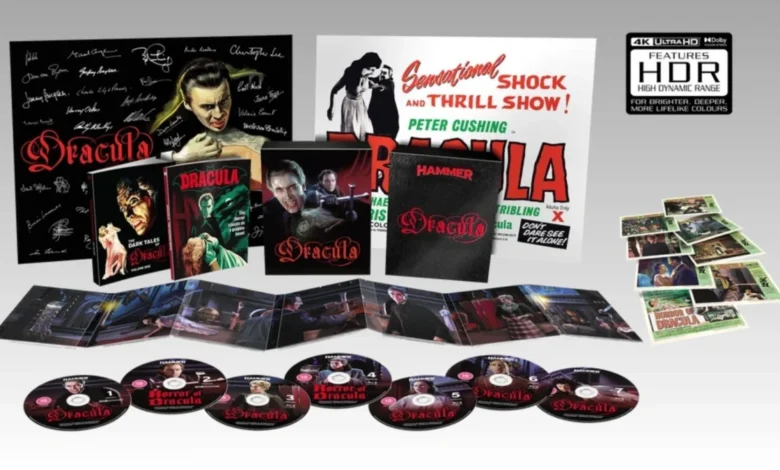
The landscape of gothic horror underwent a seismic shift in 1958 with the release of Hammer Films’ Dracula. Starring the legendary Christopher Lee as the titular count and Peter Cushing as his intellectual foil, Dr. Van Helsing, the production redefined the vampire archetype for the 20th century. By moving away from the monochromatic, shadow-heavy expressionism of earlier decades and introducing a vibrant, visceral, and overtly sexualized aesthetic, Hammer Films created a template that remains the industry standard. Decades after its initial release, this seminal work of British cinema is being meticulously restored to its original glory, offering audiences a chance to see the film as it was intended to be viewed—including the reintegration of rare, long-lost footage.
A Chronology of a Horror Masterpiece
The production of Dracula in 1958 was not merely a film project; it was a gamble for Hammer Films. Following the surprising success of The Curse of Frankenstein in 1957, the studio sought to capitalize on the public’s renewed interest in classic monsters. Director Terence Fisher was tasked with bringing Bram Stoker’s novel to the screen with a modern, technicolor intensity that hadn’t been seen in previous adaptations.
Upon its release, the film was an international sensation, though it faced varying levels of censorship depending on regional guidelines. The Japanese release, in particular, contained specific sequences involving the count’s demise and his interactions with his victims that were trimmed for other markets. These three minutes of footage were effectively lost to the wider world for decades, existing only in archival prints that had suffered the ravages of time. The current restoration project, spearheaded by Silver Salt Restoration, marks the first time these sequences have been seamlessly integrated into the definitive version of the film, providing a complete narrative experience that has been unavailable for over sixty years.
The Technical Challenges of Restoration
Restoring a film from 1958 is a monumental task that requires more than just high-resolution scanning. It is an act of archaeological preservation. The team at Silver Salt Restoration faced significant hurdles when dealing with the "cut elements"—the rare footage retrieved from international archives.
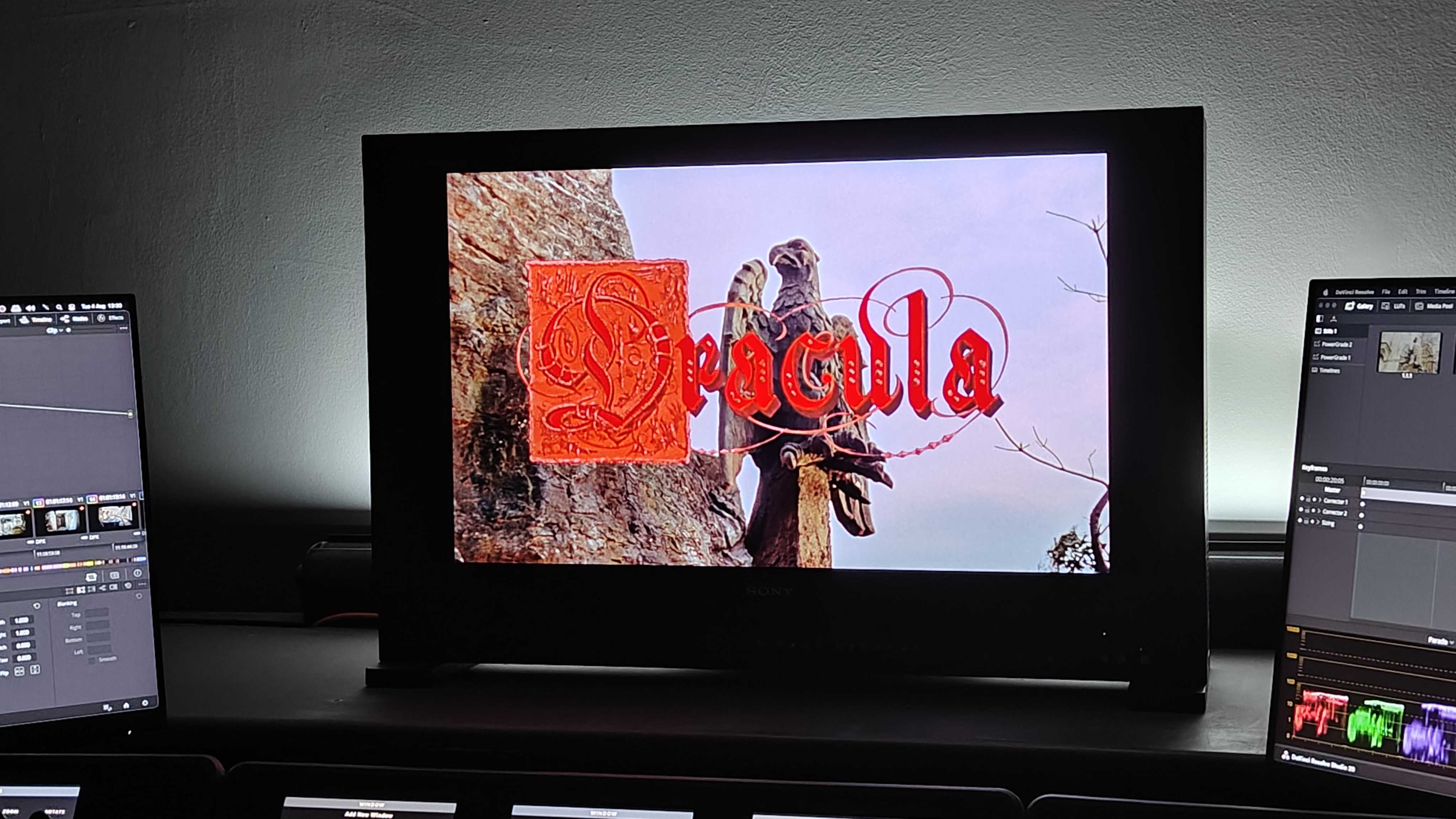
According to Anthony Badger, Head of Restoration, the primary technical challenge involved the nature of the source material. When working with older film stock, particularly when reconstructing missing scenes, technicians often encounter significant degradation. One of the most persistent issues is "color fringing" and instability when recombining color channels from monochromatic film strips. In the case of Dracula, the team had to manually lock colors even within the original negatives to compensate for age-related fading. If the color balance is not consistent from frame to frame, the viewing experience is marred by jarring, unnatural transitions. By stabilizing these elements, the restoration team has ensured that the 4K UHD presentation remains consistent, sharp, and true to the director’s original vision.
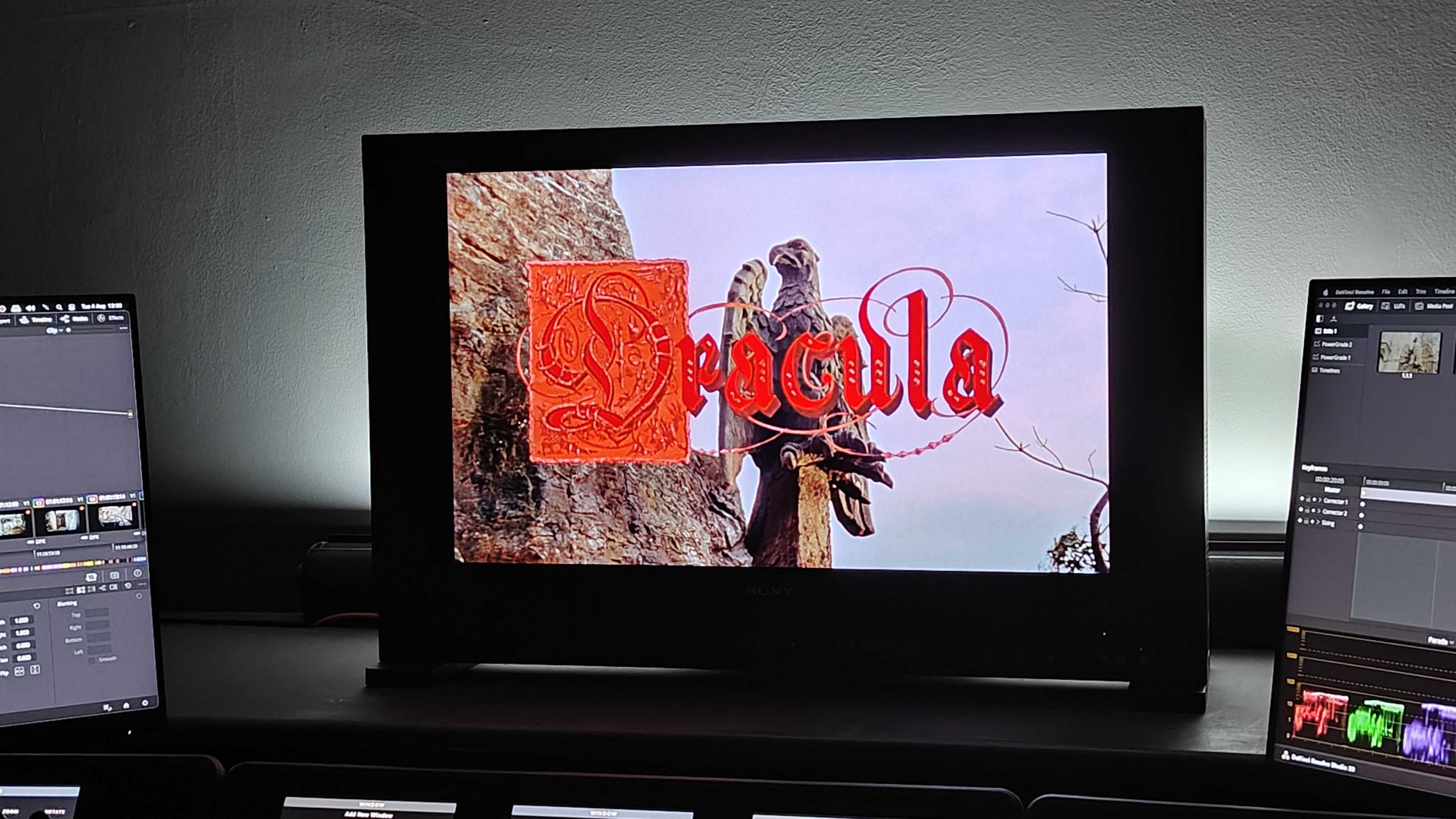
Mark Stanborough, Head of Restoration at Hammer, notes that the visual fidelity achieved in this process is startling. "When you look at some of the Hammer titles that we have done, they could have been filmed last week," Stanborough remarked. This level of clarity is not just an aesthetic choice; it is an effort to remove the "barrier" that poor, low-quality transfers have historically placed between the audience and the artistry of the film.
The Enduring Debate Over Physical Media
The release of the Dracula 4K Limited Collector’s Edition comes at a time when the broader market for physical media is facing an existential crossroads. As streaming platforms dominate home entertainment, the demand for physical discs has become more niche, yet arguably more passionate.
Industry analysts have noted that while the mass market for DVDs in general retail outlets has significantly declined, the market for "boutique" physical media—high-end, restored 4K editions—is thriving. Collectors are increasingly seeking out physical releases that offer high-bitrate video, lossless audio, and exclusive archival content that cannot be replicated by the compressed streams found on digital platforms.
Anthony Badger argues that the tangibility of a physical disc serves a psychological need for consumers. "It’s certainly the end of the day of buying a film on DVD at Tesco," he says, acknowledging the shift in retail habits. "But I think there will always be a place for it." He points to the success of obscure, non-horror titles from the Hammer library as evidence that there is a deep-seated hunger for curated, high-quality historical cinema. This trend suggests that consumers are moving away from passive consumption and toward an appreciation for film as a permanent, collectible artifact.
Cinematic Impact and Cultural Legacy
The decision to bring this restoration to cinemas in October serves a dual purpose: to honor the theatrical origins of the film and to reintroduce Hammer’s unique brand of horror to a new generation of moviegoers. When Dracula first premiered, the graphic nature of its violence—symbolized by the vibrant, bright red blood that became a hallmark of the studio—shocked 1950s audiences.
Today, the film is studied for its pacing, its psychological depth, and the iconic performance of Christopher Lee. Unlike the earlier, more creature-like portrayals of Dracula, Lee’s iteration was suave, articulate, and predatory in a way that mirrored contemporary societal anxieties. By screening this version in theaters, the curators hope to recapture the communal experience of the "shock" factor, allowing viewers to see exactly why this film became the blueprint for modern vampire cinema.
The success of previous theatrical screenings, such as The Curse of Frankenstein, which saw a wide release in approximately 150 cinemas, provides a strong indicator of the public’s appetite for these restorations. Dracula, being the more globally recognized property, is expected to draw even larger audiences, effectively bridging the gap between the golden age of British horror and the contemporary cinephile market.
Future Implications for Archival Preservation
The work conducted on Dracula by Hammer and Silver Salt Restoration sets a new benchmark for how studios should approach their back catalogs. There is a vast, untapped wealth of material currently languishing in archives that, if properly restored, could offer significant cultural and financial value.
The process of "locking" the colors and correcting the degradation of the original negatives is a labor-intensive, expensive endeavor. However, the result—a film that looks as though it were captured on modern digital equipment—justifies the investment. It transforms a dusty historical relic into a viable, modern product that can be marketed alongside current high-definition content.
This restoration also highlights the importance of international cooperation in film preservation. Without the existence of the Japanese prints, these three minutes of footage would have been lost to history. It serves as a reminder to film historians and studios alike that archives are not static entities; they require active maintenance and global collaboration to ensure that cinematic history remains intact.
As fans and collectors await the release of the 4K edition, the project stands as a testament to the fact that classic horror does not lose its potency with age. Through the application of modern technical precision, the terror and elegance of the 1958 Dracula are set to captivate audiences once again, ensuring that the legacy of Christopher Lee’s definitive performance will persist for decades to come. Whether experienced in the dark of a cinema or on a high-end home theater setup, the restoration provides a rare, undistorted look at one of the most important chapters in the history of the horror genre.