The Great Electric Vehicle Horsepower Mirage: Peak Output Versus Sustained Performance in Modern EVs

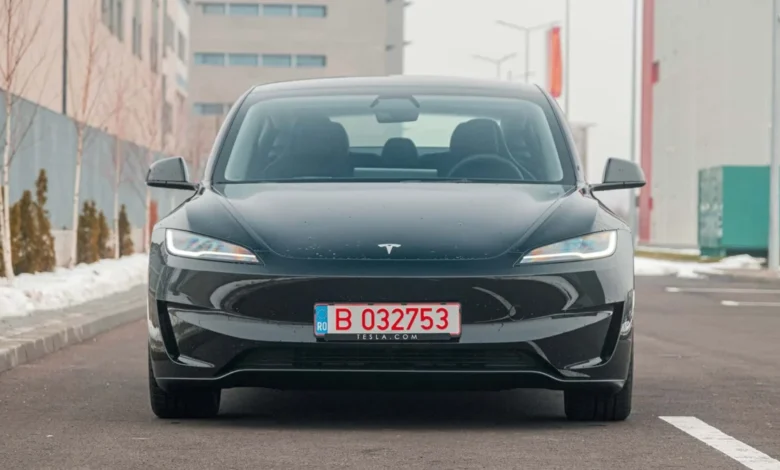
Electric vehicle marketing has long relied on astronomical figures to capture public attention, with modern performance models routinely boasting power outputs exceeding 1,000 horsepower. However, a glaring discrepancy exists between the marketing materials splashed across billboards and social media and the technical reality documented in official regulatory filings. When these high-performance battery electric vehicles undergo rigorous bureaucratic homologation in regions like Europe, the power figures listed on registration documents are frequently much lower than the headline-grabbing numbers advertised by manufacturers.
This divergence highlights a fundamental engineering dichotomy within the electric vehicle landscape: the gap between maximum peak output and sustained continuous power. While automakers naturally gravitate toward promoting peak performance figures to drive sales, the automotive industry and regulatory bodies are increasingly forced to reckon with the thermal and electrical limitations governing how long an electric drivetrain can actually maintain that output.
The Mechanics of the Power Discrepancy
To understand why a vehicle advertised with over 1,000 horsepower might carry a significantly more modest figure on its official paperwork, one must examine how electric powertrains process energy. Electric motors are uniquely capable of accepting massive surges of electrical current for brief periods, allowing them to unleash explosive acceleration when a driver abruptly depresses the accelerator pedal. This peak power rating represents the absolute maximum limit of what the battery, inverters, and motor windings can deliver instantaneously under ideal conditions.
However, delivering that level of power generates an immense amount of heat. High electrical current flowing through the system inevitably produces thermal energy via electrical resistance within the motor windings, the semiconductor switches inside the inverters, and the chemistry of the battery pack itself. If these components exceed safe operating temperatures, catastrophic degradation or permanent hardware damage can occur. To prevent this, an EV’s thermal management and vehicle control systems are programmed to dynamically throttle current, torque, and overall power once temperature thresholds are breached.
Consequently, the sustained power output—the continuous level of performance the vehicle can maintain indefinitely without overheating—is substantially lower than the peak figure. This sustained output is rarely featured in promotional campaigns, as it lacks the immediate shock value required to move units in a fiercely competitive global marketplace. Yet, it is this exact metric that dictates how a vehicle behaves during prolonged driving scenarios, such as tracking sessions, high-speed autobahn cruising, or hauling heavy loads over mountain passes.
The Regulatory Framework: UN Regulation No. 85 and the 30-Minute Power Standard
Recognizing the potential for consumer confusion and the need for standardized safety metrics, international regulatory bodies established specific protocols to quantify continuous output. Among the most notable is UN Regulation No. 85, established by the United Nations Economic Commission for Europe, which outlines the parameters for the "maximum 30-minute power" test.
Under this standardized evaluation, an electric drivetrain is subjected to a continuous operational test designed to measure the highest average net power output it can sustain over a rigorous 30-minute window without suffering thermal overload or exceeding safe operating temperatures. This metric serves as the baseline for official horsepower ratings on registration and homologation documents in many jurisdictions that adhere to international standards.
By utilizing the 30-minute power rating, regulatory agencies ensure that vehicles are not certified based on ephemeral, fractional-second bursts of energy that a driver could never practically reproduce in normal traffic conditions. It provides a level playing field for consumer protection, tax brackets, and insurance classifications, even if it creates a confusing paradox for buyers who cross-reference marketing brochures with official vehicle documentation.
State of Charge and Battery Voltage Behavior
Beyond thermal constraints, another critical factor influencing real-world power delivery is the state of charge (SoC) of the vehicle’s battery pack. As an electric vehicle is driven and energy is depleted, the voltage of the battery naturally decreases.
When battery voltage drops, the entire electrical architecture must work harder to deliver the same amount of power, typically by drawing higher currents to compensate for the lower voltage. However, drawing higher current from a discharging battery accelerates internal heating and voltage sag, eventually reaching a point where the drivetrain can no longer sustain its advertised peak output.
Independent real-world testing conducted by automotive publications has vividly demonstrated this phenomenon. In track evaluations comparing various performance EVs, vehicles with massive peak horsepower ratings often exhibited noticeable tapering in acceleration times as their battery states of charge dropped. Conversely, other models equipped with robust battery buffers—where the battery pack is inherently capable of supplying more energy than the motors are programmed to draw—managed to maintain consistent acceleration profiles until the battery depleted to very low percentages, such as 20 percent.
This thermal and electrical headroom represents a critical differentiator in modern EV engineering. While peak horsepower describes an automobile’s capability during its most dramatic moments, the design of the cooling architecture and the size of the power reserves dictate how reliably those moments can be repeated.
Manufacturer Adaptations: Track Modes and Thermal Engineering
Automakers are acutely aware of these physical limitations and have developed sophisticated software and hardware strategies to manage them. Far from hiding the reality of thermal throttling, industry leaders have integrated these engineering realities directly into vehicle operational modes.
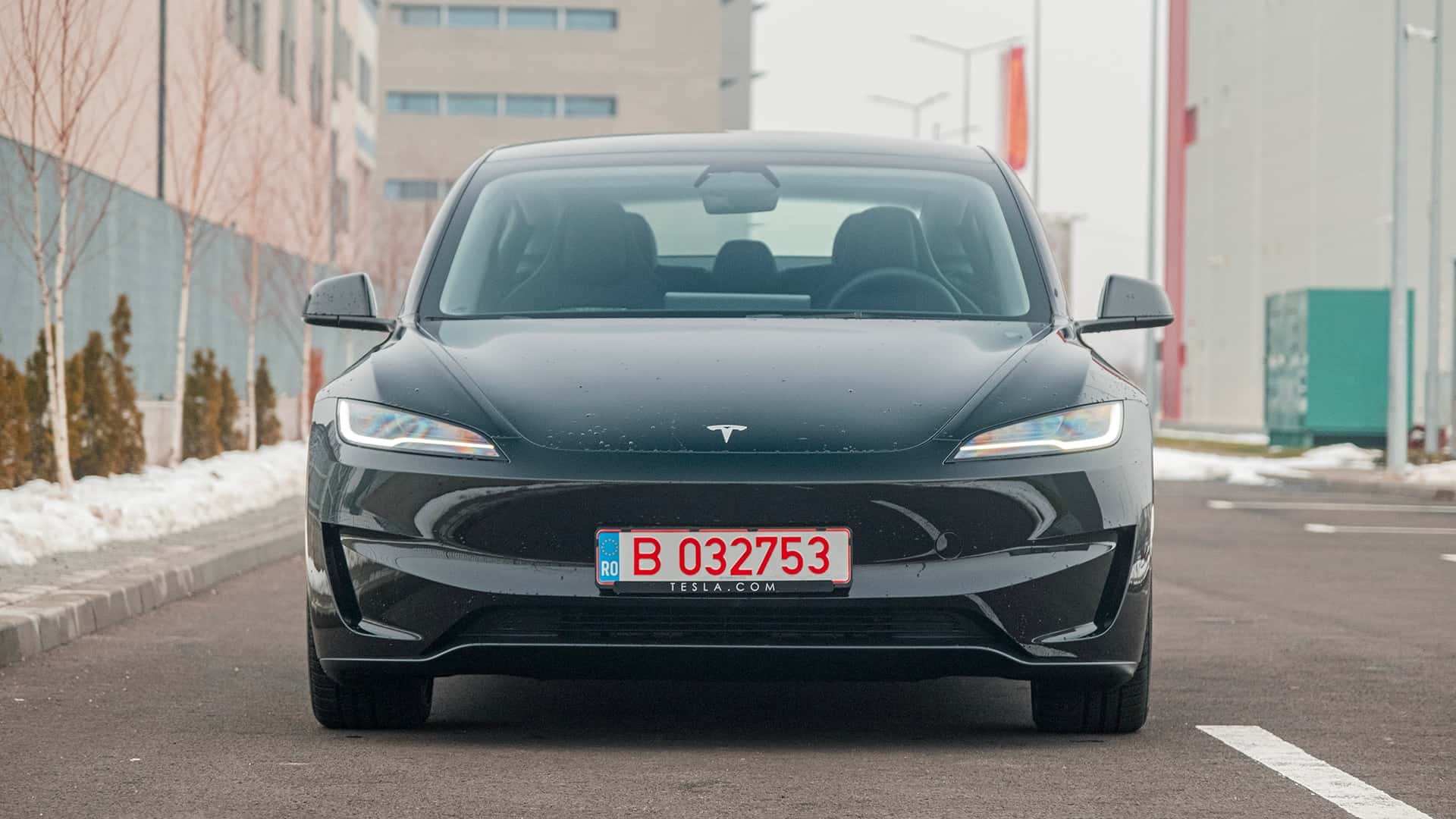
Tesla, for instance, includes a comprehensive "Powertrain Endurance" setting within the Track Mode software suite for models like the Model 3 Performance. In the vehicle’s owner manual, Tesla explicitly outlines the trade-off inherent in high-performance electric driving: configuring the system for enhanced thermal management involves deliberately reducing drive power output as speed increases. While this proactive throttling leads to marginally slower lap times, it prevents premature overheating of the battery and motors, ensuring consistent, repeatable performance across multiple consecutive laps rather than a single fast sprint followed by a severe power reduction.
Other manufacturers have tackled the challenge through advanced fluid-cooling loops and specialized inverter designs. In controlled testing environments, high-end performance platforms—such as Porsche’s Taycan lineup—have demonstrated the ability to complete dozens of consecutive maximum-acceleration runs from zero to high speeds with minimal degradation between attempts. Porsche attributes this resilience to heavily engineered cooling circuits capable of shedding thermal energy rapidly enough to bypass the need for aggressive power-cutting protocols, even under extreme abuse.
Broader Implications for the Future of EV Performance
As the automotive market matures, the fascination with four-digit horsepower figures is increasingly coming under scrutiny from both engineers and consumer advocates. While headline figures remain a powerful marketing tool to signal technological prowess, industry experts suggest that the conversation must shift toward holistic performance metrics.
Hyundai’s performance division leadership, among others, has publicly questioned the wisdom of an escalating "horsepower war" that prioritizes straight-line bragging rights over dynamic engagement, thermal stability, and efficiency. As track-capable EVs become more common and consumers begin utilizing them for high-demand applications, the limitations of peak-only marketing will become increasingly apparent.
For the everyday consumer, understanding the distinction between peak and sustained power offers valuable perspective. While a 1,000-horsepower rating may rarely reflect the continuous output experienced during a daily commute—nor is such power necessary for ordinary driving conditions—being aware of how an EV manages heat and voltage provides a clearer picture of its engineering integrity.
Ultimately, the divergence between marketing brochures and registration documents serves as a reminder that the laws of physics apply equally to internal combustion engines and high-voltage electric architectures. Behind every massive horsepower claim lies a complex ecosystem of batteries, inverters, and thermal management systems striving to balance raw, explosive capability with sustained, reliable endurance.