



Hot dog sandwich debate quiz alignment website explores the fascinating world of this beloved (or loathed) food. From its humble beginnings to its modern interpretations, we’ll delve into the arguments surrounding this iconic sandwich, examining various perspectives and regional variations. The site will feature a comprehensive quiz to test your knowledge, allowing you to engage in the debate yourself.
This website is designed to be an interactive and educational platform for anyone passionate about the hot dog sandwich. We’ll explore the history of the sandwich, the key ingredients that often ignite the debate, and how cultural influences have shaped its perception. Users can engage with the material through a variety of interactive elements, including surveys, visual aids, and a comprehensive quiz.
Defining the Hot Dog Sandwich Debate
The hot dog sandwich, a seemingly simple culinary creation, has ignited passionate debates across generations and geographies. From the meticulous selection of the perfect bun to the precise application of mustard, the seemingly trivial aspects of this dish often become points of contention. This debate extends far beyond mere preference, touching upon historical context, regional variations, and the social significance of this ubiquitous street food.The hot dog sandwich debate, at its core, revolves around the perceived ideal components, preparation methods, and the cultural interpretations associated with this iconic dish.
It’s a microcosm of broader culinary arguments, reflecting differing tastes and values, and highlighting the power of tradition in shaping food choices.
Historical Origins and Evolution
The hot dog sandwich’s origins are intertwined with the evolution of street food and the rise of industrialization. Its journey from humble beginnings to a global phenomenon reflects the shifting demographics and culinary trends of different eras. Early interpretations often prioritized practicality over elaborate presentation, adapting to the needs of working-class populations. The rise of hot dog stands and vendors further solidified the dish’s place in popular culture, becoming synonymous with affordable and accessible food.
The 20th century witnessed a diversification of hot dog sandwich preparation, with regional variations emerging based on local preferences and ingredients.
Regional Variations
Regional differences in hot dog sandwiches are substantial, reflecting the diverse culinary traditions of different regions. For example, a New York-style hot dog often features a specific type of bun, a particular mustard blend, and a specific arrangement of toppings. Conversely, a Chicago-style hot dog boasts a unique blend of toppings including relish, chopped white onions, and sport peppers.
These regional variations often reflect local ingredients and culinary traditions, highlighting the connection between food and culture. This diversity underscores the adaptability and enduring appeal of the hot dog sandwich.
Key Ingredients and Their Significance
The choice of ingredients often sparks the most heated debates. The type of bun, whether a soft or hard roll, plays a crucial role in the overall experience. Mustard, relish, onions, and various types of peppers are common additions, each with their own proponents and detractors. The quality of the hot dog itself is another point of contention, with preferences varying from lean, all-beef to those with added fillers or flavors.
Social and Cultural Significance
The hot dog sandwich holds significant social and cultural value, embodying themes of accessibility, affordability, and community. It’s frequently associated with gatherings, picnics, and casual social events, offering a shared culinary experience. The hot dog’s image as a quintessential American food item reflects the nation’s embrace of diverse cultural influences and its role as a symbol of popular culture.
The prevalence of hot dog stands in urban centers highlights the sandwich’s ability to cater to diverse demographics and socioeconomic groups.
Analyzing Different Perspectives
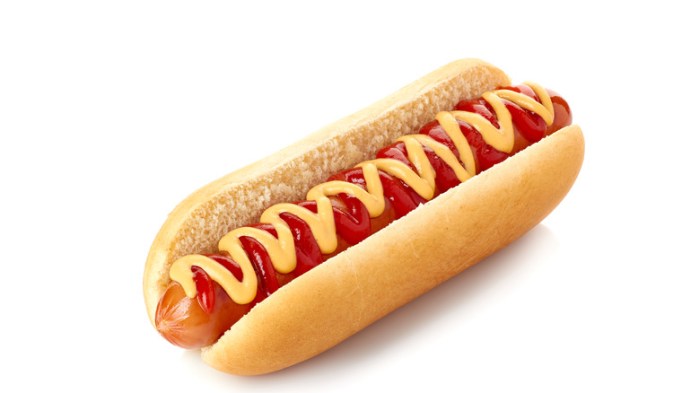
The hot dog sandwich, a seemingly simple dish, sparks surprisingly complex debates. Understanding the various perspectives surrounding it requires looking beyond the bun and meat, delving into the demographics, historical trends, and cultural influences that shape opinions. This exploration reveals the nuanced nature of this seemingly straightforward culinary discussion.The opinions surrounding the hot dog sandwich aren’t monolithic. They’re shaped by a multitude of factors, from personal experiences to societal values.
Examining these diverse perspectives provides a richer understanding of the hot dog’s enduring appeal and the reasons behind its varied reception.
Demographic Variations in Hot Dog Sandwich Preferences
Different demographics often hold distinct views on the hot dog sandwich. Age, location, and socioeconomic status can significantly influence the way people perceive and enjoy this dish. Younger generations might embrace innovative toppings and variations, while older generations might hold strong preferences for traditional preparations. Similarly, regional variations in culinary traditions can lead to vastly different opinions.
- Age: Younger consumers are often more open to experimenting with new toppings and flavors, whereas older consumers might prefer more traditional preparations. For instance, younger generations might incorporate gourmet toppings like kimchi or spicy aioli, while older generations might prefer classic toppings like mustard or relish.
- Location: Regional variations in culinary traditions play a crucial role in shaping preferences. A New Yorker’s perspective on a hot dog will likely differ from a Texan’s, reflecting distinct cultural and historical influences. This is reflected in the diverse toppings and preparation methods prevalent in different regions.
- Socioeconomic Status: Socioeconomic status can also influence the perception of a hot dog. Those from higher socioeconomic backgrounds might view a hot dog as a casual meal, while those from lower socioeconomic backgrounds might view it as an affordable and satisfying meal.
Survey Design for the Hot Dog Sandwich Debate
A comprehensive survey can effectively capture the diverse opinions on the hot dog sandwich. A well-structured survey should incorporate both quantitative and qualitative data collection methods to gain a holistic understanding of the subject.
| Question Type | Example Questions |
|---|---|
| Multiple Choice | “What is your preferred hot dog topping?” (options: mustard, ketchup, relish, onion, etc.) |
| Open-Ended | “What makes a perfect hot dog sandwich for you?” “What are your memories or experiences associated with hot dogs?” |
This approach ensures that the survey captures both specific preferences and broader opinions, providing a nuanced understanding of the hot dog sandwich debate.
Historical Trends in Hot Dog Sandwich Preferences
Analyzing historical trends offers insights into the evolving perception of the hot dog sandwich. Changes in ingredients, preparation methods, and cultural attitudes over time reveal how the dish has adapted and remained popular throughout history. From street food to a more elaborate meal, the hot dog’s journey through culinary history demonstrates its ability to adapt and evolve.
Ever wondered about the perfect hot dog sandwich? The hot dog sandwich debate quiz alignment website is a fun way to test your knowledge, but sometimes you need a break from the culinary conundrums. Imagine a world where robotic marvels like the rvr remote control moving robot trailer valet handle all your parking hassles. Back to the hot dog sandwich, though – the debate quiz website promises to be a fascinating exploration of the perfect toppings and buns.
- Early Adoption: The hot dog’s popularity in the early 20th century was largely due to its affordability and convenience, making it a popular street food. The introduction of specific toppings and buns influenced the perception of the hot dog.
- Evolution of Toppings: The range of toppings available has expanded significantly over time. The addition of more exotic and gourmet toppings reflects changing tastes and cultural influences. Early variations often focused on simple toppings, but today, we see gourmet creations.
Media Influence on Hot Dog Sandwich Perceptions
The media plays a significant role in shaping public perception. Advertisements, television shows, and social media posts can create a positive or negative image of the hot dog sandwich, influencing consumer choices. This influence can be both subtle and powerful, affecting public perception of the hot dog sandwich.
- Celebrity Endorsements: Celebrities endorsing specific hot dog brands or preparations can create a favorable public perception, making the dish seem more desirable.
- Media Portrayals: Media portrayals of hot dogs in films, television shows, or other forms of entertainment can influence the public’s image of the hot dog. The way hot dogs are presented in media can greatly influence consumer perception.
Cultural Influences on the Hot Dog Sandwich Debate
Culinary traditions and cultural norms play a significant role in shaping perceptions of the hot dog sandwich. Different cultures have unique ways of preparing and enjoying hot dogs, creating a diverse landscape of hot dog traditions. This reflects the influence of global food trends and local preferences.
- Global Variations: Cultures around the world have developed unique interpretations of the hot dog, incorporating local ingredients and preparation methods. For example, the addition of specific regional spices or sauces reflects the influence of local culinary traditions.
- National Identity: The hot dog can be a symbol of national identity, representing cultural pride and tradition. Different nations have their own unique ways of preparing hot dogs, and this contributes to a broader perception of the dish.
Illustrating the Debate
The hot dog sandwich debate, a seemingly simple culinary discussion, reveals surprisingly complex layers of cultural preference, historical context, and even personal symbolism. Understanding these layers requires a visual representation of the competing viewpoints, moving beyond mere textual explanations. Visual aids can transform abstract concepts into tangible, relatable representations, making the arguments more accessible and impactful.The following sections illustrate different approaches to visualizing the hot dog sandwich debate, demonstrating how various formats can effectively communicate the nuances of this enduring culinary controversy.
Visual Representation of Key Arguments
A Venn diagram, a common tool for representing overlapping sets, could effectively depict the hot dog sandwich debate. Three overlapping circles could represent the perspectives of those who favor the hot dog sandwich, those who prefer other sandwich options, and those who view the hot dog sandwich as a neutral subject. The overlapping sections could detail shared or common ground between these perspectives.
For instance, the intersection of the “hot dog sandwich” and “other sandwich options” circles could address the potential for both to be considered part of a larger “sandwich” category.
Compelling Image Representation
Imagine a stylized illustration of a hot dog sandwich, positioned centrally within a larger composition. Surrounding the sandwich are smaller, interconnected illustrations representing various perspectives. One might depict a meticulous chef preparing a gourmet hot dog, showcasing the meticulous preparation and appreciation of the sandwich. Another could feature a simple street vendor serving a classic hot dog, symbolizing the casual and ubiquitous nature of the sandwich.
Yet another might portray a group of friends enjoying a hot dog at a baseball game, highlighting the social aspect and cultural significance of the sandwich. These smaller illustrations would subtly interact with the central hot dog sandwich, emphasizing the complexity and multifaceted nature of the debate.
Infographic Design
An infographic could use a series of contrasting yet complementary visuals. A timeline showcasing the historical evolution of the hot dog sandwich, from its origins to modern variations, could be presented alongside a comparison chart illustrating the nutritional content of various hot dog sandwich preparations. This would highlight the evolution of the sandwich, its cultural and social significance, and the nutritional information involved.
Icons and symbols could further highlight specific viewpoints, using positive and negative symbols to represent different arguments.
Flowchart of Hot Dog Sandwich Preparation
A flowchart, visually representing the steps in a typical hot dog sandwich preparation, could start with the raw hot dog and follow each step until the finished sandwich. The flowchart could include various branches representing different preparation styles, from the basic grilled hot dog to more elaborate preparations, like the Chicago-style hot dog. This would help illustrate the variation and complexity involved in the preparation process.
Symbolism of the Hot Dog Sandwich, Hot dog sandwich debate quiz alignment website
The hot dog sandwich carries significant symbolic weight. It can represent American culture, casual dining, and even social gatherings. Its simple ingredients, quick preparation, and accessibility make it a universal symbol of affordability and ease. In some contexts, it might symbolize a nostalgic childhood memory, or even a celebration of a shared experience with friends. The hot dog sandwich, in essence, represents more than just a meal; it represents a social phenomenon.
Building a Quiz on the Debate
Crafting a quiz on the hot dog sandwich debate requires a nuanced approach, moving beyond simple yes/no answers. It needs to delve into the complexities of history, preparation, and cultural significance to truly test understanding. This involves creating questions that not only assess knowledge but also encourage critical thinking about the nuances of this seemingly simple food item.The quiz structure should be designed to progressively challenge participants, starting with basic facts and building toward more complex analyses.
It should also consider the diverse viewpoints surrounding the hot dog sandwich, reflecting the various perspectives on its ideal preparation and cultural impact.
Quiz Structure and Question Types
This section Artikels the structure and types of questions that can be included in the quiz. Multiple-choice questions, while straightforward, should be designed to elicit more than just a superficial understanding. They should explore the subtleties of the debate. True/false questions, while offering simplicity, can be effectively used to test fundamental knowledge about historical trends or preparation methods.
- Multiple Choice Questions: These questions should present several options, with only one correct answer. For example, a question about the historical evolution of the hot dog could present different time periods and associated trends in preparation methods, allowing the participant to select the most accurate statement.
- True/False Questions: These questions can assess factual accuracy regarding specific historical events, cultural associations, or preparation methods. For instance, a statement about the geographical origin of a particular hot dog preparation method can be presented for verification.
- Short Answer Questions: These questions encourage explanation and analysis. They require participants to elaborate on their reasoning and justify their opinions.
Analyzing Different Facets of the Debate
This section details how to structure the quiz to analyze various aspects of the hot dog sandwich debate.
- Historical Context: Questions on the historical evolution of the hot dog sandwich, including its origins, early preparations, and the impact of mass production on its evolution, can help assess a participant’s understanding of the sandwich’s historical trajectory.
- Preparation Methods: Questions about various preparation methods (e.g., different types of buns, condiments, and toppings) and their cultural associations can test understanding of the diverse approaches to hot dog preparation.
- Cultural Impact: Questions that analyze the hot dog’s cultural significance, its role in various cuisines, and its impact on culinary traditions can assess a participant’s understanding of the broader implications of the debate.
Example Question Requiring Reasoning
“Explain why you believe a particular type of hot dog bun is essential to the overall experience of a hot dog sandwich, drawing on historical and cultural factors.”This question encourages participants to explain their rationale, fostering a deeper understanding of the nuanced viewpoints surrounding the debate.
Measuring Depth of Understanding
The quiz should progressively increase in complexity. Early questions should focus on basic facts, while later questions require critical analysis and synthesis of information from various aspects of the debate. This ensures that the quiz measures the depth of understanding, not just rote memorization.
Scoring the Quiz
Scoring the quiz should reflect the different question types and the depth of reasoning required. Multiple-choice and true/false questions can be scored simply based on correctness. Short answer questions should be evaluated based on the completeness and coherence of the explanation, as well as the accuracy of the reasoning. A rubric can be developed to provide clear guidelines for evaluating the responses.
Crafting a Website Structure: Hot Dog Sandwich Debate Quiz Alignment Website
A website dedicated to the hot dog sandwich debate needs a clear and engaging structure to effectively present information and encourage user interaction. This structure should facilitate exploration of the debate’s nuances, historical context, regional variations, and diverse user perspectives. A well-organized layout will guide visitors through the rich tapestry of this culinary discussion.This section details the proposed website layout, including examples of pages dedicated to specific aspects of the hot dog sandwich debate.
Responsive design principles are paramount, ensuring optimal viewing across various devices and screen sizes.
Website Layout
The website will employ a responsive table layout with at least four columns. This structure allows for clear separation of content elements, such as text, images, and interactive elements, while maintaining a visually appealing and easily navigable interface. This multi-column approach maximizes the use of screen space, presenting information in a concise and engaging format.
History of the Hot Dog Sandwich Page
| Column 1 (Image) | Column 2 (Date & Context) | Column 3 (Description & Significance) | Column 4 (Supporting Evidence) |
|---|---|---|---|
|
A historical image of a street vendor selling hot dogs. |
1800s: Early forms of street food, including sausages, become prevalent. |
Street vendors, eager to provide affordable and quick meals, likely began serving sausages in rolls. |
Historical accounts and contemporary accounts of early street food vendors. |
|
Image of a hot dog in a bun, circa 1920s. |
1920s: Rise of the ‘hot dog stand’ and early diner culture. Ever wondered if a hot dog belongs on a bun? My latest obsession is this hot dog sandwich debate quiz alignment website, but I’ve been sidetracked by the amazing advancements in AI. Google’s Gemini AI is reportedly trying to outsmart ChatGPT by processing photos and videos, a fascinating development detailed in this article: google gemini ai tries outsmarting chatgpt using photos and videos.  It makes me think about how AI might someday even judge the perfect hot dog placement on a bun, making my hot dog sandwich debate quiz alignment website even more intriguing. |
The hot dog sandwich becomes a staple of American cuisine, popularized in restaurants and street vendors. |
Restaurant menus from the era, newspaper articles about food trends. |
|
Image of a modern hot dog stand. |
Present: Modern variations and cultural influences. |
Hot dog sandwiches are adapted to various regional cuisines and preferences. |
Cookbooks, food blogs, and online communities focusing on regional variations. |
Regional Hot Dog Sandwich Recipes
A dedicated section showcasing regional variations will use a responsive table layout with at least four columns. This structure will allow for easy comparison and exploration of different recipes.
I’ve been diving deep into the hot dog sandwich debate quiz alignment website lately, trying to figure out the best way to structure the questions. It’s surprisingly complex, especially when you consider how different people perceive the perfect hot dog experience. For a change of pace, I recently spent some time at Moonstone Island, which is an absolutely fantastic place.
To see what I mean, check out my recent blog post about meet me at moonstone island. Back to the quiz, I’m finding that a well-structured approach is key to making the debate truly engaging and informative for the users.
| Region | Recipe Name | Ingredients | Preparation Method |
|---|---|---|---|
| New York | Classic New York Style | All beef hot dog, mustard, onions, relish, and sometimes sauerkraut | Toasted bun, hot dog, condiments. |
| Chicago | Chicago-Style Hot Dog | All beef hot dog, yellow mustard, chopped white onions, tomato wedges, pickled sport peppers, relish, dill pickle spear, and celery salt. | Toasted bun, hot dog, stacked condiments. |
| California | California-Style Hot Dog | Hot dog, avocado, tomato, lettuce, and a spicy mayo. | Toasted bun, hot dog, layered with toppings. |
User Contributions
A forum-style section will allow users to share their opinions and experiences.
“User contributions are vital to the understanding and richness of this debate.”
This forum will be structured to encourage respectful discussion, provide a space for constructive feedback, and facilitate the sharing of unique perspectives.
Online Discussion Platform
The website will include a dedicated discussion forum, allowing users to post, comment, and engage in thoughtful dialogue about the hot dog sandwich debate. This interactive component will be moderated to ensure respectful discourse and constructive criticism.
Website Content for Alignment

This website aims to be more than just a quiz; it’s a platform for exploring the nuances of the hot dog sandwich debate. To achieve this, we need content that fairly represents all sides of the argument, fostering understanding and critical thinking, not just a definitive answer. The design and structure should invite diverse viewpoints, making the experience engaging for everyone.The website’s content should reflect the varying perspectives on the hot dog sandwich debate.
This means acknowledging the arguments for and against the inclusion of various toppings, the ideal bun type, and the overall preparation. Each viewpoint should be presented with clarity and respect, avoiding biased language or oversimplification.
Representing Diverse Viewpoints
The website’s design can actively encourage a multitude of perspectives. A gallery of user-submitted photos of their ideal hot dog sandwiches, accompanied by brief descriptions of their choices, can showcase the diverse tastes and preferences. Interactive polls and surveys, incorporated thoughtfully, allow users to share their opinions on key aspects of the debate, without feeling pressured or limited by the options.
By showcasing diverse viewpoints, the website becomes a platform for fostering understanding.
Frequently Asked Questions
A comprehensive Frequently Asked Questions section is essential for clarifying common misconceptions and addressing concerns. This section will include detailed explanations of different types of buns, the origins of various hot dog preparations, and the historical evolution of the hot dog sandwich. The FAQ section should also address the economic factors affecting the price and availability of ingredients.
This section should be easily navigable, with clear categorization of questions to quickly locate answers.
| Category | Example Questions |
|---|---|
| Ingredient Choices | What are the pros and cons of using different types of mustard? |
| Preparation Methods | How do different grilling techniques affect the taste of the hot dog? |
| Historical Context | What were the most popular hot dog sandwich variations in the early 20th century? |
Catering to Different Learning Styles
The website should adapt to different learning styles. For visual learners, detailed images of different hot dog preparation techniques, and close-up shots of various toppings will be crucial. For auditory learners, audio clips from interviews with food experts or passionate hot dog enthusiasts can provide different perspectives. This multimodal approach ensures that everyone can access and engage with the information in a way that suits them.
Furthermore, short video demonstrations on creating different hot dog sandwiches will further appeal to kinesthetic learners.
Promoting Critical Thinking
The website should not simply present information; it should encourage critical thinking. An interactive “Debate Corner” section, featuring contrasting arguments on key topics, can spark discussions and encourage users to evaluate the evidence. This space will allow users to compare the different perspectives and form their own informed opinions. For instance, a section comparing the health implications of different toppings or the cost-effectiveness of various ingredients will allow for a balanced and thoughtful approach to the debate.
A simple table illustrating the comparative nutritional value of various hot dog types and preparation methods could also be incorporated.
Final Conclusion
Ultimately, the hot dog sandwich debate quiz alignment website aims to provide a balanced and engaging exploration of this enduring culinary discussion. By presenting diverse perspectives and encouraging critical thinking, we hope to foster a deeper understanding and appreciation for this ubiquitous sandwich. The website’s interactive features, including quizzes and user forums, invite participation and encourage a lively online conversation.
Ultimately, the website aims to be a platform where people can learn, debate, and discover the rich history and cultural significance of the hot dog sandwich.