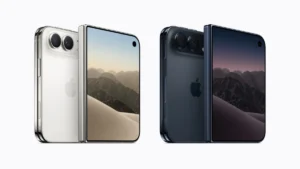
Motorola hints at a wide-format foldable competitor following the Apple iPhone Duo announcement

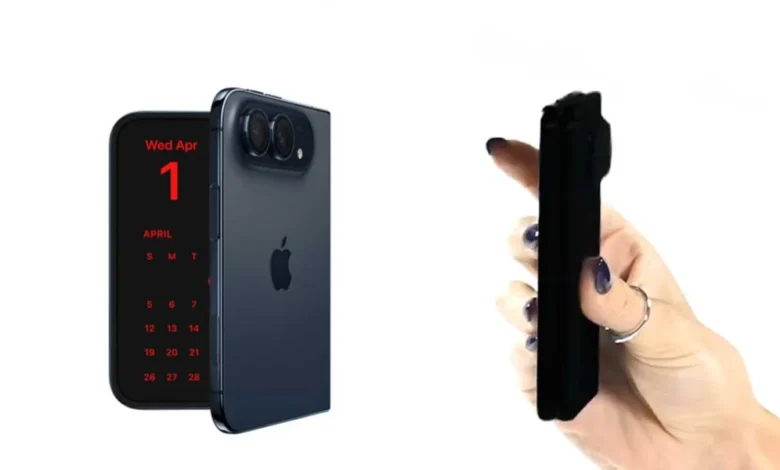
The mobile industry is currently navigating a period of rapid evolution following Apple’s highly anticipated entry into the foldable smartphone market with the iPhone Duo. As the device makes its debut, competitors are already signaling their intent to challenge Apple’s hardware design and software ecosystem. Motorola, a veteran of the foldable space, has released a cryptic teaser suggesting that it is preparing its own wide-format foldable device, aimed directly at the form factor popularized by the new Apple handset.
This development marks a significant turning point in the foldable smartphone category, which has transitioned from a niche luxury segment to a primary battleground for major manufacturers. The introduction of the iPhone Duo, which mirrors the dimensions and aspect ratios seen in previous generations of devices like the Google Pixel Fold, has forced a recalibration of competitive strategies across the industry.
The Evolution of the Foldable Form Factor
The history of the foldable phone is relatively short but marked by rapid iteration. Samsung pioneered the modern foldable market with the launch of the original Galaxy Z Fold in 2019, followed closely by the introduction of the clamshell-style Z Flip. Motorola revitalized its iconic Razr brand in 2020, leveraging nostalgia to capture the attention of consumers interested in a compact, pocketable foldable experience.
Until recently, the market was bifurcated: devices were either tall, narrow "candy-bar" style phones that unfolded into tablets, or compact flip phones. The industry shift toward "wide" foldables—devices that feel more like a traditional smartphone when closed—represents a response to consumer feedback regarding usability and screen real estate. Apple’s iPhone Duo enters this segment with a focus on a refined software experience, utilizing iOS to bridge the gap between a standard phone and a tablet-like interface.
Data from industry analysts suggests that while foldable smartphone shipments have historically accounted for less than 5% of the total global market, the segment is projected to grow at a compound annual growth rate (CAGR) of over 20% through 2030. The entry of a dominant player like Apple typically acts as a catalyst for mainstream adoption, forcing incumbents to improve hardware reliability and software optimization to remain competitive.
Motorola’s Response and Teaser Analysis
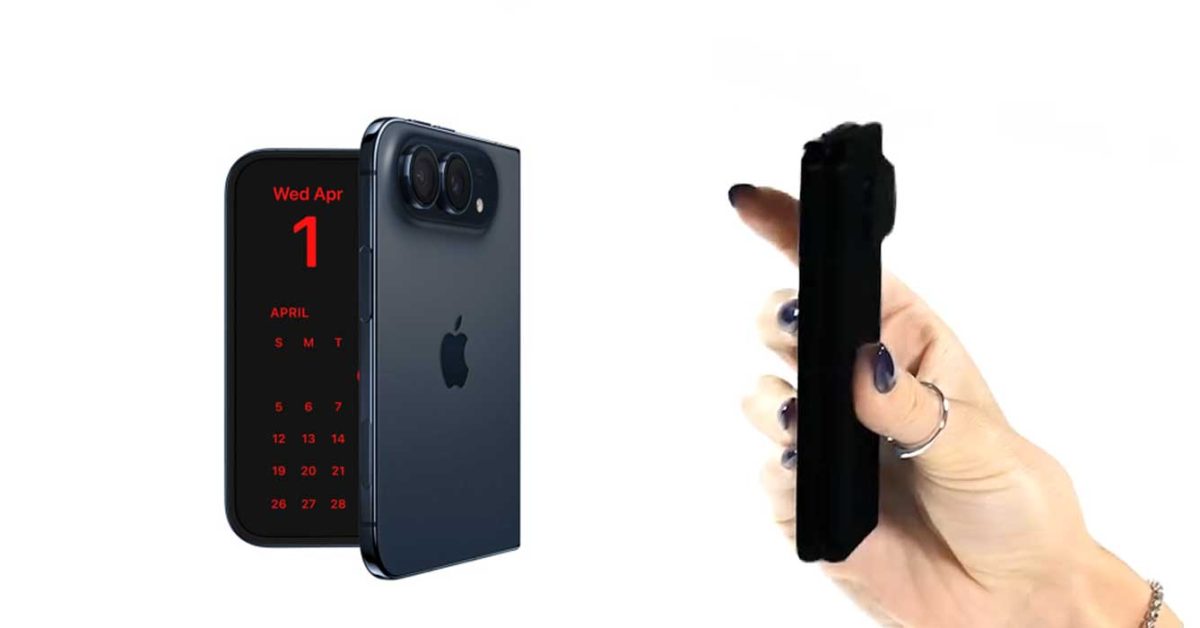
Following the announcement of the iPhone Duo, Motorola took to social media to signal that it is not ceding ground to Apple or its primary rival, Samsung. In an Instagram video, the company showcased its history of foldable innovation, beginning with the classic pink Razr flip phone and culminating in its current Razr Fold models. The video concludes with a silhouette of a blacked-out device, which appears to feature the wider, "short and stout" chassis that differentiates the iPhone Duo from the traditionally taller, narrower foldable models.
Industry observers have noted specific design cues in the teaser that warrant attention. The silhouette indicates a rear camera bar that spans the width of the device, a departure from the smaller, isolated camera bumps on previous Razr models. Additionally, the positioning of buttons and the overall aspect ratio suggest that Motorola is engineering a device intended for horizontal usage, likely optimizing the internal screen for multitasking and productivity—areas where Apple is focusing its marketing efforts for the iPhone Duo.
While Motorola has not provided a release date or official specifications, the company’s messaging, which describes the teaser as its "next move," suggests that development is well underway. This approach mirrors the common practice of "pre-announcing" technology to prevent customers from defecting to a competitor during a major product launch cycle.
Market Dynamics: Apple, Samsung, and Motorola
The competitive landscape for foldable devices has become increasingly crowded. Samsung, which maintains a significant market share in the foldable category, has responded to the iPhone Duo with a series of public communications, acknowledging the entry of a new competitor while highlighting its own multi-generational experience in foldable engineering.
Samsung’s response, characterized by some analysts as "defensive," underscores the pressure that Apple’s entry exerts on existing leaders. Samsung has invested heavily in hinge durability, under-display camera technology, and the refinement of its "One UI" skin to support multitasking. By contrast, Apple’s strategy appears to be rooted in the simplicity and integration of its ecosystem, banking on the fact that millions of iPhone users will prefer a familiar operating system over the technical complexities often associated with Android-based foldables.
For Motorola, the challenge is to differentiate itself in a market where Apple and Samsung control the majority of retail shelf space. The Razr brand has historically benefited from a strong design identity. By moving toward a wider foldable format, Motorola is signaling that it intends to offer a high-performance alternative that balances the compact nature of the Razr with the expansive productivity features demanded by power users.

Technical Implications and Consumer Adoption
The industry-wide move toward wider foldables carries significant technical implications. To accommodate a wider display, manufacturers must solve complex challenges regarding weight distribution, battery density, and structural integrity. A wider screen requires a more sophisticated hinge mechanism to ensure that the crease remains minimal and the display can withstand hundreds of thousands of folds.
Furthermore, the software ecosystem remains the greatest hurdle for foldable adoption. Apple’s advantage lies in the "continuity" between its mobile and desktop environments. For developers, the challenge is to create apps that scale seamlessly from the external cover display to the unfolded, full-sized screen. If Motorola and other Android manufacturers fail to provide a comparable level of developer support, they risk losing the high-end market segment to Apple’s refined experience.
Looking Ahead: The Future of the Foldable Market
The remainder of 2026 and the start of 2027 will likely see a surge in R&D investment among mobile manufacturers. The "iPhone Duo effect" has already forced companies to re-evaluate their design roadmaps. We expect to see more companies experimenting with rollable display technology, ultra-thin folding glass, and improved haptic feedback systems as they attempt to stay relevant.
Motorola’s teaser serves as a reminder that the foldable war is far from over. With the entry of the world’s most valuable technology company into the foldable space, the barrier to entry for the average consumer has been lowered, but the standard for hardware quality has been raised. Whether Motorola can translate its legacy in the flip-phone era into a successful modern wide-format foldable remains to be seen.
As the industry waits for further details on Motorola’s "next move," the focus remains on whether these devices can offer enough utility to justify their premium price points. With the convergence of hardware design—where many foldables now look increasingly similar in silhouette—the differentiator will undoubtedly shift to software capabilities, artificial intelligence integration, and the overall robustness of the folding mechanism.
For the time being, the competition is heating up, and consumers stand to benefit from a market that is suddenly prioritizing innovation over incremental updates. The battle for the foldable market is no longer just about who can fold a screen, but who can provide the most seamless and productive experience in a changing mobile landscape.