Samsung Galaxy Tab S10 FE Review: A Versatile Mid-Range Workhorse in a Competitive Tablet Market

The Samsung Galaxy Tab S10 FE has solidified its position as a critical bridge in the global tablet market, catering to a demographic that seeks a balance between the high-end capabilities of the flagship Galaxy Tab S11 series and the entry-level affordability of the Tab A11 line. Launched in April 2025, the device arrived at a time when the "Fan Edition" (FE) philosophy—distilling premium features into a more accessible price point—had become central to Samsung’s mobile strategy. Now, over a year into its lifecycle, the Tab S10 FE remains a relevant contender, offering a robust build, sophisticated multitasking software, and industry-leading battery life that challenges even more expensive rivals.
Design and Build Quality: Durability Meets Ergonomics
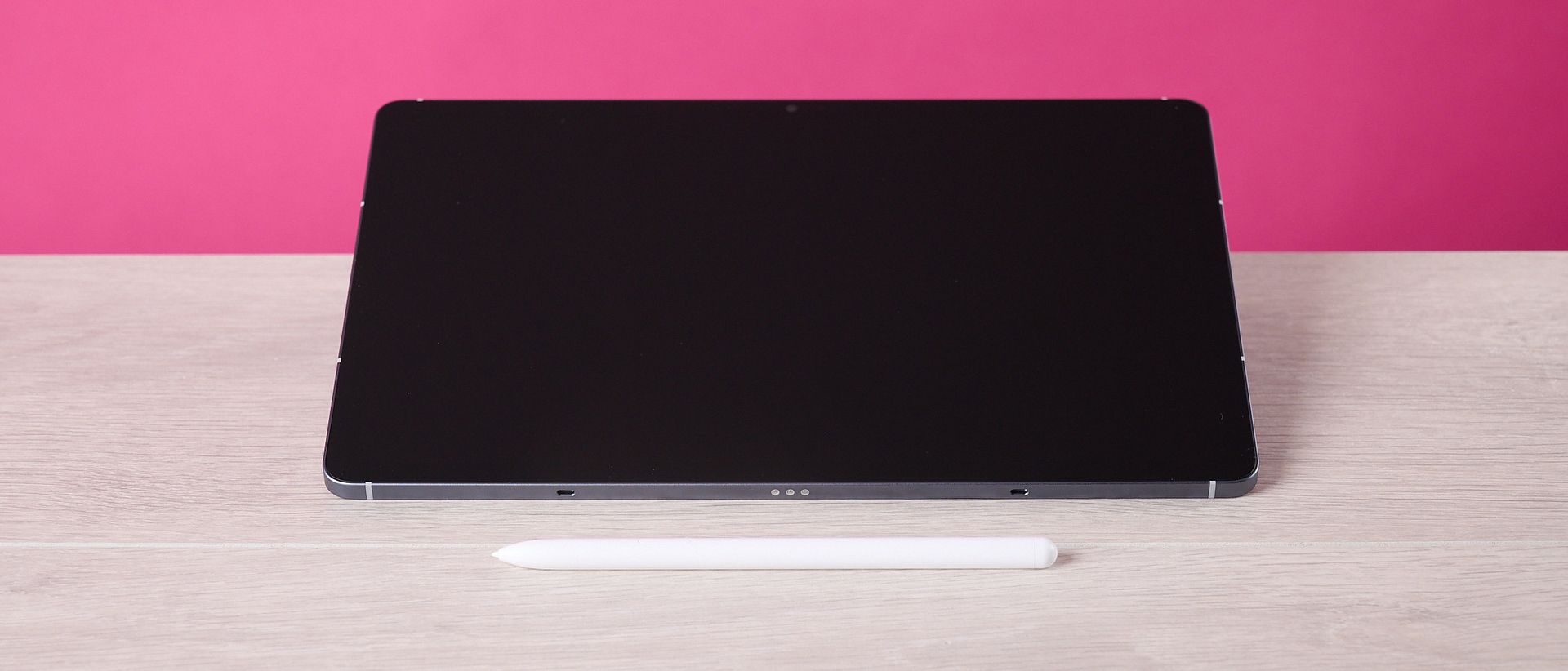
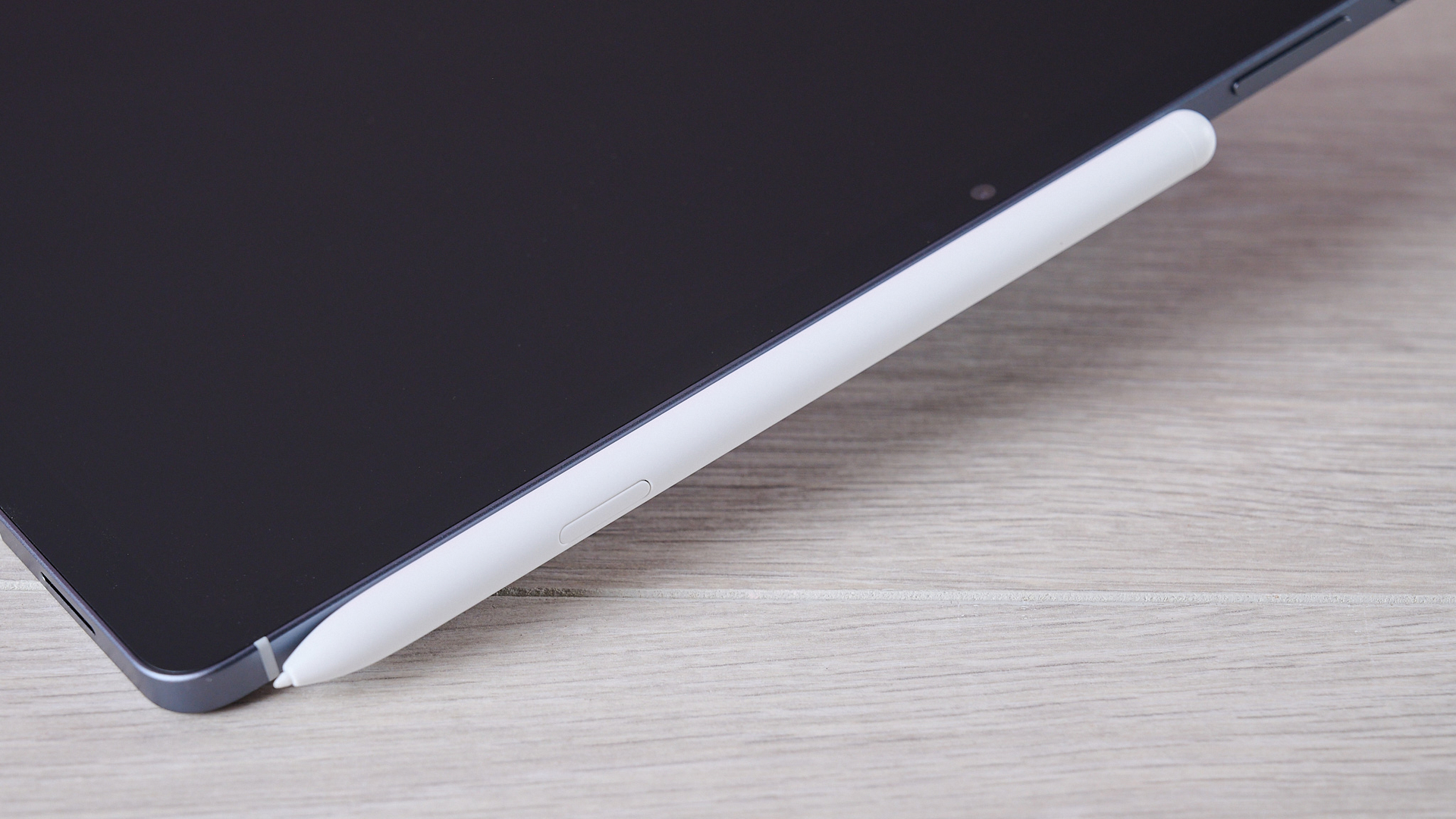
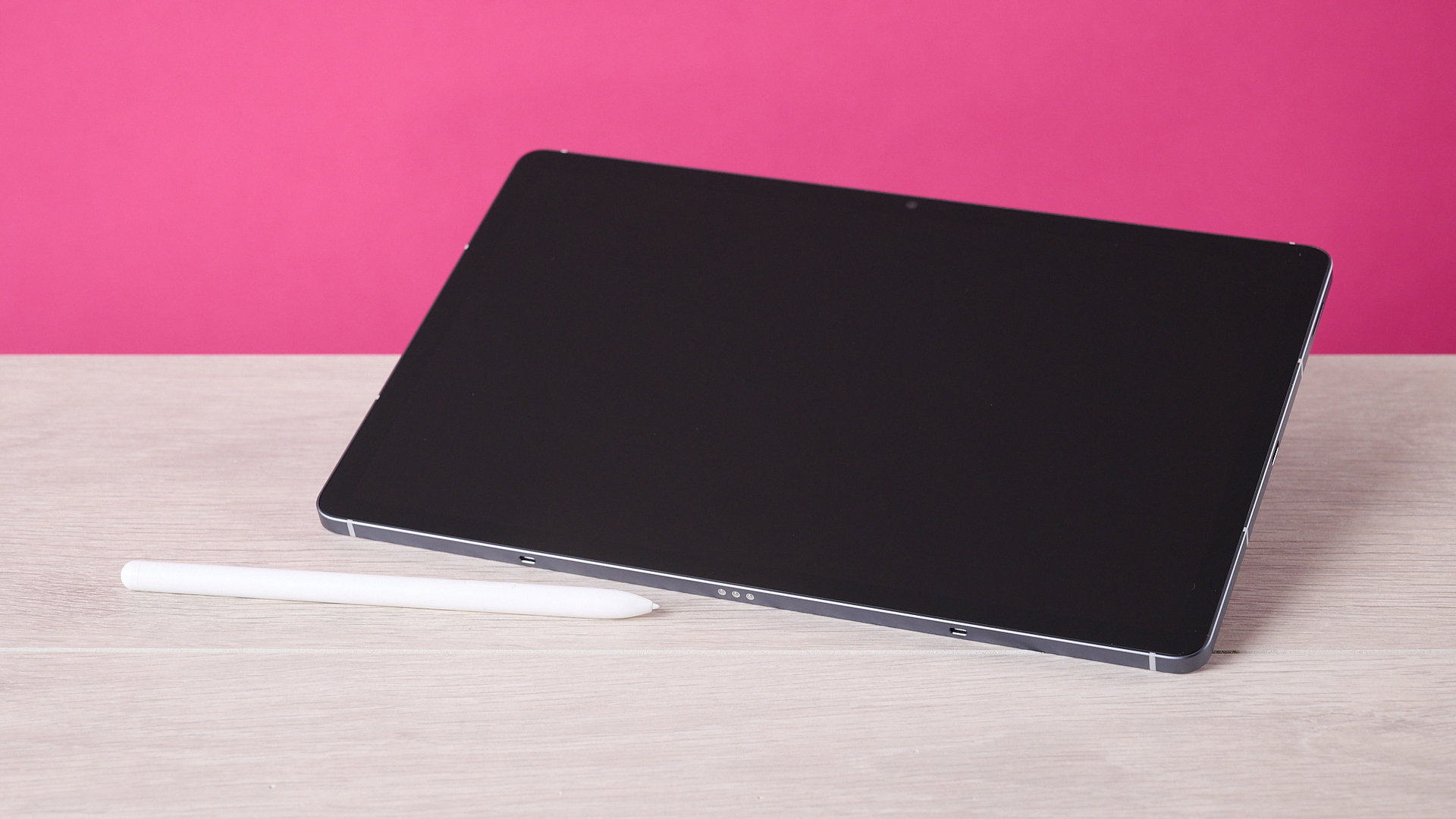
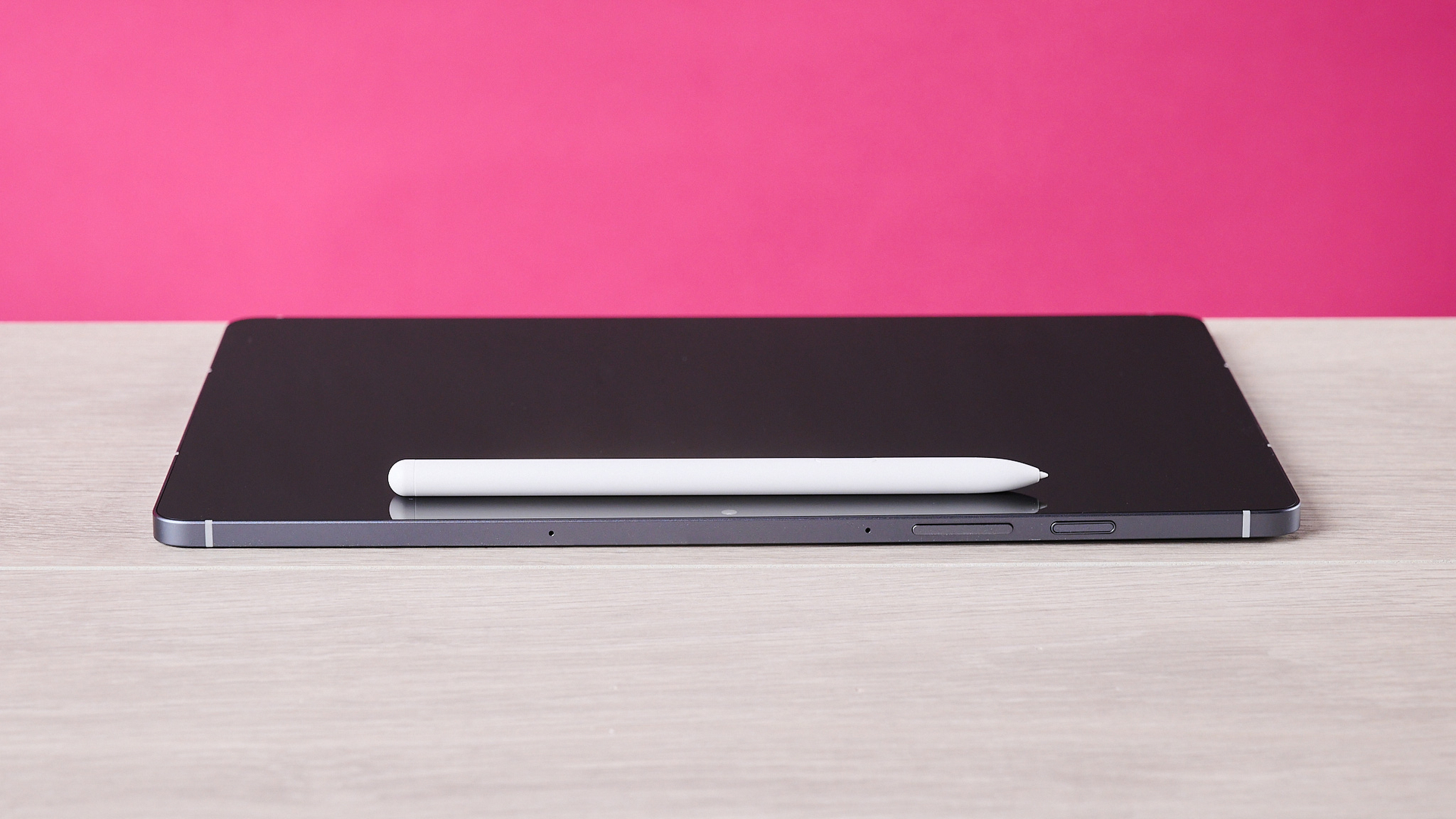
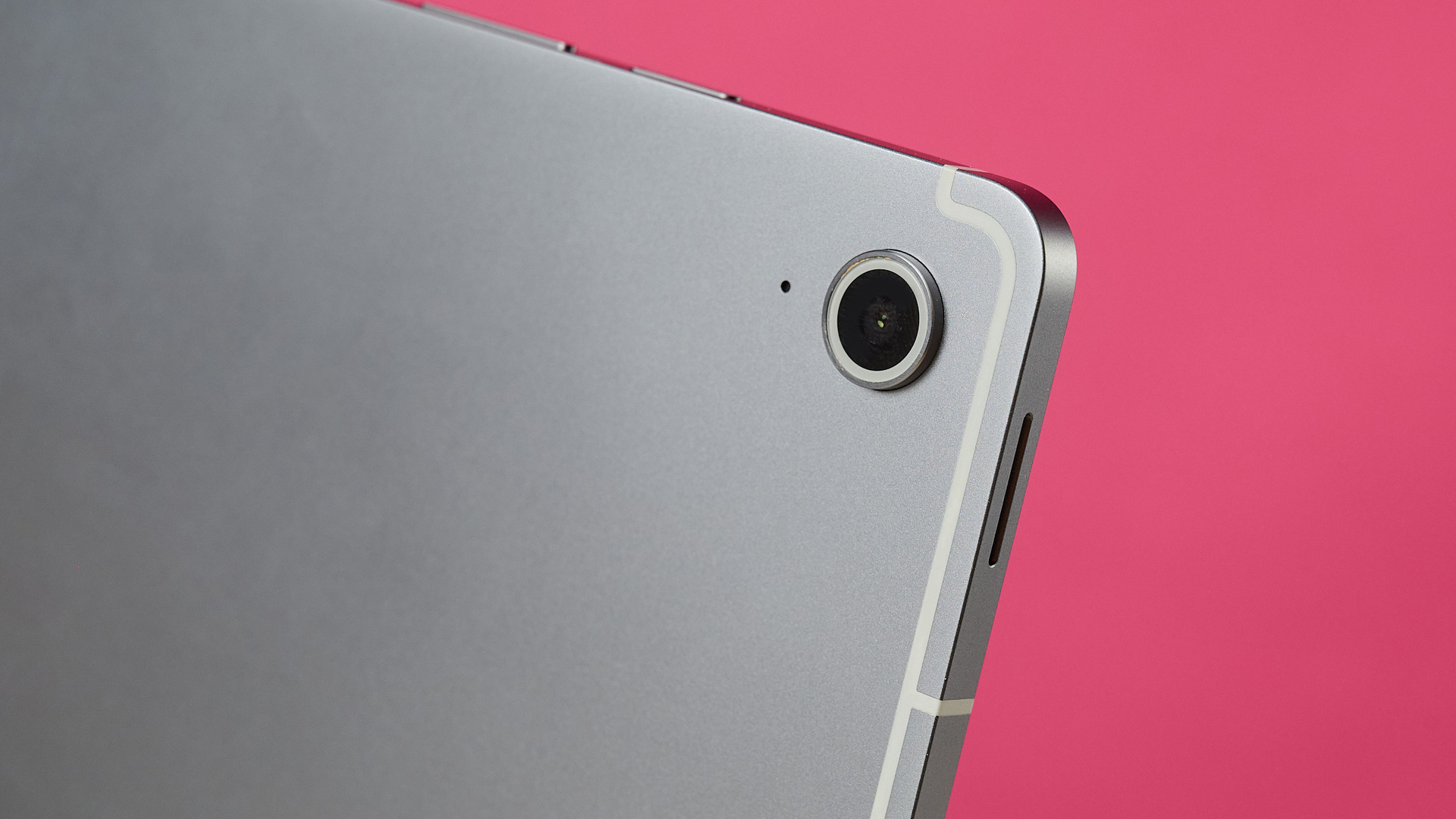
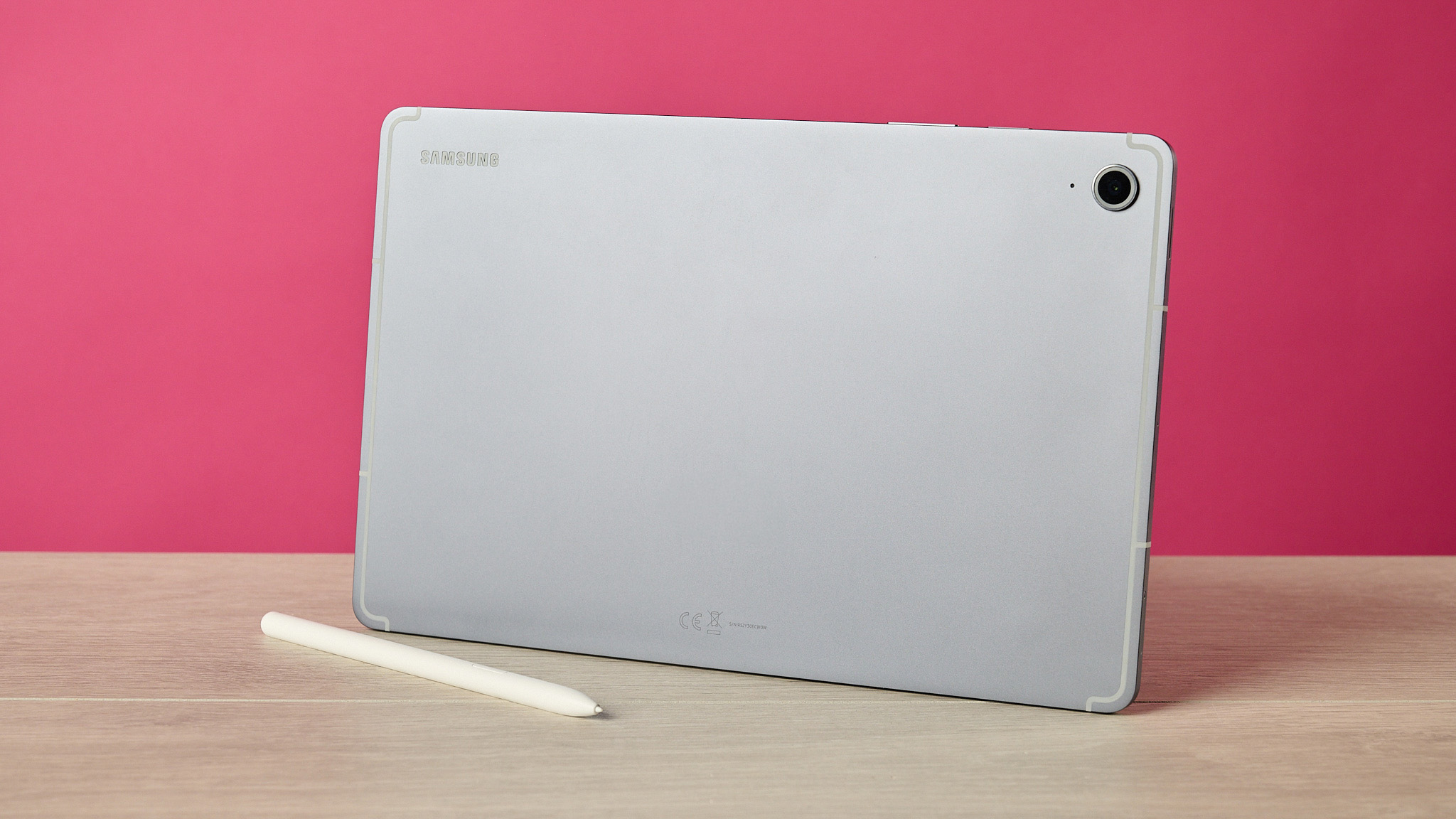
The Galaxy Tab S10 FE maintains Samsung’s signature industrial design language, characterized by a svelte 6mm profile and a weight of approximately 500 grams. Constructed with a satin-finished metal chassis and flat, un-beveled edges, the device provides a tactile, premium feel that belies its mid-range pricing. While the color palette remains conservative—offering Silver, Blue, and Gray—the focus of the design is clearly on utility and longevity.
One of the most significant technical achievements of the Tab S10 FE is its IP68 rating for dust and water resistance. While common in smartphones, this level of protection is a rarity in the tablet market, particularly among mid-tier devices. The rating signifies that the tablet can withstand immersion in over one meter of water for up to 30 minutes, making it a viable tool for field professionals, students, or families who require a device capable of surviving accidental spills or exposure to the elements. This durability factor provides a distinct competitive advantage over the Apple iPad Air, which lacks a formal IP rating.
Display Performance and Visual Fidelity
Equipped with a 10.9-inch IPS LCD panel, the Galaxy Tab S10 FE delivers a resolution of 2304 x 1440 pixels at a 90Hz refresh rate. Although it lacks the self-emissive pixels of the OLED displays found on Samsung’s flagship "Plus" and "Ultra" models, the screen achieves impressive color accuracy and contrast. Technical analysis shows a pixel density of approximately 249 ppi, which, while slightly lower than the iPad Air’s 264 ppi, remains sharp enough for high-definition media consumption and detailed productivity work.
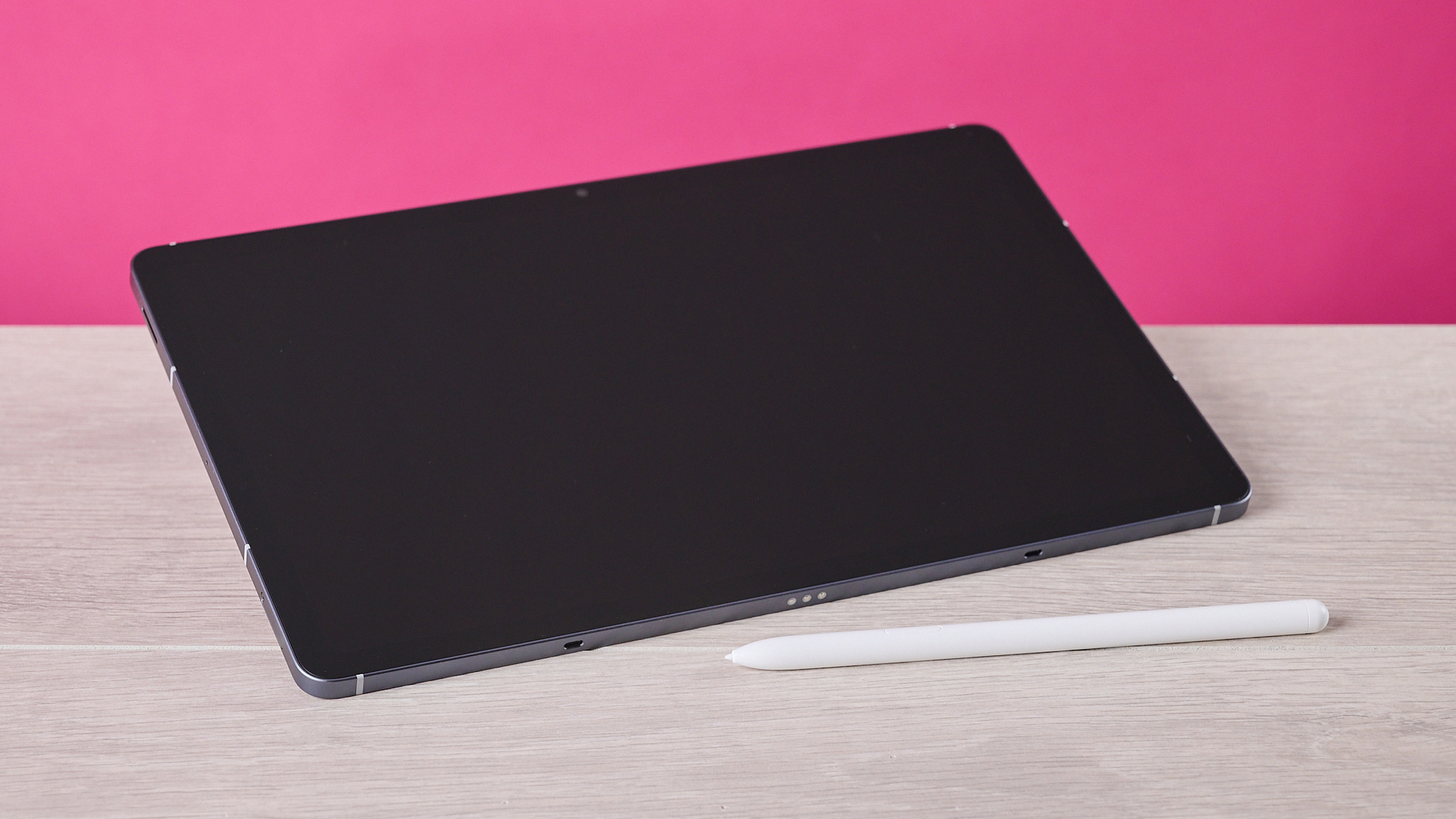
The display’s brightness peaks at 600 nits under standard conditions, with a High Brightness Mode (HBM) that can reach 800 nits in direct sunlight. However, the screen’s reflective nature can pose challenges in environments with harsh overhead lighting. In terms of color reproduction, the panel leans toward a cooler white balance, though it excels in delivering vibrant reds and deep blues, making it an excellent canvas for artists using the included S Pen.
Internal Specifications and Performance Analysis
Under the hood, the Tab S10 FE is powered by the Samsung Exynos 1580 chipset. This octa-core processor is designed for efficiency and reliable mid-range performance, roughly equivalent to the Qualcomm Snapdragon 7 series. The device is available in two primary configurations: a base model with 8GB of RAM and 128GB of storage, and a higher-tier version featuring 12GB of RAM and 256GB of storage. Both models support microSD expansion up to 2TB, a feature increasingly absent from modern mobile devices.
In benchmarks and real-world testing, the Exynos 1580 handles productivity tasks with ease. Samsung’s One UI 8.5 allows for seamless multi-window multitasking, enabling users to stream video, browse the web, and take notes simultaneously without significant thermal throttling or lag. However, the device’s gaming performance reveals its mid-market limitations. While titles like Call of Duty: Mobile run stably at high settings, more demanding "open-world" games such as Genshin Impact require lower graphical presets to maintain a consistent frame rate. Additionally, the slim chassis can become noticeably warm during extended high-load sessions, suggesting that while the tablet is a productivity powerhouse, it is not a dedicated gaming machine.
Software Ecosystem and AI Integration
The software experience on the Tab S10 FE is defined by Samsung’s One UI 8.5, built on the Android 16 architecture. Samsung has committed to a long-term update cycle for the FE line, ensuring that the device remains secure and feature-rich for several years. The interface is optimized for large-screen use, featuring gesture controls and a taskbar that mimics a desktop environment.
A core component of the software value proposition is the inclusion of "Galaxy AI" features, developed in part through Samsung’s ongoing partnership with Google. Key tools include:
- Circle to Search: A context-aware feature that allows users to search for any on-screen item by circling it with the S Pen or a finger.
- Handwriting Help: An AI-driven tool that aligns and cleans up handwritten notes, translating "chicken scratch" into legible text.
- Solve Math: A function that recognizes handwritten equations and provides step-by-step solutions, positioning the tablet as a premier educational tool.
Despite these advancements, the software suite is not without controversy. The inclusion of "Face Effects"—which allow for the digital reshaping of jawlines and the modification of skin tones in photos—has drawn criticism from some tech ethicists. Furthermore, the presence of pre-installed third-party apps that require paid subscriptions to function has been noted as a minor drawback in an otherwise clean user interface.
Battery Life and Charging Efficiency
Battery endurance is perhaps the most impressive metric of the Galaxy Tab S10 FE. Despite carrying a modest 8,000mAh cell—smaller than the 10,000mAh+ batteries found in larger slates—the efficiency of the Exynos 1580 chipset allows for approximately 20 hours of continuous use. In standardized video playback tests, the tablet consistently outperforms more expensive competitors, making it an ideal companion for long-haul travel or full-day academic schedules.
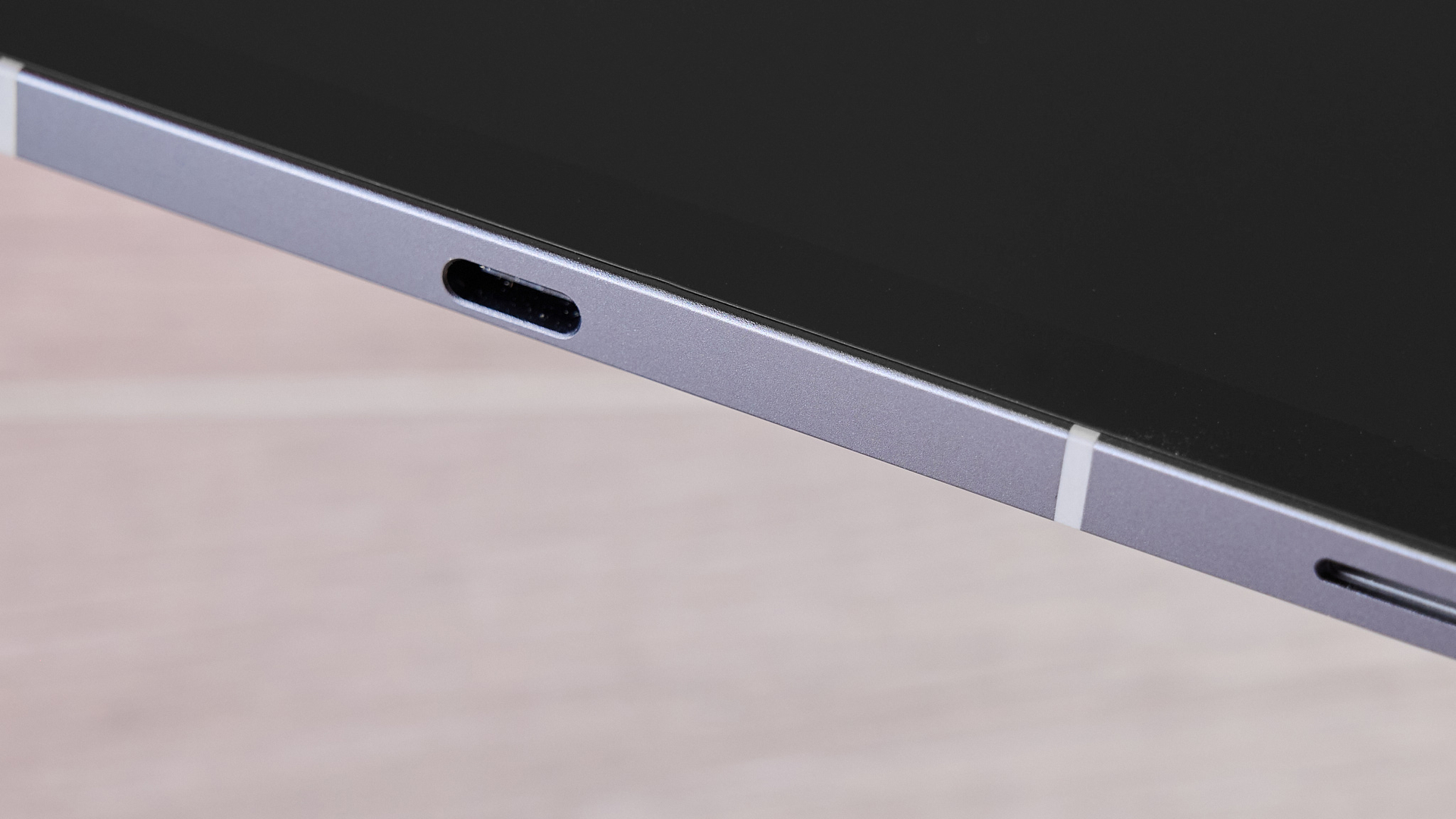
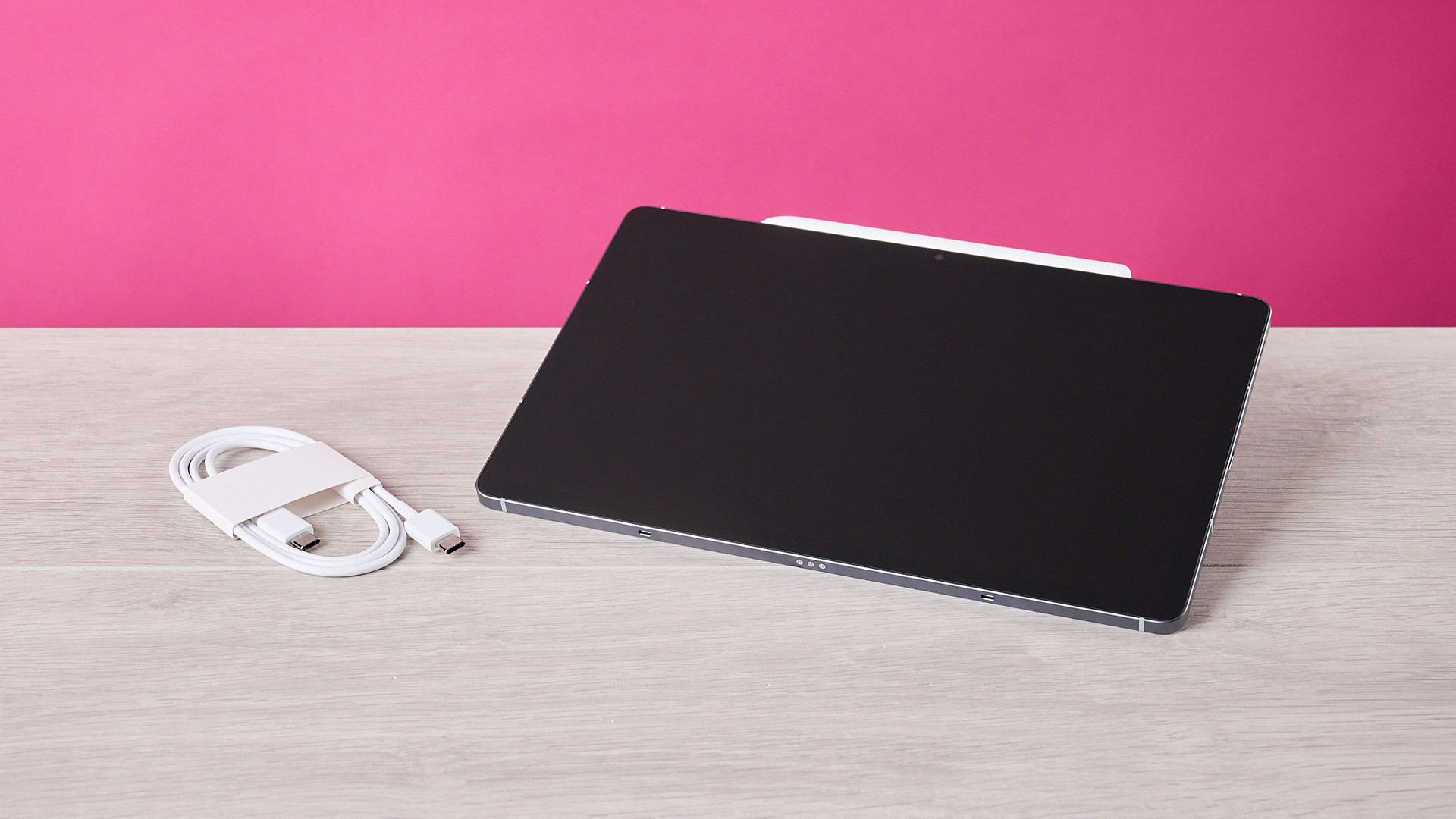
The device supports 45W wired fast charging via its USB-C 2.0 port. A full charge from 0% to 100% takes approximately 104 minutes. While this is significantly faster than the charging speeds found on many base-model iPads, it is worth noting that Samsung does not include a charging brick in the box, adhering to the company’s environmental sustainability initiatives.
Chronology and Market Positioning
The development of the Galaxy Tab S10 FE followed a strategic timeline aimed at capturing the "back-to-school" and mid-year corporate upgrade cycles:
- April 10, 2025: Official global launch of the Galaxy Tab S10 FE.
- August 2025: Rollout of the One UI 8.0 update, introducing enhanced AI productivity tools.
- January 2026: Integration of Android 16 and One UI 8.5, focusing on cross-device continuity with the Galaxy S26 series.
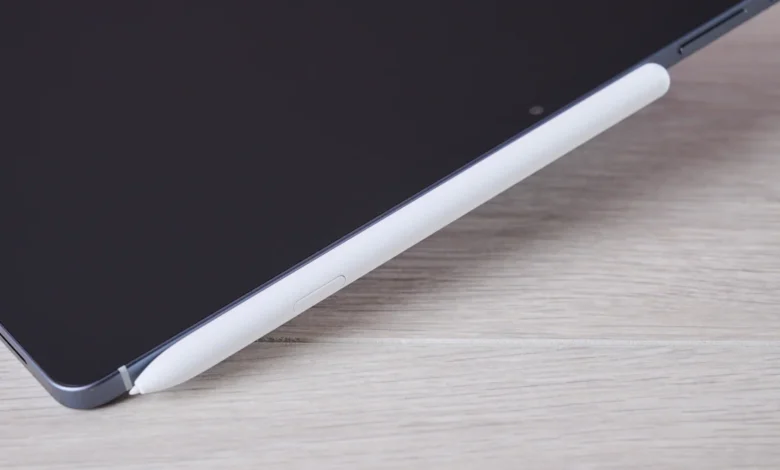
Samsung’s decision to include the S Pen in the box remains a pivotal marketing move. By bundling the stylus, Samsung avoids the "hidden costs" associated with the Apple Pencil, effectively lowering the barrier to entry for digital artists and note-takers.
Broader Impact and Implications for the Tablet Market
The continued success of the Tab S10 FE highlights a shift in consumer behavior. As flagship tablets push past the $1,000 threshold, the "prosumer" market is increasingly looking toward devices that offer 80% of the flagship experience for 50% of the cost. The Tab S10 FE’s combination of a premium build, water resistance, and long-term software support sets a high bar for other Android manufacturers like OnePlus and Honor.
Industry analysts suggest that the Tab S10 FE’s longevity is a testament to the maturation of mobile silicon. By utilizing a chipset that prioritizes thermal efficiency and battery life over raw peak power, Samsung has created a device that remains fast and reliable for the average user long after its initial release. This "longevity-first" approach is expected to influence future iterations of the FE line and the broader mid-range tablet sector.
Conclusion: A Balanced Investment
The Samsung Galaxy Tab S10 FE is not a device of extremes; it does not have the fastest processor, the brightest screen, or the most advanced camera system. Instead, it is a masterclass in balance. It offers a "flagship-lite" experience that excels in the areas that matter most to the majority of users: durability, battery life, and software utility.
For students requiring a reliable note-taking tool, professionals needing a secondary portable display, or casual users seeking a high-quality media device, the Tab S10 FE remains a superlative choice. As the tablet market continues to evolve, the S10 FE stands as a reminder that thoughtful integration of software and hardware often outweighs the pursuit of raw specifications. Even a year after its debut, it remains one of the most practical and value-driven slates available on the market today.