Black Friday 2026 Video Doorbell Deals Bring Record Low Prices to Smart Home Security

The consumer technology landscape has undergone a fascinating shift over the past several retail cycles. While inflation and supply chain pressures have driven the prices of flagship smartphones, high-end computing gear, and premium televisions steadily upward, the smart home security sector has moved firmly in the opposite direction. What was once considered a luxury tier of home improvements—characterized by high equipment costs, proprietary ecosystems, and mandatory recurring subscription fees—has transformed into an accessible, mass-market consumer category. During the ongoing Black Friday 2026 sales event, this trend has accelerated dramatically, with major industry players slashing prices by more than 50% across popular video doorbell lineups.
Major manufacturers including Ring, Arlo, Blink, Eufy, and Tapo have rolled out aggressive promotional pricing, pushing entry-level hardware costs below the $40 threshold for multiple devices. For consumers looking to upgrade their home monitoring capabilities without incurring significant expenses, the timing of these holiday discounts offers an opportune window. However, navigating the modern video doorbell market requires a careful examination of hardware specifications, resolution standards, and, crucially, the long-term software ecosystem costs that often accompany these smart home devices.
The Evolution of Smart Home Affordability
To understand the current retail environment of Black Friday 2026, one must examine the broader trajectory of Internet of Things (IoT) hardware over the last decade. When video doorbells first emerged as mainstream consumer products around the mid-2010s, early adopters faced a steep financial barrier to entry. Devices frequently cost upwards of $200 to $250, and basic functionalities such as cloud storage, person detection, and continuous recording were routinely locked behind monthly paywalls.
Over the years, increased component manufacturing efficiency, broader consumer adoption, and intense competition among rival tech conglomerates have commoditized baseline features. Today, specifications that were once reserved for premium models—such as 2K high-definition video recording, advanced night vision, wide-angle lenses, and two-way audio communication—come standard on hardware that costs a fraction of early-generation prices.
This pricing compression has intensified significantly during the 2026 holiday shopping season. Retail analysts tracking the smart home category note that aggressive discounting is no longer limited to older, discontinued inventory. Instead, current-generation hardware equipped with modern AI-driven motion detection and crisp optical sensors is receiving deep promotional cuts, driving demand to record levels across major online and brick-and-mortar storefronts.
Navigating the Ecosystem: The Hidden Cost of Cloud Storage
While hardware discounts dominate the conversation during seasonal sales events, industry analysts and consumer advocates consistently emphasize a critical factor that buyers often overlook: long-term operational costs. A video doorbell is fundamentally tied to an underlying software ecosystem, and the method by which footage is saved can dramatically impact the total cost of ownership over the device’s lifespan.
Historically, dominant market players relied on a cloud-first business model. In this setup, the physical doorbell hardware is sold at or near cost, while the manufacturer generates steady, recurring revenue by charging a monthly subscription fee to store, review, and download video clips. Over a three-to-five-year period—the typical lifespan of a home security gadget—subscription fees can easily surpass the initial purchase price of the hardware itself.
In response to consumer pushback, the market has seen a surge in demand for hardware that supports local storage solutions. Devices equipped with built-in memory, expandable microSD card slots, or compatibility with local Network Attached Storage (NAS) and Home Assistant hubs have gained substantial market share. By keeping video recordings on a physical drive inside the home rather than a remote server farm, users can completely bypass recurring subscription models.
During the Black Friday 2026 sales cycle, this distinction has become a primary selling point for discerning shoppers. While ultra-cheap devices priced under $40 often rely on cloud subscriptions to unlock their full suite of features, select alternatives offer robust local storage capabilities, representing superior long-term value for households weary of subscription fatigue.
Spotlight on Notable Black Friday Hardware Options
The current retail landscape features several standout products that illustrate the diverse approaches manufacturers are taking to capture market share.
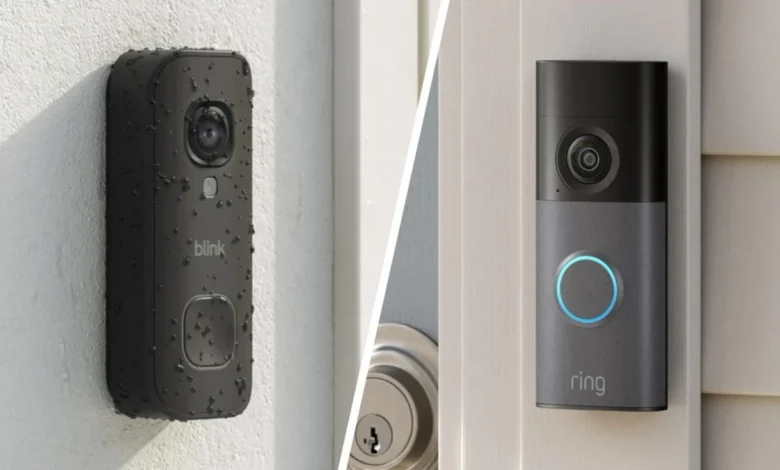
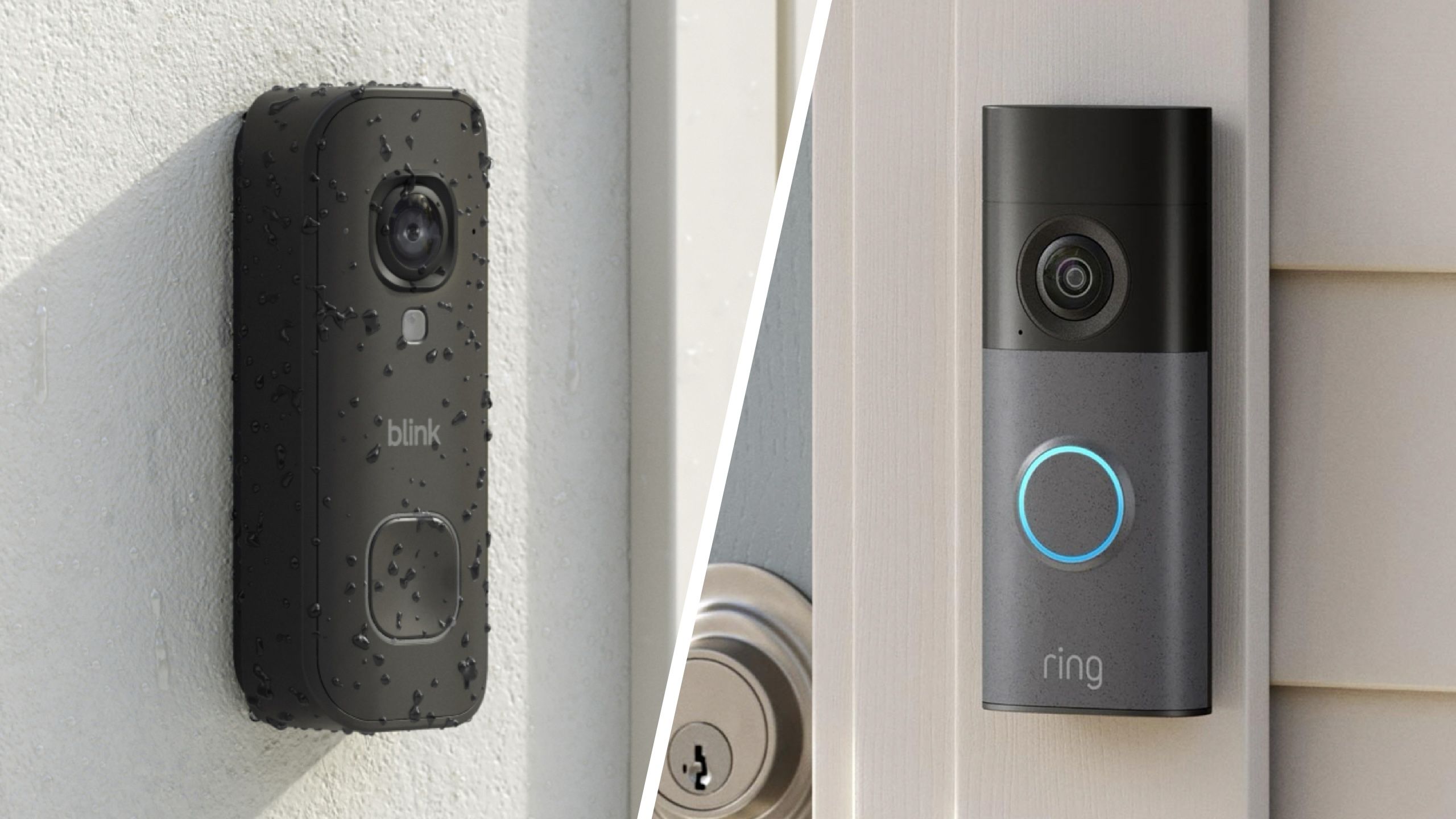
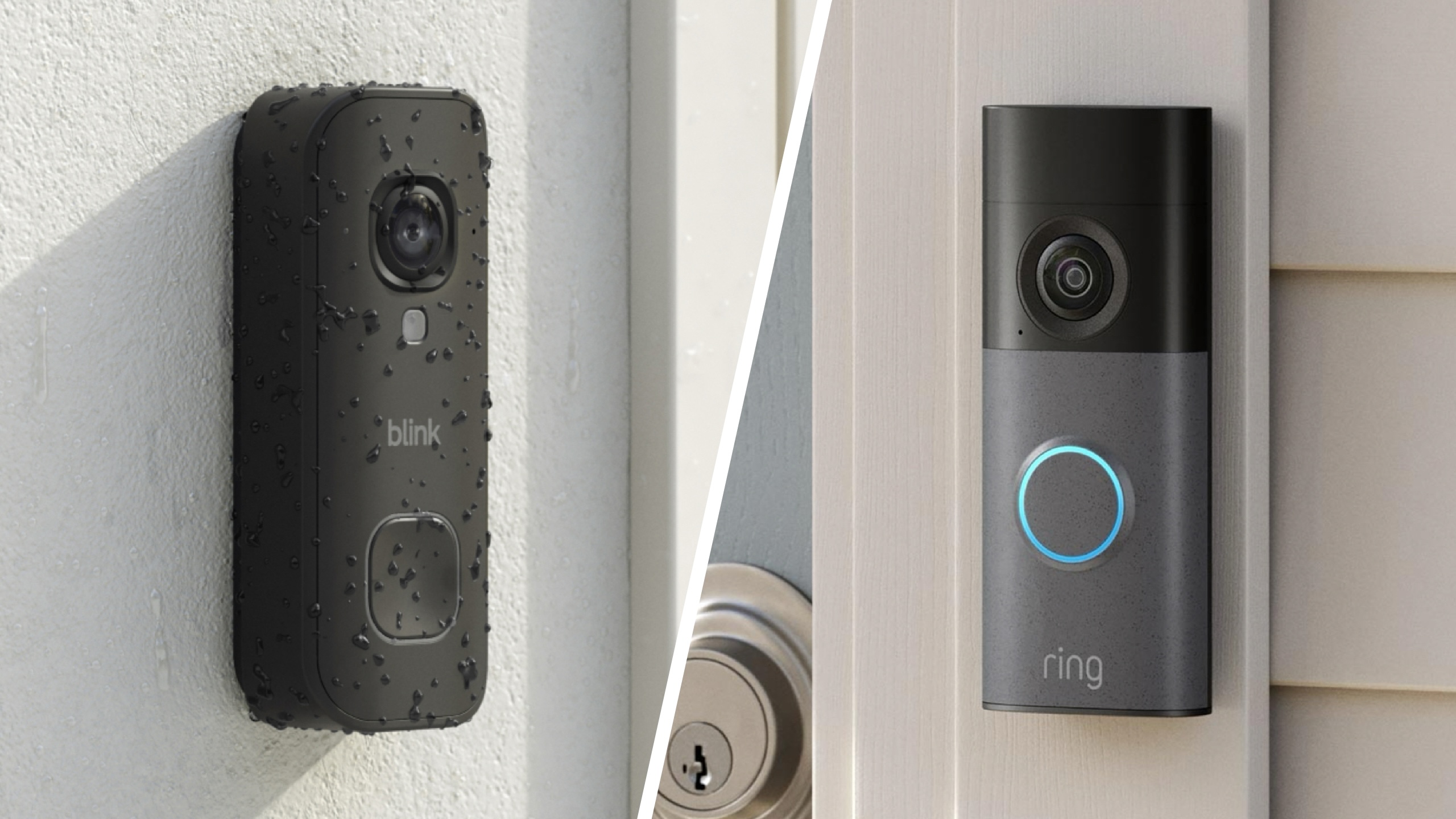
At the budget-friendly end of the spectrum, brands owned by retail giants and specialized smart home developers have dropped prices to historic lows. Basic wireless and wired units from Blink and Ring are currently trading at deep discounts, making them attractive options for renters or homeowners seeking a straightforward, plug-and-play security solution. These devices excel at quick installation and seamless integration with broader smart assistant ecosystems, though buyers must factor in the ongoing cost of cloud plans if they wish to retain historical event recordings.
For shoppers prioritizing independence from monthly fees, models like the Tapo D205 have emerged as compelling alternatives. Retailing at approximately $38 during the promotional window, the Tapo D205 bridges the gap between low-cost acquisition and local data ownership, offering high-definition monitoring without locking footage behind a paywall.
Meanwhile, at the higher end of the promotional spectrum, advanced configurations such as the Eufy E340 cater to consumers with specific logistical needs—most notably, households that receive frequent e-commerce deliveries. The E340’s dual-camera architecture is specifically engineered to monitor both visitors approaching the entryway and packages left directly on the doorstep, addressing a common blind spot in traditional single-lens doorbells. While commanding a higher price tag than baseline models, these feature-rich units are also seeing substantial promotional price cuts, making advanced porch pirate deterrence more accessible than in previous quarters.
Industry Implications and Market Trends
The aggressive discounting observed in the smart home security sector during late 2026 reflects a broader maturity within the consumer electronics industry. Manufacturers are shifting their strategic focus from high-margin hardware sales to ecosystem lock-in and service diversification. By lowering the entry barrier to nearly negligible levels, companies can rapidly expand their user base, subsequently cross-selling supplementary security products such as floodlight cameras, indoor monitoring hubs, and smart locks.
For the average consumer, this competitive pressure creates a highly favorable buying environment, provided they perform due diligence before making a purchase. Security and privacy experts advise prospective buyers to evaluate several key criteria beyond the sticker price:
- Power Source Compatibility: Determining whether an existing mechanical doorbell chime wiring can supply continuous power, or if the household requires a battery-operated, rechargeable unit.
- Storage Architecture: Assessing whether the device requires a paid cloud subscription to review historical footage, or if local storage options (such as microSD cards or home base stations) are natively supported.
- Ecosystem Integration: Ensuring compatibility with existing smart home platforms, whether that involves Amazon Alexa, Google Home, Apple HomeKit, or independent automation software.
- Data Encryption and Privacy Standards: Reviewing how video feeds are encrypted during transmission and storage to protect domestic privacy against unauthorized access.
As Black Friday 2026 progresses toward the year-end holiday shopping rush, inventory levels for these deeply discounted smart home devices are expected to fluctuate rapidly. Retail analysts suggest that while additional flash sales may appear closer to the winter holidays, the current wave of 50% discounts represents the primary promotional push of the fourth quarter.
Ultimately, the transformation of video doorbells from luxury status symbols into ubiquitous utility items underscores a positive shift in consumer technology. Home security is no longer gated by prohibitive costs; instead, robust entry-level monitoring is now accessible to virtually any household willing to navigate the nuances of modern smart home ecosystems.
Related posts: