So long, and thanks for all the insights: Stacey Higginbotham Bids Farewell to Daily IoT Coverage After Two Decades of Tech Journalism

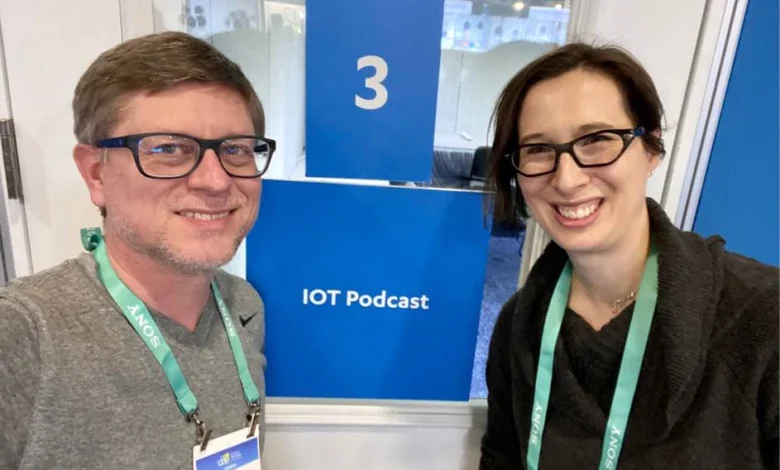
After more than twenty years on the front lines of technology journalism, prominent Internet of Things (IoT) analyst, podcaster, and newsletter author Stacey Higginbotham has published her final weekly dispatch, signaling a major transition in the independent tech media landscape. Higginbotham released her final subscription newsletter on Friday, August 18, 2023, officially bringing a close to an influential chapter of dedicated IoT reporting that began when she struck out on her own in 2016. While the regular cadence of her weekly newsletter and podcast is coming to an end, Higginbotham has indicated that she will continue to maintain a digital presence through platforms like Bluesky, while transitioning into a new professional phase focused on cybersecurity, privacy consulting, and consumer advocacy.
The departure marks the conclusion of a specialized independent publishing model that proved resilient in a media environment increasingly dominated by large corporate conglomerates. Higginbotham’s decision to step back highlights the growing pressures faced by independent creators covering rapidly expanding technological sectors, as well as the personal toll exacted by decades of relentless, daily news cycles.
Main Facts of the Transition
Higginbotham’s announcement details the immediate cessation of her weekly IoT newsletter and the corresponding weekly podcast, both of which established themselves as industry staples for developers, executives, and enthusiasts tracking the proliferation of connected devices. The August 18 publication served as a retrospective of her independent publishing journey and an expression of gratitude to the readership and corporate sponsors who sustained the enterprise.
Despite stepping away from the daily rhythms of journalism, Higginbotham is not completely disconnecting from the technology sphere. She has accepted a consulting role with the Consumer Reports Innovation Lab, where she will direct her expertise toward pressing issues surrounding the cybersecurity and privacy vulnerabilities inherent in connected hardware. Additionally, she has left the door open for sporadic commentary, noting that she may occasionally publish standalone newsletters or freelance articles when significant topics demand attention.
Chronology and Background of an Independent Voice
Higginbotham’s career as an independent analyst was preceded by a distinguished tenure within mainstream technology journalism. Most notably, she served as a senior editor at Fortune, where she covered the evolving intersection of computing, enterprise technology, and consumer electronics. In 2016, amid widespread skepticism from industry peers who questioned the viability of leaving a prestigious, established publication to launch an unproven solo venture, she founded her independent media brand.
The timing coincided with the nascence of the modern smart home and the broader Internet of Things movement. When Higginbotham began aggressively covering the smart home ecosystem in 2012, connected consumer goods were largely viewed as novelties. By 2016, however, computing was rapidly being embedded into everyday physical objects, raising complex questions regarding data privacy, user autonomy, and corporate surveillance. Over the next seven years, her newsletter and podcast evolved into vital resources for examining these exact phenomena, tracking the lifecycle of countless startups, protocols, and regulatory shifts.
Supporting Data and the Evolution of the IoT Landscape
The expansion of the Internet of Things over the past decade has been staggering, accompanied by profound structural shifts in the global technology market. According to industry estimates from firms such as IoT Analytics, the number of global connected IoT devices grew from approximately 6 billion in 2015 to well over 15 billion active connections by 2023. This exponential growth transformed industries ranging from industrial manufacturing and healthcare to municipal infrastructure and residential utilities.
However, this rapid proliferation has been shadowed by mounting systemic challenges—themes that Higginbotham frequently analyzed. The commercial realities of the IoT sector quickly evolved from upfront hardware sales into recurring subscription models and aggressive data monetization strategies. Consumers and enterprises alike found themselves managing increasingly complex digital ecosystems characterized by fragmented security standards, proprietary software lock-ins, and recurring privacy concerns.
Furthermore, enterprise adoption of IoT introduced severe workplace oversight issues. Connected sensors and monitoring tools deployed in logistics, warehousing, and corporate offices have increasingly been utilized to track employee productivity in real time, often prioritizing short-term operational efficiency over labor welfare. Concurrently, while corporate commitments to environmental, social, and governance (ESG) metrics have spurred investments in smart grid optimization and carbon-reduction technologies, critics frequently argue that such initiatives occasionally mask systemic unsustainable practices through corporate greenwashing.
Burnout and the Toll of Continuous Tech Journalism
Higginbotham’s departure lays bare a broader conversation within the modern media ecosystem regarding burnout among specialized journalists. Covering a sector as dynamic and fast-paced as technology requires an unrelenting commitment to monitoring daily product announcements, regulatory battles, venture capital funding rounds, and software vulnerabilities.
In her farewell address, Higginbotham articulated a sentiment shared by many veteran technology reporters: an underlying cynicism born from witnessing the cyclical repetition of unfulfilled promises by startups and research entities. After two decades spent prioritizing immediate news cycles over long-term structural critique, the cumulative weight of analyzing an industry increasingly driven by aggressive monetization and data extraction began to outweigh her enthusiasm. By stepping back from the daily grind, she aims to regain the critical distance necessary to evaluate human ingenuity and technological innovation with renewed perspective.
Official Responses and Industry Reactions
Following the publication of her final newsletter, peers, industry executives, and loyal subscribers flooded social media platforms to express their appreciation for her contributions to the field. While formal corporate statements from major tech entities were absent—fitting for an independent analyst who maintained strict journalistic independence—the reaction from the broader tech community underscored her reputation for rigorous, consumer-centric reporting.
Industry analysts noted that the exit of independent, highly specialized commentators leaves a significant void in the tech media ecosystem. Publications like Fortune, TechCrunch, and specialized trade outlets often rely on independent voices to provide deep, unvarnished critiques of emerging technologies that corporate-sponsored media may gloss over.
Broader Impact and Future Implications
Higginbotham’s transition to the Consumer Reports Innovation Lab signals a pragmatic alignment with consumer advocacy. As smart devices become ubiquitous, the regulatory and technical hurdles surrounding user privacy have grown exponentially. Connected refrigerators, thermostats, medical devices, and automobiles routinely collect vast telemetry data, often without transparent consent mechanisms or robust encryption standards.
Her upcoming work in cybersecurity and privacy will directly address these systemic vulnerabilities. By collaborating with Consumer Reports—an organization renowned for independent product testing and advocacy—Higginbotham will shift her focus from documenting the macro-trends of the IoT industry to actively engineering solutions that protect everyday users from exploitation.
Ultimately, the conclusion of her weekly newsletter closes a defining chapter in independent technology journalism. It serves as a reminder of the vital role played by specialized analysts in holding the technology sector accountable, while also highlighting the personal toll exacted by the digital age upon those who chronicle its daily evolution. As Higginbotham embarks on her next chapter, her legacy remains embedded in the collective awareness of how computing physically reshapes our daily lives.