Three terrifying horror films to stream on Netflix after watching Obsession

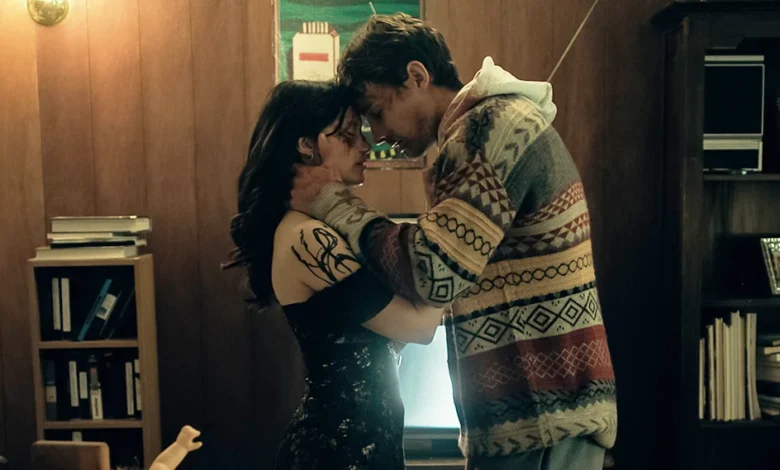
The arrival of the psychological horror film Obsession on Netflix this week has reignited audience interest in high-tension, claustrophobic storytelling. As viewers gravitate toward the platform’s library of suspense-driven cinema, the film—anchored by a visceral, unsettling performance from Inde Navarrette—has become a focal point for fans of the genre. Following its digital release, search trends and viewership data suggest a significant uptick in audience demand for psychological thrillers that prioritize atmospheric dread and thematic complexity over conventional jump scares.
For those who have completed their viewing of Obsession and are seeking similar cinematic experiences, the landscape of Netflix’s current catalog offers several sophisticated alternatives. The following analysis examines three distinct films—Hush, His House, and Oculus—that mirror the intense, character-driven tension found in recent horror releases. These selections reflect the evolution of modern horror, where directors increasingly utilize isolated settings and psychological trauma to explore the boundaries of fear.
The Evolution of Modern Claustrophobic Horror
Contemporary horror has shifted away from the slasher-heavy tropes of the 1980s and 1990s, moving toward "contained" narratives. In this sub-genre, the physical space is as much an antagonist as any human or supernatural threat. This evolution has been heavily influenced by the rise of streaming-exclusive content, which allows for more experimental storytelling.
Data from the horror streaming sector indicates that films with a "rotten" to "fresh" ratio on aggregate review sites like Rotten Tomatoes show a higher propensity for long-term engagement when they feature strong, internal conflict. Movies that rely on the protagonist’s mental stability, such as those directed by Mike Flanagan, have become benchmarks for the genre. Flanagan, who has emerged as a preeminent figure in television and film horror, frequently employs a "slow-burn" technique that aligns with the pacing observed in the latest hit, Obsession.
Hush: A Masterclass in Minimalist Tension
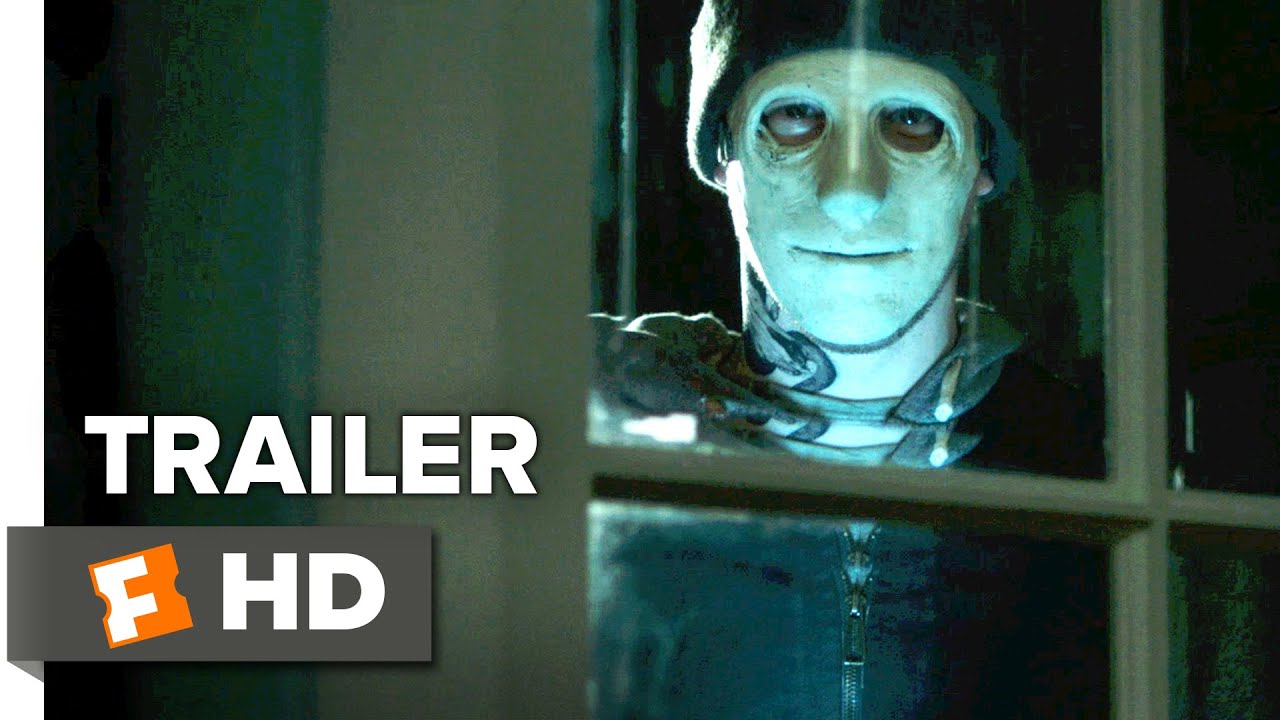
Released in 2016, Hush remains a definitive example of how limited dialogue and isolated environments can amplify narrative tension. Directed by Mike Flanagan, the film stars Kate Siegel as Maddie, a deaf and mute writer living in the remote wilderness. The narrative follows a home invasion, but with a critical twist: the protagonist’s inability to hear her assailant creates a unique tactical disadvantage that forces the audience to engage with her sensory perspective.

From a structural standpoint, Hush operates on a lean, efficient timeline. The conflict is established within the first fifteen minutes, and the stakes are clearly defined: survival through ingenuity rather than combat prowess. Unlike standard "final girl" archetypes, Maddie is depicted as a pragmatic problem-solver. This shift in character agency has been cited by film critics as a key factor in the movie’s enduring popularity. For viewers emerging from the high-octane anxiety of Obsession, Hush offers a similarly grounded, yet arguably more intense, experience of survival.
His House: A Socially Conscious Supernatural Thriller
In 2020, director Remi Weekes delivered His House, a film that seamlessly blends social commentary with traditional haunted house mechanics. The plot centers on Bol and Rial, a refugee couple from South Sudan who are granted asylum in the United Kingdom. Their struggle to assimilate into a cold, indifferent bureaucratic system is exacerbated by a supernatural presence in their new home.
The film is notable for its perfect 100% critical approval rating on Rotten Tomatoes, an achievement rarely seen in the horror genre. Beyond its scares, the film functions as a searing critique of the refugee experience. The "ghosts" in the story are not merely spectral entities; they serve as manifestations of the trauma and guilt associated with the characters’ journey from a war-torn country.
The inclusion of actors such as Wunmi Mosaku and Sope Dirisu adds a layer of gravitas that elevates the material. For audiences interested in how trauma manifests in a domestic space, His House provides a more profound, emotionally resonant narrative than standard horror fair. It challenges the viewer to distinguish between the threat of deportation and the threat of the paranormal, effectively blurring the lines between psychological breakdown and supernatural intervention.
Oculus: Deconstructing the Haunted Object Trope
Oculus, released in 2013 and also directed by Mike Flanagan, represents a pivotal moment in the director’s filmography. The film centers on the Lasser Glass, an antique mirror that possesses the power to warp reality and incite violence among its owners. The story is presented through a bifurcated timeline, shifting between the childhood trauma of siblings Kaylie and Tim Russell and their adult efforts to destroy the object.
The strength of Oculus lies in its unreliable narrator structure. As the mirror influences the protagonists’ perceptions, the audience is forced to question the validity of the events unfolding on screen. Is the mirror truly haunted, or are the characters experiencing a collective psychotic break? This ambiguity is central to the film’s success.

Karen Gillan’s performance as the obsessed sister, Kaylie, provides the necessary emotional anchor for the film’s increasingly chaotic narrative. The, at times, dizzying shift between the past and the present serves as a mechanism for building dread. For those who found the psychological manipulation in Obsession compelling, Oculus offers a more complex, puzzle-like experience that rewards multiple viewings and close attention to detail.
Industry Implications and Audience Engagement
The sustained success of these films on Netflix highlights a broader trend in the entertainment industry: the "binge-watching" phenomenon of specific sub-genres. As platforms like Netflix continue to invest in original horror content, they are effectively building digital libraries that cater to niche audiences who prefer psychological stakes over traditional "slasher" violence.
Market analysis shows that horror remains one of the most cost-effective genres for production companies, consistently yielding high returns on investment while maintaining a dedicated, vocal fanbase. The "domino effect" of a new, popular release like Obsession often leads to a resurgence in older titles, providing platforms with a low-cost method to boost engagement metrics without producing new content.

Furthermore, the rise of independent horror directors like Mike Flanagan, whose work features consistently across the aforementioned recommendations, suggests a move toward auteur-driven horror. This model favors stylistic consistency and thematic depth, which has arguably led to the current "Golden Age" of the genre.
Conclusion: Navigating the Horror Landscape
Choosing what to watch after a high-tension experience requires an understanding of what made the previous film successful. If the draw was the isolation and the battle of wits, Hush is the logical next step. If the viewer appreciated the intersection of personal trauma and supernatural horror, His House stands as the superior choice. Finally, for those who enjoyed the mind-bending reality-warping and mystery aspects of a film, the intricate timelines and psychological puzzles of Oculus are recommended.
As Netflix continues to expand its library, the availability of such critically acclaimed films ensures that the genre remains vital and evolving. The ability for viewers to draw lines between these disparate films—connecting the isolation of a remote house in the woods to the metaphorical haunting of an immigrant family—is a testament to the sophistication of contemporary horror audiences. These three selections not only satisfy the immediate need for suspense but also offer a deeper look at the diverse ways filmmakers translate the human experience of fear onto the screen.