MKBHD ordered a Tesla Cybercab two years after betting his hair Tesla could not sell one

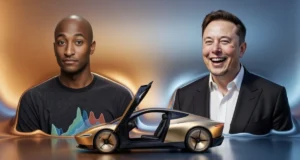
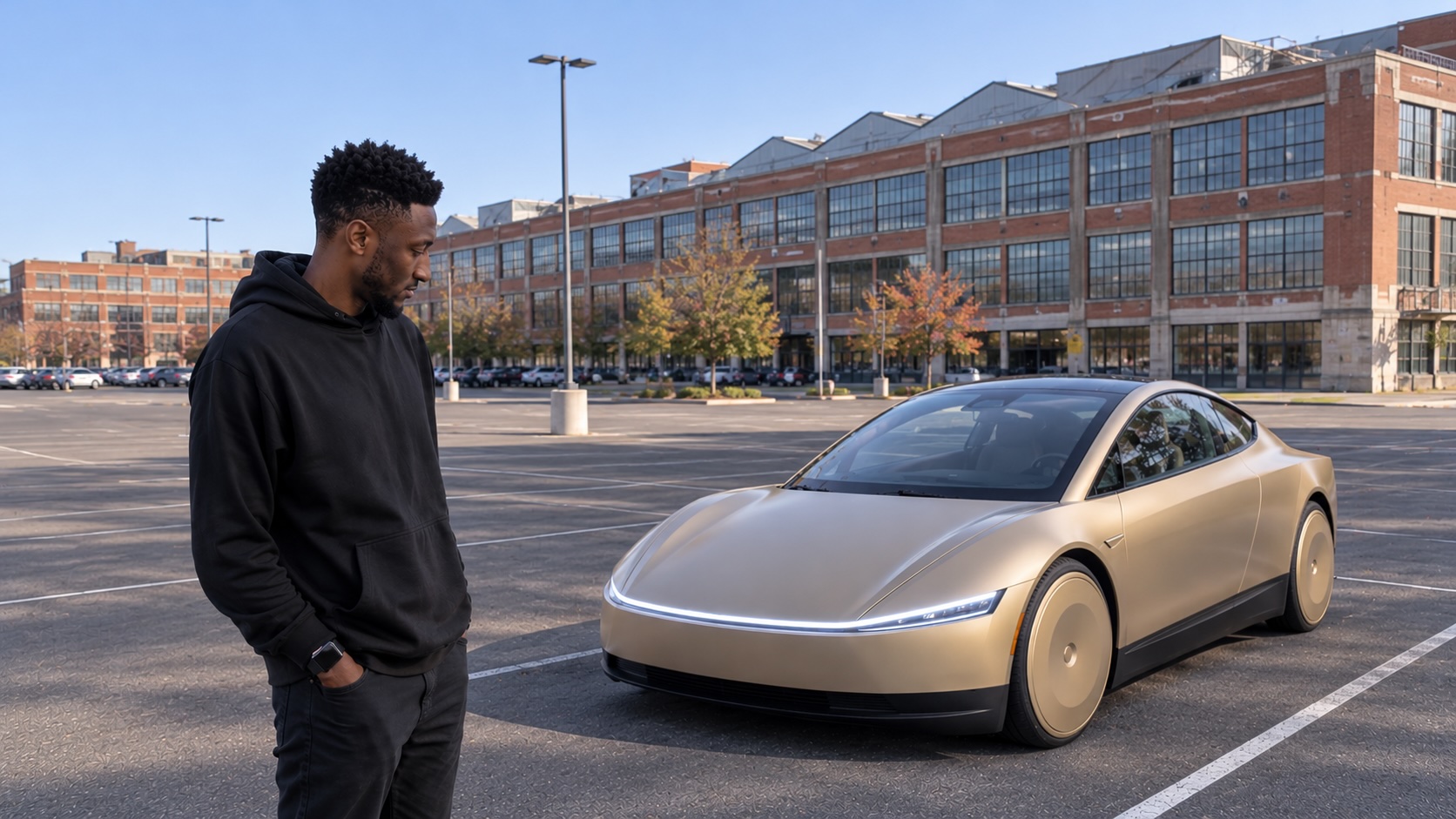
The long-standing public wager between tech reviewer Marques Brownlee, known to millions as MKBHD, and Tesla CEO Elon Musk reached a critical inflection point on November 15, 2026. After two years of skepticism regarding Tesla’s ambitious timelines for its autonomous taxi platform, Brownlee confirmed he had successfully placed an order for the Tesla Cybercab. This development arrives just weeks before the end of the year, bringing a high-profile, lighthearted conflict over corporate promises and engineering realities to a potential conclusion.
The Origins of the Bet
The tension originated during Tesla’s "We, Robot" event in October 2024. During the unveiling, Elon Musk presented the Cybercab, a futuristic, two-seat vehicle devoid of steering wheels or pedals, intended to function exclusively as an autonomous robotaxi. At the time, Musk projected that production would begin "before 2027" and that the vehicle would be available to consumers for under $30,000.
Shortly after the presentation, Brownlee released a technical critique titled "The Tesla Robotaxi is Confusing." In the video, he characterized the proposed timeline as typical "notorious Elon stuff," expressing deep doubt that the hardware could be manufactured, approved, and delivered to the public at the stated price point within the specified window. To emphasize his skepticism, Brownlee issued a high-stakes promise: if Tesla succeeded in delivering a vehicle matching those specifications to the general public for under $30,000 before 2027, he would shave his head on camera.
The challenge remained a recurring topic in the tech community throughout 2025 and 2026. In February 2026, as the first production units rolled off the assembly line at Giga Texas, Musk affirmed on the social media platform X that the company would indeed sell the vehicle for under $30,000 to customers before 2027. Brownlee refined the terms of the bet in September 2026, clarifying that he was looking for a "golden robotaxi" that functioned as a driverless, pedal-less, steering-wheel-less vehicle accessible to regular consumers.
Current Status of the Cybercab Order
As of mid-November 2026, Tesla has opened an invite-only order page for the Cybercab. The vehicle is listed at a price of $29,990—exactly ten dollars below the threshold defined in the original bet. Deliveries are currently estimated to begin in December 2026.
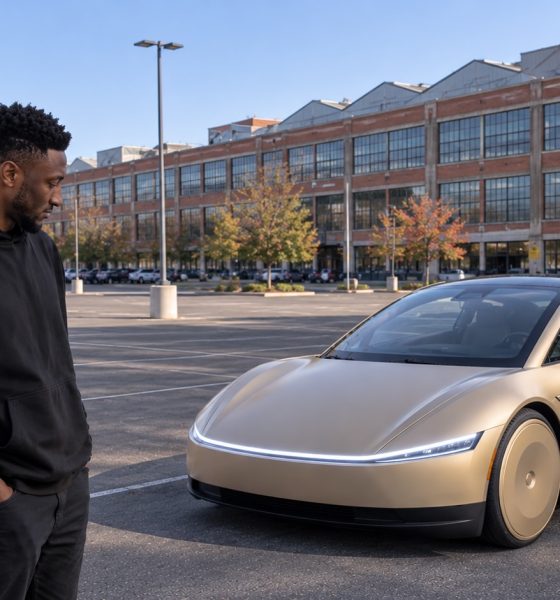
However, the acquisition process is subject to significant restrictions. Prospective buyers must provide a $1,000 non-refundable deposit and are currently limited to one vehicle per person. Furthermore, the operational logistics are strictly controlled: delivery is limited to select Texas metropolitan areas, including Austin, Dallas, Fort Worth, Houston, and San Antonio. To ensure the vehicle remains functional, owners are required to enroll in a monthly "Autonomy Subscription."
The Dispute Over Terms
Despite successfully placing an order, Brownlee has not conceded the bet, arguing that the current state of the program does not meet his original criteria for a "publicly available" consumer vehicle. In a series of statements, he outlined several reasons why he believes his hair remains safe:
- Lack of General Availability: The order process is currently invite-only, rather than a broad consumer release.
- Geofencing Constraints: The vehicle is effectively restricted to specific robotaxi service zones. Brownlee, who resides in New Jersey, noted that the car would be "a paperweight" if he were to attempt to bring it home, as it would not be permitted to operate outside of Tesla’s established geofenced areas.
- Delivery Milestones: While orders are confirmed, mass delivery to the general public has not yet occurred.
Brownlee has signaled that he is monitoring the situation closely as the clock runs down to December 31, 2026. Elon Musk has maintained his position, even engaging directly with Brownlee on social media. Musk acknowledged that the current monthly subscription fee for the vehicle is "too high" and suggested that it should align with the pricing of the company’s Full Self-Driving (FSD) and connectivity packages, which typically hover around $115 per month. In a pointed jab at Brownlee’s continued skepticism, Musk jokingly referred to the YouTuber as "a chicken" regarding the status of his hair.

Broader Implications for Tesla’s Autonomy Strategy
The Cybercab represents a pivot in Tesla’s business model, shifting from personal vehicle ownership to an "Autonomy as a Service" framework. The requirement for a monthly subscription to maintain vehicle functionality marks a departure from traditional automotive sales, where ownership implies full control over the asset.
This model is central to Tesla’s long-term goal of achieving a weekly launch cadence for its products and services. The integration of artificial intelligence, high-capacity batteries, and advanced robotics—much of which is being developed in collaboration with SpaceX—suggests that Tesla is positioning the Cybercab as an essential piece of a larger infrastructure puzzle. The success of this model depends heavily on regulatory approval, which remains the primary hurdle for national deployment.
Financial and Regulatory Context
From a financial perspective, the Cybercab is a critical component of Tesla’s efforts to maintain its market valuation amidst increasing competition. Analysts have noted that the success of the robotaxi platform could drastically alter the company’s recurring revenue streams. However, the regulatory environment is complex. Because the Cybercab lacks manual controls, it requires special exemptions from the National Highway Traffic Safety Administration (NHTSA) to operate on public roads.

The current "invite-only" phase suggests that Tesla is operating within a controlled testing environment, using these initial deliveries to gather real-world data and prove safety to regulators. This approach is intended to pave the way for a broader rollout in 2027, but it also provides ammunition for critics who argue that the company is missing its broader public-access deadlines.
The Intersection of SpaceX and Tesla
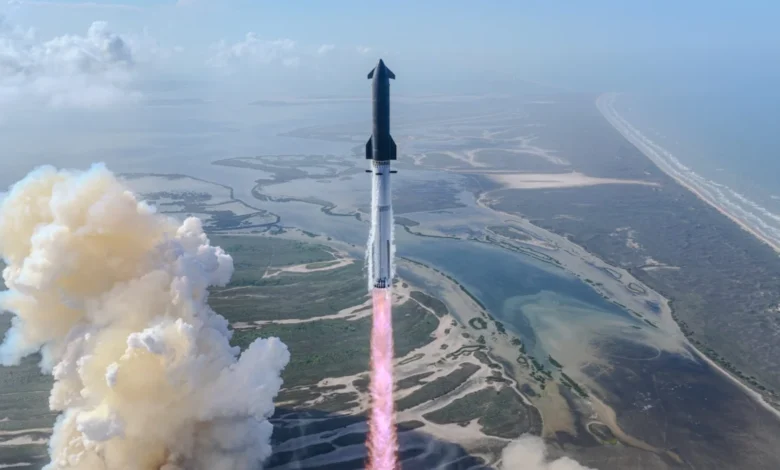
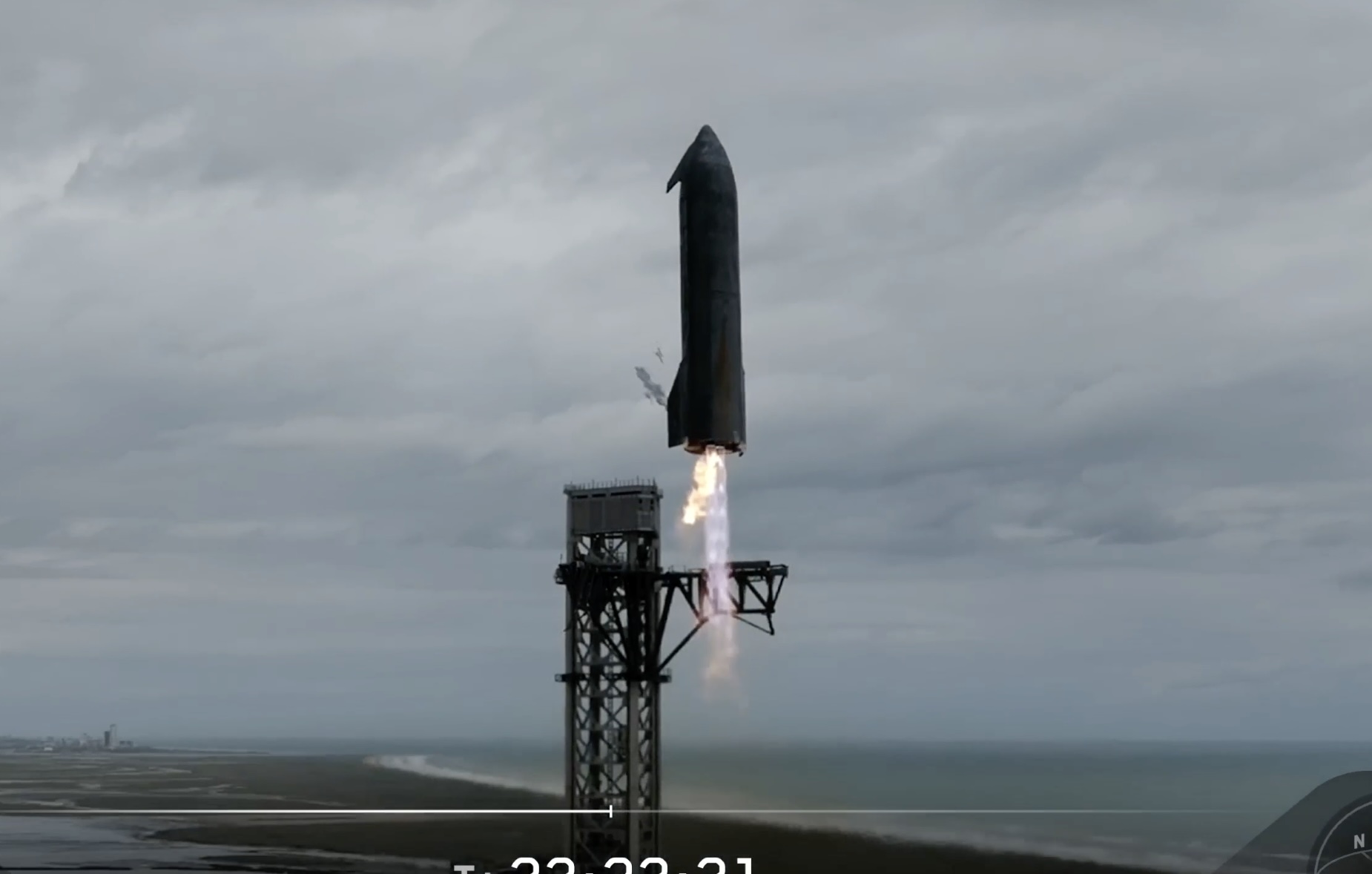
The development of the Cybercab does not exist in a vacuum. Recent reports of potential merger talks between Tesla and SpaceX—two companies currently sharing research, manufacturing sites like the Terafab semiconductor plant, and even engineering hardware—highlight a growing overlap in technology. The Tesla Roadster, which features SpaceX-derived cold gas thrusters, is a public example of this synergy.
As these two entities move closer to a possible combination, the technological resources available to the Cybercab program are expected to grow. The ability to leverage SpaceX’s expertise in orbital mechanics, materials science, and rapid iteration could be the deciding factor in whether Tesla can scale its autonomous fleet to the levels Musk has promised.
Conclusion
The "hair bet" between Marques Brownlee and Elon Musk has become a shorthand for the broader skepticism surrounding the pace of autonomous technology. Whether the bet is technically won or lost depends on the interpretation of "regular people" and "available." However, the underlying question—whether Tesla can translate its engineering prowess into a mass-market, autonomous reality—is one that affects the entire automotive and tech industry.
As December 31 approaches, the focus shifts from the lighthearted nature of a social media challenge to the concrete reality of supply chain logistics, software updates, and the complex process of securing federal permits for driverless vehicles. For Brownlee, the stakes remain high; for Tesla, the success of the Cybercab will be measured not by the outcome of a bet, but by its ability to deliver on a vision that, only two years ago, many deemed impossible.