The 2026 US Open Men’s Singles Final: Alexander Zverev and Ben Shelton Battle for Grand Slam Glory in New York

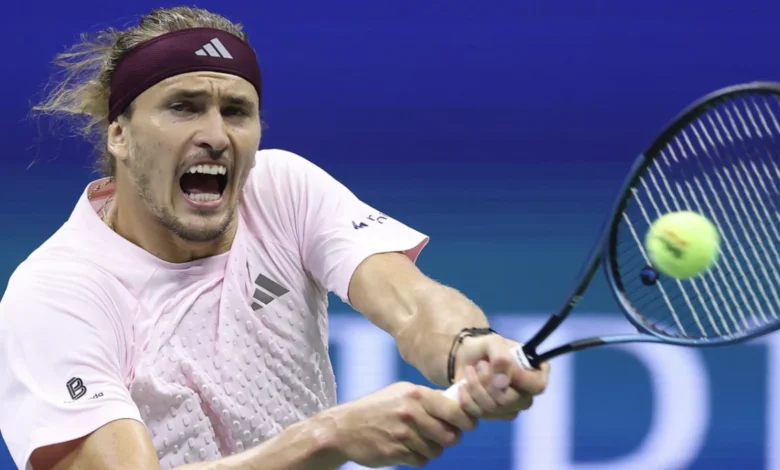
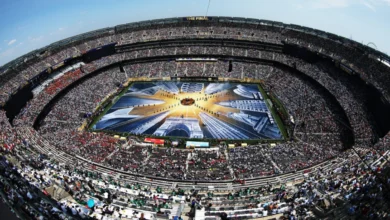
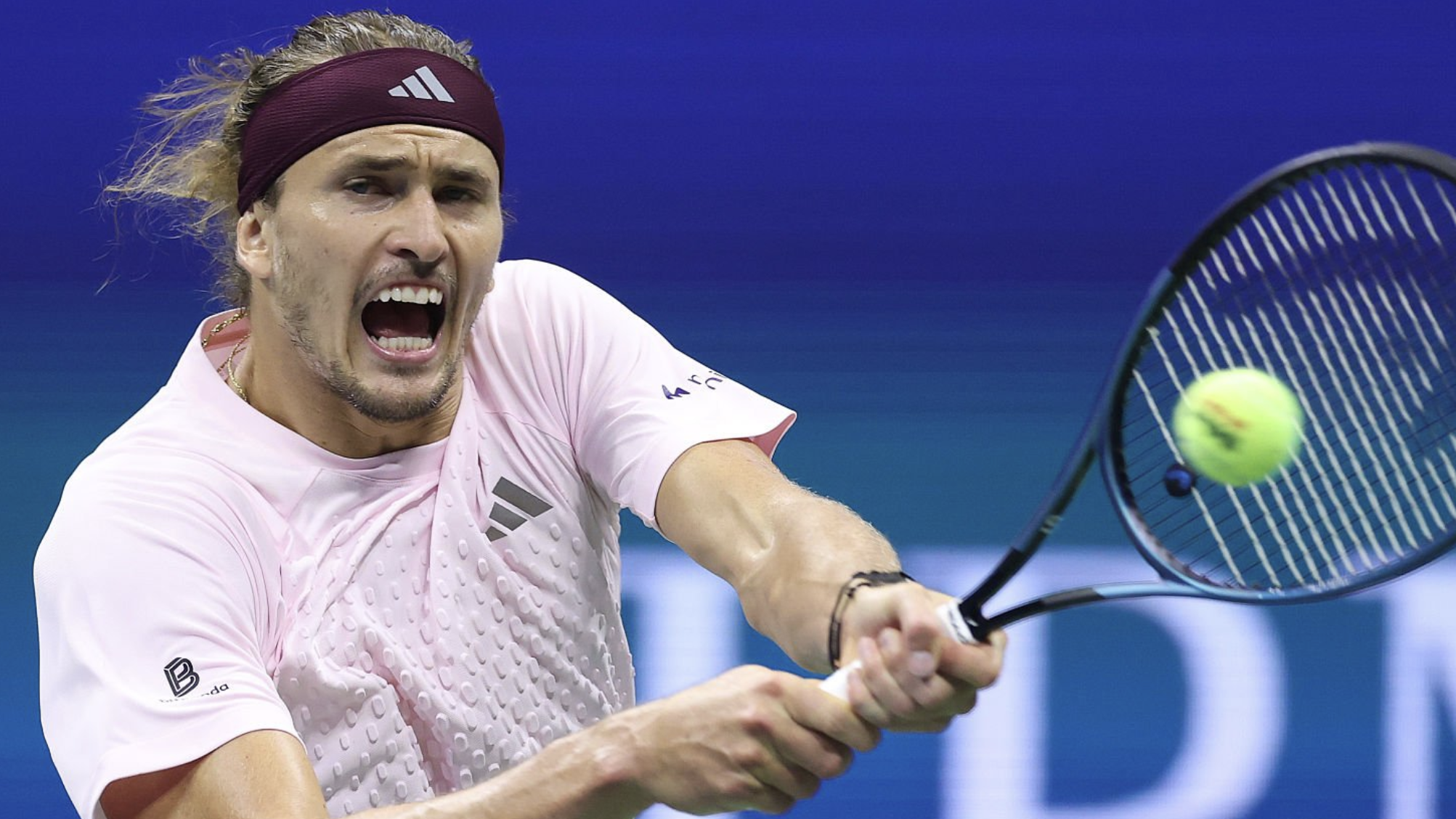
The atmosphere at Arthur Ashe Stadium reached a fever pitch on Sunday, September 13, 2026, as the tennis world turned its gaze to Flushing Meadows for the conclusion of the year’s final Grand Slam. The championship match featured a compelling contrast in both experience and national expectation: the seasoned world number one, Alexander Zverev of Germany, against the rising American sensation, 23-year-old Ben Shelton. With 23,000 spectators creating a wall of sound, the match promised to be a defining moment in the modern history of the sport, as both men sought to cement their legacies on the hard courts of New York.
The Path to the Final
Alexander Zverev entered the 2026 US Open as the clear tournament favorite, riding the momentum of a career-best season. Having secured his maiden Grand Slam title at the French Open earlier in the year, the 29-year-old German demonstrated a level of consistency that had previously eluded him. Despite a challenging loss to Jannik Sinner in the Wimbledon final, Zverev arrived in New York with a tactical maturity and physical resilience that underscored his world-number-one ranking.
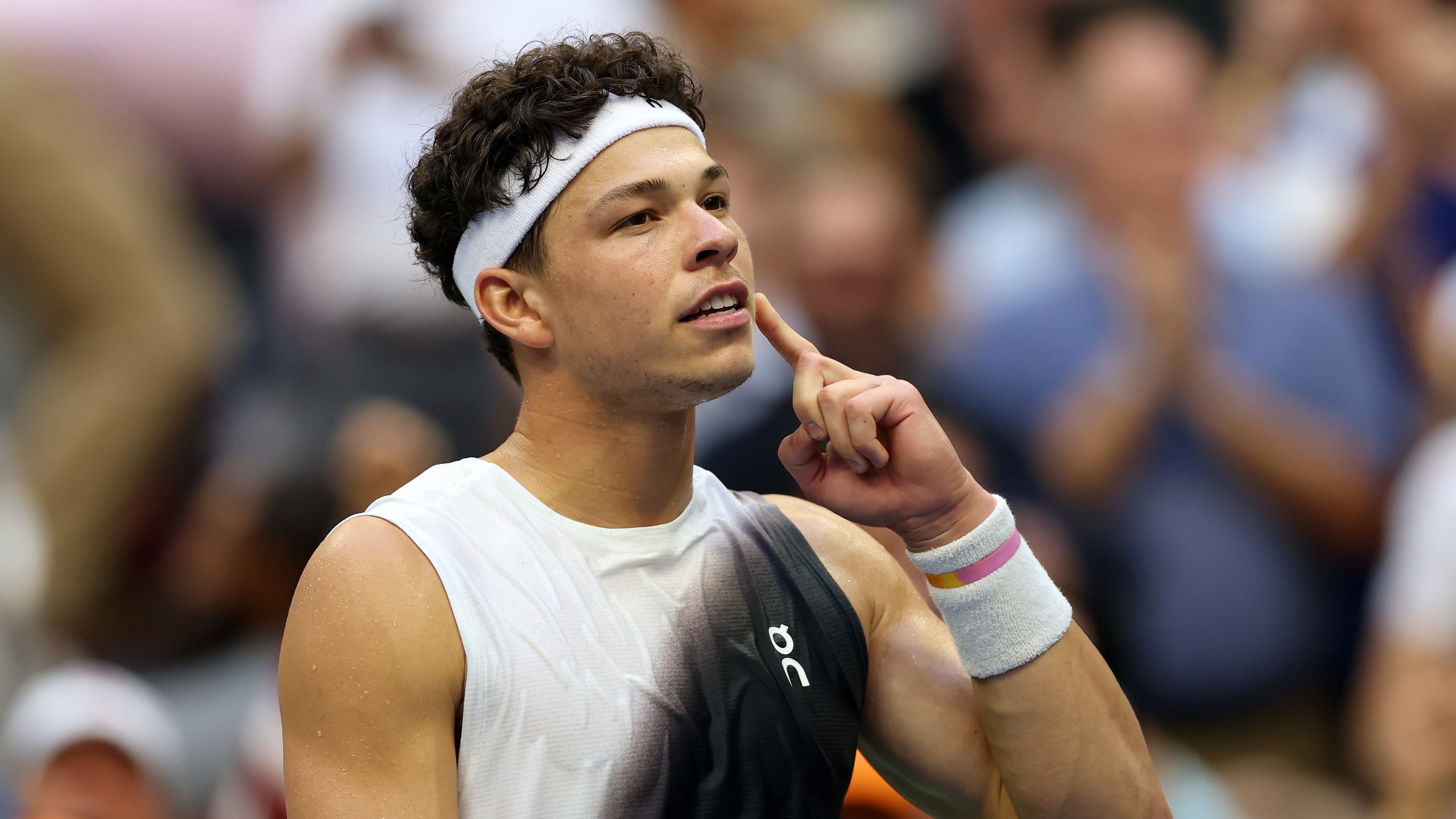
Conversely, Ben Shelton’s ascent to his first major final was marked by grit and the support of a fervent home crowd. His tournament was defined by high-stakes encounters, most notably a grueling, five-set tiebreaker victory against Carlos Alcaraz in the semifinals. For American fans, the occasion carried significant weight; not since Andy Roddick in 2003 has an American man lifted the US Open trophy. The absence of traditional titans like Novak Djokovic—who exited the tournament in the opening round—and the fluctuating form of other top-tier stars, opened a pathway for a new generation to stake their claim.
A Chronology of the Championship Match
The match began with a palpable tension. Shelton, having won the coin toss, elected to serve, but immediately faced resistance from the precise groundstrokes of the German. The first set served as a microcosm of the entire tournament for Zverev: clinical, focused, and occasionally prone to gamesmanship. The German broke Shelton’s serve early, and despite a display of power from the young American, Zverev capitalized on Shelton’s nerves, forcing a critical double fault that allowed him to clinch the opening set.
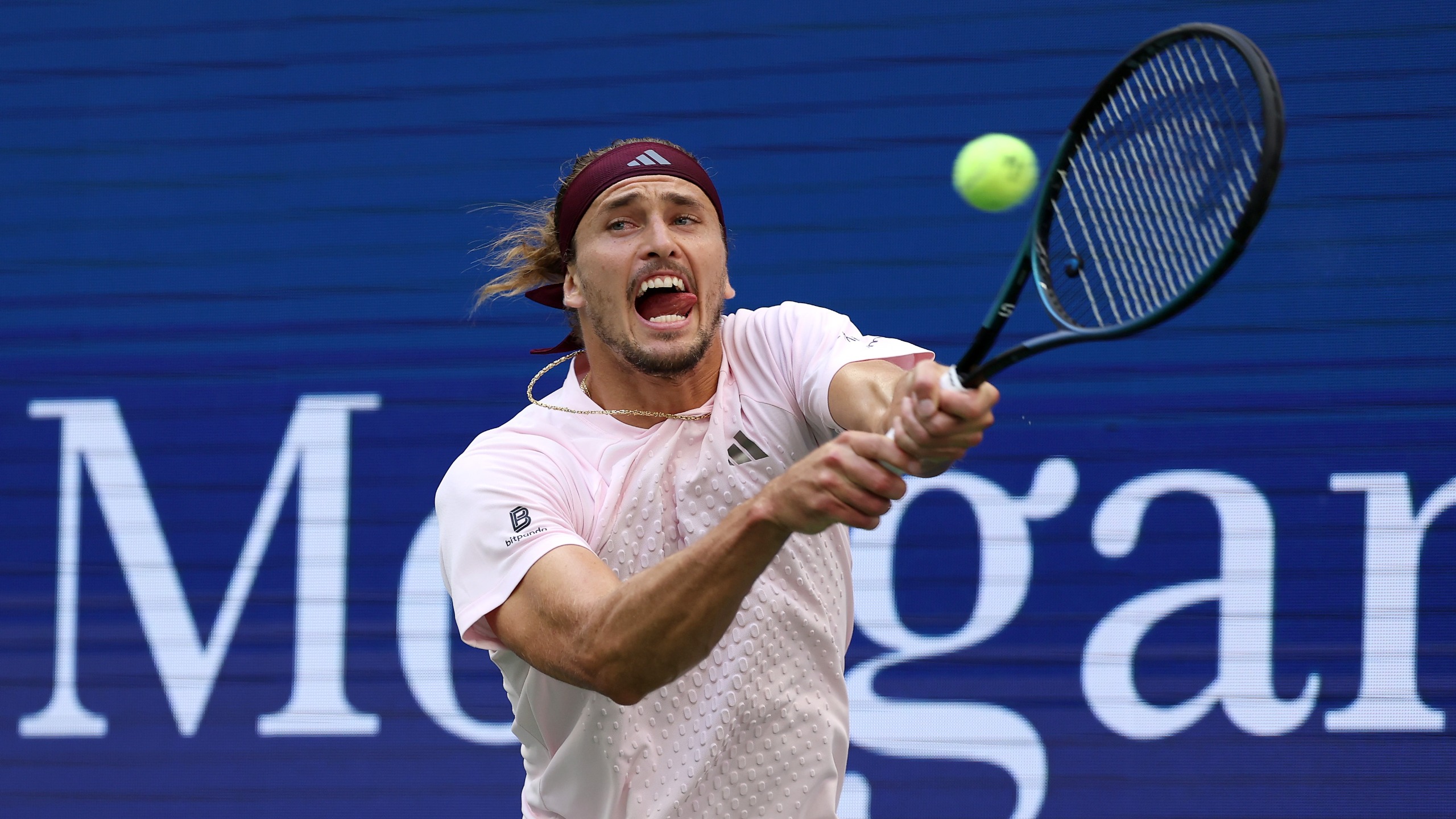
As the match progressed into the second set, the dynamic shifted. Shelton began to utilize the crowd’s energy, rallying at key moments to push Zverev to deuce on several occasions. The German, however, remained unfazed. Zverev’s service game, consistently clocking speeds as high as 147 mph, proved to be an insurmountable obstacle for the American.
The middle stages of the match were characterized by a tactical stalemate. Both players held their respective service games with impressive efficiency, leading to a high-pressure tiebreaker. It was here that Zverev’s experience proved decisive. While Shelton struggled to maintain consistency under the mounting pressure, Zverev executed his game plan with mechanical precision, securing the second set and establishing a two-sets-to-love lead.
The third set saw a shift in momentum that momentarily stunned the stadium. Shelton, refusing to concede, broke Zverev’s serve in a display of resilience that brought the crowd to its feet. However, the momentary lapse in concentration from the German was short-lived. Zverev quickly regained his composure, channeling his frustration regarding a time-violation warning—issued after his lengthy pre-serve ball-bouncing ritual—into a surge of offensive energy. By the third-hour mark, the German had re-established control, leading two games to nil in the fourth set.
Statistical Context and Historical Implications
The match held deeper implications for the history of the sport in both Germany and the United States. For Zverev, a victory would make him the first German man in the 21st century to secure multiple Grand Slam titles, a feat not achieved since the era of Boris Becker. This statistical milestone highlights a significant drought in German men’s tennis, which Zverev has been systematically dismantling over the last twenty-four months.
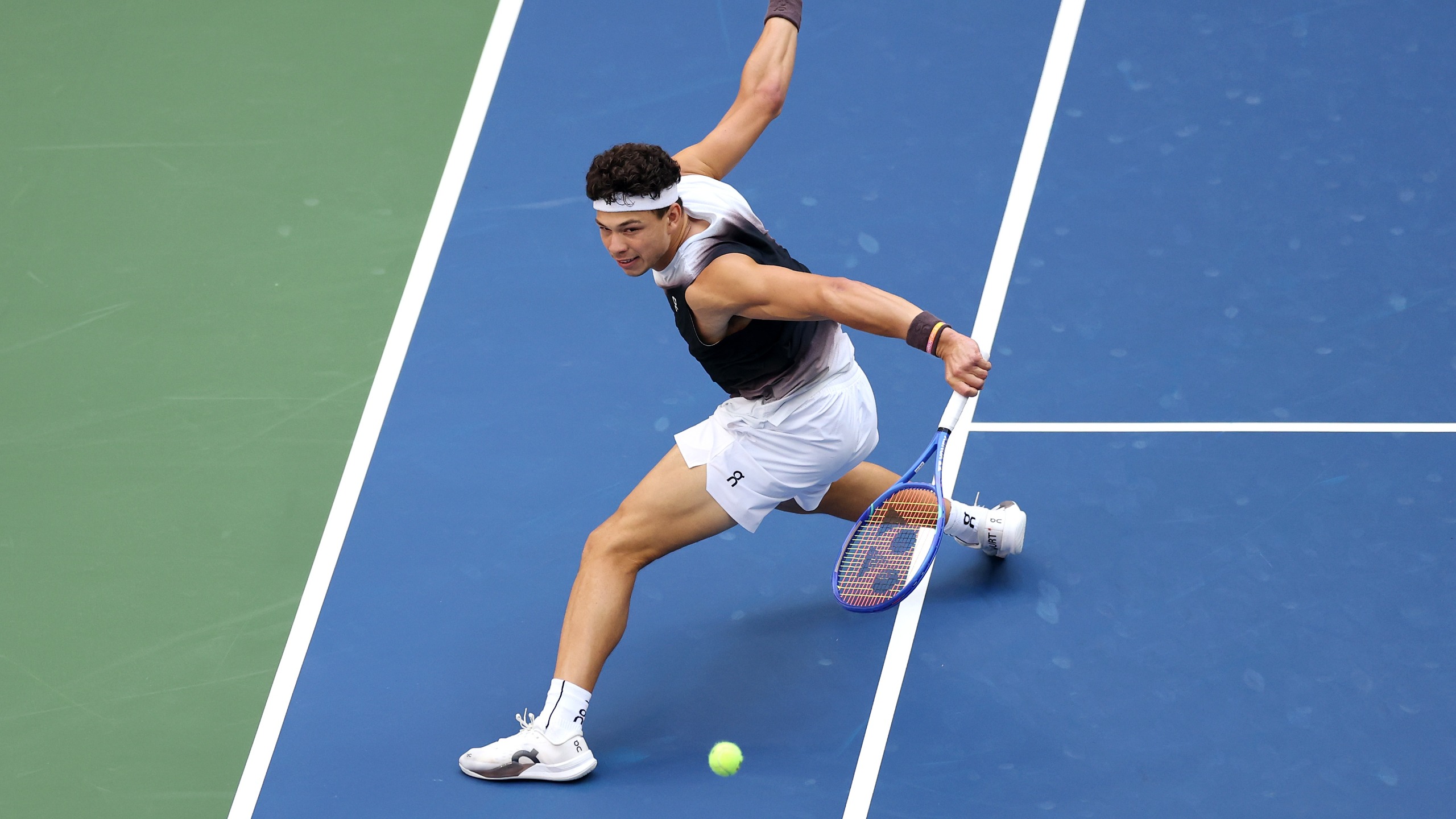
For the United States, the final represented a broader trend of revitalization. After two decades of relative stagnation, the presence of players like Taylor Fritz, Frances Tiafoe, and Ben Shelton in the upper echelons of the world rankings suggests that the sport is experiencing a domestic resurgence. The "American Revolution" in tennis, as many analysts have dubbed it, relies on the ability of these young stars to bridge the gap between quarter-final appearances and major titles. While Shelton’s loss in the early sets was a blow to the hopes of the New York crowd, his performance throughout the tournament has solidified his status as a legitimate contender for future majors.
The Tactical Battle
Throughout the match, the contrast in playing styles was evident. Zverev utilized a patient, baseline-heavy strategy, waiting for forced errors while maintaining an impeccable defensive perimeter. Shelton, by contrast, adopted an aggressive, high-risk approach, frequently rushing the net and attempting to dictate the tempo of rallies.
The match also served as a case study in the psychological toll of major finals. Zverev’s ability to "keep his cool," as noted by observers throughout the broadcast, contrasted with the visible apprehension of the younger Shelton. The German’s experience in navigating the pressure of a third consecutive Grand Slam final this year allowed him to manage the momentum swings that typically cause younger players to falter.
Broader Impact on the 2026 Circuit
The 2026 season has been defined by a changing of the guard. With the traditional "Big Three" era effectively coming to a close, the circuit has seen increased parity. The absence of consistent performances from Djokovic, Sinner, and Alcaraz has created a vacuum, allowing players like Zverev to establish a new hierarchy. The implications for the ATP tour are significant; the 2026 US Open final demonstrated that the current landscape of men’s tennis is less about the dominance of a single individual and more about the competitive depth of a new, highly athletic generation.
Furthermore, the commercial success of the tournament, bolstered by high viewership and record attendance at Flushing Meadows, underscores the enduring popularity of the sport. The integration of digital streaming services and global broadcasting partnerships has ensured that the US Open remains a focal point of the global sporting calendar, regardless of the shifting faces on the court.
Conclusion and Looking Forward
As the final points were contested at Arthur Ashe Stadium, the narrative of the 2026 US Open became clear: the sport is entering a new era of professional, high-velocity tennis. Whether Zverev secures his place in the record books or Shelton’s breakthrough signals a long-awaited American return to the top, the final match served as a testament to the evolving demands of the game.
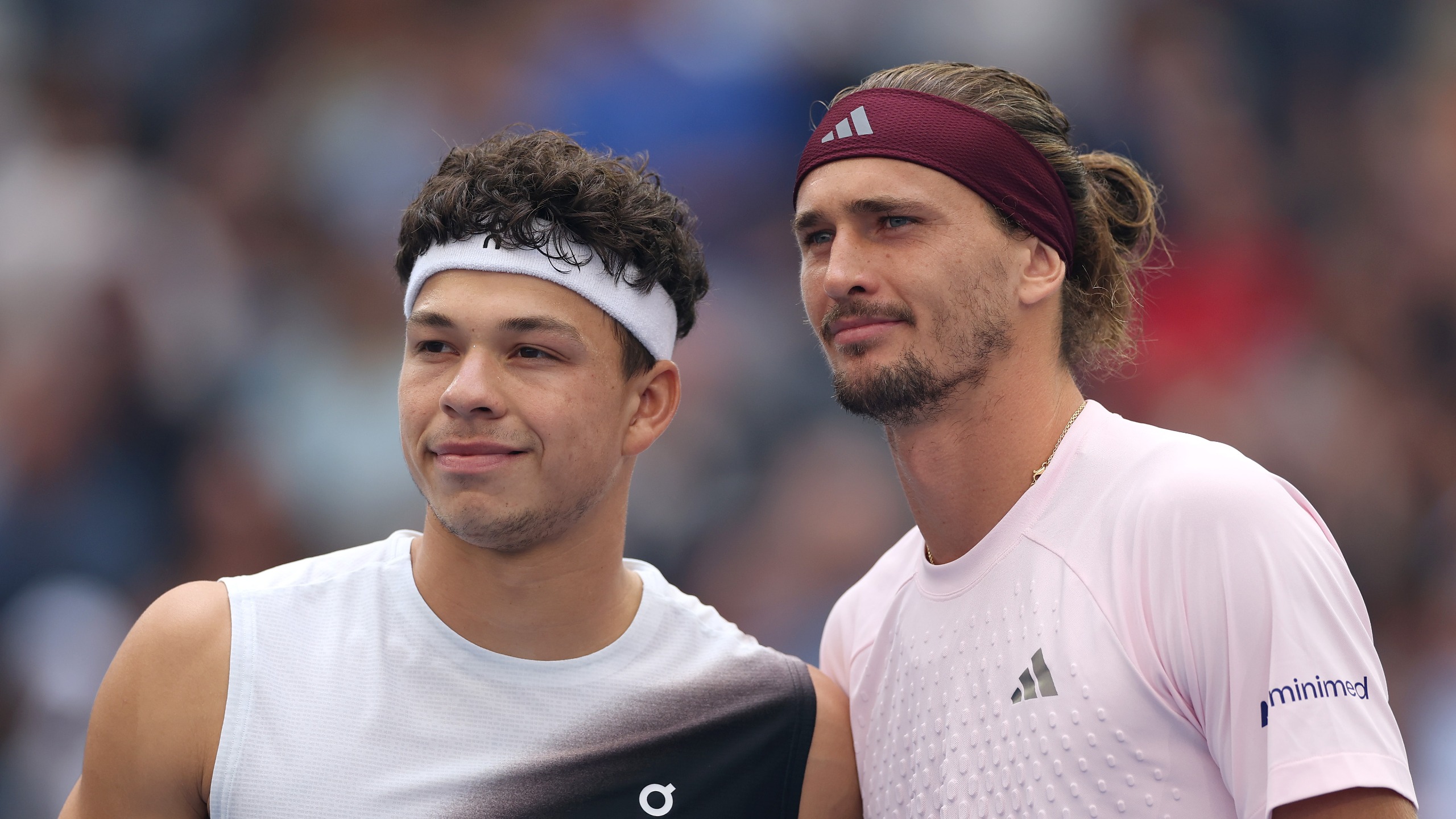
For the spectators in Queens, the night was more than just a match; it was a display of endurance, technical mastery, and the raw emotional stakes that define Grand Slam tennis. As the tournament draws to a close, the tennis world is left to consider how these performances will shape the rankings and the expectations for the 2027 season. The rivalry between the established elite and the hungry, youthful contenders is only just beginning, and if the 2026 US Open is any indication, the future of the sport is in robust and capable hands.