Skyrocketing Diesel Costs and the Tesla Semi Push Freight Operators Toward Rapid Electric Fleet Adoption

The global freight and logistics sector is undergoing a profound structural shift, catalyzed not merely by long-term corporate sustainability goals, but by immediate and severe economic pressures in the energy markets. While high gasoline prices have steadily driven mainstream consumers toward electric passenger vehicles throughout the year, the commercial transport industry is facing an even more aggressive tipping point. Eye-watering surges in diesel fuel costs have transformed fleet electrification from a distant, forward-looking aspiration into an urgent financial necessity for commercial shippers across North America and Europe.
According to industry leaders and recent market data, the staggering volatility and unprecedented price heights of diesel have exposed the dangerous vulnerability of traditional combustion-engine freight operations. As supply chain managers grapple with operating budgets strained by inflated fuel expenditures, technology providers, infrastructure developers, and fleet operators are reporting a dramatic acceleration in the adoption of commercial electric vehicles (EVs).
The Economics of the Diesel Surge and the Corporate Pivot
The primary driver behind this sudden industry-wide pivot is the disproportionate escalation of diesel prices relative to standard gasoline. Driven by geopolitical instability, international conflicts, and tightening global refining capacities, the average cost of diesel fuel in the United States has experienced an astronomical rise. Following the outbreak of hostilities involving Iran, U.S. diesel prices spiked by more than 60%, pushing the national average past the historic threshold of $6 per gallon. Similar economic strain is being felt by commercial transport operators across Europe, where historical fuel taxes and regional energy crunches compound the financial burden.
This relentless price pressure has fundamentally altered the return on investment calculations for commercial fleet operators. For years, heavy-duty electric trucks faced skepticism due to high upfront capital costs, limited charging infrastructure, and payload weight penalties associated with massive battery packs. However, when diesel hovers above $6 per gallon, the operating cost per mile for battery-electric trucks becomes significantly more favorable, particularly for high-utilization routes.
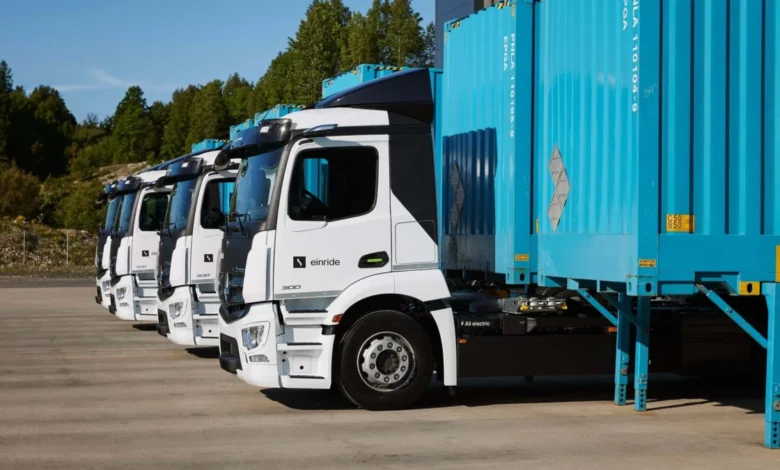
Roozbeh Charli, Chief Executive Officer of electric and autonomous freight company Einride, noted in a recent interview that the market narrative has shifted decisively. Shippers who previously engaged with electric freight concepts under a distant timeline—promising to revisit zero-emission integration sometime down the line—are now rushing to initiate pilot programs and full-scale deployments. According to Charli, customers are actively returning to the table with a sense of urgency, explicitly demanding expedited deployment schedules to insulate themselves from ongoing fossil fuel volatility.
Translating Market Sentiment into Commercial Growth
This conversational shift is translating rapidly into tangible enterprise growth and hardware deployment. Einride, which was founded in 2016 to provide comprehensive electric freight services, digital operating systems, and autonomous transport solutions, reported that its active sales pipeline tripled year-over-year during the first half of the year. More critically, the company’s deal conversion rate doubled over the same period, signaling that prospective buyers are moving past the exploratory phase and executing binding commercial contracts.
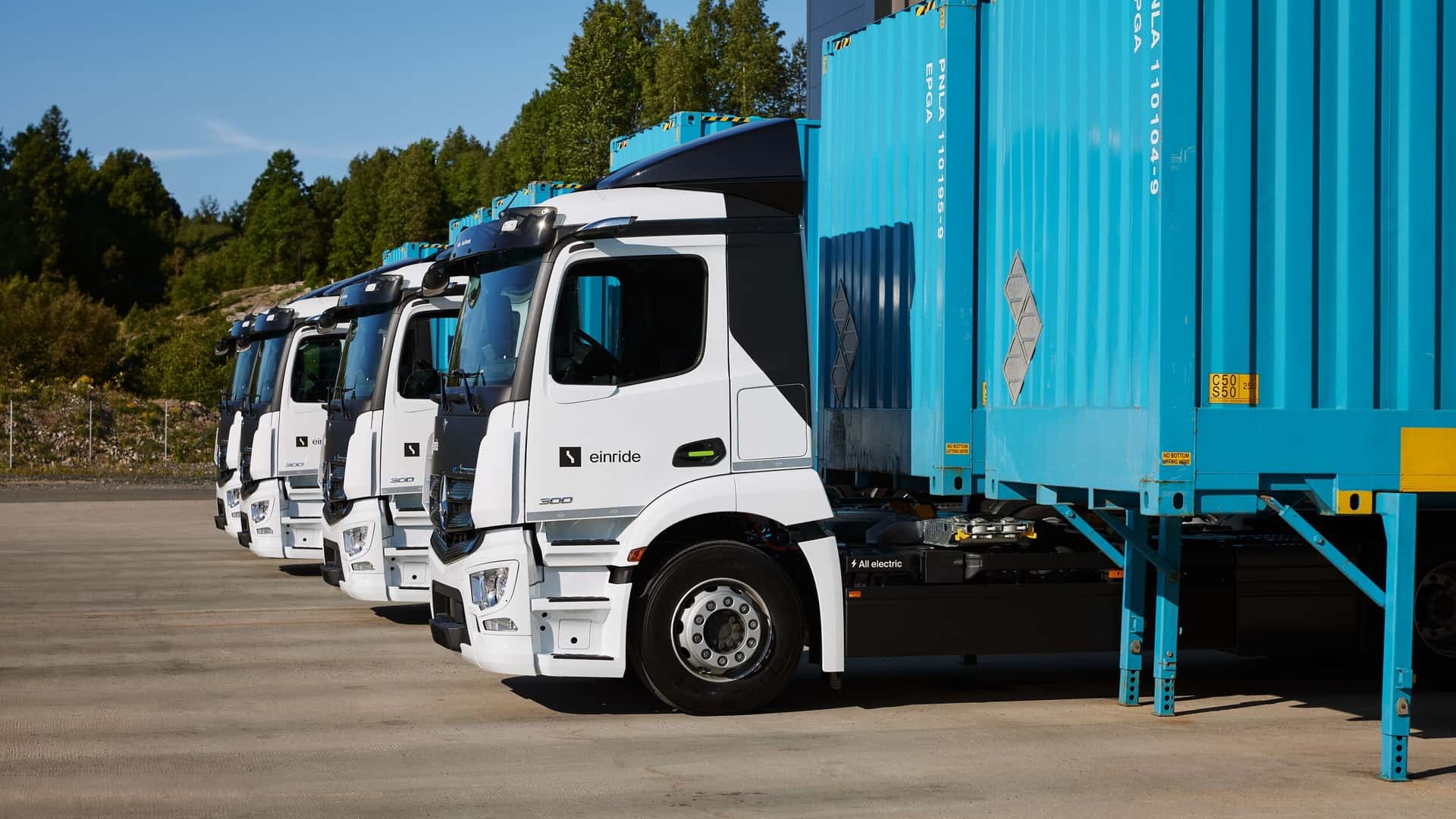
Einride is far from an isolated beneficiary of this macro-level shift. The broader logistics ecosystem is demonstrating a synchronized movement toward battery-electric commercial transport. In September, a powerful coalition of major commercial shippers, featuring multinational corporations such as PepsiCo, finalized a landmark procurement order for 2,500 electric semi-trucks. This single transaction is projected to effectively double the entire existing fleet of commercial Class 8 electric trucks operating within the United States.
Catalyst Mobility, one of the primary nonprofit organizations managing and facilitating the coalition program, confirmed that the market response extended well beyond the participating corporations. The visibility of the massive order has prompted independent logistics providers and regional shippers—previously hesitant to invest in zero-emission technology—to accelerate their own electrification strategies in direct response to persistent diesel market instability.
Understanding the "Middle-Mile" Sweet Spot
Industry analysts point out that commercial fleet electrification is currently thriving within specific operational parameters. Charli highlights that the economic viability of electric heavy-duty trucks is most pronounced in what the industry defines as "middle-mile" applications. These operations typically involve predictable round-trip distances ranging from 100 to 200 miles, executed with high asset utilization rates.
Because battery-powered trucks still carry a higher initial purchase price compared to their diesel-burning counterparts, achieving rapid payback periods requires keeping the vehicles on the road for as many hours as possible. In high-utilization, fixed-route scenarios, the substantial savings derived from avoiding expensive diesel fuel—combined with lower overall maintenance requirements—quickly offset the initial capital expenditure premium. Furthermore, these duty cycles allow fleets to utilize predictable depot-charging infrastructure, mitigating the current limitations of public charging networks for long-haul trucking.
The Hardware Evolution: The Arrival of the Tesla Semi
While high fuel costs have provided the immediate financial catalyst, the commercial EV sector is also benefiting from a watershed moment in hardware capability and market availability. For years, the heavy-duty electric truck market was constrained by a lack of scaled manufacturing and performance benchmarks capable of replacing diesel semis on demanding routes. That paradigm shifted with the long-awaited entry of the Tesla Semi into mass production.
The introduction of the Tesla Semi has injected a new level of competition and performance validation into the North American market. Describing the vehicle as a true "step-change" in hardware capabilities, Charli emphasized that the Semi has redefined industry expectations regarding what a heavy-duty electric truck can achieve in terms of operational range, energy efficiency, and payload capacity.
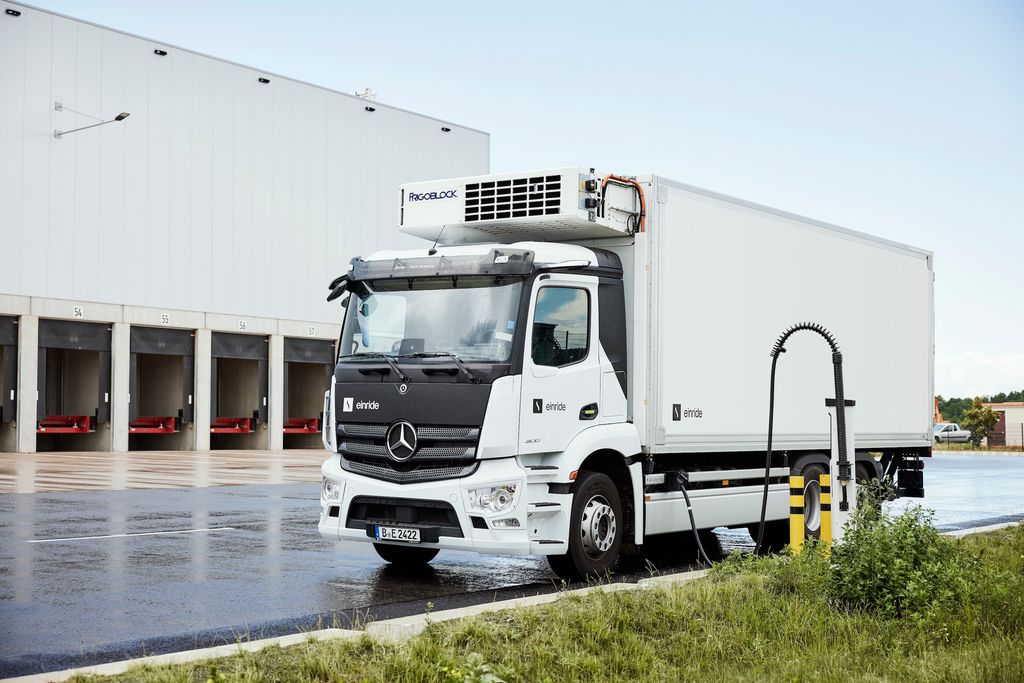
Capitalizing on this hardware advancement, Einride announced a major strategic expansion in August, laying out plans to deploy 500 Tesla Semis to service key North American enterprise clients, including e-commerce giant Amazon. This deployment effectively triples the scale of Einride’s premium long-haul electric fleet. Although the Tesla Semi experienced multi-year delays in reaching full-scale commercial manufacturing, market observers note that its arrival coincides precisely with the peak of the diesel price crisis, rendering its market entry fortuitously timed.
Environmental and Public Health Imperatives
Beyond the immediate corporate balance sheets and fuel-cost arithmetic, the rapid transition toward electric freight carries monumental implications for public health and environmental stewardship. While heavy-duty commercial trucks constitute a relatively small percentage of the total vehicle population operating on North American roadways, they are responsible for a disproportionate share of total fossil fuel consumption and toxic tailpipe emissions.
Diesel exhaust is a complex mixture containing dozens of toxic air contaminants, including fine particulate matter (PM2.5) and nitrogen oxides (NOx), which are heavily linked to severe respiratory illnesses, cardiovascular diseases, and elevated cancer risks. Ray Minjares, heavy-duty vehicles program director at the International Council on Clean Transportation (ICCT), underscores the critical nature of replacing combustion engines in the commercial freight sector.
"Any exposure to diesel exhaust is going to be harmful to your health," Minjares stated. "And so since there’s really no safe level, the obvious solution, particularly in a world where commercial zero-emission vehicles are already available, is to switch to that technology."
Because freight corridors and distribution centers are frequently located adjacent to densely populated urban communities—often affecting lower-income neighborhoods and marginalized populations disproportionately—the localized air quality improvements resulting from fleet electrification promise profound public health dividends.
Future Outlook and Industry Trajectory
As the logistics industry navigates a volatile energy landscape, the convergence of high diesel prices, supportive regulatory frameworks, and maturing zero-emission vehicle technology has established an irreversible momentum for fleet electrification. What began as a niche sustainability initiative driven by corporate social responsibility pledges has evolved into a hard-nosed business strategy focused on risk mitigation and operational resilience.
Companies that once viewed electric trucks as experimental assets are now recognizing that continued reliance on fossil fuels exposes them to unacceptable levels of market vulnerability. With technology providers scaling up operations, new high-performance hardware entering commercial fleets, and economic incentives aligning to favor battery power, the transition away from diesel in the heavy-duty sector has officially transitioned from a theoretical future into an accelerating present reality.