Meta Expands Its Muse AI Ecosystem with Support for Wear OS and Apple Watch

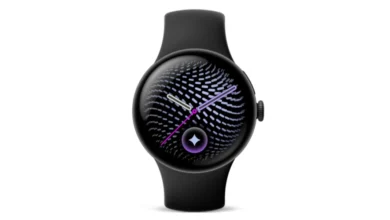
Meta Platforms has officially expanded the reach of its popular Muse artificial intelligence ecosystem, bringing the assistant directly to smartwatches running Google’s Wear OS and Apple’s watchOS. The announcement, shared via the official Muse account on social media platform X, signals a major push by the technology giant to integrate its conversational AI deeper into everyday wearable devices. With the tagline "Works around the clock, and now on your wrist," the update allows users to interact with Meta’s signature digital companion right from their wrists, marking a significant milestone in the evolution of consumer-facing wearable artificial intelligence.
The integration into mainstream smartwatch platforms follows a string of hardware and software developments surrounding the Muse project throughout the year. Industry analysts note that moving from standalone devices to widespread smartwatch compatibility represents a strategic shift for Meta, allowing the company to bypass the friction of hardware adoption and tap into millions of existing wrist-worn device users across both the Android and iOS ecosystems.
Chronology and Evolution of the Muse Ecosystem
The expansion of Muse to smartwatches is the latest step in a carefully orchestrated rollout that began earlier this year. The journey of Meta’s latest AI generation trace back to the debut of Muse Spark, the company’s foundational large language model designed to usher in a "people-first" era of artificial intelligence. Meta positioned Muse Spark as a departure from monolithic, heavy cloud models, designing it to be compact and optimized for speed while retaining the capability to process complex, multi-layered queries.
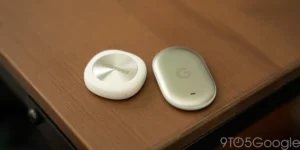
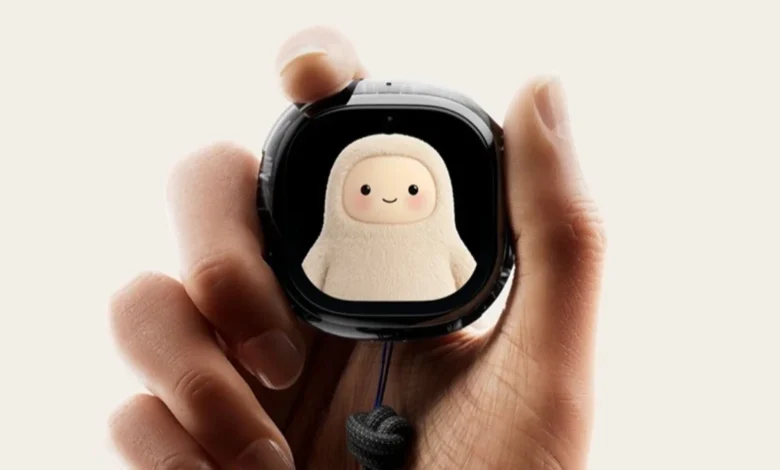
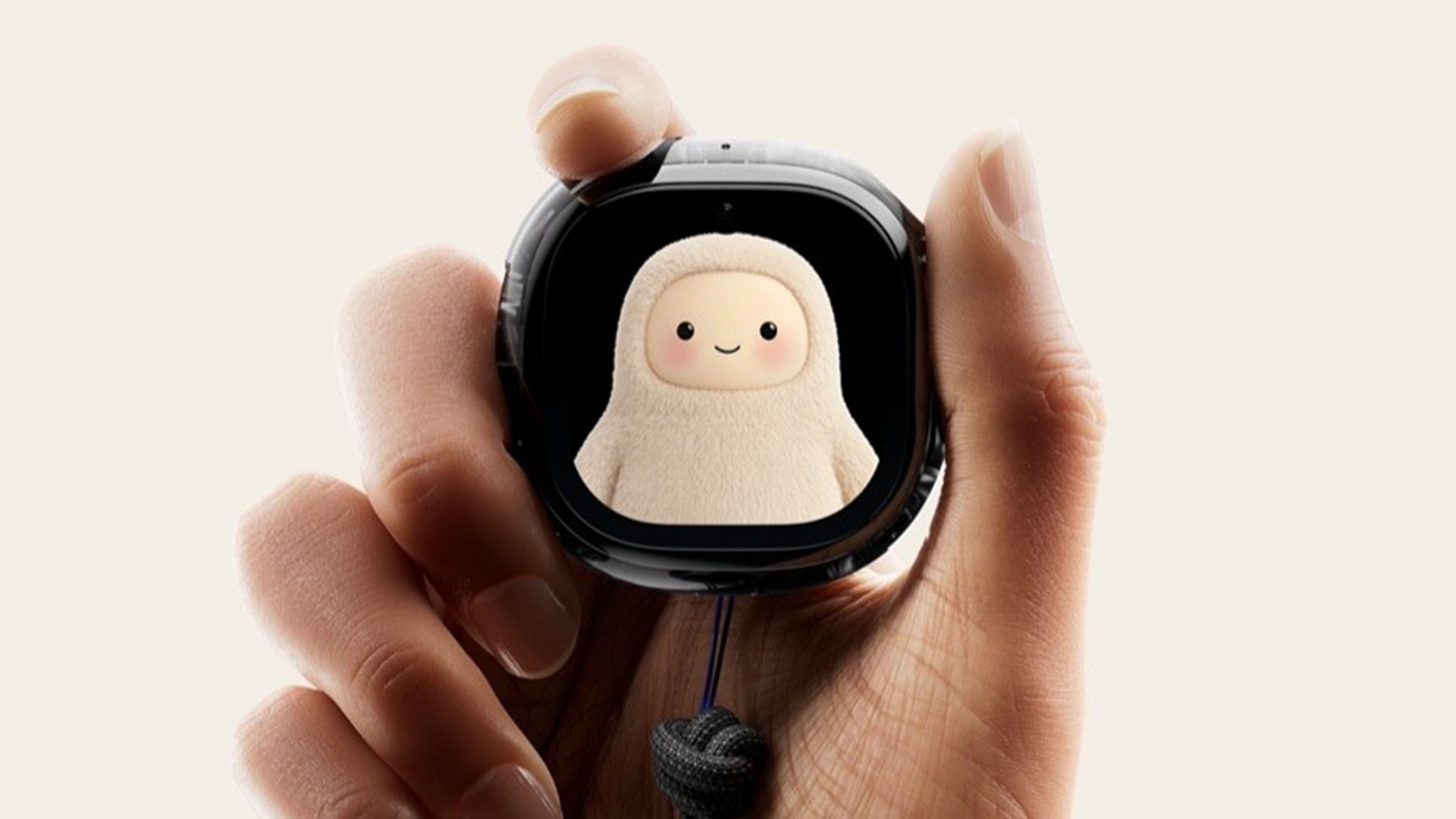
In September, Meta captured consumer and media attention with the introduction of the Muse Charm—a standalone, pocket-sized hardware device bearing a distinct resemblance to a retro Tamagotchi. Equipped with 5G connectivity, a 2-inch OLED touchscreen, an integrated camera, a microphone, and speakers, the Muse Charm was marketed as an alternative or companion to smart glasses. During the initial reveal, Meta CEO Mark Zuckerberg emphasized the utility of the device, noting that the onboard camera allowed users to query the AI in real-time about their physical surroundings, such as translating foreign street signs or identifying objects on the fly.
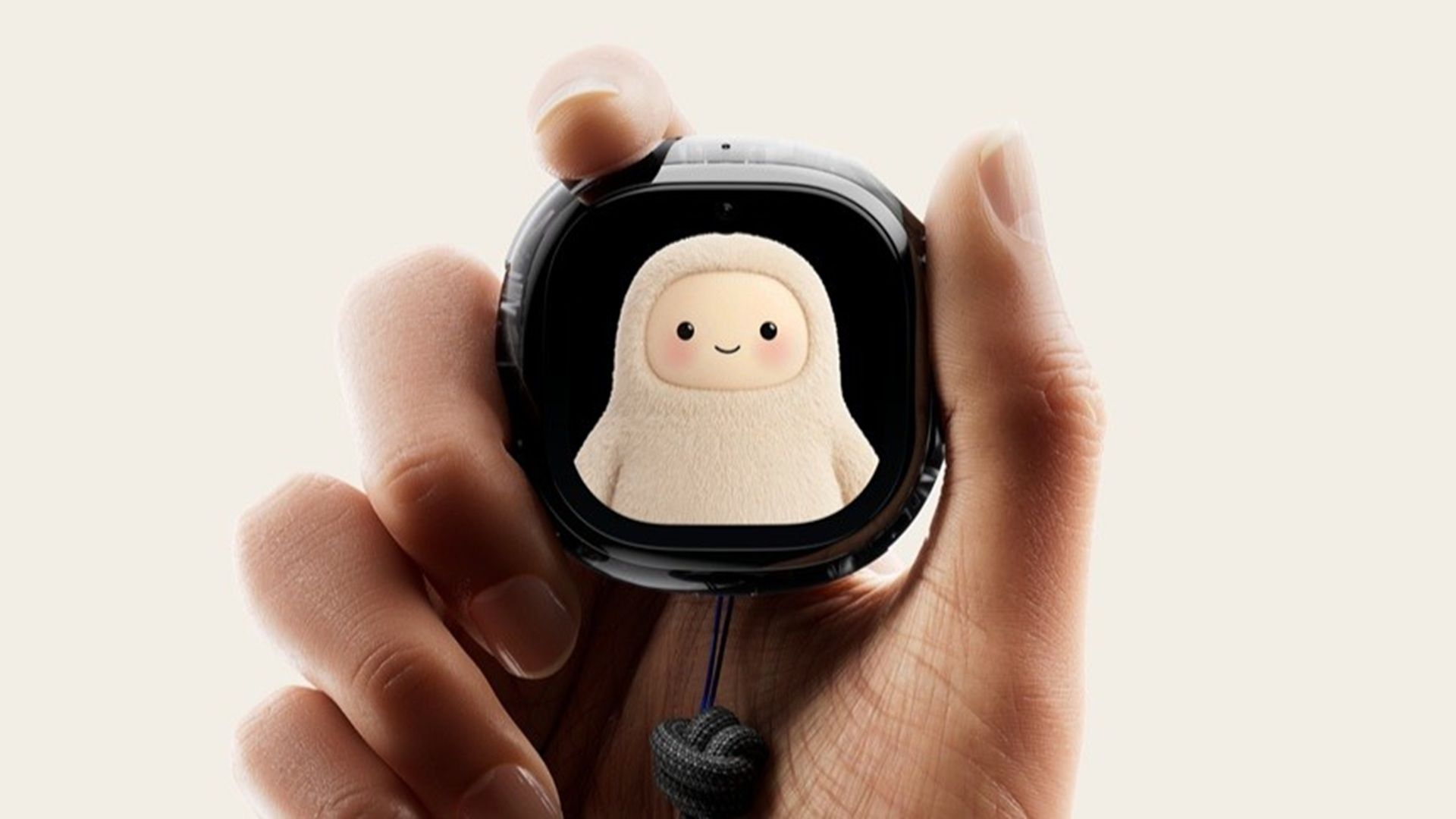
However, the simultaneous existence of the standalone Muse Charm and the new smartwatch application points to a multi-pronged hardware strategy by Meta. While the Charm targeted users who preferred a dedicated, nostalgic gadget, the new Wear OS and Apple Watch integration targets consumers who prefer a unified device on their wrist for fitness tracking, notifications, and now, conversational AI assistance.
Under the Hood: Muse Spark and Multi-Agent Architecture
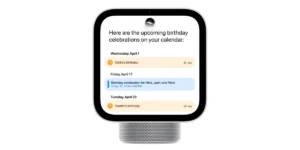
At the core of the Muse ecosystem is its underlying technology: the Muse Spark large language model. Meta has designed Muse Spark to utilize a multi-agent architecture, meaning multiple specialized AI sub-agents work in tandem to break down, process, and resolve user queries efficiently. This design aims to reduce latency and improve accuracy for everyday tasks such as drafting messages, managing calendar events, and retrieving information.
Furthermore, Meta has tailored specific verticals of the Muse knowledge base to handle sensitive or specialized inquiries. For instance, in health-related contexts, the company has integrated training data sourced and reviewed by over 1,000 licensed physicians. This specialized training aims to mitigate hallucinations and provide reliable, context-aware health information when users pose questions regarding wellness, fitness metrics, or general health queries via their connected devices.
Market Implications and Industry Context
The arrival of Meta’s AI on Wear OS and the Apple Watch intensifies the competitive landscape of wrist-based computing and digital assistants. For years, Apple Watch users have relied on Siri, while Wear OS users have utilized Google Assistant and, more recently, Gemini integrations. By introducing Muse to both platforms, Meta is positioning its AI as an independent, cross-platform layer that operates above the native operating system assistants.
This cross-platform maneuver mirrors Meta’s broader strategy with its Meta AI assistant across WhatsApp, Instagram, and Facebook Messenger. Rather than forcing consumers into a proprietary hardware ecosystem—such as a dedicated Meta smartphone—the company aims to make its software ubiquitous wherever users already spend their time.
Market analysts point out that wearable AI represents the next frontier in human-computer interaction. As smart glasses and smartwatches converge in functionality, users increasingly demand hands-free, glanceable access to information. By optimizing Muse for low-latency performance on resource-constrained wearable chips, Meta is addressing the primary technical hurdle of edge AI: balancing computational power with battery conservation.
Consumer Reception and Future Outlook
While initial reactions to the Muse Charm in September highlighted a mix of nostalgic amusement and curiosity over its Tamagotchi-like aesthetic, the transition to functional smartwatches suggests Meta is doubling down on practical utility. Users interacting with Muse on Wear OS and Apple Watch will likely use the assistant primarily for voice-driven dictation, quick reminders, rapid query resolution, and contextual communication tasks.
As the deployment rolls out globally, developers and consumers will be closely monitoring how Meta manages data privacy, battery drain, and response accuracy on smaller screens. With Muse now accessible via smartwatches, smartphones, and dedicated accessories, Meta continues to solidify its footprint in the consumer AI race, transforming its digital assistant from a software novelty into a persistent, everyday companion.