Inside the Restricted US Launch of the Xtra Muse 2 Pro Pocket Gimbal Camera

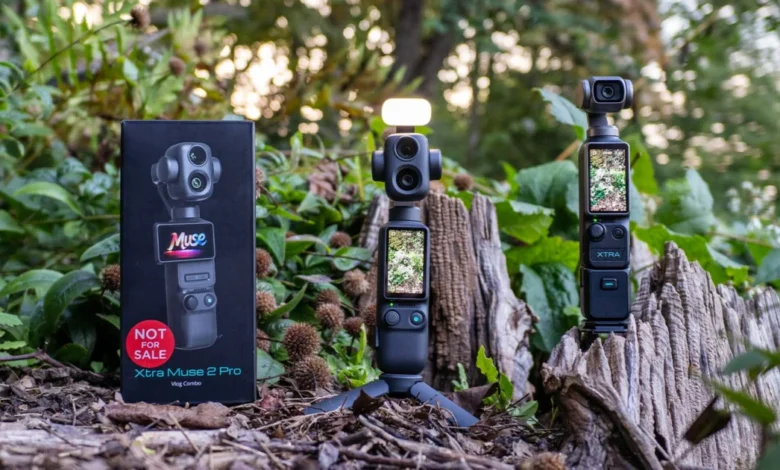
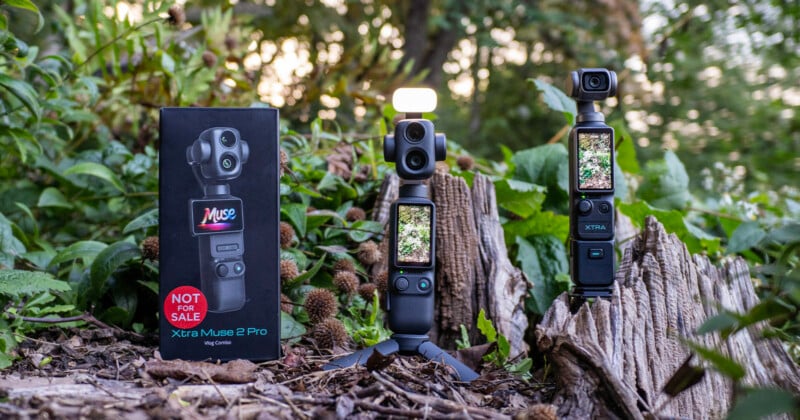
The landscape of portable content creation changed dramatically with the introduction of compact pocket gimbals, yet regulatory hurdles continue to dictate market access for cutting-edge hardware. Among the devices currently navigating these geopolitical and regulatory crosscurrents is the Xtra Muse 2 Pro, a dual-lens pocket gimbal camera that has captured the attention of the tech and creator communities. While unavailable for conventional retail purchase in the United States, a limited number of units have trickled into the country through targeted creator outreach programs, illuminating a complex intersection of international hardware development, creator marketing, and intensifying federal regulatory oversight.
Chronology and Event Background
The journey of the Xtra Muse 2 Pro into the hands of North American users began in May, when manufacturer Xtra launched its "100 Creators for Xtra Muse 2 Pro" initiative on Instagram. The campaign called upon visual artists, photographers, and video producers to share their portfolios, tag the brand, and nominate peers. Selected participants were designated "Xtra Aesthetic Masters," a title reserved for individuals recognized for their distinct approach to lighting, mood, and visual storytelling.
The initial rollout strategy pointed toward a standard commercial introduction in the United States. In June, Xtra initiated an Early Bird reservation program, allowing prospective buyers to secure a spot in line with a refundable $20 deposit, with retail distribution slated for late July. However, market realities shifted rapidly. By mid-July, the company halted the reservation initiative, refunded consumer deposits, and indefinitely postponed its domestic distribution timeline.
This abrupt shift coincided with heightened scrutiny from the Federal Communications Commission (FCC). Federal regulators initiated inquiries into Xtra and several allied entities, probing potential ties to restricted technology or supply chains associated with heavily regulated brands like DJI. Consequently, the FCC proposed financial penalties, including a $25,000 forfeiture against Xtra, alongside proposed measures to restrict the importation and marketing of specific foreign-manufactured imaging equipment. Despite these regulatory pressures, the company maintained that its previously released legacy products remained supported while dialogue with authorities continued, leaving the Muse 2 Pro stranded in a regulatory grey area.
Hardware Specifications and Technical Architecture
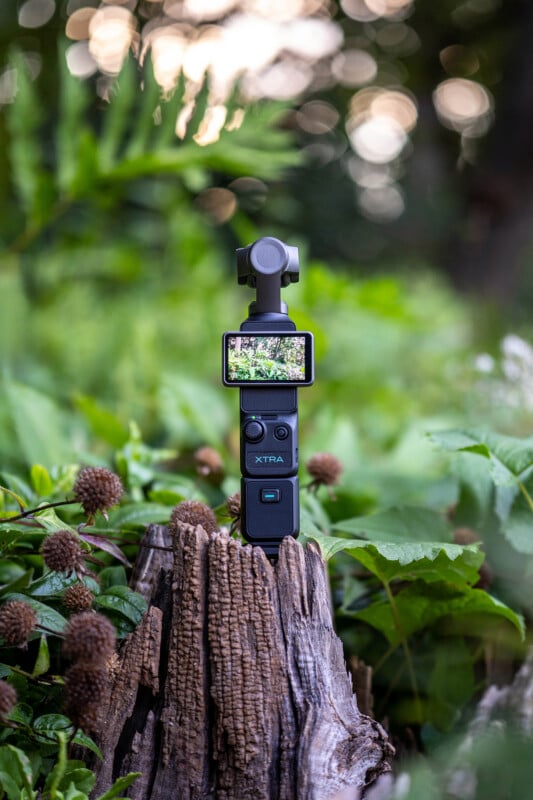
Despite its uncertain retail future in North America, the technical architecture of the Muse 2 Pro represents a significant leap forward in pocket-sized videography. Built around a robust three-axis mechanical stabilization gimbal, the device houses a primary 1-inch CMOS sensor paired with an f/2.0 aperture, offering a 20mm equivalent wide-angle perspective. This larger sensor size gives the hardware a distinct advantage over standard smartphones and traditional action cameras, particularly in low-light environments where sensor surface area dictates noise control and dynamic range.

A defining feature of the Muse 2 Pro is its dual-lens configuration. Alongside the primary wide-angle optic, the device integrates a secondary telephoto camera delivering approximately 3x optical reach, roughly equivalent to a 60mm focal length. This dual setup allows creators to shift perspectives on the fly without carrying auxiliary lenses or secondary camera bodies. Furthermore, the system supports high-frame-rate recording up to 4K at 240 frames per second, a 10-bit X-Log 3 profile boasting up to 17 stops of claimed dynamic range, and 103GB of internal solid-state storage.

Field evaluations of the hardware reveal impressive performance metrics. Autofocus tracking mechanisms exhibit rapid acquisition speeds, successfully re-engaging subjects that temporarily exit the frame. Dynamic range capabilities hold up effectively through transitional lighting conditions, such as blue hour and heavy overcast, though extreme low-light scenarios occasionally challenge the autofocus system, necessitating manual intervention akin to professional mirrorless setups. The resulting footage exhibits a natural depth-of-field falloff and background blur that closely mimics larger interchangeable-lens cameras rather than the synthetic bokeh often generated by computational smartphone algorithms.

Industry Implications and Market Impact
The trajectory of the Xtra Muse 2 Pro underscores broader vulnerabilities within the global supply chain for consumer electronics. As regulatory bodies like the FCC tighten restrictions on foreign technology imports—particularly concerning hardware sharing architectural similarities with market leaders like DJI—manufacturers face formidable compliance barriers before reaching lucrative Western markets.

These regulatory bottlenecks create an uneven playing field. Creators who gain access to pre-release or promotional hardware via corporate ambassadorships find themselves operating exclusive tools that the general public cannot legally or commercially acquire. For independent vloggers, travel documentarians, and solo content producers, pocket gimbals equipped with automated subject tracking and high-end log profiles represent an essential evolution in workflow efficiency, bridging the gap between bulky cinema rigs and pocketable convenience.

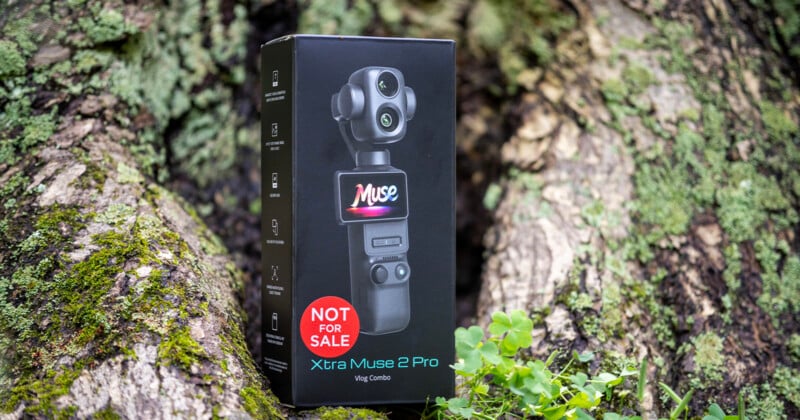
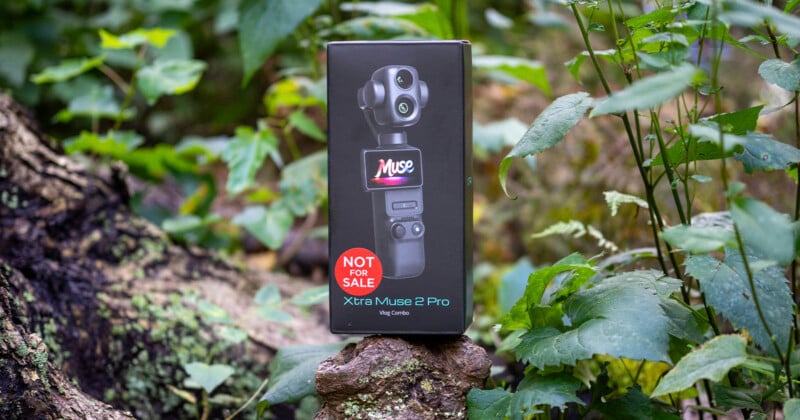
Furthermore, the existence of units bearing strict "NOT FOR SALE" warnings highlights the logistical complexities companies face when domestic launch strategies collapse after manufacturing and initial shipping phases are already underway. While Xtra continues to communicate with regulatory authorities in pursuit of a compliant path to market, the ultimate availability of the Muse 2 Pro in the United States remains unresolved.

As the market for hybrid content creation tools continues to mature, devices like the Muse 2 Pro demonstrate the immense demand for high-fidelity imaging packed into ultra-portable form factors. Whether Xtra can successfully navigate federal compliance frameworks to secure a formal U.S. release will serve as a bellwether for other specialized hardware manufacturers attempting to enter the North American consumer electronics space under heightened regulatory scrutiny. Until such a resolution occurs, the device remains an exclusive artifact for a select few creators—a technical capability statement wrapped in regulatory uncertainty.