Bose Issues Urgent Recall for Over 670,000 Lithium-Ion Battery Packs Used in S1 Pro and S1 Pro+ Bluetooth Speaker Systems Due to Fire Hazards

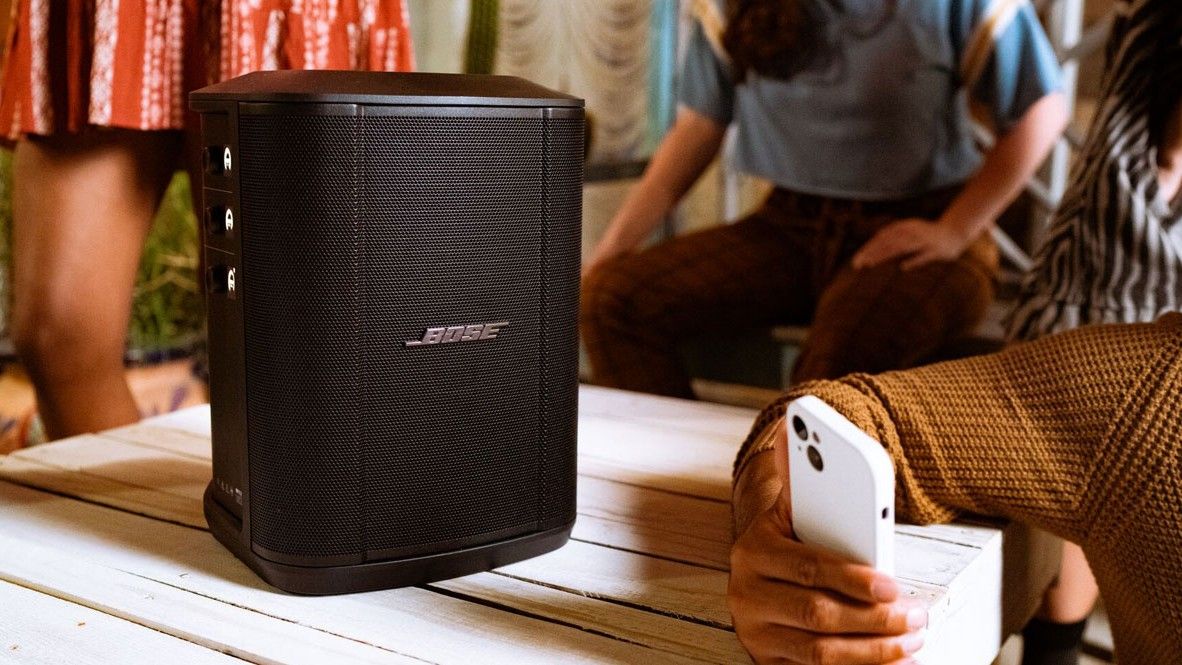
Bose Corporation, a global leader in high-end audio equipment, has initiated a voluntary recall of approximately 670,000 lithium-ion battery packs utilized in its popular S1 Pro and S1 Pro+ portable Bluetooth speaker systems. This sweeping safety measure follows reports that the battery units, which were sold as both integrated components and individual accessories, pose a significant risk of overheating, melting, and potential fire hazards. While no injuries or property damage have been reported to date, the Consumer Product Safety Commission (CPSC) has issued an urgent advisory to consumers to immediately cease the use of the affected hardware to prevent any escalation of risk.
The recall encompasses 634,759 units sold within the United States and an additional 35,400 units distributed throughout Canada. The affected battery packs were sold between December 2017 and July 2026, coinciding with the peak popularity of the S1 Pro series, which has become a staple for street performers, public speakers, and outdoor event organizers due to its high-fidelity output and portability.
Identification of Affected Units and Technical Context
The core issue involves the lithium-ion cells integrated within the battery packs, which have demonstrated a propensity to overheat under certain operational conditions. Lithium-ion technology, while standard in modern consumer electronics due to its high energy density, requires precise thermal management. When these cells fail, they can enter a state of "thermal runaway," a process where an increase in temperature changes the conditions in a way that causes a further increase in temperature, often resulting in fire or the release of toxic gases.
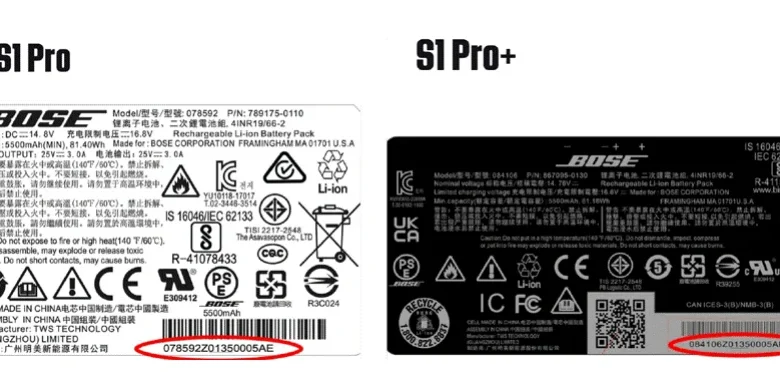
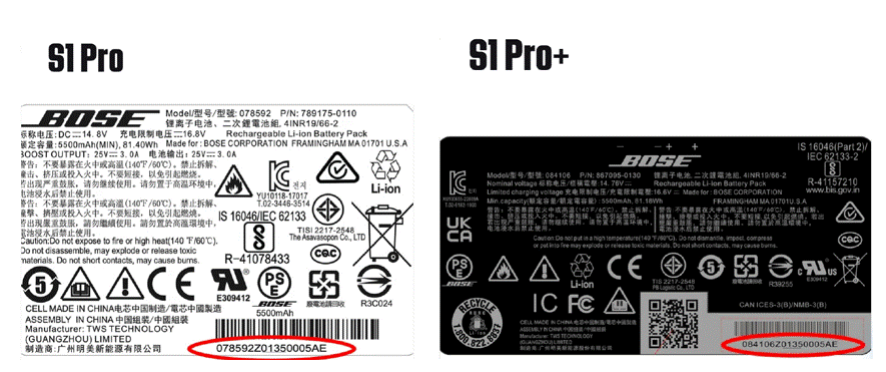
Owners of the S1 Pro and S1 Pro+ systems are urged to inspect their equipment immediately. The recall specifically targets battery packs with serial numbers containing one of the following six-digit sequences: 083723, 078352, 084105, 078591, 078592, 084106, or 086409. This 17-digit serial number can be located on the label affixed to the underside of the battery pack. Because the battery packs were sold both as a component of the $700 speaker system and as a standalone accessory priced between $100 and $160, the distribution footprint is extensive, reaching a diverse range of professional and casual users.
Chronology of the Safety Alert
The timeline leading up to this recall reflects a period of internal and external data collection. Following the initial influx of reports regarding units melting or producing smoke, Bose began a comprehensive investigation alongside federal safety regulators. The CPSC, which monitors the safety of consumer products in the U.S. market, facilitated the official recall announcement to ensure public awareness.
From the early days of the product launch in 2017 through the mid-2026 cutoff, the units remained widely available through major retail channels and direct-to-consumer platforms. The transition from the original S1 Pro to the upgraded S1 Pro+ did not exclude the newer model from the potential hardware defects, as the battery architecture remained largely consistent across these iterations. The decision to recall the units marks the culmination of a rigorous testing process that confirmed the defect, necessitating the massive logistical undertaking of replacing over 600,000 components across North America.
Operational Directives for Consumers
Bose has provided clear, actionable guidance for current owners of the affected systems. First and foremost, users must remove the battery pack from the S1 Pro or S1 Pro+ unit immediately. The company emphasizes that the speakers remain fully functional and safe to use when connected directly to an AC power outlet. This allows users to continue their operations without the risk associated with the portable battery power source while waiting for a replacement.
Once the battery has been removed, owners are instructed to verify their serial number against the list provided on the dedicated recall portal at http://www.bose.com/support/s1-battery-recall. Upon registration, affected customers will be provided with a free, safe replacement battery pack. The company has streamlined this process to prioritize the rapid exchange of units, aiming to mitigate the inconvenience for professional users who rely on these speakers for their livelihoods.
Environmental and Safety Protocols for Disposal
The disposal of the defective lithium-ion batteries is a critical step that requires strict adherence to environmental safety regulations. Under no circumstances should these battery packs be placed in standard household trash, nor should they be deposited into generic battery recycling bins commonly found at retail or hardware stores. Lithium-ion batteries contain hazardous materials that pose a severe fire risk if crushed or punctured by waste management machinery.
Instead, owners must treat these items as household hazardous waste. Consumers are advised to contact their local municipality’s waste management department to identify a specialized collection center that is equipped to process lithium-ion batteries. These facilities are trained to manage the risks associated with volatile energy storage devices and will ensure the components are recycled or disposed of in accordance with environmental protection standards.
Industry Implications and Broader Context
The scale of the Bose recall highlights a growing trend in the consumer electronics industry: the increasing complexity of battery supply chain management. As demand for portable, high-powered devices continues to rise, manufacturers are pushed to maximize battery capacity, often testing the boundaries of current chemical energy storage technology. When such widespread issues arise, the reputation of premium brands like Bose is subjected to significant scrutiny.
From a market perspective, the financial impact of replacing hundreds of thousands of battery packs is substantial, involving not only the cost of the hardware itself but also the logistics of global supply chain coordination and the administrative burden of consumer communication. However, for a company with a long-standing reputation for quality and customer service, proactive recall programs are essential to maintain brand equity. By acting decisively before any injuries occurred, Bose has attempted to minimize the potential for long-term legal and reputational fallout.
Furthermore, this event serves as a reminder to consumers regarding the importance of product registration. By registering audio equipment and accessories, users ensure they receive timely notifications regarding safety recalls, firmware updates, and maintenance advice. In the context of hardware that relies on high-energy storage, such as Bluetooth speakers, power tools, or electric vehicles, this level of connectivity between manufacturer and consumer is vital for public safety.
Conclusion and Looking Forward
As the electronics sector continues to evolve, the necessity for robust quality control and transparent safety communication becomes paramount. The Bose S1 Pro recall is a textbook example of how a major manufacturer should navigate a potential safety crisis: acknowledging the problem, identifying the specific units involved, providing clear instructions for continued use, and facilitating a straightforward replacement process.
For the vast user base of the S1 Pro series—which includes musicians, public speakers, and event professionals—the immediate priority is the swift removal of the hazardous battery. While the inconvenience of losing portable functionality is significant, it pales in comparison to the potential consequences of a thermal incident. As Bose works to fulfill the replacement orders and stabilize the situation, it remains a critical example of the shared responsibility between manufacturers to design safe products and consumers to remain vigilant regarding the hardware they rely on daily.
For further information and to verify the status of a device, users should consult the official Bose support portal. The company has dedicated significant resources to ensure that the replacement program is as efficient as possible, underscoring their commitment to consumer safety in the wake of this significant hardware alert. Owners are encouraged to act promptly to secure their replacement and ensure the safe, professional operation of their audio equipment for years to come.