SpaceX officially launches the Starlink Mini 2 as a new era of portable, battery-powered satellite connectivity begins


SpaceX has officially entered a new phase of portable satellite communications with the launch of the Starlink Mini 2, a next-generation terminal designed to offer true independence from external power grids. Released on November 10, 2026, the device represents a significant departure from previous Starlink hardware, which largely relied on fixed installations or vehicle-tethered power sources. By integrating a modular, high-capacity battery system, SpaceX is positioning this unit as the premier solution for remote research, emergency disaster response, and off-grid recreation.
Technical Specifications and Design Evolution
The Starlink Mini 2 addresses the primary limitation of its predecessor: the requirement for constant external electricity. The standout feature of the new terminal is its proprietary 71 Wh quick-swap battery system. Designed for durability and ease of use, the battery pack clips directly onto the rear of the dish via a tool-less mechanism, providing up to 4.5 hours of continuous connectivity per charge.
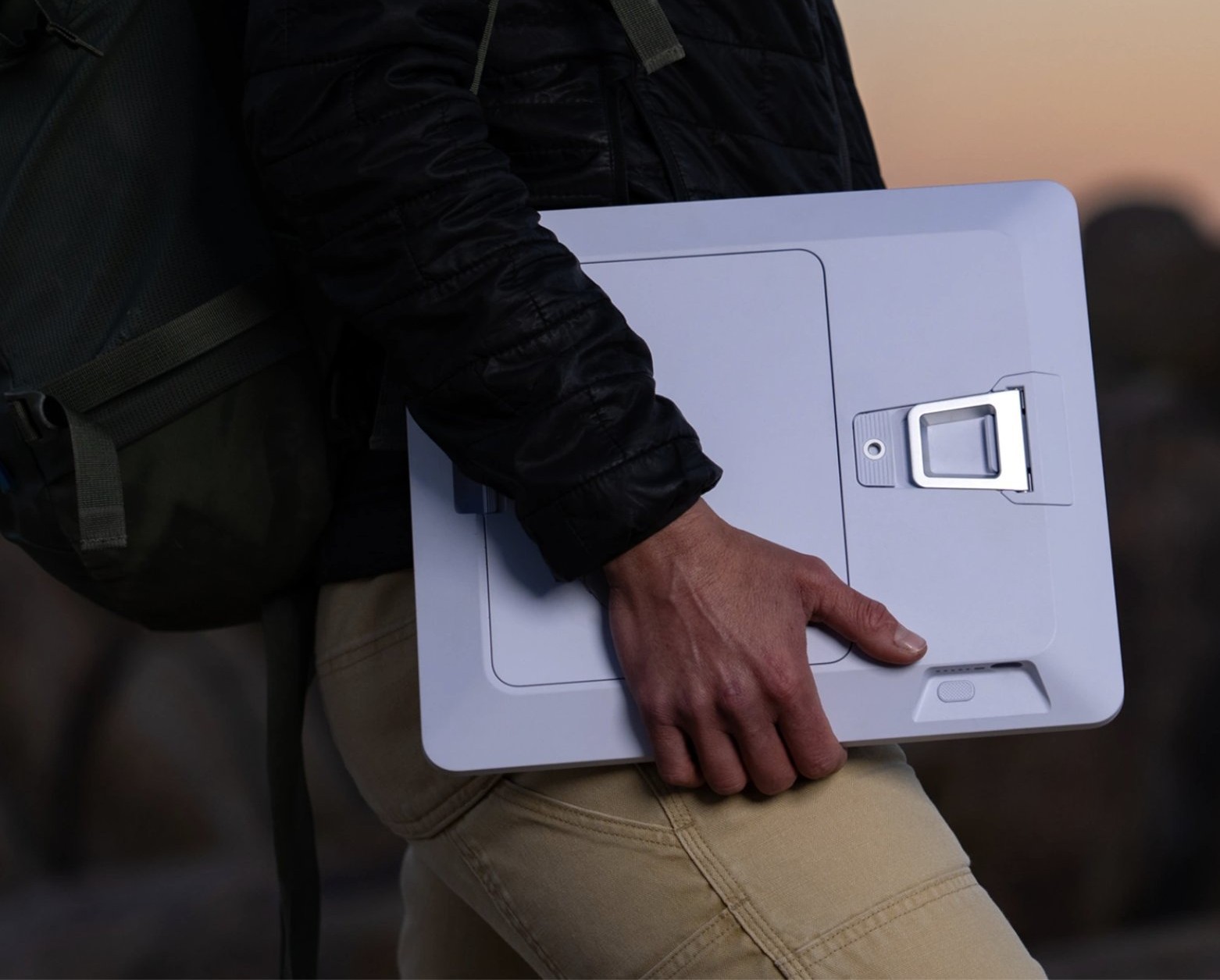
Engineered for the rigors of field use, the battery pack includes an integrated LED status indicator and a dedicated USB-C port. This allows users to charge a secondary or depleted battery pack independently while the primary unit remains operational, effectively creating an infinite power loop for those carrying multiple packs. The device also supports a 60 W USB-C power input, enabling it to run directly from solar generators, portable power stations, or standard vehicle outlets when the battery is not in use.
Physically, the Mini 2 is a triumph of miniaturization. Measuring 263 mm by 314 mm, it is significantly more compact than earlier iterations. SpaceX engineers have reduced the thickness of the unit to 23.1 mm, compared to the 38.5 mm thickness of the original Mini. Even with the battery and the integrated kickstand attached, the entire assembly weighs a modest 1.6 kilograms, making it highly portable for hikers, journalists, and field scientists who need to minimize gear weight.
The device is built to survive challenging environments, boasting an IP67 rating that ensures protection against dust ingress and temporary submersion in water. Furthermore, the unit features built-in Wi-Fi 6 technology, providing a coverage radius of up to 1,800 square feet, and includes a standard 1/4-20 tripod thread for versatile mounting options in various terrains.

Market Positioning and Pricing Strategy
SpaceX has opted for an invitation-only rollout for the initial launch, targeting specific U.S. customers to gauge real-world performance. The preorder price is set at $999, a premium cost that includes a full year of the company’s "Roam Unlimited" service—a package valued at approximately $2,100. By bundling the hardware with a long-term service commitment, SpaceX is attempting to lower the barrier to entry for frequent travelers while simultaneously securing a loyal user base for its mobile network.
Customers can reserve a kit with a refundable $100 deposit, with the remainder of the balance due upon shipment. Initial deliveries are scheduled for mid-December 2026, with plans for a broader, public-facing release expected to follow in early 2027. While the $999 price tag is significantly higher than the original Mini’s $149 starting price, analysts suggest that the inclusion of 12 months of service and the shift toward fully untethered operation justifies the cost for professional and enterprise users.
The Shift Toward Portable Connectivity
The launch of the Mini 2 marks the culmination of a multi-year effort by SpaceX to dominate the mobile satellite internet market. Since the introduction of the original Starlink Mini, the company has seen explosive demand from sectors as diverse as emergency management and outdoor tourism. The original model’s reliance on external power banks often created logistical hurdles for users operating in remote wilderness or disaster zones where grid electricity was non-existent.

By integrating the battery directly into the dish, SpaceX has essentially transformed the terminal into a "plug-and-play" communication node. Field tests have indicated that the unit can achieve a signal lock within 60 seconds of activation, a critical metric for first responders arriving at a site where communication infrastructure has been compromised.
Implications for Remote Industry and Infrastructure
The release of the Mini 2 arrives at a time when the demand for high-bandwidth, low-latency connectivity is outpacing traditional cellular infrastructure. In remote regions, particularly in the western United States and mountainous terrain, cellular towers are often sparse or prone to failure. The Mini 2 provides a failsafe for professionals working in forestry, mining, and scientific research.
Furthermore, the design of the Mini 2 aligns with SpaceX’s broader goal of global connectivity. The unit retains the same 110-degree field of view as its predecessor, ensuring that it maintains high-speed performance even in challenging line-of-sight conditions. This reliability is vital for the company’s push into the enterprise sector, where companies require stable connections for remote monitoring of pipelines, power grids, and agricultural assets.

Competition and Market Context
While the Starlink Mini 2 currently faces little direct competition in the consumer space, it is operating within a broader ecosystem of mobile satellite services. Competitors like Eutelsat OneWeb and various LEO (Low Earth Orbit) providers have attempted to capture segments of the mobile market, but none have yet matched the combined hardware portability and software integration that SpaceX provides.
The move also comes as SpaceX continues to expand its orbital compute constellation, known as "Starmind." CEO Elon Musk has frequently alluded to the potential of linking terrestrial hardware with orbital processing power, a vision that requires high-performance, mobile terminals like the Mini 2 to serve as the "last mile" of this network. By putting these units into the hands of thousands of users, SpaceX is gathering invaluable data on signal degradation, atmospheric interference, and power consumption, all of which will inform the development of future iterations.
Regulatory and Economic Landscape
The launch occurs amidst a complex regulatory environment for SpaceX. In its home base of Starbase, Texas, the company is currently navigating the political and environmental scrutiny surrounding its proposed $24 billion supercomputer and power plant project. While the Mini 2 is a consumer-facing product, it is manufactured within the same organizational culture that prioritizes rapid, iterative hardware development.
The company’s ability to maintain its momentum in both consumer hardware and massive infrastructure projects has drawn both praise and criticism. On the one hand, the technological advancements in the Mini 2 provide clear societal benefits, particularly in the realm of emergency communications and digital inclusion. On the other, the scale of SpaceX’s ambitions—spanning from orbital computing to power generation—has prompted debates about the company’s influence on local ecosystems and grids.
Future Outlook: Toward 2027
As the company prepares for the first shipments in December, industry observers are keeping a close watch on how the Mini 2 performs in diverse climates. The use of a lithium-based battery system in extreme cold or heat will be a key testing ground for the device’s longevity. If the hardware proves as resilient as the marketing suggests, it could become the standard-bearer for mobile connectivity for the next decade.
Looking ahead to 2027, the success of the Mini 2 may determine the speed at which SpaceX introduces subsequent hardware, including potentially larger units with increased battery capacity or solar-integrated surfaces. The current trajectory suggests that the "tethered" era of satellite internet is rapidly drawing to a close, replaced by a decentralized, mobile-first paradigm where high-speed internet is no longer tied to the wall, but carried in a backpack.

In conclusion, the Starlink Mini 2 is more than just a hardware upgrade; it is a strategic maneuver by SpaceX to solidify its presence in the daily lives of remote workers, adventurers, and first responders. By solving the power constraints that previously limited satellite internet, the company has created a product that is not only highly functional but also deeply essential for the modern, mobile workforce. As the December shipment date approaches, all eyes will be on the real-world performance of the unit, and whether it can truly deliver on the promise of "anywhere, anytime" connectivity.
Related posts: